[Editor’s note: This article is an interview with Sia Evelyn Nyandemo who runs a campaign group to support sickle cell sufferers. This is from a recent interview she gave with BBC.]
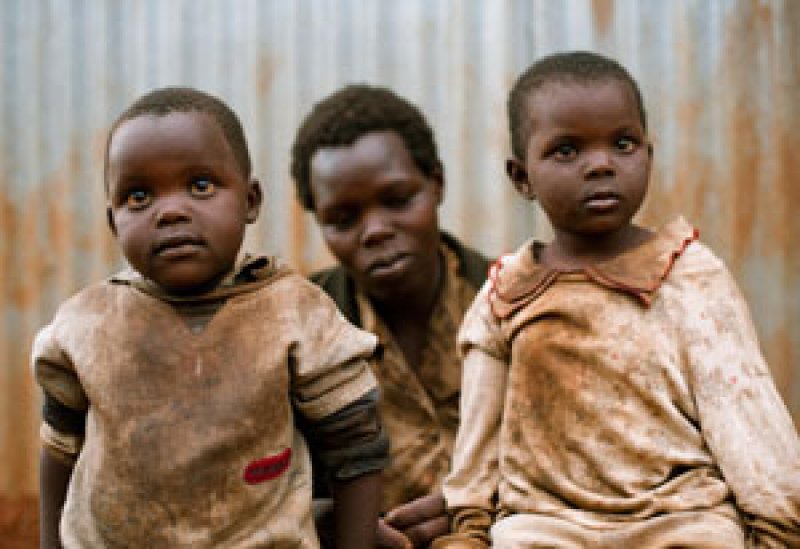
“Sickle Cell has taken the lives of two of our children. We have lost two girls. One of our daughters, the eldest, is living with it. And that has impacted us so much that we live with fear because of the outcome of having sickle cell.
“It is like comparing gold and cowry shells. In England, she is always on the antibiotics. She has to take it for the rest of her life with folic acids [used to boost red blood cells] which has helped a lot and I thank God.”
“In Sierra Leone, I will tell you, there is nothing there for sickle cell sufferers. Our labs are not equipped to diagnose the disease. We have only one lab in Sierra Leone which is in Freetown [ the capital] at the Cottage Hospital, to diagnose sickle cell.”
The new treatment was offered to a French teenager who has sickle cell disease.

Doctors altered the teenager’s DNA in his bone marrow and 15 months on he has none of the symptoms and is no longer on any medication.
Ms Nyandemo says the development gives her hope:
“It gives joy and gives me hope that one day it will happen to our children. At last we are going to get relief. At last there is hope.”
The GLP aggregated and excerpted this blog/article to reflect the diversity of news, opinion, and analysis. Read full, original post: Sickle cell gene therapy: ‘It gives me joy and hope’