Study challenges belief that milkweed is sole cause of monarch butterfly declines

Steep declines in the number of monarch butterflies reaching their wintering grounds in Mexico are not fully explained by fewer milkweeds in the northern part of their range, researchers report in a new study.

The research, published in the journal BioScience, reviews decades of studies of monarchs and includes an in-depth analysis of milkweed populations in Illinois, a state at the heart of the butterfliesโ€™ summer range.

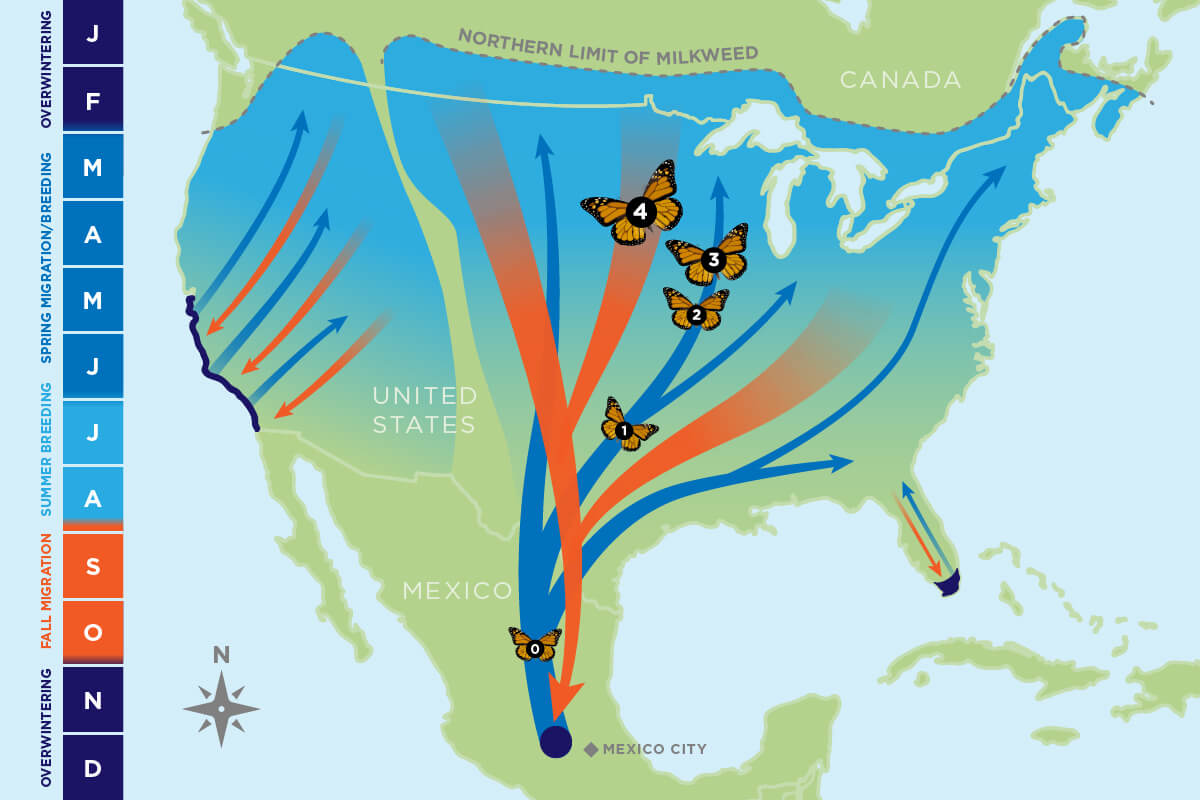
Over several generations in their summer range, monarchs migrate north to breed โ€“ but only one generation makes the return trip to their wintering grounds in Mexico.

The new analysis confirmed that milkweed numbers have dropped by about 95 percent in cropland in Illinois over the last 20 years….

โ€œBut we have more milkweeds in natural areas than previous studies suggested,โ€ [David] Zaya [Illinois Natural History Survey plant ecologist, one of the coauthors of the study] said. โ€œI would say the milkweeds in natural areas are buffering the loss of milkweeds in the agricultural areas.โ€

Other lines of evidence challenge the notion that milkweeds are the sole cause of monarch declines, the researchers said. Despite smaller numbers leaving Mexico each spring, once they get to Illinois, the monarchs seem to quickly rebound.

The GLP aggregated and excerpted this blog/article to reflect the diversity of news, opinion, and analysis. Read full, original post:ย Report: Milkweed losses may not fully explain monarch butterfly declines

{{ reviewsTotal }}{{ options.labels.singularReviewCountLabel }}
{{ reviewsTotal }}{{ options.labels.pluralReviewCountLabel }}
{{ options.labels.newReviewButton }}
{{ userData.canReview.message }}

Related Articles

Infographic: Global regulatory and health research agencies on whether glyphosate causes cancer

Infographic: Global regulatory and health research agencies on whether glyphosate causes cancer

Does glyphosateโ€”the world's most heavily-used herbicideโ€”pose serious harm to humans? Is it carcinogenic? Those issues are of both legal and ...

Most Popular

ChatGPT Image May 26, 2026, 08_42_17 AM (1)
Viewpoint: Greenpeace and poison: How environmental advocacy groups rely on compliant (and often ignorant) journalists to spread disinformation and spark litigation
Screenshot 2025-07-30 at 10.48
Can gene editing eliminate Down syndrome? Scientists have done it in lab-grown cells
Screenshot-2026-05-28-at-1.36.28-PM
Viewpoint: Can mRNA research survive the Trump administration?
Screenshot-2026-06-02-at-11.59.11-AM
Magnifica Humanitas: Popeโ€™s encyclical broadside against AI naivete and overreach
Screenshot 2025-11-18 at 3.45
Viewpointโ€”GMOs and sustainability: Why buying organic foods is the least environmentally-sensitive food choiceโ€”without offering any health benefits
ChatGPT-Image-May-26-2026-07_51_21-AM-2
Viewpoint: There are more than 1,000 chemicals in a cup of coffeeโ€”including many substances that can cause cancer. Why isnโ€™t it banned?
ChatGPT-Image-Jun-2-2026-11_39_58-AM
Viewpoint: Who is RFK, Jr.โ€™s newly-appointed CDC senior counselor, Sara Brenner โ€” Vaccine skeptic and self-proclaimed โ€œMAHA momโ€
Picture1
Sounds we canโ€™t hear โ€” the hidden planetary signals behind science, fear, and misinformation
ChatGPT Image May 28, 2026, 08_16_38 PM
Viewpoint: Why the EPA mismeasures cancer risk of chemicals and what should be done to fix it
ChatGPT Image Jun 2, 2026, 02_03_20 PM
How Trump gutted Ebola research
Screenshot-2026-04-14-at-11.11.06-AM
โ€˜Turbo cancerโ€™ or mRNA cancer cure? Strategies to counter misinformation
glp menu logo outlined

Get news on human & agricultural genetics and biotechnology delivered to your inbox.