‘Save the Bees?’ General Mills campaign perpetuates myths about GMOs, pesticides

Screen Shot at AM

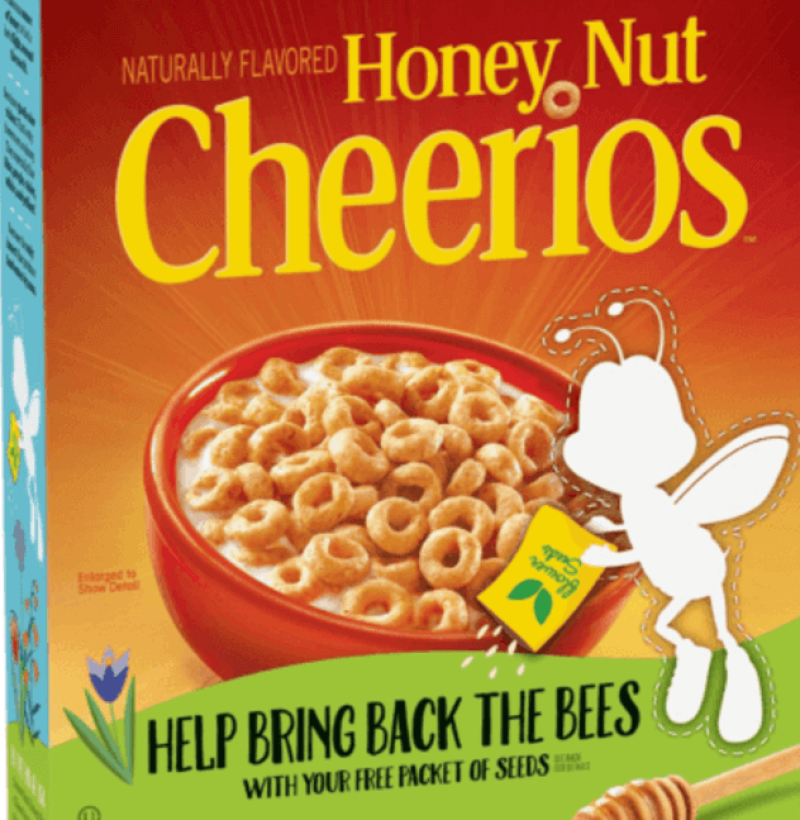
Watch out โ€“ Buzz, the iconic mascot for General Millsโ€™ Honey Nut Cheerios, is going to be missing in action for a few weeks!

General Mills has launched a โ€œSave the Beesโ€ campaign in an attempt to bring awareness to the loss of the all-important pollinators. Buzz is taking a hike from all cereal boxes for 6 weeks, and the company is handing out free wildflower packets for consumers to plant as bee food.

[T]he biggest concern I have with General Millsโ€™ campaign is the organizations theyโ€™ve decided to team up with to save the bees.

[C]licking the link provided to Greenpeaceโ€™s website brings up an article by the organization that blames the alleged rise in bee deaths on a specific class of pesticides, called neonics, and (of course!) genetically modified crops. The drive against neonics has been largely based on rhetoric and not any actual science. In fact, while some places around the world have banned the pesticides, they have not seen any difference in pollinator health.

Of course, there is absolutely no proof that the use of genetically modified plants has done anything to harm or impact bee populations.

The GLP aggregated and excerpted this blog/article to reflect the diversity of news, opinion, and analysis. Read full, original post:ย General Mills Wants to Save the Bees, But Look Closer

For more background on the Genetic Literacy Project, read GLP on Wikipedia

{{ reviewsTotal }}{{ options.labels.singularReviewCountLabel }}
{{ reviewsTotal }}{{ options.labels.pluralReviewCountLabel }}
{{ options.labels.newReviewButton }}
{{ userData.canReview.message }}

Related Articles

Infographic: Global regulatory and health research agencies on whether glyphosate causes cancer

Infographic: Global regulatory and health research agencies on whether glyphosate causes cancer

Does glyphosateโ€”the world's most heavily-used herbicideโ€”pose serious harm to humans? Is it carcinogenic? Those issues are of both legal and ...

Most Popular

ChatGPT Image May 10, 2026, 08_16_59 PM 2
Overmedicalization? RFK Jr.โ€™s antidepressant crackdown raises conflict questions over his fee stake in Wisner Baum, the tort firm built on suing drug makers
Picture1-5
Science Disinformation Gap: The transatlantic battle over social media and censorship
Screenshot-2026-05-08-at-3.40.33-PM
Seeds of power: China turns to genetic engineering to become global superpower
Picture1-14
When superbugs threaten vulnerable children: Can AI help solve antibiotic resistance?
S
As vaccine rejectionism spreads, measles may be taking a more dangerous turn
ChatGPT-Image-Apr-13-2026-02_20_22-PM
Viewpoint: Misinformation infodemic? Why assessing evidence is so challengingย 
Screenshot-2026-05-01-at-1.29.41-PM
Viewpoint: What happens when whole grains meet modern food manufacturing? Labels donโ€™t tell the whole story.
Screenshot 2026-05-08 at 3.01
Transforming farming and nutrition with AI and robotics? Larry Ellisonโ€™s half-billion-dollar Hawaii greenhouse dream goes bust
Farmers can talk to plants
Farmers are a major source of misinformationโ€”about farming
ChatGPT-Image-May-8-2026-01_41_33-PM-3
Viewpoint: Surge of climate misinformation traced to right wing and anti-wind activistsย 
Screenshot-2026-04-20-at-2.26.27-PM
Viewpoint โ€” Food-fear world: The latest activist scientists campaign: Cancer-causing additives
ChatGPT-Image-Mar-27-2026-11_47_30-AM-2
FDAโ€™s expedited drug reviews are hailed in some quarters but other approval practices are problematic
Screenshot-2026-03-13-at-12.14.04-PM
The FDA wants to make many popular prescription drugs OTCโ€”a great idea. Hereโ€™s why itโ€™s unlikely to happen
Screenshot-2026-04-12-135256
Bixonimania: The fake disease scam that AI swallowed whole
glp menu logo outlined

Get news on human & agricultural genetics and biotechnology delivered to your inbox.