Ancestors’ climate shaped your nose — along with genetics

nariz knN U sEF x @Ideal

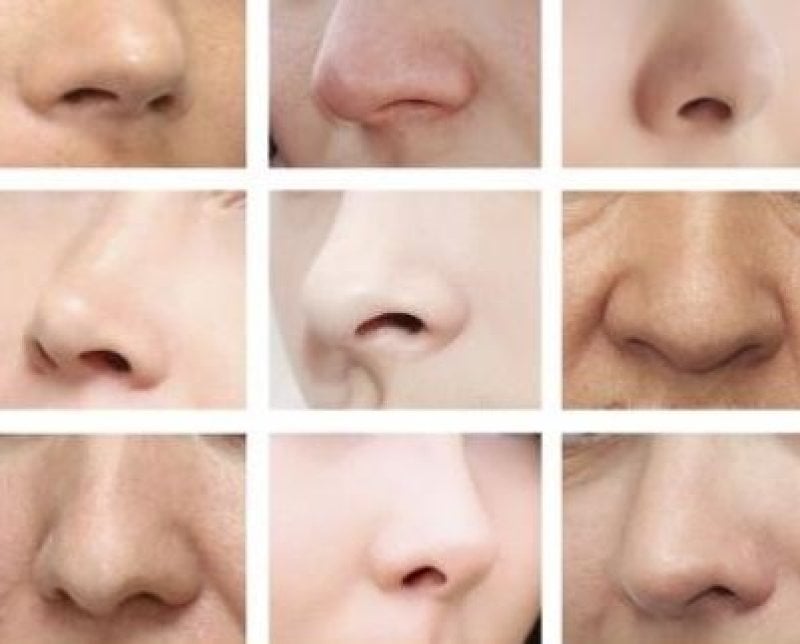
Though you undoubtedly inherited your distinctive nose from your parents, its shape was sculpted over time by adaptations to your ancestors’ local climate, suggests a recent study.

Mark D. Shriver, a professor of anthropology at Penn State University, [examined the noses of people] from four populations: North Europeans, South Asians, East Asians and West Africans, [and found that] the width of the nostrils and the base of the nose measurements differed across populations more than could be accounted for by genetic drift.

Exploring how local climate might have contributed to differences in nose shape, the researchers looked at the distribution of nasal traits in relation to local temperatures and humidity and found that the width of the nostrils strongly correlated with temperature and absolute humidity…Since narrower nostrils allow the nose to humidify and warm the air more efficiently, this was probably essential in cold, dry climates.

[However,] some scientists remain skeptical.

“Although interesting, I think that the study oversimplifies the possible adaptation that has occurred by simply evaluating the external shape,” said Dr. Stella Lee, an assistant professor at University of Pittsburgh School of Medicine.

[The study can be found here.]

The GLP aggregated and excerpted this blog/article to reflect the diversity of news, opinion, and analysis. Read full, original post: Climate, not just genetics, shaped your nose, study says

For more background on the Genetic Literacy Project, read GLP on Wikipedia.

{{ reviewsTotal }}{{ options.labels.singularReviewCountLabel }}
{{ reviewsTotal }}{{ options.labels.pluralReviewCountLabel }}
{{ options.labels.newReviewButton }}
{{ userData.canReview.message }}

Related Articles

Infographic: Global regulatory and health research agencies on whether glyphosate causes cancer

Infographic: Global regulatory and health research agencies on whether glyphosate causes cancer

Does glyphosate—the world's most heavily-used herbicide—pose serious harm to humans? Is it carcinogenic? Those issues are of both legal and ...

Most Popular

ChatGPT-Image-Mar-10-2026-01_39_01-PM
Viewpoint—“Miracle molecule” debunked: Why acemannan supplements don’t work
ChatGPT-Image-Jul-7-2026-01_57_55-PM
Viewpoint: Europe’s rejection of air conditioning is the poster child for misunderstanding how to mitigate the impact of climate change
ChatGPT-Image-Jul-1-2026-12_37_08-PM
Viewpoint: Trump poised to politicize all U.S.-supported science research
ChatGPT-Image-Jun-25-2026-12_23_17-PM
No, Bill Gates did not secretly engineer ticks to promote veganism
ChatGPT-Image-Jun-30-2026-10_27_31-AM
Viewpoint: Europe clears the way for gene-edited crops — but fear-driven restrictions still slow their full potential
ChatGPT-Image-Jul-1-2026-03_33_49-PM
‘Alternative’ cancer treatments that could kill you
DtAieAIkCZy-uchn-oqg
Viewpoint: In the science misinformed grifter game plan, the organic-food-is-healthier myth might be the worst.
ChatGPT-Image-Jul-7-2026-03_07_17-PM
Kennedy blocks preventive health care panel that reviews treatments for HIV, diabetes, and cancer from meeting — for fourth time
Screenshot-2026-07-08-at-11.25.14-AM
AI being mobilized to target misinformation about vaccines–on AI
ChatGPT-Image-Jul-8-2026-12_32_48-PM
Viewpoint: SCOTUS strikes a blow against junk science in Bayer glyphosate case. Will it deter mass tort litigators?
d a ca e c c beb x
Facts & Fallacies podcast: The 'woke' crusade against anthropology? Dr. Elizabeth Weiss
ChatGPT-Image-Jun-15-2026-03_00_23-PM
World’s first AI-designed vaccine explained
glp menu logo outlined

Get news on human & agricultural genetics and biotechnology delivered to your inbox.