Age of Alzheimer’s onset accurately predicted by test of 31 genetic markers, study finds

dementia breakthrough new alzheimer test gives early warning disease

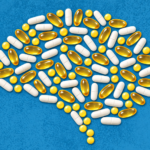
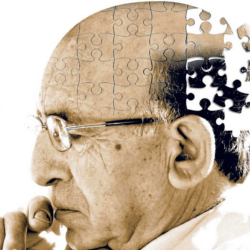
Scientists have developed a new genetic test for Alzheimer’s risk that can be used to predict the age at which a person will develop the disease.

A high score on the test, which is based on 31 genetic markers, can translate to being diagnosed many years earlier than those with a low-risk genetic profile, the study found. Those ranked in the top 10% in terms of risk were more than three times as likely to develop Alzheimer’s during the course of the study, and did so more than a decade before those who ranked in the lowest 10%.

It is already known that genetics plays a powerful role in Alzheimer’s. Around a quarter of patients have a strong family history of the disease, and scientists have shown this is partly explained by a gene called ApoE, which comes in three versions, and is known to have a powerful influence on the risk of getting the most common late-onset type of Alzheimer’s.

The latest study takes a new approach, showing that, aside from ApoE, there are thousands of background genetic variations that each have a tiny influence on Alzheimer’s risk, but whose cumulative influence is substantial.

The GLP aggregated and excerpted this blog/article to reflect the diversity of news, opinion, and analysis. Read full, original post: New Alzheimer’s test can predict age when disease will appear

For more background on the Genetic Literacy Project, read GLP on Wikipedia.

Related Articles

Infographic: Global regulatory and health research agencies on whether glyphosate causes cancer

Infographic: Global regulatory and health research agencies on whether glyphosate causes cancer

Does glyphosate—the world's most heavily-used herbicide—pose serious harm to humans? Is it carcinogenic? Those issues are of both legal and ...

Most Popular

ChatGPT-Image-Mar-10-2026-01_39_01-PM
Viewpoint—“Miracle molecule” debunked: Why acemannan supplements don’t work
ChatGPT-Image-Sep-2-2026-02_03_32-PM
How much of a problem is AI’s water use?
Screenshot-2026-09-17-at-1.07.08-PM
'We are dangerously addicted to antidepressants': Should we heed RFK Jr.’s sobering warning?
ChatGPT-Image-Sep-22-2026-10_32_46-AM
There has been a slew of recent reports of food recalls and foodborne outbreaks. Do we face an escalating problem?
ChatGPT-Image-Aug-26-2026-12_46_16-PM
Viewpoint: The fake controversy over whether combining childhood vaccines is dangerous— a debate science resolved 25 years ago
ChatGPT-Image-Sep-23-2026-01_52_03-PM
Viewpoint: 4 very real AI doomsday scenarios
Screenshot-2026-09-03-at-10.51.20-AM
Viewpoint: Why do online health lies outlive the evidence that debunks them? Read "Everyone Else Is Lying to You"
Screenshot-2026-09-23-at-11.55.01-AM
How can we know if social media bans actually help teens?
Screenshot-2026-09-23-at-3.15.09-PM
Anti-GMO activists in Pakistan rev up their campaign of dire warnings
Screenshot-2026-09-17-at-12.00.30-PM
Investigative group ProPublica finds links between ectopic pregnancy deaths and abortion bans
Screenshot-2026-09-22-at-11.40.28-AM
After Idaho criminalized abortion providers in 2022, one-third of obstetricians fled. Health care advocates are making rural health the case for repealing the ban
ChatGPT-Image-Sep-23-2026-11_47_32-AM
Facing pressure from Trump administration, fewer hospitals offer medical treatment for transgender minors
ChatGPT-Image-Sep-17-2026-12_28_43-PM
Vitamin D, omega-3 fish oil and glucosamine supplements could cause brain damage 
glp menu logo outlined

Get news on human & agricultural genetics and biotechnology delivered to your inbox.