DNA ‘rock science’ helps wring more crude oil from shale rock, boosting supply

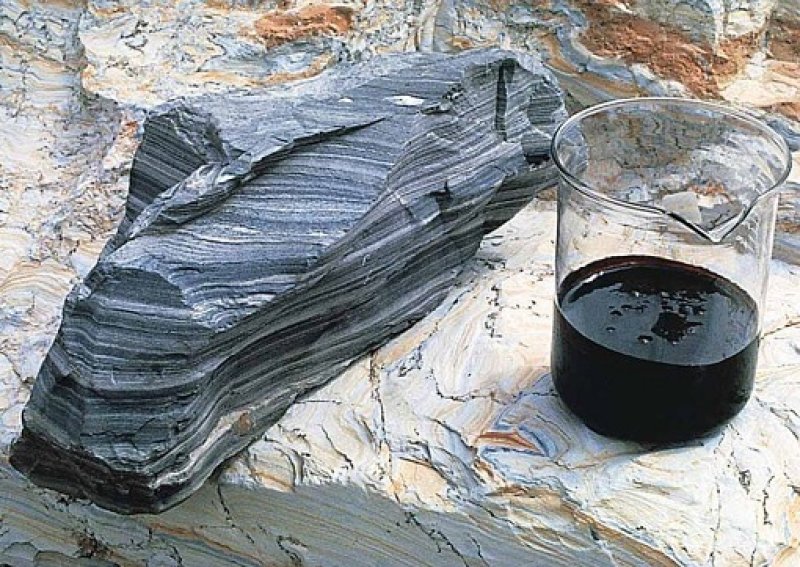
Oil shale

A small group of U.S. oil producers has been trying to exploit advances in DNA science to wring more crude from shale rock, as the domestic energy industry keeps pushing relentlessly to cut costs and compete with the world’s top exporters.

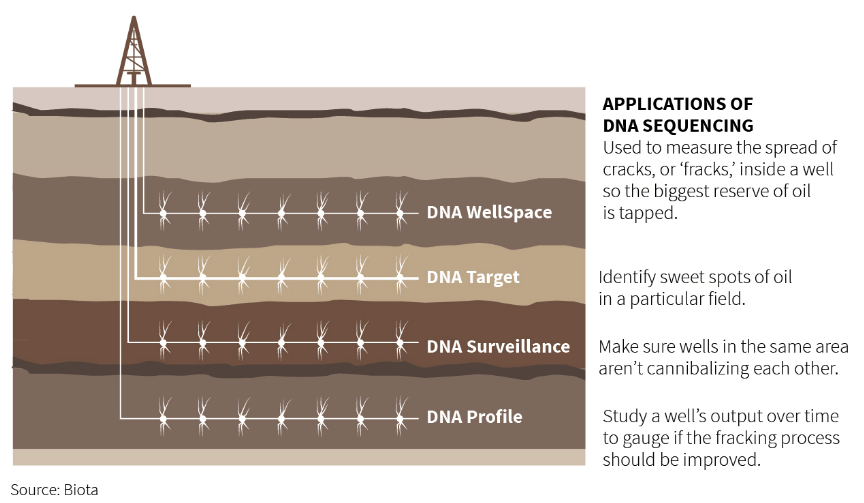
The technique involves testing DNA extracts from microbes found in rock samples and comparing them to DNA extracted from oil. Similarities or differences can pinpoint areas with the biggest potential. The process can help cut the time needed to begin pumping, shaving production costs as much as 10 percent, said Ajay Kshatriya, chief executive and co-founder of Biota Technology, the company that developed this application of DNA science for use in oilfields.
Screen Shot at AM

The information can help drillers avoid missteps that prevent maximum production, such as applying insufficient pressure to reach oil trapped in rocks, or drilling wells too closely together, Kshatriya said.

“I don’t doubt that with enough information (Biota) could find a signature, a DNA fingerprint, of microbial genomes that can substantially improve the accuracy and speed of a number of diagnostic applications in the oil industry,” said Preethi Gunaratne, a professor of biology and chemistry at the University of Houston.

The GLP aggregated and excerpted this blog/article to reflect the diversity of news, opinion, and analysis. Read full, original post:ย The DNA of oil wells: U.S. shale enlists genetics to boost output

For more background on the Genetic Literacy Project, read GLP on Wikipedia

{{ reviewsTotal }}{{ options.labels.singularReviewCountLabel }}
{{ reviewsTotal }}{{ options.labels.pluralReviewCountLabel }}
{{ options.labels.newReviewButton }}
{{ userData.canReview.message }}

Related Articles

Infographic: Global regulatory and health research agencies on whether glyphosate causes cancer

Infographic: Global regulatory and health research agencies on whether glyphosate causes cancer

Does glyphosateโ€”the world's most heavily-used herbicideโ€”pose serious harm to humans? Is it carcinogenic? Those issues are of both legal and ...

Most Popular

Picture1-5
Science Disinformation Gap: The transatlantic battle over social media and censorship
ChatGPT Image May 10, 2026, 08_16_59 PM 2
Overmedicalization? RFK Jr.โ€™s antidepressant crackdown raises conflict questions over his fee stake in Wisner Baum, the tort firm built on suing drug makers
Picture1-1
Cooling the planet with balloons: Could a geoengineering gamble slow global warming?
Screenshot-2026-05-11-104424
Hantavirus outbreak research: Trump administration shut down study last year on rodent-to-human transmission
Picture1-14
When superbugs threaten vulnerable children: Can AI help solve antibiotic resistance?
Screenshot 2026-05-11 at 11.30
Despite politicized disinformation, Midwest AI data centers are fueling a solar energy boom
ChatGPT-Image-Apr-13-2026-02_20_22-PM
Viewpoint: Misinformation infodemic? Why assessing evidence is so challengingย 
S
As vaccine rejectionism spreads, measles may be taking a more dangerous turn
Screenshot-2026-05-08-at-3.40.33-PM
Seeds of power: China turns to genetic engineering to become global superpower
Screenshot-2026-05-08-at-11.55.47-AM
Anti-vax activists falsely blame COVID vaccines for the rising U.S. cancer rate among younger people.
glp menu logo outlined

Get news on human & agricultural genetics and biotechnology delivered to your inbox.