Neonicotinoid insecticide may reduce wild bumblebee queens’ egg development, lab study finds

bumble bee and flower

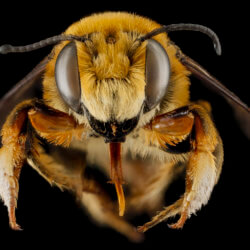
Use of a common pesticide in spring could have an impact on wild bumblebees by interfering with their life cycle, a UK study suggests.

The team, who looked at wild bumblebees caught in the English countryside, say the insecticide, thiamethoxam, reduces egg development in queen bees.

They say this is likely to reduce bee populations later in the year.

Thiamethoxam is one of three neonicotinoid insecticides currently restricted for use by the EU.

They have been restricted amid concerns about their impact on wild bees.

The study, published in Proceedings of the Royal Society B, investigated the impact of thiamethoxam on four species of bumblebee queen which had been captured in the wild in spring.

The effects of the insecticide at levels deemed similar to those encountered in the wild were investigated in the laboratory.

After two weeks of exposure, two of the four species of bumblebee took in less food.
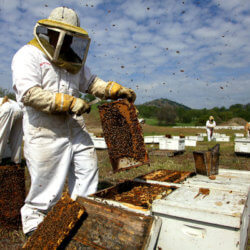
And there were effects on egg development in all four species.

…

The scientists say the work provides “a major step forward” in understanding the impact of neonicotinoids on wild bees – both generally and in specific species.

They say bumblebee queens are not currently considered in pesticide risk assessments for pollinating insects.

[Read the full study here.]

The GLP aggregated and excerpted this blog/article to reflect the diversity of news, opinion, and analysis. Read full, original post: Bumblebees: Pesticide ‘reduces queen egg development’

For more background on the Genetic Literacy Project, read GLP on Wikipedia

Related Articles

Infographic: Global regulatory and health research agencies on whether glyphosate causes cancer

Infographic: Global regulatory and health research agencies on whether glyphosate causes cancer

Does glyphosate—the world's most heavily-used herbicide—pose serious harm to humans? Is it carcinogenic? Those issues are of both legal and ...

Most Popular

Strawberry Clamshell with Warning Sticker
Viewpoint: Activists hype ‘dangerous level’ of pesticide residues in Driscoll berries: Separating health concerns from fear-mongering
ChatGPT-Image-Mar-10-2026-01_39_01-PM
Viewpoint—“Miracle molecule” debunked: Why acemannan supplements don’t work
Diet Soda with Measuring Tape 2
Science challenges anti-soda activists: No, sodas won’t make you fat
Author-Presenting-Good-Energy
'Disillusioned': Controversial RFK Jr. ally and MAHA leader Calley Means quits Trump advisory role
Silhouettes Beneath the Mosquito Nets
Guinea-Bissau halts widely condemned RFK Jr.-backed vaccine trial that would have withheld life-saving vaccines from thousands of newborns
Rustic Skillet of Raw Brains
‘Weird food’? Testicle- and brain-eating, supplement-gulping MAHA health food enthusiasts defend their ‘natural’ diets
Generations United for Immunization
Police raid Guinea-Bissau offices of RFK Jr.-backed vaccine researchers, seize hepatitis B doses
Vibrant Social Media Confetti Explosion
Health misinformation minefield: Countering online deluge by copying its style
Screenshot 2026-10-16 at 5.38
PFAS in Agriculture: Science, Uncertainty, and Risk Communication
Justice Under Prideful Skies
Supreme Court blocks Trump’s order halting transgender surgeries and hormone treatments for inmates
Screenshot-2026-10-21-at-10.38.39-AM
Viewpoint: The libertarian case for getting the government out of the business of regulating food choices
Screenshot-2026-10-19-at-12.04.51-PM
Victims of their own success: As memories of killer diseases fade, vaccine rejectionism soars
png_cheese_Raw_milk
100% raw milk, 100% misguided: As MAHA-fueled demand for unpasteurized milk soars, American Academy of Pediatrics renews call for a ban on its sale and distribution
glp menu logo outlined

Get news on human & agricultural genetics and biotechnology delivered to your inbox.