
[Editor’s note: Mohamed Bakarr is Lead Environmental Specialist at the Global Environment Facility. Kevin Pixley is the Director of the Genetic Resources program at the International Maize and Wheat Improvement Center.]
We need to use all the tools at our disposal to make a world free from hunger a reality, but one major ally isn’t getting the global attention it deserves: crop plant biodiversity.
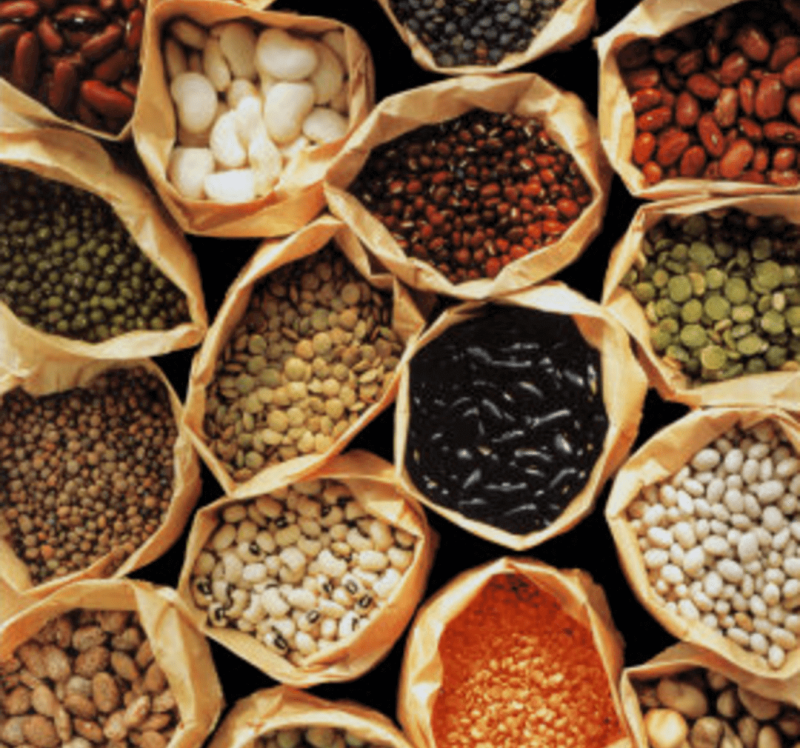
Crop plant biodiversity is the term used to describe all the genetic resources for any crop plant – either growing today or previously collected. This biodiversity has hardy traits such as disease resistances and heat tolerance built in. Over thousands of years, farmers worldwide have evolved a diverse array of food crops based on these traits. Plant breeders have used these genetic resources for decades to breed food crops more resilient to shocks and stresses, ensuring food and nutritional security for ever-growing numbers of people.
But our biodiversity habitats, where these genetic resources are naturally found, are shrinking. Global plant and animal biodiversity declined 30 percent between 1990 and 2007, twice as much in tropical regions. We cannot afford to let this continue.


…
New crop varieties … often improve yield, making existing farmland more productive and reducing the need to clear more land for agriculture. This conserves more area for biodiversity habitats and reduces the greenhouse gas emissions associated with deforestation. This has been a major priority of initiatives such as the Global Environment Facility’s new programme on fostering sustainability and resilience for food security in 12 countries across sub-Saharan Africa, which we believe could mitigate 20 million tonnes of carbon.
The GLP aggregated and excerpted this blog/article to reflect the diversity of news, opinion, and analysis. Read full, original post: Crop biodiversity: The key to ending hunger