Scientists urge US Interior Department to lift ban on GMO seeds

doi

The Information Technology and Innovation Foundation (ITIF), one of the world’s top science and technology think tanks, along with a group of independent scientists, today submitted a letter to Interior Secretary Ryan Zinke calling on the department to reverse a Fish and Wildlife Service policy that phased out the use of genetically modified (GM) seeds. The letter, spearheaded by ITIF, argues that the policy was improperly adopted three years ago and stands at odds with the conservation objectives of the Fish and Wildlife Service.

According to the group, the ban against use of GM seeds is “arbitrary and capricious,” as genetically modified crops are shown to be the most modern, precise, efficient and effective methods of seed improvement. Additionally, the policy should have been adopted through a notice-and-comment rulemaking process under the Administrative Procedure Act.

The group writes, “The prohibition of ‘genetically modified’ crops is a wrong-headed and anti-environmental policy, and the conceit that it is being advanced out of respect for a ‘land ethic’ is indefensible.”

ITIF senior fellow Val Giddings said, “Labeling crops as ‘genetically modified’ stigmatizes their use, when in reality their safety is proven and their benefits are significant. They are shown to produce maximum sustainable yields with minimum environmental impact. The Interior department should reverse these policies and get back to the conservation mission of the Fish and Wildlife Service.”

The GLP aggregated and excerpted this article to reflect the diversity of news, opinion and analysis. Read full, original post: ITIF, Independent Scientists Call on Interior to Reverse Policy Against GM Seeds

{{ reviewsTotal }}{{ options.labels.singularReviewCountLabel }}
{{ reviewsTotal }}{{ options.labels.pluralReviewCountLabel }}
{{ options.labels.newReviewButton }}
{{ userData.canReview.message }}

Related Articles

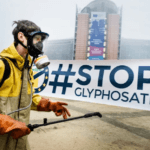
Infographic: Global regulatory and health research agencies on whether glyphosate causes cancer

Infographic: Global regulatory and health research agencies on whether glyphosate causes cancer

Does glyphosate—the world's most heavily-used herbicide—pose serious harm to humans? Is it carcinogenic? Those issues are of both legal and ...

Most Popular

Screenshot-2026-03-13-at-12.14.04-PM
The FDA wants to make many popular prescription drugs OTC—a great idea. Here’s why it’s unlikely to happen
Screenshot-2026-05-04-at-12.54.32-PM
How Utah became the country’s supplement capital  — and a haven for unregulated, ineffective and fake products
Screenshot-2026-04-20-at-2.26.27-PM
Viewpoint — Food-fear world: The latest activist scientists campaign: Cancer-causing additives
Screenshot-PM-24
Viewpoint: The herbicide glyphosate isn’t perfect. Banning it would be far worse.
images
The never-ending GMO debate: Pros and cons
Screenshot-2026-05-01-at-11.56.24-AM
‘Science moves forward when people are willing to think differently’: Memories of DNA maverick Craig Venter
Screenshot-2026-04-03-at-11.15.51-AM
Paraben panic: How a flawed study, media hype, and chemophobia convinced the public of the danger of one of the safest classes of preservatives
Screenshot-2026-04-12-135256
Bixonimania: The fake disease scam that AI swallowed whole
ChatGPT-Image-May-1-2026-02_20_13-PM
How RFK, Jr.’s false vaccine claims are holding up $600 million to fight diseases in poor countries
Screenshot-2026-04-30-at-2.19.37-PM
5 myths about summer dehydration that could damage your health — or even kill you
glp menu logo outlined

Get news on human & agricultural genetics and biotechnology delivered to your inbox.