GMO hornless cow awaits approval amid FDA policy changes

Recombinetics
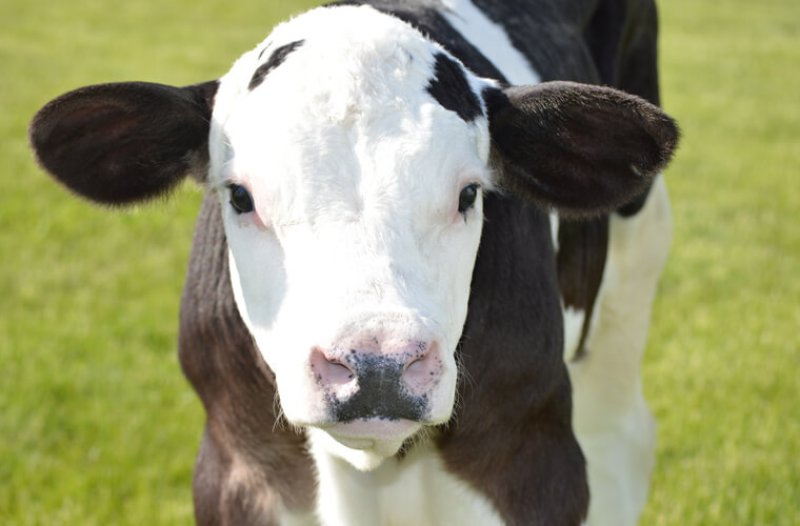
One of two genetically engineered calves is shown here lacking horn development

[In 2016], Recombinetics, the 35-person company [geneticist Scott Fahrenkrug] founded in 2008 with three other geneticists from the University of Minnesota, introduced its first genetically edited farm animal, a hornless Holstein milk cow… [Its] primary aim remains to supply gene-edited livestock to the agriculture industry, and Recombinetics says it can start doing that if, and about as soon as, the U.S. Food and Drug Administration approves. “We have several ­multimillion-dollar deals in the final steps of negotiations, down to the dots and titles,” Fahrenkrug says.


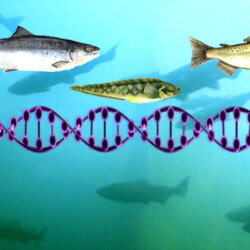
The FDA remains a big if. Before the agency approved the first genetically modified animal for human consumption in 2015, a fast-growing species of Atlantic salmon, biotech company AquaBounty Technologies had to spend $80 million over close to two decades, eventually selling itself to biotech giant Intrexon to keep operating. And the odyssey isn’t over: The FDA is developing more complex labeling requirements for the fish at the order of Congress.

The FDA told the company it’d be subject to forthcoming regulations, issued in the final 48 hours of the Obama administration, that lumped in all DNA-altered animals with AquaBounty’s salmon as a “new animal drug” rather than a breeding process, subjecting them to much longer evaluation processes.

The GLP aggregated and excerpted this article to reflect the diversity of news, opinion and analysis. Read full, original post: This Genetics Company Is Editing Horns Off Milk Cows


{{ reviewsTotal }}{{ options.labels.singularReviewCountLabel }}
{{ reviewsTotal }}{{ options.labels.pluralReviewCountLabel }}
{{ options.labels.newReviewButton }}
{{ userData.canReview.message }}

Related Articles

Infographic: Global regulatory and health research agencies on whether glyphosate causes cancer

Infographic: Global regulatory and health research agencies on whether glyphosate causes cancer

Does glyphosate—the world's most heavily-used herbicide—pose serious harm to humans? Is it carcinogenic? Those issues are of both legal and ...

Most Popular

Picture1-5
Science Disinformation Gap: The transatlantic battle over social media and censorship
Screenshot-2026-04-23-at-11.00.36-AM
Regulators' dilemma: Thalidomide, Metformin, and the cost of getting drug approvals wrong
ChatGPT-Image-May-12-2026-08_39_41-PM
GLP podcast: Big Pharma, Big Ag, Big Food—health harming industries or life-saving innovators?
ChatGPT Image May 10, 2026, 08_16_59 PM 2
Overmedicalization? RFK Jr.’s antidepressant crackdown raises conflict questions over his fee stake in Wisner Baum, the tort firm built on suing drug makers
Screenshot-2026-05-12-at-9.58.31-PM
'He seems fine': Marty Makary out as FDA commissioner
Picture1-1
Cooling the planet with balloons: Could a geoengineering gamble slow global warming?
Screenshot-2026-05-12-at-10.05.11-AM
Pro-vaccine “hero” vs. an anti-vax “villain”: ‘Bad Vaxx’ video stirs MAHA backlash
Picture1-14
When superbugs threaten vulnerable children: Can AI help solve antibiotic resistance?
Screenshot-2026-05-11-104424
Hantavirus outbreak research: Trump administration shut down study last year on rodent-to-human transmission
Screenshot 2026-05-11 at 11.30
Despite politicized disinformation, Midwest AI data centers are fueling a solar energy boom
ChatGPT Image May 12, 2026, 10_19_00 AM 2
Viewpoint— 'Muscular governance': How authoritarianism is surging corporate-linked energy misinformation
Screenshot-2026-05-01-at-1.29.41-PM
Viewpoint: What happens when whole grains meet modern food manufacturing? Labels don’t tell the whole story.
S
As vaccine rejectionism spreads, measles may be taking a more dangerous turn
glp menu logo outlined

Get news on human & agricultural genetics and biotechnology delivered to your inbox.