Viewpoint: Challenges to glyphosate, neonic safety shows science under attack from ‘viral misinformation’

w

The news of scientific prejudice [in the decision by IARC stating that glyphosate was a likely carcinogen, on top of the body of evidence showing the herbicide is safe, should have ended the political rancor over glyphosate in Europe.

It didn’t.

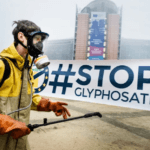
A few days after the Reuters story the European Parliament voted, 355 to 204, to ban the use of glyphosate by 2022.

Thanks to wondrous platforms like Twitter and Facebook it’s now possible to say “glyphosate probably causes cancer” fifty million times in a month.

In response to such viral misinformation, Canada’s ag leaders usually respond with: we need to talk more about the science of agriculture.

One problem. That does little to nothing.

Another familiar response is that Europe is different. That sort of anti-pesticide campaign and political interference can’t happen here.

Not true.

Most entomologists and bee experts say neonicotinoids, a class of insecticides, play a small role in bee colony losses in Canada. The analogy I’ve heard is it’s like a boat with 20 holes in the bottom, with neonics representing one hole.

Patch that hole and you still have 19 holes.

The GLP aggregated and excerpted this article to reflect the diversity of news, opinion and analysis. Read full, original post: Repetition can often make it true — and forget about the science

{{ reviewsTotal }}{{ options.labels.singularReviewCountLabel }}
{{ reviewsTotal }}{{ options.labels.pluralReviewCountLabel }}
{{ options.labels.newReviewButton }}
{{ userData.canReview.message }}

Related Articles

Infographic: Global regulatory and health research agencies on whether glyphosate causes cancer

Infographic: Global regulatory and health research agencies on whether glyphosate causes cancer

Does glyphosate—the world's most heavily-used herbicide—pose serious harm to humans? Is it carcinogenic? Those issues are of both legal and ...

Most Popular

Screenshot-2026-04-20-at-2.26.27-PM
Viewpoint — Food-fear world: The latest activist scientists campaign: Cancer-causing additives
Screenshot-2026-05-01-at-11.56.24-AM
‘Science moves forward when people are willing to think differently’: Memories of DNA maverick Craig Venter
Screenshot-2026-04-03-at-11.15.51-AM
Paraben panic: How a flawed study, media hype, and chemophobia convinced the public of the danger of one of the safest classes of preservatives
Screenshot-2026-03-13-at-12.14.04-PM
The FDA wants to make many popular prescription drugs OTC—a great idea. Here’s why it’s unlikely to happen
ChatGPT-Image-May-1-2026-02_20_13-PM
How RFK, Jr.’s false vaccine claims are holding up $600 million to fight diseases in poor countries
viva-la-vida-watermelons
Misinformation and climate change are endangering summer watermelons
Drinking lots of water can help reduce the effects of aging
Nanoplastics in drinking water: MAHA activists forge science-based bipartisan coalition 
Screenshot-2026-04-30-at-2.19.37-PM
5 myths about summer dehydration that could damage your health — or even kill you
79d03212-2508-45d0-b427-8e9743ff6432
Viewpoint: The Casey Means hustle—Wellness woo opportunism dressed up as medical wisdom
ChatGPT-Image-Mar-27-2026-11_27_05-AM
The myths of “process”: What science says about the “dangers’ of synthetic products and ultra-processed foods
Screenshot-PM-24
Viewpoint: The herbicide glyphosate isn’t perfect. Banning it would be far worse.
ChatGPT-Image-Mar-10-2026-01_39_01-PM
Viewpoint—“Miracle molecule” debunked: Why acemannan supplements don’t work
ChatGPT-Image-Apr-30-2026-12_21_05-PM-2
The tech billionaires behind the immortality movement
glp menu logo outlined

Get news on human & agricultural genetics and biotechnology delivered to your inbox.