EU renews glyphosate herbicide license for 5 years, ending ‘heated debate’

Screen Shot at AM

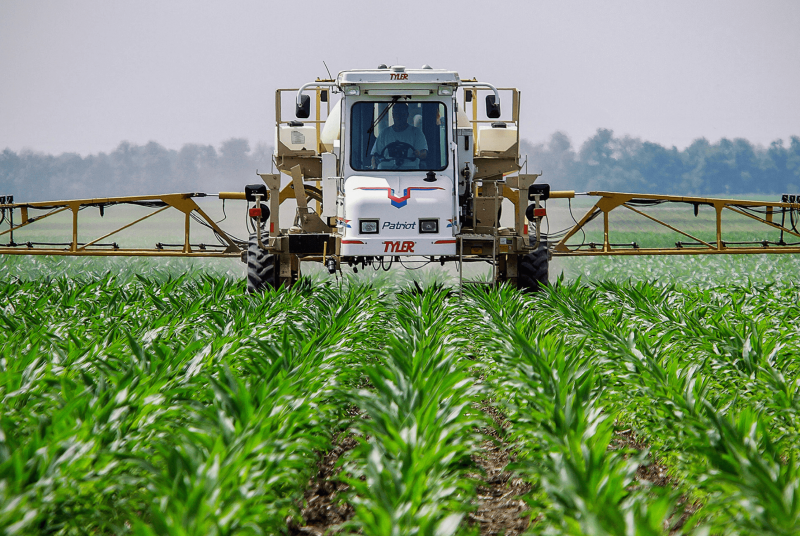
EU countries approved on Monday [Nov. 27] the use of weed-killer glyphosate for the next five years after a heated debate over whether it causes cancer.

Diplomats said Germany swung the vote, coming off the fence after abstaining in previous meetings to oppose its key EU partner France, which wanted a shorter license extension.

The European Commission said in a statement that 18 countries had backed its proposal to renew the chemical’s license, with nine voting against and one abstaining, declaring this to be a “positive opinion”.

Europe has been wrestling for the past two years over what to do with the chemical, a key ingredient in Monsanto’s top-selling Roundup, whose license was set to expire on Dec. 15.

In theory, the Commission could have pushed through a license extension, but it said it wanted governments to make the call on an issue that has become so politically charged. After a series of indecisive votes, they finally produced a clear majority in favor of the Commission’s proposal.

“Today’s vote shows that when we all want to, we are able to share and accept our collective responsibility in decision making,” said health and food safety commissioner Vytenis Andriukaitis.

The GLP aggregated and excerpted this article to reflect the diversity of news, opinion and analysis. Read full, original post: EU backs five-year extension for weed-killer glyphosate

{{ reviewsTotal }}{{ options.labels.singularReviewCountLabel }}
{{ reviewsTotal }}{{ options.labels.pluralReviewCountLabel }}
{{ options.labels.newReviewButton }}
{{ userData.canReview.message }}

Related Articles

Infographic: Global regulatory and health research agencies on whether glyphosate causes cancer
Infographic: Global regulatory and health research agencies on whether glyphosate causes cancer

Does glyphosate—the world's most heavily-used herbicide—pose serious harm to humans? Is it carcinogenic? Those issues are of both legal and ...

Most Popular

Screenshot-2026-04-23-at-11.00.36-AM
Regulators' dilemma: Thalidomide, Metformin, and the cost of getting drug approvals wrong
Picture1-5
Science Disinformation Gap: The transatlantic battle over social media and censorship
ChatGPT-Image-May-13-2026-11_56_08-AM
After slashing global health aid by $19 Billion, Trump moves to tap $2.1 billion more—to cover shutdown costs
ChatGPT-Image-May-12-2026-08_39_41-PM
GLP podcast: Big Pharma, Big Ag, Big Food—health harming industries or life-saving innovators?
ChatGPT Image May 10, 2026, 08_16_59 PM 2
Overmedicalization? RFK Jr.’s antidepressant crackdown raises conflict questions over his fee stake in Wisner Baum, the tort firm built on suing drug makers
Screenshot-2026-05-12-at-9.58.31-PM
'He seems fine': Marty Makary out as FDA commissioner
ChatGPT-Image-Apr-13-2026-02_20_22-PM
Viewpoint: Misinformation infodemic? Why assessing evidence is so challenging 
Screenshot-2026-05-01-at-1.29.41-PM
Viewpoint: What happens when whole grains meet modern food manufacturing? Labels don’t tell the whole story.
Picture1-1
Cooling the planet with balloons: Could a geoengineering gamble slow global warming?
Screenshot-2026-05-11-104424
Hantavirus outbreak research: Trump administration shut down study last year on rodent-to-human transmission
S
As vaccine rejectionism spreads, measles may be taking a more dangerous turn
images
The never-ending GMO debate: Pros and cons
glp menu logo outlined

Get news on human & agricultural genetics and biotechnology delivered to your inbox.