GMO Bt cotton poised to revive Philippines’ industry, reduce pesticide use

Screen Shot at AM

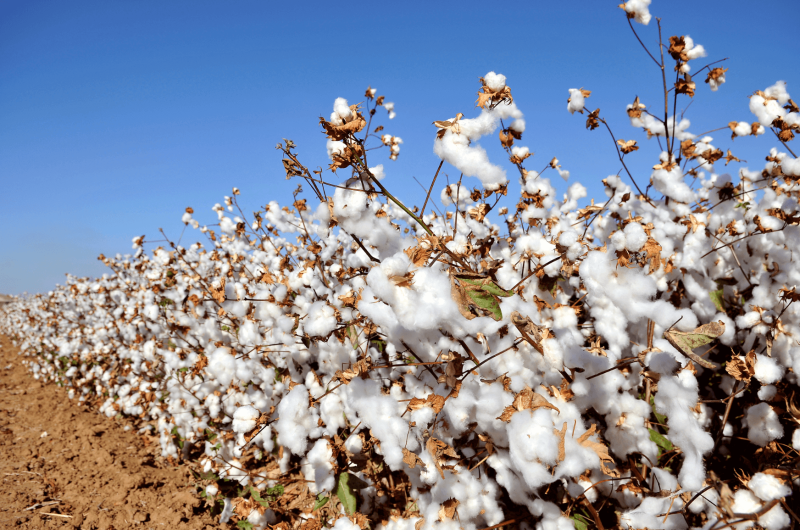
Following a multi-year slump, the Philippine cotton industry is anticipating a renaissance through the help of an innovative, science-based crop that farmers began planting this month.

With the introduction of the Bt cotton variety, revival of the local cotton industry is very likely, according to Edison Riñen, regional director of the Philippine Fiber Industry Development Authority (PhilFIDA). The country currently imports all of the cotton required by the local textile industry.

Bt cotton has been genetically engineered to resist the dreaded bollworm (Heliothis armigera), a destructive pest that is partly responsible for the decline of the country’s cotton industry. The crop technology largely replaces the need to control the bollworm through applications of synthetic chemical pesticides, which cause harm to human health and the environment, Riñen said.

The Bt variety is being cultivated in experimental areas as PhilFIDA works on securing approvals for commercial release of the seeds. This year, 26 farmers in Ilocos Norte and a growing number of farmers in Pangasinan are expected to plant Bt cotton, Riñen said.

The GLP aggregated and excerpted this article to reflect the diversity of news, opinion and analysis. Read full, original post: GMO cotton could prompt renaissance of Philippine cotton industry

{{ reviewsTotal }}{{ options.labels.singularReviewCountLabel }}
{{ reviewsTotal }}{{ options.labels.pluralReviewCountLabel }}
{{ options.labels.newReviewButton }}
{{ userData.canReview.message }}

Related Articles

Infographic: Global regulatory and health research agencies on whether glyphosate causes cancer

Infographic: Global regulatory and health research agencies on whether glyphosate causes cancer

Does glyphosate—the world's most heavily-used herbicide—pose serious harm to humans? Is it carcinogenic? Those issues are of both legal and ...

Most Popular

Screenshot-PM-24
Viewpoint: The herbicide glyphosate isn’t perfect. Banning it would be far worse.
79d03212-2508-45d0-b427-8e9743ff6432
Viewpoint: The Casey Means hustle—Wellness woo opportunism dressed up as medical wisdom
ChatGPT-Image-Mar-27-2026-11_27_05-AM
The myths of “process”: What science says about the “dangers’ of synthetic products and ultra-processed foods
Screenshot-2026-04-03-at-11.15.51-AM
Paraben panic: How a flawed study, media hype, and chemophobia convinced the public of the danger of one of the safest classes of preservatives
d-b
Blocked arteries, kidney stones, nausea, constipation, fatigue: Long list of health problems caused by too much vitamin D 
ChatGPT-Image-Mar-3-2026-01_17_14-PM
MAHA wellness influencers deride proven anxiety medications, tout lifestyle fixes
ChatGPT-Image-Apr-30-2026-12_21_05-PM-2
The tech billionaires behind the immortality movement
Screenshot-2026-05-01-at-11.56.24-AM
‘Science moves forward when people are willing to think differently’: Memories of DNA maverick Craig Venter
ChatGPT-Image-Mar-10-2026-01_39_01-PM
Viewpoint—“Miracle molecule” debunked: Why acemannan supplements don’t work
glp menu logo outlined

Get news on human & agricultural genetics and biotechnology delivered to your inbox.