Pesticides just one tool in the modern farmer’s pest management toolbox

Strawberry greenhouse e

Whether a farmer is growing in an organic or conventional system, his or her crop needs to be protected from damage from plant pests (insects, fungi, bacteria, viruses, nematodes, weeds…). To fail to minimize pest damage leads to inefficient use of scarce resources like prime farm land, water, or inputs. The quality and safety of the final products can also be compromised.

imgresWhile materials we think of as “pesticides” play an important role, modern agricultural pest management depends on a combination of several tools and strategies which, when used together, offer a more resilient, economic, and effective means of crop protection. Though some of these practices have been part of traditional farming, many are more recent innovations. The explicit design of these multi-strategy programs began in the 1970s, and the approach is now widely adopted as integrated pest management (IPM). The optimal IPM program varies widely by crop and geography; this post will describe some examples that highlight the various components.
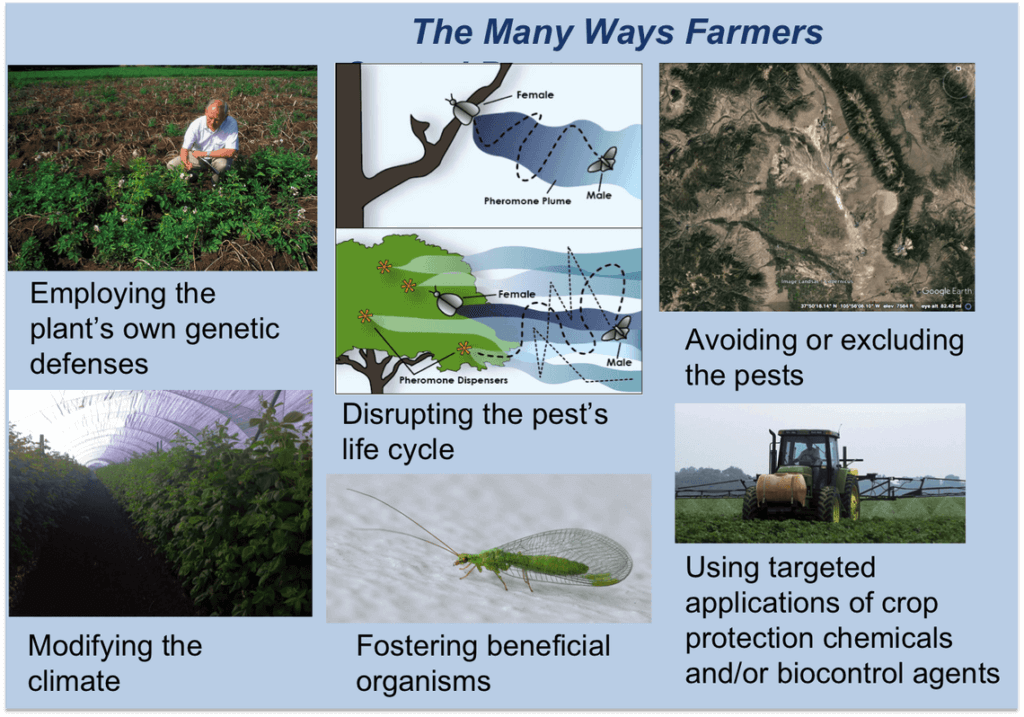
The approaches used to implement IPM programs generally fall into six categories:

  1. Avoiding the pest
  2. Employing the plant’s own genetic defenses
  3. Modifying the climate
  4. Disrupting the pest’s life cycle
  5. Fostering beneficial organisms
  6. Using targeted pesticide applications

A brief introduction to each of the six approaches follows with additional links to the more detailed presentations. Each post will link back to the list above.

  1. Avoiding the pest

Not all pests occur in all places either because they have not spread there or because they cannot flourish in the climate of a given region. Both of these limitations have been historically important factors to consider when deciding what crops to grow where, and these pest limitations continue to be important considerations for farmers. Long-term, this strategy is limited by climate change and by the extensive movement of people and goods around the world

   2. Employing the plant’s own genetic defenses

Plants fight back against pests by evolving a variety of defensive strategies controlled by genetic traits. Built-in genetic resistance is an attractive form of pest control for farmers, but it is a resource that requires considerable effort to employ and stewardship to maintain as an effective part of an IPM program. For some crops, farmers can maintain a seed bank of genetic variation and draw upon it to keep ahead of the pest’s inevitable tendency to evolve around plant defenses.

When genetic resistance is available, it is generally wise to complement it with other IPM elements, such as pesticides, to avoid losing the valuable traits. For many crops, conventional methods of breeding are too slow and/or complex to easily employ genetic solutions. Traditional and advanced grafting approaches offer a dual plant genetics approach that has been quite useful in many systems. Advancements in biotechnology allow farmers to use same-species resistance genes in hard-to-breed crops as well as novel genetic approaches that have shown considerable benefit in the few cases where they have been allowed to-date.

   3. Modifying the climate

In some cases, farmers can shift the microclimate in which the plant is grown enough to reduce the threat of certain pests. Various degrees of protected culture have been widely used to shield crops from rain and/or to shift the temperature regime to extend the growing season at either end. The nature of the plant canopy can sometimes be managed to reduce humidity, increase light or otherwise create a microenvironment that is suppressive to certain pests.

   4. Disrupting the pest’s life cycle

Several strategies for pest control center on making it more difficult for the pests to reproduce. These range from crop rotation to insect pheromones to removal of damaged or infested plant parts. Other approaches involve the release of male insects which are sterile so that the females with which they mate do not produce any offspring.

   5. Fostering beneficial organisms 

Even pests have pests, and often there are ways that farmers can encourage these natural enemies to help keep pest populations low enough to obviate the need for other control measures. Sometimes, it is possible to actively produce and add the bio-control organisms to the system.

   6. Using targeted pesticide applications

Farmers can use a wide range of crop protection agents as part of an IPM system. In a great many cases, these agents are low hazard options in terms of environmental, beneficial, or human impact, but the use of all such agents is highly regulated on a national and state level. These crop protection agents are often important for preserving the utility of other IPM approaches, particularly genetic resistance. Farmers have many economic and practical incentives to only use these materials on an as-needed basis.

Pest control in agriculture is a multi-dimensional effort, and pesticides are just one of the important tools that farmers employ. Some of these tools have been in use for a long time and some are new. With climate change, the control of pests will become even more difficult. As the global population grows and standards of living increase, it will be even more important for farmers to avoid the sort of losses and food waste that pest cause. Fortunately, the toolbox available to fight pests is diverse and constantly improving.

A version of this article appeared on the Putting Pesticides In Perspective blog as “The Many Ways Farmers Control Pests” and it has been reposted with permission of the author. 

Steve Savage is an agricultural scientist (plant pathology) who has worked for Colorado State University, DuPont (fungicide development), Mycogen (biocontrol development), and for the past 13 years as an independent consultant. His blogging website is Applied Mythology. You can follow him on Twitter @grapedoc

Search for targeted pesticides leads scientists to eavesdrop on crosstalk between plants and fungi

e aa deea b

In this conversation between plants and fungi, the organisms rely on a well-worn mechanism of gene-expression regulation that has stood the test of evolutionary time: RNA interference (RNAi). Listening in on the RNA crosstalk between plants and their pathogens could reveal previously unknown facets of basic plant biology, and point the way toward a successful strategy to fend off crop pathogens.

Over the past decade, scientists have demonstrated RNAi’s ability to protect numerous plants against nonviral pathogenic foes….

Researchers have already completed a field experiment that demonstrates the effectiveness of engineering plants to send interfering RNAs to fight off fungal pathogens.

“This is an area we’re definitely watching,” says John Pitkin, the Global Disease Management Lead at Monsanto. “It clearly looks like there’s movement of RNA between plants and fungi through the expression of transgenes. Whether those reach the level of commercial efficacy is still in question.”

Despite lingering questions about the function of cross-kingdom RNAi, its use in the lab is becoming a powerful tool for experimentation. The mere ability to control the gene expression of pest organisms with transgenic plants has opened up research opportunities previously closed to scientists.

fromplanttopathogen px

The GLP aggregated and excerpted this blog/article to reflect the diversity of news, opinion, and analysis. Read full, original post: RNA Interference Between Kingdoms

To feed a growing, hungry global population, we need more plant breeders

slide rutkoski wheat

Plant breeders are in short supply as the human population heads to an estimated nine billion in 2050 and they face one of the most pressing issues of our time – feeding the world.

“[T]here is a shortage of breeders both domestically and overseas, which means you will be in hot demand,” [said AgResearch Forage Genetics team senior scientist Dr Zulfi Jahufer.]

He said breakthroughs made in forage crops could also be applied to other related industries such as flowers and apples and there was an opportunity for more collaboration.

[Massey University’s Plant Breeding course] co-ordinator Dr Jennifer Tate said plant breeding used to be based on physical observation which was a long and costly process:

“In the past, plant breeders had to rely on their observations by sight to determine which plants might yield the best variety. Now, with marker-assisted breeding, we can identify natural diversity in traits of interest through DNA analysis. It is much faster and can sometimes cut out months or years worth of work to select a trait in a particular variety using molecular markers.”

The GLP aggregated and excerpted this blog/article to reflect the diversity of news, opinion, and analysis. Read full, original post: Shortage of plant breeders makes feeding growing world difficult

Were ‘activist scientists’ behind European Union neonicotinoids ban?

Screen Shot at AM

[Editor’s note: Henry Miller is a physician and molecular biologist who was the founding director of the FDA’s Office of Biotechnology.] 

[A] case of undisclosed activist conflict of interest was unearthed at the end of January [2017] by investigator David Zaruk in Brussels. The case involves Gérard Arnold–a member of the scientific panel at the European Food Safety Agency (EFSA)–who helped draw up EFSA’s “Bee Guidance Document,” while concealing his ongoing leadership role in Apimondia, an anti-pesticide global federation of beekeepers’ organizations.

According to Zaruk’s investigation, Arnold was found to be serving as the “coordinator” of the anti-pesticide Apimondia working group on “Adverse Effects of Agrochemicals and Bee Medicines on Bees” (designated “AWG 9,” which Arnold apparently founded in 2010) during the 2011-2013 period while he was working with EFSA on the Bee Guidance Document. In spite of being required by EFSA’s rules to disclose such a relationship, Arnold failed to do so.

[The Bee Guidance Document] provided a foundation for the European Commission’s 2013 decision to impose a supposedly “temporary” ban on neonic pesticides…

…if consistently applied, this EFSA guidance could end up eliminating as potentially harmful virtually all crop protection products in Europe. The resulting damage to European agriculture and industry would be enormous.

The GLP aggregated and excerpted this blog/article to reflect the diversity of news, opinion, and analysis. Read full, original post: Scientists’ Duplicity And Conflicts Of Interest Distort Regulation And Harm Farmers

Next big thing in the world of crime solving: Epigenetics?

[A]dvances in epigenetics – the study of reversible chemical modifications to chromosomes that play a role in determining which genes are activated in which cells – might soon start making their way out of research labs and into criminal forensics facilities.

The things we get up to while our epigenetic clocks are ticking can also leave their mark on our DNA. Cigarette smoking correlates with characteristic and persistent epigenetic changes. The same goes for cocaine, opioids and other illicit substances. There’s also some evidence for epigenetic signatures of obesity, traumatic childhood experiences, exposure to tobacco in the womb, season of birth, exposure to environmental pollution, [and] exercise….

There are also ways to detect non-epigenetic evidence of environmental exposures that we all experience For example, international travel or exposure to certain chemicals or experiences can change the composition of the microbiome.

Existing epigenetic analysis methods also use impracticably large samples of blood or tissue, much more than is usually available at a crime scene…However, these technical challenges will hopefully soon be overcome, and it’s not too early to start thinking about the legal implications of this type of information.

The GLP aggregated and excerpted this blog/article to reflect the diversity of news, opinion, and analysis. Read full, original post: Forensic DNA profiling might be about to take a big leap forward. Are we ready?

American College of Medical Genetics and Genomics on gene editing-How cautious can we afford to be?

genec genetic research spl

There are a lot of voices getting into the mix of the debate on human genome editing, taking on the unenviable task of “playing God.” One of these voices is the American College of Medical Genetics and Genomics (ACMG.)

The first point that [the ACMG] raise is that the limitations of genome editing technologies will need to be overcome before there is clinical application…The second point is that…the process used to correct a gene must fix the original genetic mutation so that it no longer causes disease…[and] not cause any other genetic changes….

[T]hese are great places to start the conversation, but, it may simply not be possible to cross all of these Ts and dot all of these Is before therapies become useful.

But, the debate cannot occur too far into the future as this technology is progressing faster than we are responding to it. The ACMG state that “genome editing in the human embryo is premature” which implies that we are not ready for it to happen. However, gene editing technology is available now. Therefore, the conversations need to be happening now.

[The study can be found here.]

The GLP aggregated and excerpted this blog/article to reflect the diversity of news, opinion, and analysis. Read full, original post: The American College Of Medical Genetics And Genomics Weighs In On Gene Editing

Stress reaction: Women more vulnerable to certain diseases, allergies because of immune cell differences

cold and flu woman sick

Michigan State University researchers are the first to uncover reasons why a specific type of immune cell acts very differently in females compared to males while under stress, resulting in women being more susceptible to certain diseases.

[T]he federally funded study found that females were more vulnerable to certain stress-related and allergic diseases than males because of distinct differences found in mast cells, a type of white blood cell that’s part of the immune system.

Mast cells are an important immune cell because they play a key role in stress-related health issues that are typically more common in women such as allergic disorders, autoimmune diseases, migraines and irritable bowel syndrome, or IBS.

“This could explain why women, or men, are more or less vulnerable to certain types of diseases,” [said Adam Moeser, study leader and an endowed chair and associate professor in the College of Veterinary Medicine.]

With this new understanding of how different genes act,…scientists could eventually start developing new sex-specific treatments that target these immune cells and stop the onset of disease.

[The study can be found here.]

The GLP aggregated and excerpted this blog/article to reflect the diversity of news, opinion, and analysis. Read full, original post: Why male immune cells are from Mars and female cells are from Venus

‘Alphabet of life’ expanded by 2 synthetic letters, may help make organisms ‘Earth has never seen’

genetic

Until very recently, life on Earth was dictated by strings of just four letters: G, A, T, and C…Deciphering nature’s secret language gave scientists unprecedented insight into the ways DNA encodes life.

But as they became fluent in DNA, scientists realized how much its limited vocabulary restricted its potential. They wanted to expand nature’s abilities to fit the needs of humankind. So they did the natural next step: added more letters.

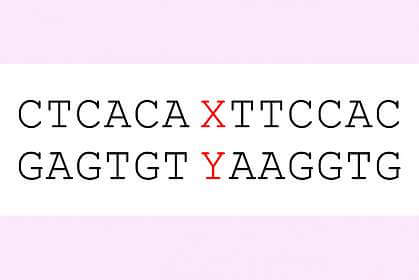
Floyd Romesberg and his team [at the Scripps Research Institute] created two new bases — X and Y — and successfully incorporated them permanently into the DNA of the bacteria E. coli. This achievement…took Romesberg one step closer toward his goal of manipulating the DNA of organisms to make them create proteins the Earth has never seen.

As far as we know, there are only 20 amino acids that can lock together in different patterns to form proteins, and to chemists, many of them are “redundant” and “really not interesting,” according to Romesberg. Rewriting the code of life will allow scientists to produce “unnatural” amino acids, which can join together to form proteins with unprecedented functions.

“We could develop proteins that have whole new properties — whole new abilities to treat different types of diseases better — by virtue of having these unnatural amino acids in them,” Romesberg says.

[The study can be found here.]

The GLP aggregated and excerpted this blog/article to reflect the diversity of news, opinion, and analysis. Read full, original post: The New, Expanded Genetic Alphabet Rewrites Life

Why high-risk breast cancer patients are foregoing genetic testing and counseling

imrs

Doctors often fail to recommend genetic testing for breast-cancer patients, even those who are at high risk for mutations linked to ovarian and other cancers, according to a study.

Researchers said the findings…are troubling because genetic tests can help guide women’s choice of treatments for existing disease, as well as point to ways to reduce the risk of future cancer.

“Genetic testing can be a powerful tool for certain women,” said study author Reshma Jagsi, a radiation oncologist at the University of Michigan Health System. “It is worrisome to see so many of these women at highest risk for mutations failing even to have a visit focused on genetic counseling.”

Although two-thirds of the women reported wanting genetic testing, less than a third actually got it, the study found. About 8 in 10 women at highest risk for BRCA mutations — because of family history or ancestry — said they had wanted testing, but only a little more than half received it.

Many of the women said they didn’t get tested because their doctors never recommended it. A smaller number said the testing was too expensive.

[The study can be found here.]

The GLP aggregated and excerpted this blog/article to reflect the diversity of news, opinion, and analysis. Read full, original post: Many high-risk patients with breast cancer aren’t getting genetic testing. Here’s why.

Generating tissue to repair knee cartilage and hearts more likely in wake of stem cell study

osteoarthritis of the knee

A new study from the National Institutes of Health, or NIH, has found that induced pluripotent stem cells would be safe to use in genetic engineering.

Induced pluripotent stem cells, or IPSCs, are the result of a breakthrough technique developed by Dr. Shinya Yamanaka, Ph.D., and Kazutoshi Takahashi, Ph.D., to return adult human cells to their earliest stage of development, and then change it into different types of cells in the body.

The practice of using IPSCs in medical advancements such as generating cartilage cell tissue to repair knees or cardiac cells to restore damaged heart tissue has been slowed by concerns from the medical community that the cells could be more susceptible to genetic mutations.

But the new study from the National Human Genome Research Institute, or NHGRI, part of the NIH, has found that IPSCs are no more likely to develop genetic mutations than cells duplicated by subcloning, a process where single cells are cultured individually and then grown into a cell line.

“These findings suggest that the question of safety shouldn’t impede research using IPSC,” said Dr. Pu Paul Llu, senior investigator in NHGRI’s Translational and Functional Genomics Branch….

[The study can be found here.]

The GLP aggregated and excerpted this blog/article to reflect the diversity of news, opinion, and analysis. Read full, original post: Induced pluripotent stem cells don’t increase mutations: Study

Epigenetics Around the Web: Chemo affects sperm? Cancer causes. Younger looking skin?

download

This week’s features include: Genetic and epigenetic diversity in cancer; epigenetics is the new buzzword in beauty; and the long-lasting impact of chemotherapy.

I’m not suggesting that you shouldn’t use chemo. In fact, I would suggest that you probably should use the chemo. I’m just saying that there are some preventative things that may need to be put in place before you use the chemo if possible.

Michael Skinner, a professor in the WSU School of Biological Sciences and Center for Reproductive Biology

What causes cancer?

Genetic mutations are a root cause of cancer. But your cells don’t just ‘pick up’ a mutation and turn cancerous. In fact, a cell can rack up numerous mutations and not pose a danger. There is no set number of mutations that must be registered, but rather the trigger point depends on what genes are affected and in what cell type (among other factors). From person to person, tumors can show a wide range of genetic diversity, even among people with the same affected tissue type and stage.

Overall childhood cancers seem to have a much lower level of genetic diversity, puzzling researchers. One example is Ewing sarcoma (EWS), a bone cancer found mainly in teenagers. A single genetic defect—the EWS-ETS fusion—defines most tumors, and overall they are similar genetically, which is perplexing because progression and prognosis can vary drastically from patient to patient. A recent study, published in Nature Medicine, found that EWS tumors have a striking level of epigenetic diversity, which may explain theses observed differences.

Researchers at CeMM Research Center for Molecular Medicine of the Austrian Academy of Sciences found that EWS tumors have a striking amount of hypomethylation (a process that generally leads to the product of a gene, generally a protein, being produced in an excessive amount) on the disease-defining genetic defect. Furthermore, patients with metastatic EWS show even more alterations in methylation. This finding could help physicians identify which patients are at risk for poorer outcomes.

Epigenetics is your path to outer beauty

Screen Shot at AMMaybe she’s born with it, maybe it’s Maybelline…or maybe it’s epigenetics? The cosmetics industry is beset by faddish claims that various products and tests can help make your skin younger and restore its ‘natural tautness’ by harnessing the power of epigenetics. One company, Mibelle biochemistry group, claims that a protein called royalactin, derived from bees, can induce epigenetic changes in human skin cells that “accelerate epidermal regeneration for smoother skin, activates the cellular cleaning process and reveals a more evenly toned skin.” Another, Geneu, says they can make a customized serum by looking at your unique epigenetic and genetic profile that will enhance your skin’s beauty.
The science behind these claims is shaky at best. Epigenetic changes are made onto DNA and change the activity of certain genes. But skin cells don’t have active DNA. They slowly fill up with keratin, lose their DNA and die. So a cream that targets gene expression in the skin is highly unlikely to affect your skin’s age. Unless you grow crow’s feet from worrying about your bank account as one of Genu’s tests can run you $2,200.

Long-lasting impacts of chemotherapy

Chemotherapy is not perfect. Anyone who has gone through it can tell you it is a miserable process. There are a number of adverse effects that can be severely debilitating: Nausea, fatigue, pain, GI distress, hair loss, vomiting, fever, chills and rashes, and the list goes on. Most of these side effects are short-lived and if the drugs works, the results are pretty fantastic.

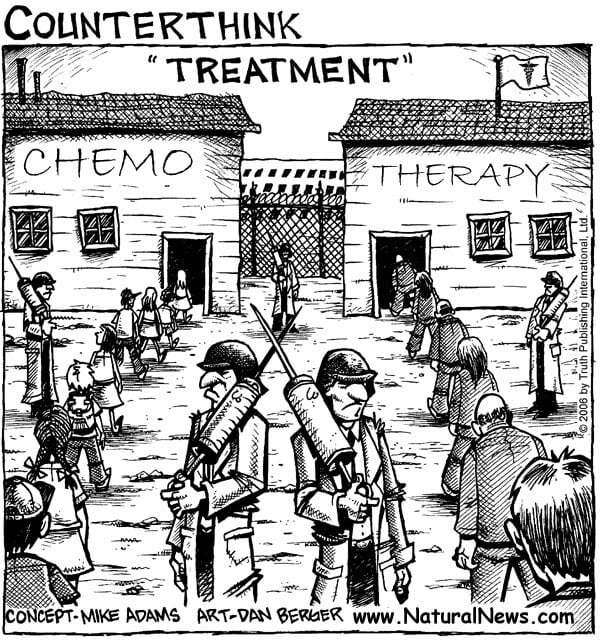
But for a number of chemical critics, these adverse demonstrate a far-reaching conspiracy by the pharmaceutical industry to keep us sick so they can bleed us of every last dime. (I won’t link to any activist sites, but the links are easy to find.)

chemo therapyThese baseless and outrageous claims cloud chemotherapy and make it difficult for doctors and scientists to seriously discussions with patients its long-lasting impact for fear a patient will elect an alternative (and ineffective) treatment.


A recent study published in PLOS One by Washington State University epigeneticist Michael Skinner highlights this struggle. Skinner found that chemotherapy changed methylation patterns in the sperm of men, which could affect gene expression during any of their offspring’s development. The study is backed up by previous research on rodents, and Skinner said his results are “very reproducible.” But his main concern seems to be how his findings might be misrepresented by activists:

I’m not suggesting that you shouldn’t use chemo. In fact, I would suggest that you probably should use the chemo. I’m just saying that there are some preventative things that may need to be put in place before you use the chemo if possible.

If alterations on the genomes of sperm are found to affect a man’s children, it is not proof of a conspiracy by industry to harm patients; nor is it a reason not to undergo chemotherapy. They merely indicate that young males with cancer may need to discuss with their physicians about taking precautionary steps to ensure that, after they receive this life-saving medicine, they can still have a healthy family. One example would be freezing their sperm before receiving their first round of treatment.

This weekly roundup of the latest studies and news in the field of epigenetics originated on our GLP sister site, the Epigenetics Literacy Project

Nicholas Staropoli is the director of the Epigenetics Literacy ProjectHe has an M.A. in biology from DePaul University and a B.S. in biomedical sciences from Marist College. Follow him on Twitter @NickfrmBoston.

China aggressively challenges US lead in precision medicine

uschinaflags futureatlas

The United States has long been the [genomic] industry’s undisputed leader,…but now China is emerging as America’s fiercest competitor….

“I’m very frustrated at how aggressively China is investing in this space while the U.S. is not moving with the same kind of purpose,” said Eric Schadt, director of the Icahn Institute for Genomics and Multiscale Biology at Mount Sinai. “China has established themselves as a really competitive force.”

For China, the genomics revolution has been a chance to showcase its technical prowess as well as cultivate homegrown innovation…To succeed over the next generation, China hopes to emulate Western-style entrepreneurship to transform its economy.

[T]his past spring, Chinese officials launched a $9 billion investment in precision medicine, a wide-ranging initiative to not only sequence genes, but also develop customized new drugs using that data. The funding dwarfs a similar effort announced by President Obama a year ago that has an uncertain future in Trump’s new administration.

“The U.S. system has more dexterity and agility than the Chinese system,” said [Denis Simon, executive vice chancellor of Duke Kunshan University in China]. “But the learning curve in China is very powerful, and the Chinese are moving fast. The question is not if. The question is when.”

The GLP aggregated and excerpted this blog/article to reflect the diversity of news, opinion, and analysis. Read full, original post: China’s $9 billion effort to beat the U.S. in genetic testing

Sore shoulder, rotator cuff disease may be a genetic trait

shutterstock

Rotator cuff disease is a common disorder that affects 30 to 50 percent of people over the age of 50. The disease often leads to shoulder pain and loss of function. While many think of this as a ‘tear’ due to an injury or sustained over/misuse, some studies suggest genetics might play a role.

“People are living longer and more active lives, but a large percentage of these people may suffer from rotator cuff disease,” explains Dominique Dabija, a medical student at Vanderbilt University School of Medicine. “Identifying a genetic link can help early recognition of individuals at higher risk and could warrant application of prevention strategies for this specific population.

One [study] found if an individual has a sibling with a rotator cuff tear, he or she is twice as likely to also have a tear and nearly five times more likely to have associated pain and loss of function.

“Although there was a small number of studies in this literature review — pointing to a need for more studies on this topic — the consensus among all seven studies is rotator cuff disease is a heritable trait,” says Dabija.

[The study can be found here.]

The GLP aggregated and excerpted this blog/article to reflect the diversity of news, opinion, and analysis. Read full, original post: Studies reveal link between rotator cuff disease and genetics

Multiple sclerosis, inflammatory diseases linked to 27 high-protein gene regions

multiple sclerosis

A genome-wide study has identified DNA regions associated with higher levels of circulating cytokines, small proteins that play a role in inflammatory diseases such as multiple sclerosis (MS).

Scientists want to obtain a better understanding of the interplay between cytokines and growth factors to gain insight into inflammatory diseases.

“We wanted to find out the molecular-level processes that lead to an increased risk of developing inflammatory diseases. Understanding these processes will enable more effective treatment of diseases,” Professor Olli Raitakari, director of the research center and one of the study’s senior authors….

Researchers identified 27 genomic regions that have a significant association with circulating cytokines. They also identified a genomic variation associated with higher production of the circulating interleukin-2 receptor alpha subunit (IL-2ra). This variation increases the risk that someone will develop Crohn’s disease and MS.

“Our results suggest that [the FDA-approved MS treatment] Zinbryta might be beneficial for persons with Crohn’s disease as well,” the researchers wrote.

[The study can be found here.]

The GLP aggregated and excerpted this blog/article to reflect the diversity of news, opinion, and analysis. Read full, original post: Researchers Identify Gene Regions with High Levels of Proteins Linked to MS

Nanoparticle-delivered CRISPR tools could treat hemophilia, cystic fibrosis and muscular dystrophy

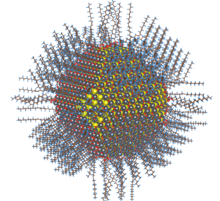
Colloidal nanoparticle of lead sulfide selenide with complete passivation

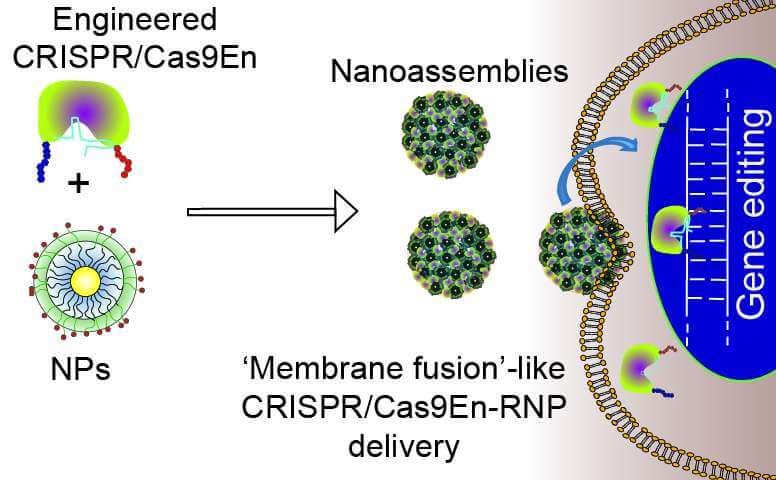
More and more scientists are using the powerful new gene-editing tool known as CRISPR/Cas9, a technology isolated from bacteria, that holds promise for new treatment of such genetic diseases as cystic fibrosis, muscular dystrophy and hemophilia. But to work well, the new gene-clipping tool must be delivered safely across the cell membrane and into its nucleus, a difficult process that can trigger the cell’s defenses and “trap” CRISPR/Cas9, greatly reducing its treatment potential.

Now, researchers in nanochemistry expert Vincent Rotello’s laboratory at the University of Massachusetts Amherst have designed a system using nanoparticles to assist CRISPR/Cas9 across the membrane and into the while avoiding entrapment by cellular machinery.

He points out that since CRISPR’s potential was first discovered in 2012, gene editing or genome engineering has quickly become an intense research topic in biology and medicine. The goal is to treat otherwise incurable  by manipulating diseased genes. “However, to achieve this, biotech and pharmaceutical companies are constantly searching for more efficient CRISPR delivery methods,” he adds.


overcominghu
A cartoon shows gene editing through engineered CRISPR/Cas9En delivery in the Rotello lab at UMass Amherst. The researchers have overcome an obstacle in the technology by designing a delivery system using nanoparticles to assist CRISPR/Cas9 across the cell membrane and into the nucleus while avoiding entrapment by cellular machinery. Credit: UMass Amherst.
[The study can be found here.]

The GLP aggregated and excerpted this blog/article to reflect the diversity of news, opinion, and analysis. Read full, original post: Overcoming hurdles in CRISPR gene editing to improve treatment

For people with congenital hearing loss, gene therapy successful in mice offers promise

deaf

An improved gene therapy vector restores hearing and balance in genetically deaf mice, according to Boston’s Children’s Hospital researchers…[T]he mice’s levels of hearing are reported to be able to detect sounds as soft as 25 decibels, which is comparable to a whisper.

The new study found that [the newly developed synthetic vector] Anc80 could successfully transfer genes to the harder-to-reach areas of the outer hair cells when introduced into the cochlea.

“We have shown that Anc80 works remarkably well in terms of infecting cells of interest in the inner ear,” says [Konstantina Stankovic of Massachusetts Eye and Ear]. “With more than 100 genes already known to cause deafness in humans, there are many patients who may eventually benefit from this technology.”

“This strategy is the most effective one we’ve tested,” says [Gwenaëlle Géléoc, Ph.D., of the department of otolaryngology at Boston’s Children’s Hospital]. “We now have a system that works well and rescues auditory and vestibular function to a level that’s never been achieved before.”

The researchers also discovered that the gene therapy restored balance in the mice and eliminated erratic movements.

[The study can be found here.]

The GLP aggregated and excerpted this blog/article to reflect the diversity of news, opinion, and analysis. Read full, original post: Groundbreaking gene therapy restores hearing, balance

Iowa farmer debunks 8 popular myths about GMOs

a iowa barn a e

[Editor’s note: Michelle Miller, known on social media as the Farm Babe, raises lamb and beef cattle, and grows almost 2,000 acres of row crops like corn, soybeans, oats, and alfalfa with her boyfriend in Northeast Iowa.]

Myth #1: Farmers are forced to grow GMOs.

No, we aren’t forced to. No, the government doesn’t pay us to. We grow them because we want to and they help us, you, and the planet. Since the inception of certain GMO crops, insecticide spray is down 85 percent, while overall pesticide spray is down 37 percent, crop yields are up on average 21 percent. If farmers can produce more crops on less land while using fewer inputs, less pesticides, fuel, etc we are going to jump on it. Please allow us to do our jobs.

Michelle Miller

Myth #2: They aren’t safe, and aren’t well tested.

BLATANTLY FALSE. GMOs are the most regulated and tested crops in plant breeding history and are proven safe by nearly every major food safety authority in the world….

Myth #6: Monsanto is a greedy company that has control over farmers.

Look, Apple is a big company because people buy their products. They like iPhones. They want technology. Monsanto is a big company. Who buys their products? Farmers. Why? See myth No. 1.

[The entire list reads: Myth #1: Farmers are forced to grow GMOs.; Myth #2: They aren’t safe, and aren’t well tested.; Myth #3: They are drenched in toxic herbicides, and Roundup is the devil.; Myth #4: They cause cancer.; Myth #5: They cause farmers in India to commit suicide.; Myth #6: Monsanto is a greedy company that has control over farmers.; Myth #7: GMOs are patented, and farmers are not allowed to save seeds.; Myth #8: GMOs don’t germinate the following year because of terminator technology.]

The GLP aggregated and excerpted this blog/article to reflect the diversity of news, opinion, and analysis. Read full, original post: Farm Babe: Top 8 myths about GMOs debunked

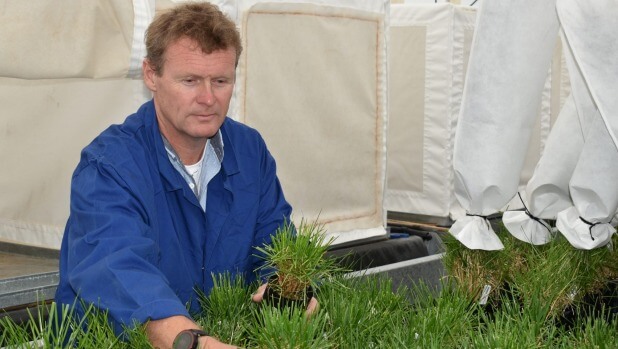
High-yield, environmentally-friendly GMO ryegrass moved to US for field trials due to New Zealand’s strict biotech laws

Genetically modified grass that could lower farming’s environmental footprint will be taken offshore next year for field testing.

Developed by AgResearch at their Grasslands site in Palmerston North, the plants will be shipped to the United States for testing outside because of New Zealand’s strict GM laws.

Research on the potted plants was still at the proof of concept stage of development, AgResearch dairy sector manager Shane Devlintold farmers and rural professionals at a presentation in Te Awamutu.

“If you said to me, what is the most exciting piece of science that is coming that could really have a substantial impact on the industry at some point in the future, it would be this piece of science here.”

The plants produced 50 per cent more yield, between 10-15 per cent more energy and lower methane.

The offshore testing would help work out its value for New Zealand.

Other elements of this research included developing a methane reduction vaccine and specific crops that lowered animal emissions.

The GLP aggregated and excerpted this blog/article to reflect the diversity of news, opinion, and analysis. Read full, original post: Genetically modified ryegrasses developed in NZ head offshore for field testing

UK farmers apply for emergency use of neonicotinoids to protect rapeseed crop

oilseed rape e

The National Farmers Union (NFU) … announced [February 7] that it has applied for emergency use of neonicotinoid seed treatments to alleviate insect pest pressure on a proportion of the English oilseed rape crop [known as rapeseed in the US].

NFU Vice President Guy Smith said:

This application recognises that, because of the neonicotinoid restrictions, pest numbers have increased in recent years to such an extent that there are now areas of the country where these seed treatments are less likely to be of benefit – areas where the pest pressure is so high that the risk of losing oilseed rape is too great and control with pyrethroids is compromised by increased pesticide resistance.

Mr Smith said over-reliance on pyrethroids, caused by the neonicotinoid restrictions, is ‘exacerbating’ this resistance problem.

Friends of the Earth (Read GLP Profile here) food and farming campaigner Sandra Bell said: “With mounting scientific evidence of the threat neonicotinoids pose to our bees, the current ban on these pesticides should be strengthened – not weakened.


The GLP aggregated and excerpted this blog/article to reflect the diversity of news, opinion, and analysis. Read full, original post: NFU applies for emergency use of neonicotinoids as OSR crop continues to decline