For people with congenital hearing loss, gene therapy successful in mice offers promise

deaf

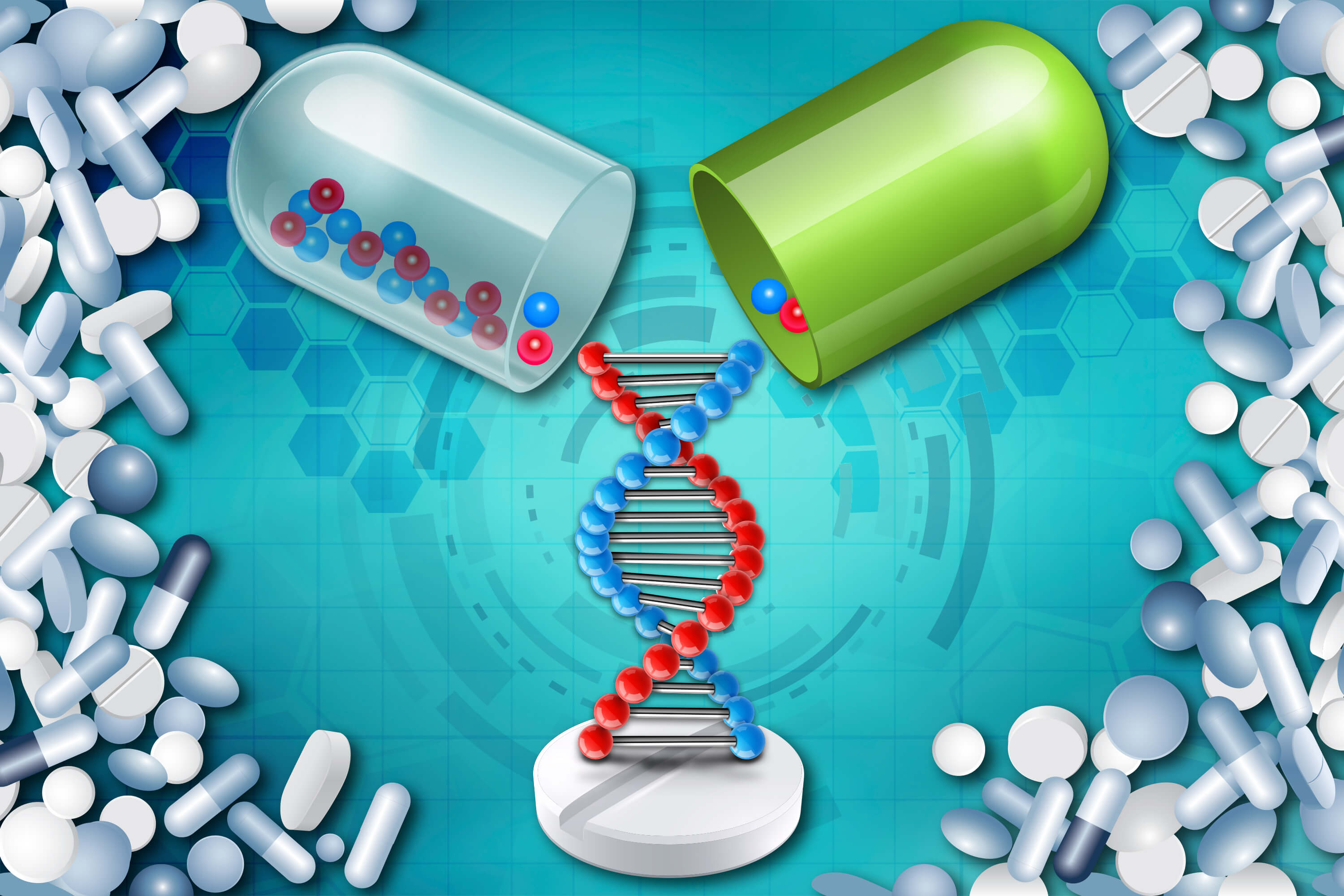
An improved gene therapy vector restores hearing and balance in genetically deaf mice, according to Boston’s Children’s Hospital researchers…[T]he mice’s levels of hearing are reported to be able to detect sounds as soft as 25 decibels, which is comparable to a whisper.

The new study found that [the newly developed synthetic vector] Anc80 could successfully transfer genes to the harder-to-reach areas of the outer hair cells when introduced into the cochlea.

“We have shown that Anc80 works remarkably well in terms of infecting cells of interest in the inner ear,” says [Konstantina Stankovic of Massachusetts Eye and Ear]. “With more than 100 genes already known to cause deafness in humans, there are many patients who may eventually benefit from this technology.”

“This strategy is the most effective one we’ve tested,” says [Gwenaëlle Géléoc, Ph.D., of the department of otolaryngology at Boston’s Children’s Hospital]. “We now have a system that works well and rescues auditory and vestibular function to a level that’s never been achieved before.”

The researchers also discovered that the gene therapy restored balance in the mice and eliminated erratic movements.

[The study can be found here.]

The GLP aggregated and excerpted this blog/article to reflect the diversity of news, opinion, and analysis. Read full, original post: Groundbreaking gene therapy restores hearing, balance

Iowa farmer debunks 8 popular myths about GMOs

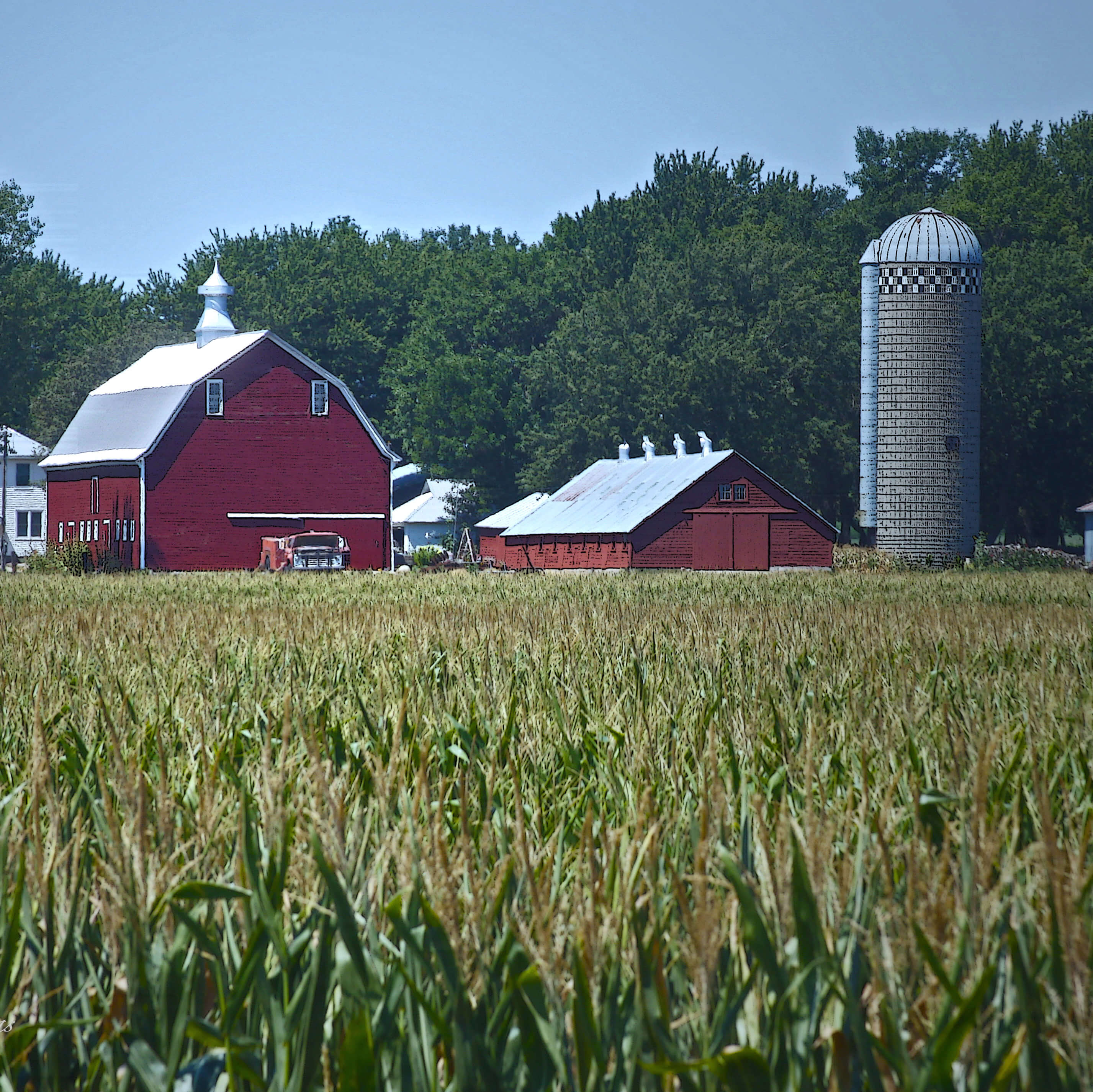
a iowa barn a e

[Editor’s note: Michelle Miller, known on social media as the Farm Babe, raises lamb and beef cattle, and grows almost 2,000 acres of row crops like corn, soybeans, oats, and alfalfa with her boyfriend in Northeast Iowa.]

Myth #1: Farmers are forced to grow GMOs.

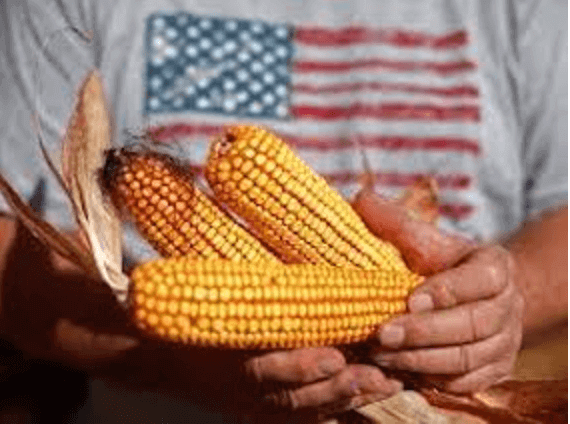
No, we aren’t forced to. No, the government doesn’t pay us to. We grow them because we want to and they help us, you, and the planet. Since the inception of certain GMO crops, insecticide spray is down 85 percent, while overall pesticide spray is down 37 percent, crop yields are up on average 21 percent. If farmers can produce more crops on less land while using fewer inputs, less pesticides, fuel, etc we are going to jump on it. Please allow us to do our jobs.

Michelle Miller

Myth #2: They aren’t safe, and aren’t well tested.

BLATANTLY FALSE. GMOs are the most regulated and tested crops in plant breeding history and are proven safe by nearly every major food safety authority in the world….

Myth #6: Monsanto is a greedy company that has control over farmers.

Look, Apple is a big company because people buy their products. They like iPhones. They want technology. Monsanto is a big company. Who buys their products? Farmers. Why? See myth No. 1.

[The entire list reads: Myth #1: Farmers are forced to grow GMOs.; Myth #2: They aren’t safe, and aren’t well tested.; Myth #3: They are drenched in toxic herbicides, and Roundup is the devil.; Myth #4: They cause cancer.; Myth #5: They cause farmers in India to commit suicide.; Myth #6: Monsanto is a greedy company that has control over farmers.; Myth #7: GMOs are patented, and farmers are not allowed to save seeds.; Myth #8: GMOs don’t germinate the following year because of terminator technology.]

The GLP aggregated and excerpted this blog/article to reflect the diversity of news, opinion, and analysis. Read full, original post: Farm Babe: Top 8 myths about GMOs debunked

High-yield, environmentally-friendly GMO ryegrass moved to US for field trials due to New Zealand’s strict biotech laws

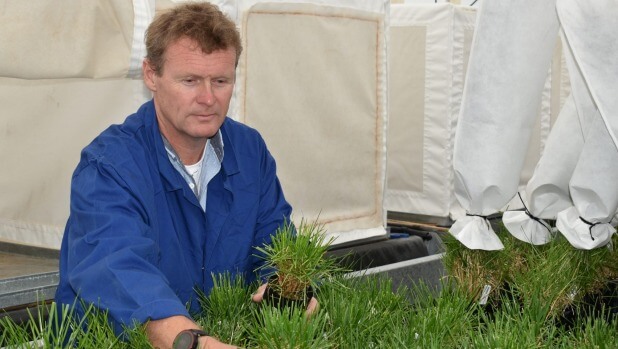
Genetically modified grass that could lower farming’s environmental footprint will be taken offshore next year for field testing.

Developed by AgResearch at their Grasslands site in Palmerston North, the plants will be shipped to the United States for testing outside because of New Zealand’s strict GM laws.

Research on the potted plants was still at the proof of concept stage of development, AgResearch dairy sector manager Shane Devlintold farmers and rural professionals at a presentation in Te Awamutu.

“If you said to me, what is the most exciting piece of science that is coming that could really have a substantial impact on the industry at some point in the future, it would be this piece of science here.”

The plants produced 50 per cent more yield, between 10-15 per cent more energy and lower methane.

The offshore testing would help work out its value for New Zealand.

Other elements of this research included developing a methane reduction vaccine and specific crops that lowered animal emissions.

The GLP aggregated and excerpted this blog/article to reflect the diversity of news, opinion, and analysis. Read full, original post: Genetically modified ryegrasses developed in NZ head offshore for field testing

UK farmers apply for emergency use of neonicotinoids to protect rapeseed crop

oilseed rape e

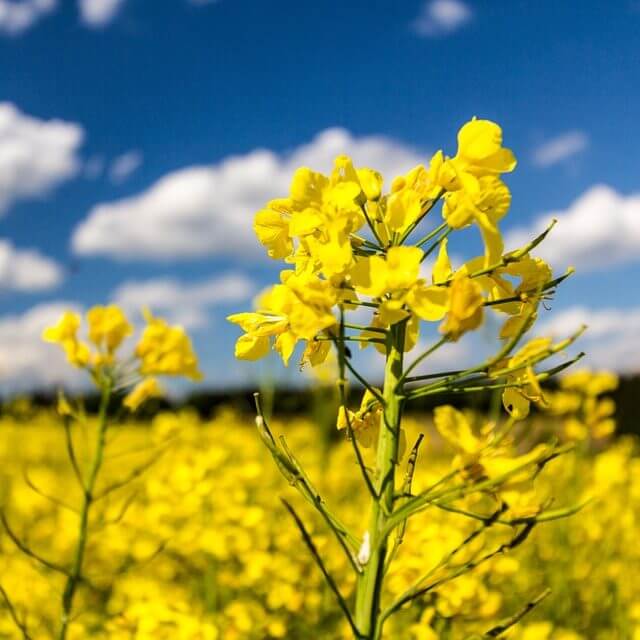
The National Farmers Union (NFU) … announced [February 7] that it has applied for emergency use of neonicotinoid seed treatments to alleviate insect pest pressure on a proportion of the English oilseed rape crop [known as rapeseed in the US].

NFU Vice President Guy Smith said:

This application recognises that, because of the neonicotinoid restrictions, pest numbers have increased in recent years to such an extent that there are now areas of the country where these seed treatments are less likely to be of benefit – areas where the pest pressure is so high that the risk of losing oilseed rape is too great and control with pyrethroids is compromised by increased pesticide resistance.

Mr Smith said over-reliance on pyrethroids, caused by the neonicotinoid restrictions, is ‘exacerbating’ this resistance problem.

Friends of the Earth (Read GLP Profile here) food and farming campaigner Sandra Bell said: “With mounting scientific evidence of the threat neonicotinoids pose to our bees, the current ban on these pesticides should be strengthened – not weakened.


The GLP aggregated and excerpted this blog/article to reflect the diversity of news, opinion, and analysis. Read full, original post: NFU applies for emergency use of neonicotinoids as OSR crop continues to decline

Producing ‘super foods’: Unlocking quinoa genome opens door to new breeding techniques

Screen Shot at AM

Scientists have successfully decoded the genome of quinoa, one of the world’s most nutritious but underutilised crops.

[P]rices for quinoa have rocketed in recent years as demand exceeded supply.

Researchers believe the genetic code will rapidly lead to more productive varieties that will push down costs.

Using a combination of techniques, the researchers have produced the highest quality quinoa gene sequence to date.

“By sequencing the genome we have provided the foundation to enable breeders to work much faster and more powerfully,” project leader Prof Mark Tester, from King Abdullah University of Science and Technology (KAUST), told BBC News.

“Especially the seeds, they will be able to develop a lot more varieties for different conditions, they will help us make a designer plant.”

The scientists believe that the genetic understanding now gained will allow them to breed shorter, stockier plants that don’t fall over as easily, and these benefits could be gained without the use of genetic modification.

They believe that these new breeds will see quinoa grown in more parts of the world – and that greater supply will push down the price.

The study has been published in the journal Nature.

The GLP aggregated and excerpted this blog/article to reflect the diversity of news, opinion, and analysis. Read full, original post: Quinoa genome could see ‘super-food’ prices tumble

Viewpoint: Scientists’ duplicity and conflicts of interest distort regulation and harm farmers

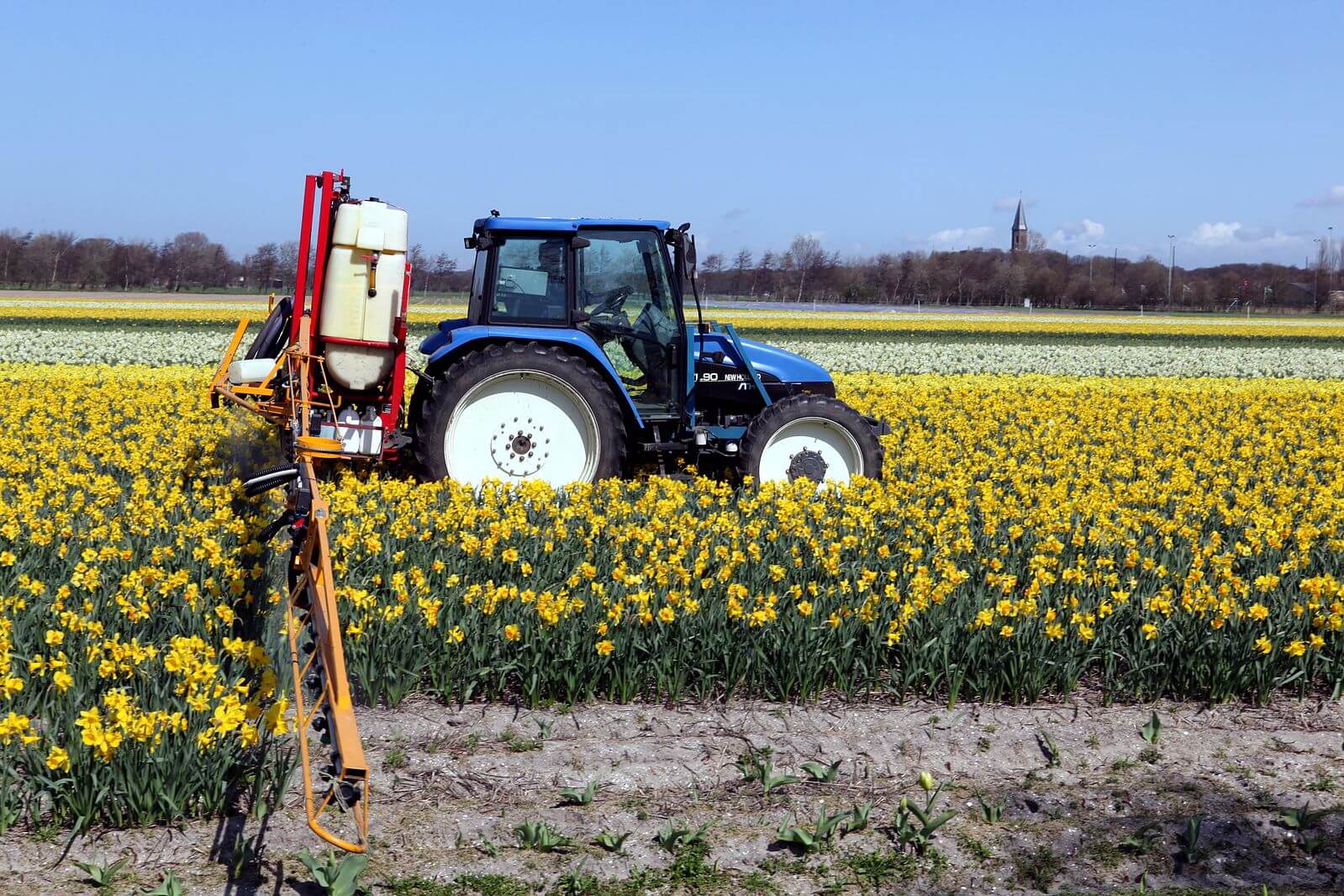
New Holland TL and field sprayer

This article originally ran at Forbes and has been republished here with permission of the author.

Scientists prostituting themselves by delivering “bespoke” scientific findings for their corporate sponsors and corrupting the scientific literature is a favorite trope of environmental and anti-industry activists. They rail against undisclosed conflicts of interest that, were they known, should exclude the individuals–and their technical expertise–from regulatory studies and deliberations, thus leaving the activists’ specious views largely unopposed.

But what if activist environmental scientists had their own conflicts of interest–undisclosed to governmental bodies or the public–so that their participation in regulatory bodies enabled them to push the positions and prescriptions of the organizations to which they were beholden? Wouldn’t that make the activists bleating about “transparency” and their pogroms against industry-connected scientists the height of hypocrisy? Wouldn’t that be an obvious and pernicious double standard?

The most recent case of undisclosed activist conflict of interest was unearthed at the end of January by investigator David Zaruk in Brussels. The case involves Gérard Arnold–a member of the scientific panel at the European Food Safety Agency (EFSA)–who helped draw up EFSA’s “Bee Guidance Document,” while concealing his ongoing leadership role in Apimondia, an anti-pesticide global federation of beekeepers’ organizations.

EFSA’s Bee Guidance Document established the testing criteria and risk thresholds for determining whether neonicotinoid pesticides (“neonics,” for short) pose a risk to bees–which are key pollinators of crops and, hence, important contributors to the world’s food supply. Neonics are state-of-the-art, human- and animal-safe pesticides, mostly applied as coatings to crop seeds and intended to be taken up into the plant to control pests that feed on crops, particularly in their tender, early weeks of growth. When they are used that way, there is minimal exposure to bees and other non-target, beneficial insects.

Originally registered as “reduced-risk” pesticides thanks to their advantageous features, neonics became controversial in recent years once they became the most widely used class of pesticides worldwide; some beekeepers in Europe and North America began blaming them for higher-than-normal rates of honeybee colony losses they were experiencing. (We now know that the honeybee health problems of recent years stem from a complex combination of factors, the most important of which are the varroa destructor parasitic mite and the dozen or so diseases that it spreads to the inhabitants of honey bee hives.)

According to Zaruk’s investigation, Arnold was found to be serving as the “coordinator” of the anti-pesticide Apimondia working group on “Adverse Effects of Agrochemicals and Bee Medicines on Bees” (designated “AWG 9,” which Arnold apparently founded in 2010) during the 2011-2013 period while he was working with EFSA on the Bee Guidance Document. In spite of being required by EFSA”s rules to disclose such a relationship, Arnold failed to do so. Later, when challenged on this omission, he claimed the Apimonida working group hadn’t met during the period of his work on the EFSA guidance document. That seemed unlikely, but when Zaruk went back to investigate, he found that Apimondia records and web pages for this period had been completely erased from the Internet and could not even be found in the usual web archives. Luckily, Zaruk was able to find individuals who had kept old Apimondia newsletters and screen captures, and from these Zaruk was able to document that Arnold had indeed been working on Apimondia’s AWG 9 during the period when he claimed that he had not.

This obvious violation might seem like nothing more than a no-harm-no-foul, record-keeping lapse–if it weren’t for the significance of the Bee Guidance Document. It provided a foundation for the European Commission’s 2013 decision to impose a supposedly “temporary” ban on neonic pesticides–a decision that has cost farmers hundreds of millions of Euros in largely avoidable crop losses–and continues to provide the basic regulatory framework on which the EU Commission is relying to make its ultimate decision on whether to make the ban permanent.

Moreover, the guidance document’s criteria for assessing neonic risks to bees create a Catch-22 situation that makes the criteria practically impossible to satisfy. To certify that a pesticide poses no risk to honey bees, the Bee Guidance Document requires that the chemical produce no more than a 7% drop in bee colony numbers, but because honey bee colonies naturally can fluctuate in size by 15% or more–due to a cold snap, for example–it is virtually impossible to show that colony fluctuations larger than 7% weren’t caused by a pesticide. Similarly, the specifications for the conduct of field studies–the most realistic test of pesticides’ effects on honey bee colonies–require a field area of some 448 square kilometers, which is four times the area of Paris, France. That condition is practically impossible to satisfy in densely populated Europe.

In other words, if consistently applied, this EFSA guidance could end up eliminating as potentially harmful virtually all crop protection products in Europe. The resulting damage to European agriculture and industry would be enormous.

Those impractical strictures may be why the EU’s member governments have refused to approve the Bee Guidance Document on multiple occasions since 2013. However, the bizarre practices of EU regulation permit EFSA to apply this unsanctioned guidance for assessing neonics’ effects on bees as if it had been approved.

But all this is only the latest chicanery in activist scientists’ efforts to promote the EU’s neonic ban:

  • In 2015, David Goulson–perhaps the most vocal and oft-quoted anti-neonic scientist–was shown to have produced research with funding from the activist group 38 Degrees that appeared predetermined to reach an anti-neonic conclusion. And last month he was at it again, co-authoring an anti-neonic report for the radical anti-everything environmentalist group Greenpeace–hardly a reliable, respectable research outlet.
  • In 2014, in a scandal dubbed “bee-gate,” investigator Zaruk revealed that scientists participating in the “Task Force on Systemic Pesticides” of the International Union for the Conservation of Nature were plotting to concoct a series of supposedly “scientific” studies, with preordained conclusions about neonics harm to bees, destined for high-profile journals, expressly to stampede the EU Commission into banning these crop protection products.
  • Investigative journalists Richard North and James Delingpole documented how, by approving an erroneous and misleading press release about EFSA’s study conclusions regarding neonic harm to bees, the French-born director of the European Food Safety Agency helped push the EU Commission into adopting its 2013 neonic ban. Her action provided cover for the previous year’s decision by France’s newly installed socialist and strongly environmentalist minister of agriculture to ban these products in France–and after the EU adopted its neonic ban, she was promptly appointed to one of the most senior posts in France’s agriculture ministry.

These political, conflict-of-interest-riddled, science-be-damned moves to install the EU’s neonic ban are relevant now for three reasons:

  • First, France’s own agriculture ministry recently released documents acknowledging that the honeybee health problems of recent years are mainly attributable to parasites–specifically varroa destructor mites–and the pathogens they spread to beehives. Pesticides are responsible for only a four percent contribution to bees’ health problems–and this includes all pesticides, even those used by beekeepers inside the hive to control for varroa mites and other parasites. This is, of course, precisely what most unbiased bee experts have long maintained, but it shows that the wall of ideological opposition to neonic pesticides is starting to crack–in the country where it all started.
  • Second, France’s Court of Cassation–its highest appeals court in civil and criminal cases–in January issued its judgement in favor of agro-chemical company and neonic manufacturer Bayer AG. The court upheld Bayer’s appeal, which had argued that French authorities had no scientific basis for banning their neonic products since they could not show a causal connection between Bayer’s product Gaucho (whose active ingredient is the neonic, imidacloprid) and harm to bees.
  • Finally, in mid-February the European Court of Justice will hear oral arguments in a lawsuit in which neonic manufacturers claim that the EU’s 2013 neonic ban was improperly decided and applied–after which it will render its verdict sometime later this year.

With all the shady dealings by anti-pesticide activists and dishonest politicians to ban neonics–evidence be damned–it’s high time for the EU’s highest court to do the right thing and strike down once and for all the EU’s corruptly procured neonic ban.

Henry I. Miller, a physician, is the Robert Wesson Fellow in Scientific Philosophy & Public Policy at Stanford University’s Hoover Institution.  He was the founding director of the FDA’s Office of Biotechnology. Follow him on Twitter @henryimiller.

Could life have emerged multiple times on Earth, in the universe?

Screen Shot at AM

How did life on Earth arise? Was it abiogenesis — the origin of living forms from non-living matter? Or was our planet merely seeded with microorganisms originating from somewhere else in the galaxy? And if the origin of Earth life was on Earth, did similar events occur on Mars, Venus, Jupiter’s moon Europa, Saturn’s moon Enceladus, and on hundreds of millions of worlds throughout the universe?

The answers to these questions — central to astrobiology and research into the origins of life — could help us in several ways. If we discovered, for example, that life forms on Europa don’t share a common origin with Earth life, this would tell us the cosmos is teeming with life. It would mean that abiogenesis is a common occurrence — since we’d have life emerging independently on two neighboring planets. But also, it would give us a new perspective on biology. That’s because all life on Earth could be assessed as a special case, a system that uses DNA as the information-storage material, and a particular language –the Genetic Code– for making use of that material to control biology.

But there’s one more dimension to the origins of life paradigm. The life that we know took hold on Earth about 3.5 billion years ago. But this does not mean that our system is the only life that emerged on Earth. Nor would it mean that our life is the only one deposited here from space. If abiogenesis happened once on Earth, indeed, if it happened here and on neighboring worlds, there’s no telling how many times it could have happened. We could be the descendants of the system of life that won out over others, either because it out-competed other systems, or because it emerged after other systems went extinct following planet-wide natural disasters.

Multiple origins perspective

In 1953, Stanley Miller and Harold Urey demonstrated that simulated lightning and ultraviolet radiation — forces present on early Earth — could stimulate conversion of simple chemicals into more complex chemicals needed to create life. Since that time, scientists have experimented with a growing number of prebiotic chemistries — systems that are not alive, but full of chemicals that life uses.

Nobody has yet observed life emerging on its own in laboratory simulations of ancient Earth, but researchers have demonstrated various parts of the puzzle. They have shown that amino acids (the building blocks of proteins) form easily. They have shown that the building blocks of DNA and RNA also form easily. Importantly, they have shown that energy-rich chemical bonds needed to support any kind of life are created easily. They have shown that lipids (fat-like chemicals) not only can form easily, but also can organize spontaneously into membranes that can enclose other types of chemicals into primitive cells.

Did life on Earth originate from somewhere else?

The last universal common ancestor can be traced back billions of years by comparison of genetic sequences of various organisms. The fossil record shows solidly that there were organisms on Earth 3.5 billion years ago that looked a lot like today’s photosynthetic bacteria. Consequently, there is little doubt among scientists that our system of life was established by that time period. However, because the pieces of the puzzle — prebiotic chemical reactions and cell membrane organization — occur easily, there’s a growing awareness that our distant, microbial ancestors may not have been alone on this planet.

There have been several mass extinction events over the last few billion years, so it is plausible that competitors of organisms with the genetic system that we inherited were wiped out. It’s also plausible that some other system of life still exists deep in the Earth’s crust. Furthermore, Earth’s surface was cool enough to support life beginning about 3.9 billion years ago and certain rocks from Greenland contain chemical isotope evidence for the presence of life 3.8 billion years ago. This means evidence related to the numbers of neutrons in the atoms of certain chemical elements. That tells you nothing about genetics, nothing about physical form. Consequently, it leaves a period of few hundred million years, on Earth at least, when there could have been life very different chemically from the life that we know, yet with no way for us to know anything about its nature.

If there could have been two kinds of life on the early Earth, it stands to reason that there could have been more than two. From there, it is logical to predict that various early biological systems could have been on Earth in that early time, and also on other worlds in the solar system.

David Warmflash is an astrobiologist, physician and science writer. Follow @CosmicEvolution to read what he is saying on Twitter.


Will – And Should – Gene Edited Animals Be Regulated?

Day Two Social Sharing Featured Image A

Alison Van Eenennaam, PhD, Animal Genomics and Biotechnology, University of California, Davis | February 8, 2017

HIGHLIGHTS:

• Gene editing method has been developed to dehorn dairy cows
• It is unclear whether gene editing will be formally regarded as animal breeding – which has not been traditionally regulated
• Gene edited animals should be evaluated on a case-by-case basis triggered by the novelty of the resulting attributes
• Regulatory frameworks should consider potential benefits of gene edited animals and the opportunity costs of precluding the use of this technology


Gene editing techniques are now being deployed by agricultural researchers to more precisely modify crops and animals without using “foreign” genes. This approach may quell some of the public skepticism of more classic transgenic products, often called GMOs. But questions remain about how these new products will be regulated.
The most dramatic advances are focused in the animal sector. Dairy cows, like those of the Holstein breed, naturally grow horns. They are often physically dehorned because they can pose a threat to other cows, as well as to farm workers handling the cattle. The team I lead at the University of California-Davis is collaborating with a company called Recombinetics, which has developed a method to produce dairy cattle that are genetically dehorned. The gene edited cattle are getting their new, horn-free alleles from the naturally hornless Angus breed to create hornless Holsteins.

Although this process mimics natural breeding in many key ways, questions remain about how or if the United States and governments around the world will regulate it. At the current time it is unclear whether gene editing of animals will be formally regulated in the same way as animals containing rDNA constructs that are the more traditional products of genetic engineering.

Animal breeding per se is not regulated by the U.S. government, although it is illegal to sell an unsafe food product regardless of the breeding method that was used to produce it. I am unaware of a unique food safety concern that has been associated with traditional animal breeding methods. Gene editing does not necessarily introduce any “foreign” rDNA or “transgenic sequences” into the genome, and many of the changes produced would be indistinguishable from naturally-occurring alleles and variations. As such, many applications will not fit the classical definition of genetic engineering.

For example, many edits are likely to alter alleles of a given gene using a template nucleic acid dictated by the sequence of a naturally-occurring allele from the same species (e.g. the “hornless” Holsteins carry a polled allele from Angus) [1]. As such, there will be no novel rDNA sequence present in the genome of the edited animal, and likewise no novel phenotype associated with that sequence. It is not evident what unique risks might be associated with an animal that is carrying such an allele given the exact same sequence and resulting phenotype would be observed in the closely-related breed from which the allele sequence was derived [2].

U.S. Regulators So Far Have Not Weighed In

Currently, the Food and Drug Administration (FDA) defines “genetically engineered (GE) animals” as those animals modified by rDNA techniques, including the entire lineage of animals that contain the modification [3]. The rDNA construct in the GE animal is considered a new animal drug and thus is a regulated article under the new animal drug provisions of the Federal Food Drug and Cosmetics Act. These two sentences are potentially contradictory as it is not clear if it is the use of rDNA techniques in the development of a product, or the presence of an rDNA construct (drug) in the product, that is the trigger for regulatory oversight. The use of rDNA techniques does not necessarily result in an rDNA construct in the animal.

It is possible that gene editing nucleases might introduce double stranded breaks at locations other than the target locus, and thereby induce alterations elsewhere in the genome [4]. Such off-target events are analogous to spontaneous mutations that occur in conventional breeding and are specifically induced in unregulated mutagenesis breeding, and can be minimized by careful selection of the guide sequence that targets the specific DNA sequence to be cut as well as the design of the gene editing reagents [5]. There are groups working on ways to rapidly identify and suppress such potential off-target effects [6]. Complete sequencing of polled calves derived from two independent cell lines to 20X coverage did not find any off-target introgression of the polled allele, nor any insertion- deletions (indels) ascribable to off-target DNA cleavage by the TALENs.[1].

Globally, governments and regulators are currently deliberating about how gene-edited animals should be regulated, if at all. It is no coincidence that there have been a slew of recent policy papers from normally unobtrusive public sector breeders and academicians from around the world discussing the need for regulation of genome editing to be science-based, proportional to risk, product focused and fit for purpose [2, 7-11].

Current Regulations of Transgenics Don’t Clearly Apply

Many agencies around the world are involved with the regulation and governance of genetically engineered animals besides the U.S. FDA, including the European Medicine Agency (EMA), the European Food Safety Authority (EFSA), and the Food and Agriculture Organization of the United Nations (FAO)/World Health Organization (WHO). The definition of a “genetically engineered” animal differs among these different agencies.

The Codex Alimentarius (Codex), or “Food Code”, was established by FAO and WHO to develop harmonized international food standards, which protect consumer health and promote fair practices in food trade. In 2008 the Codex developed the science- based “Guideline for the Conduct of Food Safety Assessment of Foods Derived from Recombinant-DNA Animals (GL68-2008)” [12] which provides internationally-recognized recommendations for assessing the nutrition and safety of food from GE animals. In that document, a “Recombinant-DNA Animal” is defined as an animal in which the genetic material has been changed through in vitro nucleic acid techniques, including rDNA and direct injection of nucleic acid into cells or organelles.

The Cartagena Protocol on Biosafety (CPB) is an international agreement which aims to ensure the safe handling, transport and use of any living modified organism. The CPB defines “Living modified organism” to mean any living organism that possesses a novel combination of genetic material obtained through the use of modern biotechnology, and specifically excludes techniques used in traditional breeding and selection.

Likewise, the EU definition of a genetically engineered organism included in Directive 2001/18/EC encompasses an “organism, with the exception of human beings, in which the genetic material has been altered in a way that does not occur naturally by mating and/or natural recombination.”.

Many applications of gene editing would result in products that have modifications that could occur by mating and/or natural recombination, and carry no novel combination of genetic material or rDNA construct. Additionally, many modifications would be indistinguishable from the naturally occurring variation that is the basis of all animal breeding programs and, in fact, evolution. The only way to tell the difference would be for the breeder to state whether the genetic variations in their germplasm was “naturally” occurring (which could include crossbreeding and mutation breeding induced by human intervention) or obtained via gene editing.

In this way it is somewhat analogous to cloning which makes an identical copy of an organism – a genetic twin. The milk, meat and eggs from cloned animals are indistinguishable from the products produced by conventionally bred animals. In the United States the FDA determined there were no unique risks associated with products derived from clones and this process is allowed to be used in animal breeding programs. Conversely, animal cloning is prohibited in some countries in the EU where the process- based regulatory approach judged the process unacceptable on ethical grounds.

Lines Blurry as to What Constitutes Genetic Engineering

Most recently the U.S. National Academy of Sciences (NAS) [13] concluded that the distinction between conventional breeding and genetic engineering is becoming less obvious. Some emerging genetic engineering technologies (like gene editing) have the potential to create novel varieties that are hard to distinguish genetically from varieties produced through conventional breeding or processes that occur in nature.

The NAS reasoned that conventionally bred varieties are associated with the same benefits and risks as genetically engineered varieties. They further concluded that a process-based regulatory approach is becoming less and less technically defensible as the old approaches to genetic engineering become less novel and as emerging processes — such as genome editing and synthetic biology — fail to fit current regulatory categories of genetic engineering. They recommended a tiered regulatory approach focused on any intended and unintended novel characteristics of the end product resulting from the breeding methods that may present potential hazards, rather than focusing regulation on the process or breeding method by which that genetic change was achieved.

Ideally gene edited animals will be considered on a case-by-case basis using such a tiered regulatory approach triggered by the novelty of the resulting attributes or phenotypes displayed by the animal. There is a need to ensure that the extent of regulatory oversight is proportional to the unique risks, if any, associated with the novel phenotypes.

Given there is currently not a single genetically engineered animal being sold for food anywhere in the world despite more than 30 years since the first genetically engineered livestock were produced in 1985, animal breeders are perhaps the group most aware of the chilling impact that regulatory gridlock can have on the deployment of potentially valuable breeding techniques.
From a personal perspective I am agnostic as to which specific breeding method I use to achieve genetic progress in my research – whichever works consistently, and enables the best rate of genetic progress is the one I would prefer to use if the regulations associated with the use of that technique are not prohibitive. Unfortunately, this has not been the case for genetic engineering for the past 20 years of my career. This has effectively precluded the use of this method in my research and by public sector breeders globally.

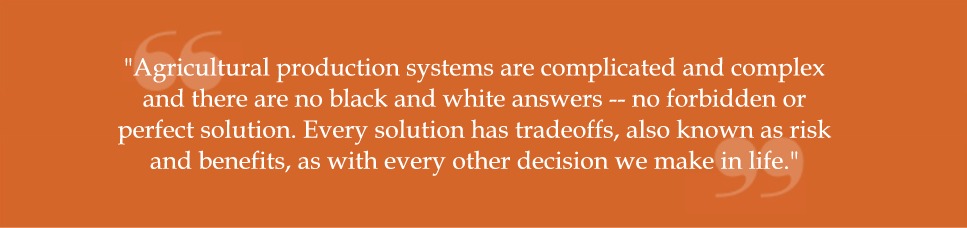
I have watched with growing frustration as the expensive regulatory system focused on the use of genetic engineering in agricultural breeding programs has wasted millions, if not billions, of dollars evaluating safe products. Those funds could have been better used to research to solve pressing agricultural problems. Agricultural production systems are complicated and complex and there are no black and white answers – no forbidden or perfect solutions. Every solution has tradeoffs, also known as risk and benefits, as with every other decision we make in life.

If regulations around gene editing ultimately work to impede the seamless integration of gene editing methods with conventional animal breeding programs, they will effectively preclude the use of this technique in such programs. Idealistically, the best regulatory approach is one that allows new technologies to be used while preventing unacceptable risks to animal and human health or the environment. Here the definition of unacceptable becomes contentious, with some arguing that any level of risk is unacceptable.

However, in a world facing burgeoning animal protein demands, it important to ensure that regulatory frameworks also appropriately consider and weigh the potential benefits of gene edited animals to global food security. Perhaps as importantly should also be a careful evaluation of the opportunity cost associated with precluding the use of gene editing technology in animal breeding programs, something that has rarely been considered for genetically engineered crops. Doing nothing by forestalling progress on potential solutions to global problems is in fact doing something, and opportunity costs should also be a consideration in the evaluation of new plant and animal varieties.

This piece was adapted by the author and expanded from A. L. Van Eenennaam. 2017. Genetic Modification of Food Animals. Current Opinion in Biotechnology.

Alison Van Eenennaam is an Animal Genomics and Biotechnology Cooperative Extension Specialist in the Department of Animal Science at the University of California, Davis. Her publicly-funded research and outreach program focuses on the use of animal genomics and biotechnology in livestock production systems. She earned her B.S. from the University of Melbourne in Australia, and both her M.S. and Ph.D. degrees were earned from the University of California, Davis, in animal science and genetics, respectively.

References

  1. Carlson DF, Lancto CA, Zang B, Kim E-S, Walton M, Oldeschulte D, Seabury C, Sonstegard TS, Fahrenkrug SC: Production of hornless dairy cattle from genome-edited cell lines. Nat Biotech 2016, 34:479-481.
  2. Carroll D, Van Eenennaam AL, Taylor JF, Seger J, Voytas DF: Regulate genome- edited products, not genome editing itself. Nat Biotech 2016, 34:477-479.
  3. Food and Drug Administration (FDA): Regulation of Genetically Engineered Animals Containing Heritable Recombinant DNA Constructs. U.S. Department of Health and Human Services; 2009.
  4. Koo T, Lee J, Kim JS: Measuring and Reducing Off-Target Activities of Programmable Nucleases Including CRISPR-Cas9. Mol Cells 2015, 38:475-481.
  5. O’Geen H, Yu AS, Segal DJ: How specific is CRISPR/Cas9 really? Current Opinion in Chemical Biology 2015, 29:72-78.
  6. Frock RL, Hu J, Meyers RM, Ho Y-J, Kii E, Alt FW: Genome-wide detection of DNA double-stranded breaks induced by engineered nucleases. Nat Biotech 2015, 33:179-186.
  7. Bruce A, Castle D, Gibbs C, Tait J, Whitelaw CB: Novel GM animal technologies and their governance. Transgenic Res 2013, 22:681-695.
  8. Camacho A, Van Deynze A, Chi-Ham C, Bennett AB: Genetically engineered crops that fly under the US regulatory radar. Nat Biotech 2014, 32:1087-1091.
  9. Conko G, Kershen DL, Miller H, Parrott WA: A risk-based approach to the regulation of genetically engineered organisms. Nat Biotech 2016, 34:493-503.
  10. Murray JD, Maga EA: Opinion: A new paradigm for regulating genetically engineered animals that are used as food. Proceedings of the National Academy of Sciences 2016, 113:3410-3413.
  11. Van Eenennaam AL, Young AE: Animal agriculture and the importance of agnostic governance of biotechnology. Agriculture & Food Security 2015, 4:1-10.
  12. Codex Intergovernmental Task Force on Foods Derived from Biotechnology: Guideline for the conduct of food safety assessment of foods derived from recombinant-DNA animals. In CAC/GL 68-2008. Edited by 68-2008 CG; 2008.
  13. NAS (National Academies of Sciences Engineering and Medicine): Genetically Engineered Crops: Experiences and Prospects. The National Academies Press.; 2016.

The Genetic Literacy Project is a 501(c)(3) non profit dedicated to helping the public, journalists, policy makers and scientists better communicate the advances and ethical and technological challenges ushered in by the biotechnology and genetics revolution, addressing both human genetics and food and farming. We are one of two websites overseen by the Science Literacy Project; our sister site, the Epigenetics Literacy Project, addresses the challenges surrounding emerging data-rich technologies.

Ghanaian researcher: Let science, not scare-mongering, guide our country’s GMO policy

wpid African women farmers e

[Editor’s note: The author is currently a Ph.D. Candidate studying Plant Science at the South Dakota State University, Brookings, USA. He is also a faculty member of Department of Crop and Soil Sciences, Faculty of Agriculture, KNUST, Kumasi.]

As scientists and researchers, we always rise to the occasion by designing solutions that meet our pressing needs. But sadly we don’t always see the positive impact of our works because of the inconsistent and shifting positions of our populist politicians on national policy.

So has been our politicians’ stance on the matter regarding the introduction of genetically modified organisms (GMOs) in Ghana.

Our politicians continue to evade the real issues warranting the need for the adoption of GMOs into our agriculture, and in doing so, inadvertently pander to the irrational and absurd demands of the anti-science scaremongers.

The mere expression of skepticism and the attempted demonization of GMOs by opponents should not be logical grounds for our politicians’ inaction in bringing the debate to finality.

[A]dopting GMOs is no panacea to our intractable food insecurity, but their acceptance and integration into our agriculture would significantly improve our chances of safeguarding our fragile national food security against unpredictable threats from invasive pests and changing weather patterns.

The GLP aggregated and excerpted this blog/article to reflect the diversity of news, opinion, and analysis. Read full, original post: Science should make the point on GMOs and not scaremongers

Are pest fighting GMO insects coming to a farm near you, impacting organic farmers?

px Drosophila melanogaster front aka

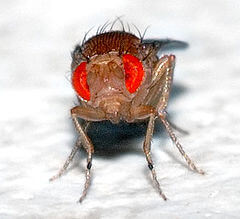
Genetic modification of insects is used to create a self-limiting population. It’s a technological successor to the Sterile Insect Technique, in use for over 50 years, in which males are sterilized by radiation. However, radiation can affect many different genes and the ability of the insects to mate. Oxitec, a spin-out of the University of Oxford, has a more precise solution in mind: a single genetic modification that only affects the viability of the offspring.

The company has already carried significant field trials, related to infectious disease control, in Brazil and the United States, with the FDA finding no evidence of negative impact.

The GLP aggregated and excerpted this blog/article to reflect the diversity of news, opinion, and analysis. Read full, original post: Could GM Insects impact the international trade of Organic Food?

Biodesign: Scientists team with artists to use synthetic biology in making everyday items

inline i slide inside the biotech startup thats bringing organism design

Synthetic biology is a rapidly growing market, expected to reach $13.4 billion by 2019. Often called…biodesign, the field is increasingly relevant to designers.

Put simply, biodesign is the intersection between biology and design: It’s a growing movement of scientists, artists, and designers that integrates organic processes and materials into the creation of our buildings, our products, and even our clothing.

Thanks to advances in computing, our machines can now read and write with DNA. When it comes to working with living organisms, we’re able to iterate faster and design with more precision. Proponents of biodesign see this as a way to build things and create products more sustainably, since living things grow and multiply with little energy, and could replace toxic materials.

The exciting thing about the emerging field of biodesign is that it is made up of both scientists and designers, and often the most significant projects are the ones that see the two disciplines partnering up.

The primary concerns with biodesign have to do with the direction the field is headed: Now that it’s possible to edit genes of diverse organisms, will we eventually edit the genome of human embryos? [T]here are also concerns about using it for harm, as with biological weapons.

The GLP aggregated and excerpted this blog/article to reflect the diversity of news, opinion, and analysis. Read full, original post: A Guide To The $13.4 Billion Biodesign Industry

‘Dark genome’ could yield answers to complex genetic diseases

mg

The mysterious majority – as much as 98 percent – of our DNA do not code for proteins. Much of this “dark matter genome” is thought to be nonfunctional evolutionary leftovers…However, hidden among this noncoding DNA are many crucial regulatory elements that control the activity of thousands of .

[In an] effort to fully map and annotate…the , including this silent majority, the National Institutes of Health (NIH)…announced new grant funding for a nationwide project to set up five “characterization centers”…to study how these regulatory elements influence gene expression and…cell behavior.

By cataloging the functions of thousands of regulatory sequences, [researchers] hope to develop rules about how to predict and interpret other sequences’ functions. This would not only help illuminate the rest of the dark matter genome, it could also reveal new treatment targets for complex genetic diseases.

“A lot of human diseases have been found to be associated with regulatory sequences,” said [Nadav Ahituv, a professor of bioengineering at UC San Francisco]. “For example, in genome-wide association studies for common diseases, such as diabetes, cancer and autism, 90 percent of the disease-associated DNA variants are in the noncoding DNA. So it’s not a gene that’s changed, but what regulates it.”

The GLP aggregated and excerpted this blog/article to reflect the diversity of news, opinion, and analysis. Read full, original post: The mysterious 98%: Scientists look to shine light on the ‘dark genome’

‘Patients in a test tube’: Precision drugs heading our way, thanks to gene editing

thecomingthi
[Gene editing] has spurred a wave of activity in the biotech sector, with several companies now offering a suite of complex gene editing services that big pharmaceutical companies are more than happy to pay for.

“It has transformed from something that is fantastically difficult to carry out into a day-to-day laboratory technology,” says Dr. Mike Mitchell, an analyst at Panmure Gordon. “It is now vital in both drug discovery and diagnostics and it’s oncology and precision medicine that are driving this.”

One such company is Horizon Discovery. … Horizon sells extremely complex genetically engineered cell lines to researchers around the world, helping them find cures for diseases like cancer.

These cells can either be made bespoke or bought off the shelf from Horizon’s portfolio. They are effectively “patients in a test tube”, explains Disley. They can be engineered to have certain characteristics, like mutations, to represent healthy or diseased patients.

This allows scientists to use the cell lines to prove a hypothesis or to test a drug to see what happens. They are also being used in diagnostic tools and genetic screening, to determine which subset of patients might benefit from a particular treatment.

“In personalized medicine now, we are narrowing it down to the genetics of small patient groups because your body is the most complex non-linear organism there is,” says Darrin Disley, [CEO of Horizon Discovery].

One day, says Disley, there will be a toolbox of drugs targeted and developed for specific types of patients.

The GLP aggregated and excerpted this blog/article to reflect the diversity of news, opinion, and analysis. Read full, original post: How gene editing is revolutionising the pharmaceuticals industry

Fighting brain cancer with weaponized human skin cells?

brain tumors fig large

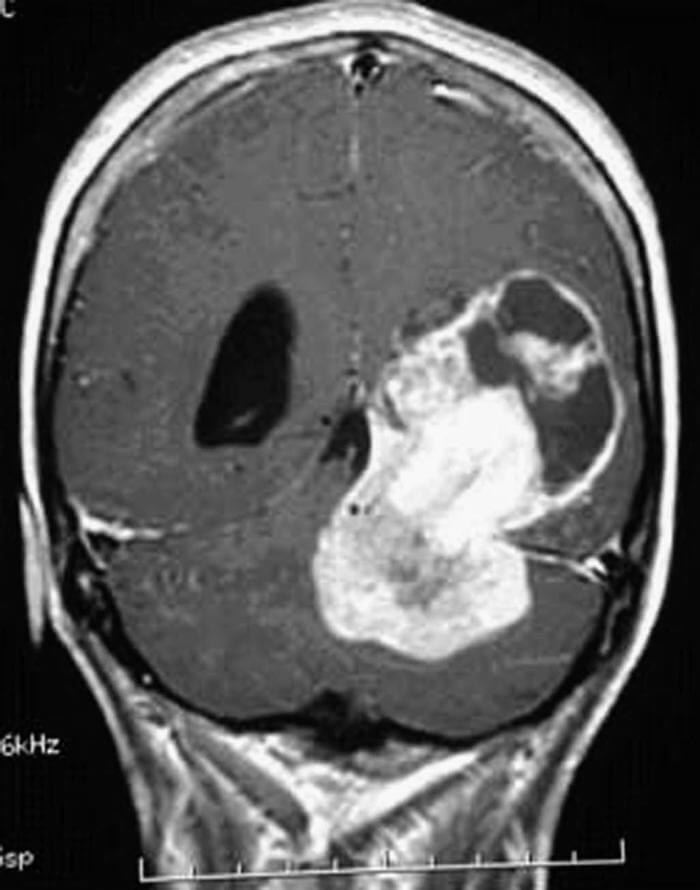
Human skin can be morphed into genetically modified, cancer-killing brain stem cells, according to a new study. This latest advance has only been tested in mice — but eventually, it’s possible that it could be translated into a personalized treatment for people with a deadly form of brain cancer.

The study builds on an earlier discovery that brain stem cells have a weird affinity for cancers. So researchers, led by Shawn Hingtgen, a professor at University of North Carolina at Chapel Hill, created genetically engineered brain stem cells out of human skin. Then they armed the stem cells with drugs to squirt directly onto the tumors of mice that had been given a human form of brain cancer. The treatment shrank the tumors and extended survival of the mice….

But if they could be modified to become cancer-fighting homing missiles, it would give patients with a deadly and incurable brain cancer called glioblastoma a better chance at survival.

“You can’t really generate a bank of neural stem cells from anybody because you have to go in and resect the brain,” says stem cell scientist Frank Marini at the Wake Forest School of Medicine….

[The study can be found here.]

The GLP aggregated and excerpted this blog/article to reflect the diversity of news, opinion, and analysis. Read full, original post: The next weapon against brain cancer may be human skin

Sleep to forget: Downtime helps our brains refine, sharpen memories

o SLEEP BRAIN facebook
[W]hile scientists have long understood that our memories rely on connections being built between neurons in our brains, it’s not been clear how sleep actually helps to consolidate that information.

Now, a pair of studies from the University of Wisconsin and Johns Hopkins University have provided evidence for another benefit to sleeping, suggesting that it allows us to ‘prune’ our memories and fine-tune the lessons we’ve learned while awake.

Over the past four years, the biologists analysed thin brain shavings from a handful of mice which had slept, another few which had been kept awake and entertained with toys, and a few more which were kept awake but unstimulated.

The scientists then measured the size and shape of some 6,920 synapses across hundreds of brain sections. Slices taken from the sleeping mice contained synapses which were 18 percent smaller than the synapses in those which were awake.

“Sleep allows the brain to reset, helping integrate, newly learned material with consolidated memories, so the brain can begin anew the next day,” explained Giulio Tononi of the University of Wisconsin’s Centre for Sleep and Consciousness….

[The two studies involved can be found here and here.]

The GLP aggregated and excerpted this blog/article to reflect the diversity of news, opinion, and analysis. Read full, original post: Scientists have figured out how our brains sharpen our memories while we sleep

Millennial libertarian: ‘Stakes too high’ for Americans to ignore scientific consensus on GMOs

Screen Shot at AM

Despite the overwhelming scientific consensus that genetically modified foods are safe for human consumption, Americans are generally distrustful of all types of GMOs. An ABC poll from last year found that more than half of Americans believe that GMO foods are unsafe. However, the relative lack of outrage over the forthcoming release of “non-browning” genetically modified apples could mean public perception of GMOs may be changing. This would be an important step towards reducing food waste, fighting global malnutrition, and helping the environment.

If American public opinion is finally turning against anti-GMO rhetoric, it is about time. There is no scientific debate about the safety of genetically modified foods; a recent Pew Research poll even found a greater scientific consensus for GMO safety than anthropogenic climate change. And as Mark Lynas of the Cornell Alliance for Science has pointed out, many of the same tactics used by climate change deniers are mirrored by the anti-GMO movement.

The stakes are too high for Americans to ignore the overwhelming scientific consensus on genetically modified food. Americans should embrace GMOs for what they are—a safe way to improve the welfare of their country and the world.

The GLP aggregated and excerpted this blog/article to reflect the diversity of news, opinion, and analysis. Read full, original post: Are We Finally Accepting the Scientific Consensus on GMOs?

Lobbying and big spending on GMO and pesticide issues escalate in Hawaii

n HAWAII FARM x

The battle over genetically modified crops is turning into one of the most expensive political debates in Hawaii’s history.

Hawaii News Now analyzed campaign contributions and lobbying expenses by both pro- and anti-GMO organizations. We found that large seed companies and their employees spent more than half a million dollars on either one or both of those efforts during the past eight years.

Anti-GMO groups spent nearly $270,000, mostly during the 2016 election season.

Those numbers don’t include the nearly $9 million that was spent by both sides on the 2014 ballot initiative that sought to place a moratorium on GMO’s grown in Maui County.

Public records show that Monsanto Hawaii was the state’s largest GMO donor, giving more than $187,000. Syngenta was next, at $53,000, followed by Dupont Pioneer, which gave $47,000.

Hawaii News Now found no evidence that any of the campaign spending was illegal.

“We participate in the political process, as public policy decisions can impact our farms and employees,” said Dan Clegg, Monsanto’s Hawaii Business Operations Lead. “Monsanto is committed to being constructive and transparent in the political process.”

Anti-GMO forces are well funded as well. Political action committees Sustainable Action Fund for the Environment and the Hawaii Center for Food Safety spent more than $200,000 over the past two years.

The GLP aggregated and excerpted this blog/article to reflect the diversity of news, opinion, and analysis. Read full, original post: Political spending soars on both sides of GMO issue

Why do people accept biotech in medicine but not GMO foods?

plantdrug

[Editor’s note: this article summarizes a paper (PAY WALL) published in the journal Annual Review of Resource Economics.]

In a paper─ The Political Economy of Biotechnology ─ Ron Herring of Cornell University and Robert Paarlberg of Harvard Kennedy School look for pushes and pulls in the material interests of advocates and opponents of these technologies … seek reasons in political structures, social behaviour and public notions of acceptable risk.

[P]ublic disapproval of genetic engineering of crop plants, despite important science academies supporting the technology, is hard to comprehend.

[T]here is no evidence of GE crops grown so far posing new risks to humans, animals or the environment.  The same public accepts drugs like insulin made with recombinant DNA technology. It discounts the risks thrown up during clinical trials. Its distrust of regulatory authorities charged with the approval of GE crops stands in contrast to its faith in medical regulators despite tragic errors: thalidomide approved for morning sickness caused birth defects in thousands of babies. What accounts for these differing standards?

Transnational environmental groups like Greenpeace have also been effective in stigmatizing GE crops as GMOs (genetically-modified organisms)

Environmentalists and private enterprise-hating leftists have also been able to paint GE technology as a conduit for corporate control of national agricultural systems.

In the case of GE crops, opponents have constructed uncertainty as risk.

Proving the absence of risk is impossible for science, the authors say.

The GLP aggregated and excerpted this blog/article to reflect the diversity of news, opinion, and analysis. Read full, original post: Explaining the Political Economy of Biotechnology Which Makes Recombinant DNA Technology Acceptable in Medicine But Not Genetic Engineering of Plant Crops

Non-browning Arctic Apple rollout foreshadows more genetically engineered fruits and vegetables

bigstock Fresh Fruits And Vegetables

Advances like gene silencing and other gene editing methods, like CRISPR technology, make biotech plant breeding cheaper and more precise than the first generation of genetically engineered crops. New technologies are also less expensive for companies when it comes to federal regulations, as the U.S. Agriculture Department and Food and Drug Administration require fewer costly tests.

Huge companies like Monsanto have dominated the industry, [Sally] Mackenzie [a plant geneticist at the University of Nebraska-Lincoln] says, in part because of the high cost of regulations. Old biotech crops were aimed at big commodities in large part because it was a sure way to recoup that investment.

Engineered plants that don’t introduce new genes don’t face the same regulatory hurdles. Groups critical of GMO technology want to see stronger regulations in order to evaluate potential long-term impacts of biotech crops on health and the environment. Federal agencies are reviewing their rules around GMOs to catch up with the technology.

Under the current regulatory structure, however, it is more economically viable, Mackenzie says, for smaller biotech companies to market their own innovations.

“So you’re going to see more and more, I think, traits coming out that are really consumer friendly, designed to respond to consumer demand,” Mackenzie says. “And for smaller markets, for the apple market which isn’t nearly as huge as, say, for the corn market.”

The GLP aggregated and excerpted this blog/article to reflect the diversity of news, opinion, and analysis. Read full, original post: A New Non-Browning Apple Foreshadows More GMOs In The Produce Section