770,000 spit samples yield genetic map of America’s post-colonial migrations

migration

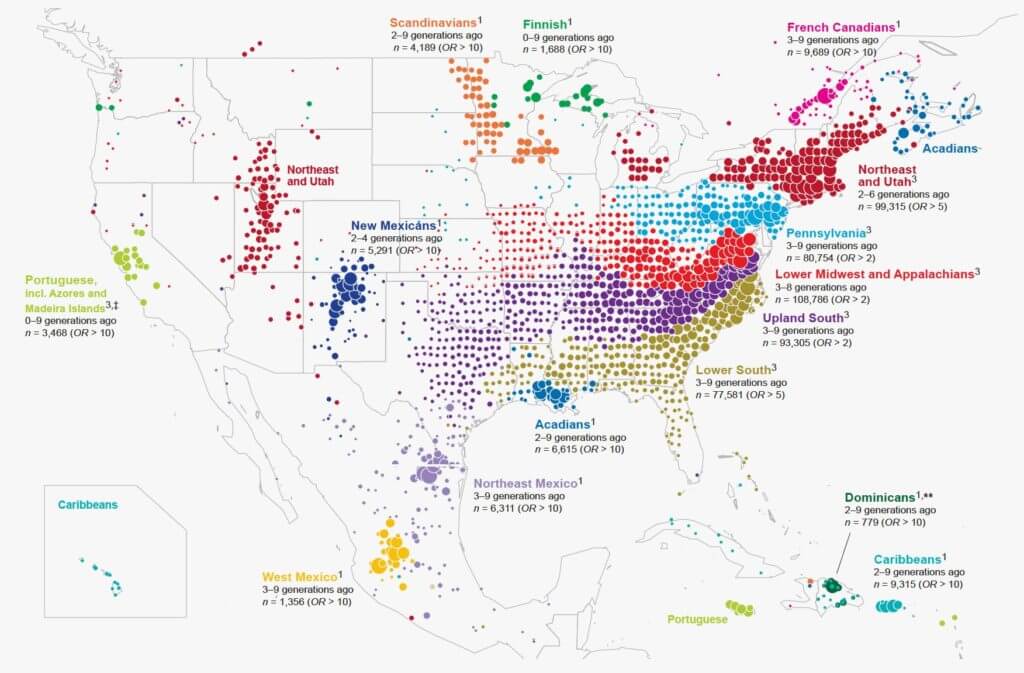
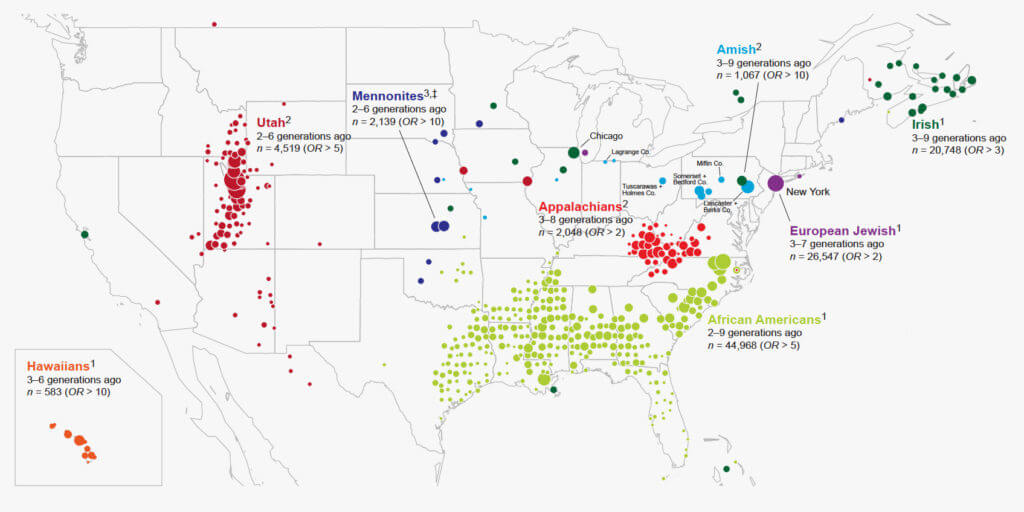
Using more than 770,000 spit samples taken from their customers over the last five years, researchers [at the genealogy company Ancestry have] mapped how people moved and married in post-colonial America. And their choices…shaped today’s modern genetic landscape.

[Catherine Ball, chief scientific officer at Ancestry and her] team of geneticists and statisticians started by pulling out subsets of closely related people from their 770,000 spit samples. In that analysis, each person appears as a dot, while their genetic relationships to everyone else in the database are sticks.

MapMigration

Ancestry’s study has real applications for medical research. A lymphoma study pulling subjects from Minneapolis shouldn’t expect to see the same results as one that recruits in Miami, for example. Populations in different parts of the country have very different genetic makeups—and those differences could be incredibly valuable to a company building personalized cancer treatments, immunotherapy drugs, and other gene-targeted therapeutics.

MapMigration

“These companies can’t tell you today who they’re going to license your data to and for what purpose,” says [Arthur Daemmrich, a healthcare historian at the Smithsonian Institute]. “They’re just trying to be the holder of the data. But if they put samples on ice and keep them frozen forever, does consent cover that?”

[The study can be found here.]

The GLP aggregated and excerpted this blog/article to reflect the diversity of news, opinion, and analysis. Read full, original post: 770,000 Tubes of Spit Help Map America’s Great Migrations

Only conspiracy theories left to challenge science consensus that GMOs are safe

GMO

I have been writing about the GMO scientific consensus for quite some time, because this scientific consensus for the safety of GMO crops is so overwhelming that it’s almost impossible to ignore.

If you accept the science of climate change, but deny the science of GMOs, then you are a science denier. It’s pretty simple. In fact, many of us think that GMO deniers are the left’s version of climate change deniers.

The scientific consensus is based only on evidence. Not politics. Not your snowflake opinion. And certainly not on your cherry picked junk science.  The scientific consensus is the collective opinion and judgement of scientists in a particular field of study.

In the past, I generally relied on a couple of august scientific bodies for this consensus, but I always get the comment, “yeah but they’re bought off by Monsanto, it only represents a couple of countries,” or any number of other logical fallacies. Thanks to an exhaustive list produced by the Credible Hulk, it’s time to review all of the world’s science organizations’ statements on the GMO scientific consensus.

The GLP aggregated and excerpted this blog/article to reflect the diversity of news, opinion, and analysis. Read full, original post: The GMO scientific consensus – it’s unequivocal and overwhelming

Battle over America’s waistline: How obesity affects having children and their health

Screen Shot at AM

It’s long been known that women who are obese or too thin have found it harder to conceive than women with a healthier weight. But a new study published in the journal Human Reproduction shows that when it comes to obesity, there is a multiplier effect when couples who are both obese try to conceive — conceiving may take from 55 to 59 percent longer.

“Our results also indicate that fertility specialists may want to consider couples’ body compositions when counseling patients,” said Rajeshwari Sundaram, a senior investigator with the National Institute of Child Health and Human Development.

This is yet another medical data point in the battle raging around this nation’s ever-expanding waistline. On one side are the social forces behind a “fat acceptance” movement seeking to normalize obesity or at least reduce discrimination against the overweight. On the other is a growing body of evidence detailing the health risks associated with extra pounds.

Obesity is a global epidemic with serious medical consequences. More than 36% of adult Americans and 17% of children and teens are obese. Compare that with the 1970s, when less than 15% of adults were obese, while the disorder was rarely seen in children. As of 2013, obesity has accounted for 1 in every 5 adult deaths in the US.

Most of the public health focus, to date, has been on the negative impacts on the obese individual. But research increasingly shows that children born to obese mothers have a significantly greater likelihood of developing a variety of diseases during their lives. They experience more distress and die earlier than children of normal-weight mothers. And even if a woman loses a considerable amount of weight before starting a family, many of the detrimental heritable effects can remain.

Maternal obesity: What the research shows

While some proponents of the fat acceptance movement downplay the health risks associated with obesity, there is a considerable body of research detailing the dangers that accompany being overweight. And now there is further research in the field of epigenetics, suggesting that obese parents can pass disease risks on to their own children. Maternal obesity, both before and during pregnancy, is associated with increased risk of non-communicable diseases, including high blood pressure, fatty liver disease, asthma, autism and diabetes. Several of the underlying processes behind these detrimental results appear to be epigenetic in nature.

According to a recent epigenome-wide association study, obesity in adults is causally linked to widespread alteration in DNA methylation, a key marker of aberrant epigenetic change. Epigenetics refers to the part of the genome that modifies cell function by silencing or activating specific genes. Where genetics is the study of variation and mutation in the genome, epigenetics is the study of changes in gene expression that occur without changes to the DNA sequence itself.

Changes in the epigenome can arise from certain types of environmental exposure, and can be beneficial or detrimental to the organism. They can also occur without having any discernible effect on one’s health. Several epigenetic changes have been shown to be heritable, and at least a portion of those linked with obesity appear to fall into this category.

plus sizeAnd as Professor Keith Godfrey, Director of the NIHR Southampton Biomedical Research Centre in Nutrition at the University of Southampton, and his team outlined in a recent article in The Lancet:

Epigenetic processes are emerging as an important mechanism through which the memory of developmental exposures is held, with pathophysiological consequences for various organs and systems. Epigenetic modifications have been proposed as a key causal mechanism linking maternal adiposity and outcomes in offspring.

And while maternal obesity may have the strongest influence on offspring, there is evidence showing that the father’s weight also can have negative effects on the metabolic and reproductive functions of children.

Fat acceptance movement may stand in the way

An oft-repeated message of the fat acceptance movement is: “My body, my business.” It’s a theme that’s supported by the rising popularity of unabashed glorifications of obesity, including this one trumpeted by Corissa Enneking, on her blog, Fat Girl Flow:

“I want to be very clear here: I am glorifying obesity. I am also 100% saying that health is subjective, and that I am under no obligation to strive for what other’s consider ‘health’ if I do not want to. Nobody is. I am glorifying obesity. … If this is a dangerous way to live, consider me born to be wild.”

Health experts argue that this ongoing effort to normalize obesity is irresponsible, given what is known about the associated health risks. Enneking — like others who choose the fat acceptance lifestyle — may never have children. But many of them will.

Interestingly, there is a flipside to the fat acceptance movement. It’s the pro-anorexia, movement. It generally promotes the idea that anorexia is not an illness, but rather an accomplishment or lifestyle choice that should be respected.

An argument could be made that if we are going to become more accepting of obesity, then we should do the same for other forms of unhealthy and disordered eating. But if we are interested in cutting societal health risk and medical costs, then we should focus more strongly on prevention.

Hope for reducing obesity

A key factor in prevention is understanding what constitutes a healthy body weight. Obesity is determined by an individual’s Body Mass Index, or BMI. A BMI of 18.5 to 25 is considered normal, while 25 to 30 is overweight, and over 30 is in the obese range. Many people aren’t even aware that they’re overweight or obese – a fact that’s unlikely to change, given the ongoing efforts to make it more socially acceptable.

In recent years, the focus of obesity prevention programs has been on decreasing caloric intake and increasing physical activity, though these are clearly not the only parts of the obesity equation. As researchers Debra Haire-Joshu, of Saint Louis University, and Rachel Tabak, of Washington University in Saint Louis, discussed in the Annual Review of Public Health:

 To prevent the intergenerational transfer of obesity and end the current epidemic, interventions are needed across the early life stages” and should continue to be directed at both males and females throughout their childbearing years.

It isn’t enough to tell a youth to eat less and exercise more. If that child or teen has a body primed for obesity-related disorders, healthy diets and gym memberships won’t erase the inherited dangers. Those harmful epigenetic alterations won’t go away – and may one day be passed on to their own children. Such an individual might benefit from more drastic interventions, like bariatric surgery or epigenetic therapy.

Mounting research in the realm of these heritable epigenetic modifications will hopefully further inform public knowledge and behavior, guide medical and government interventions, and drive public health initiatives. Scientific evidence, rather than denial, will move us toward better collective health.

Kristen Hovet is an American-Canadian journalist and writer who specializes in the areas of psychology, health, science, and the intersection of sociology and culture. Follow her on Facebook or Twitter at @kristenhovet

Will Biotechnology Regulations Squelch Food and Farming Innovation?

Social Sharing Featured Image A

Jon Entine, Executive Director, Genetic Literacy Project, oversaw the assignments and the editing of this series | February 7, 2017

INTRODUCTION:

Genetically engineered crops and animals (GMOs) have been a controversial public issue since the first products were introduced in the 1990s. They have posed unique challenges for governments to regulate. Although most working scientists in the field hold the opinion that genetic engineering, for the most part, is part of a continuum of the human manipulation of our food supply that’s gone on for thousands of years, critics contend differently.


Many crop biotechnology skeptics frame their concerns in quasi-religious terms, as a violation of “nature” or fears that the increased use of GE foods will lead to a ‘corporate takeover’ of our seed and food systems, and the adoption of an ecologically destructive ‘industrialized’ agriculture system. GMOs have become a symbol of the battle over what our global, regional and local food systems should look like going forward.

The clout of the food movement that vocally rejects many aspects of conventional farming has exponentially increased since then, promoted by mainstream journalists, scientists and non-profit groups from Michael Pollan to Consumers Union to the Environmental Working Group. Organic leaders and lobbyists, such as Gary Hirshberg, founder of Stonyfield Organics and Just Label It, openly demonize conventional food and farming in defiance of their commitments agreed to in the 1990s that organic food would not be promoted at the expense of conventional agriculture. Attempts to reign in the unchecked influence of the conventional food critics have repeatedly failed; over much of the past decade, they’ve had a sympathetic ear in Washington. Partly in response to the prevailing winds, the USDA has evolved increasingly byzantine regulatory structures when it comes to new GE products.

The Genetic Literacy Project 10-part series Beyond the Science II (Beyond the Science I can be viewed here) commences with this introductory article. Leading scientists, journalists and social scientists explore the ramifications of genetic engineering and so-called new breeding technologies (NBTs), specifically gene-editing technologies such as CRISPR. We will post two articles each week, on Tuesday and Wednesday, over the next 5 weeks.

Regulation is at the heart of this ongoing debate. Many scientists and entrepreneurs have come to view the two key agencies regulating GE in the United States — the Food and Drug Administration and Department of Agriculture — as places where ‘innovation goes to die.’ That’s an exaggeration, but not without some truth; regulations are inherently political, and the winds have been blowing against technological breakthroughs in agriculture for much of the last decade. On average, it takes upwards of $125 million and 7-10 years for the Agriculture Department to approve a trait, exhausting almost half of a new products 20-year patent protection. No wonder the agricultural sector is consolidating, and most new products are innovated by larger corporations.

The regulatory climate may be changing, perhaps radically, in the United States and possibly in the United Kingdom, as the result of recent elections.

Many of the old rules and regulations regulating GE crops were set up in the 1980s and early 1990s. They are arguably creaky, overly-restrictive and do not account for dramatic increases in our understanding of how genetic engineering works and the now clear consensus on their safety.

Now with NBTs, which are largely unregulated since the techniques were not foreseen 30 years ago when regulations were first formulated, agricultural genetic research is at an inflection point: Will governments make the same mistake that they did previously and regulate innovation almost out of existence, or will they incorporate reasonable risk-risk and risk-benefit calculations in evaluating which technological advances should proceed with limited regulations?

Decisions on these issues will shape not only food and farming in Europe, North America and the industrialized nations, but the food insecure developing world, which looks to the West for regulatory guidance.

Gene Editing and Animals

The second article in our series, by University of California animal geneticist Alison Van Eenennaam, addresses the challenges of regulating genetically engineered animals. She focuses on dehorned cows, which have been developed without gene editing over many years with, at times, less than optimal results. Should gene editing be evaluated on a case-by-case basis triggered by the novelty of the traits, or should the entire process be heavily regulated — the general approach favored by the European Union in regulating more conventional genetic engineering?

Pesticide Debate: How Should Agricultural Chemicals Be Regulated to Encourage Sustainability?

Dave Walton, an Iowa farmer, discusses the brouhaha that has erupted in recent years over the use of glyphosate, the active ingredient in the weed killer originally developed under patent by Monsanto. Many GMO critics are now expressing concerns over pesticide use in conventional agriculture, using glyphosate as a proxy for attacking the technology. Are their concerns appropriate? Walton, who grows both GE and non-GE crops and is director of the Iowa Soybean Association, has used glyphosate on his farm since the introduction of herbicide resistant crops in 1996. He uses on average a soda-sized cup of glyphosate per acre, and the use of the herbicide has allowed him to switch from more toxic chemicals. Most strikingly he discusses the sustainability impact if a glyphosate ban is imposed, as many activists are calling for.

Plant pathologist Steve Savage challenges us to think in a more nuanced way about a popular belief that organic farming is ecologically superior to conventional agriculture. The Agricultural Department has been a fractious mess in recent years in its efforts to oversee and encourage new breeding technologies. When the Clinton administration oversaw the founding of the National Organics Standards Board in 1995, USDA officials extracted the commitment from organic industry that the alternative farming system would not be promoted at the expense of conventional agriculture. After all, study after study, then and now, has established that organic farming offers no safety nor clear ecological benefits.

“Let me be clear about one thing,” said former Secretary of Agriculture Dan Glickman in December 2000. “The organic label is not a statement about food safety, nor is ‘organic’ a value judgment about nutrition or quality.”

But that’s not what’s happened.

Regulations and the ‘NGO Problem’ in Africa and Asia

While GE crops were pioneered in the United States and embraced in other western coun- tries outside of Europe, there has been resistance in regions of the world where these innovations could arguably bring the most impact: Africa and poorer sections of Asia. Ma- haletchumy Arujanan, executive director of Malaysian Biotechnology Information Centre and editor-in-chief of The Petri Dish, the first science newspaper in Malaysia, takes on the emerging Asian food security crisis posed by a parallel rise in population and living (and food consumption) standards. She reviews the successes and failures in various countries, and the effective campaigns by anti-GMO NGOs, mostly European funded, to block further biotech innovation.

Margaret Karembu, director of International Service for the Acquisition of Agribiotech Applications, Africa regional office (ISSSA) AfriCenter based in Nairobi, has found a similar pattern of mostly European-funded NGOs attempting to sabotage research and spread misinformation about the basic science of crop biotechnology. Africa is the ultimate ‘organic experiment’, and farmers have failed miserably using family agro-ecology techniques for decades. Cracks are beginning to form in the anti-GMO wall erected across the continent and there are hopes that young people will be attracted to farming, lured by the introduction of GE crops and other innovations.

Public Opinion and GMOs

Brandon McFadden, assistant professor in the Food and Resource Economics Department, University of Florida, addresses the complex views of consumers regarding innovation and GE foods. The public has a widely distorted perception of what genetic engineering entails, which helps explain why consumers remain so skeptical about technological innovation in farming.

Julie Kelly, a contributing writer to numerous publications including the Wall Street Journal, National Review and the GLP, takes on Hollywood in her analysis of the celebrity embrace of the anti-GMO movement. Who are the ‘movers and shakers’ manipulating public opinion in favor of the organic movement and against conventional agriculture? Is the celebrity-backed science misinformation campaign working?

Future of GM Research and How the Public Debate May Evolve

Paul Vincelli, extension professor and Provost’s Distinguished Service Professor at the University of Kentucky, has been perturbed about the attack on independent university researchers for working with the biotechnology industry over the years. By law, land grant university scientists are required to work with all stakeholders, particularly corporations who are developing the products used by farmers, including organic farmers. No, scientists who partner with corporations in research and product development are not ‘shills’. He rejects the knee jerk belief, advanced by many activist critics of GE crops, that corporate funding necessarily corrupts science and should be banned.

Finally, risk expert David Ropeik has an optimistic take on the future. He believes 2016 may have been a turning point in the debate over GE foods. Technology rejectionists, from Greenpeace to labeling activists, are sounding increasingly shrill and less scientific. Gene editing, he believes, could undercut claims that GE foods are unsafe because they are unnatural. He is convinced, perhaps optimistically, that GE opponents will soon be viewed as ‘science denialists.’

We will see.

Anti-GMO critics cite opinion polls and the votes of anti-GMO legislators in Europe and elsewhere as ‘proof’ that genetic engineering should be curtailed and more heavily regulated. That’s a rickety platform if one believes in science, however; science is not a popularity contest.

jon entine xThe Genetic Literacy Project is a 501(c)(3) non profit dedicated to helping the public, journalists, policy makers and scientists better communicate the advances and ethical and technological challenges ushered in by the biotechnology and genetics revolution, addressing both human genetics and food and farming. We are one of two websites overseen by the Science Literacy Project; our sister site, the Epigenetics Literacy Project, addresses the challenges surrounding emerging data-rich technologies. Jon Entine is the founder of the Science Literacy Project.

Rett syndrome, other diseases could be treated by waking silenced genes

whenextraxch

Rett syndrome…is a neurological developmental disorder and is classified as a particularly extreme form of autism. But, unlike most forms of autism, it almost exclusively shows up in girls.

[R]esearchers have been able to pinpoint the cause of the disorder — a mutation on the MeCP2 gene, carried on the X chromosome. And scientists at the Fred Hutchinson Cancer Research Center…[have reported] that they found a mechanism that could be used to treat Rett Syndrome, and possibly other diseases which are impacted by “silenced” genes  — including cancer.

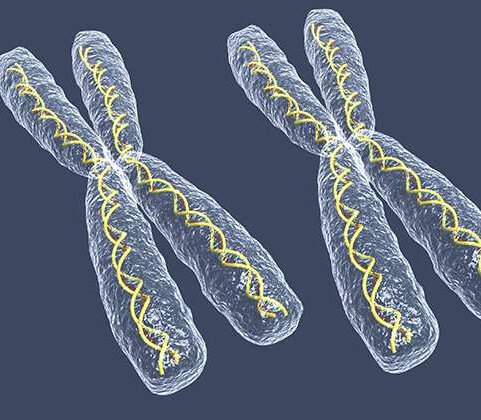
Here’s how a potential Rett Syndrome therapy would work: because female DNA has two X chromosomes, with the same genes on each, one is active and one is silenced in each cell. In girls that have Rett, only one of their X chromosomes carry that mutated gene, so about half of their active chromosomes carry it while half are normal.

“What we are trying to do here is to reactivate the silenced copy of the MeCP2 gene,” said Antonio Bedalov, a researcher at Fred Hutch who led the study.

[The study can be found here.]

The GLP aggregated and excerpted this blog/article to reflect the diversity of news, opinion, and analysis. Read full, original post: Fred Hutch researchers discover way to re-activate ‘silenced’ genes, in possible treatment for Rett Syndrome and other diseases

Molecular ‘Rosetta Stone’ could provide insight into autism

autism

Distinct sets of genetic defects in a single neuronal protein can lead either to infantile epilepsy or to autism spectrum disorders (ASDs), depending on whether the respective mutations boost the protein’s function or sabotage it, according to a new study by UC San Francisco researchers.

In studies published in 2012, 2014, and 2015, [researchers] found that de novo genetic mutations — spontaneous mutations not inherited from parents — play a role in the development of ASDs in at least 10 percent of all cases of autism, many more than previously recognized.

These studies led to the identification of 65 genes with a strong likelihood of contributing to autism when mutated and confirmed SCN2A as one of the top hits.

This study represents a first step in understanding how SCN2A mutations lead to autism and developmental delay….

“These findings solidify SCN2A’s status as one of the most important genes in autism,” said [neurophysiologist Kevin Bender, an assistant professor of neurology]. “They give us a place to start exploring exactly how changes in early brain development lead to this condition.”

[The study can be found here.]

The GLP aggregated and excerpted this blog/article to reflect the diversity of news, opinion, and analysis. Read full, original post: Autism Researchers Discover Genetic ‘Rosetta Stone’

Annoyed by loud chewing? It may be all in your brain

french food good manners

Misophonia, a disorder which means sufferers have a hatred of sounds such as eating, chewing, loud breathing or even repeated pen-clicking, was first named as a condition in 2001.

Over the years, scientists have been skeptical about whether or not it constitutes a genuine medical ailment, but now new research led by a team at the U.K.’s Newcastle University has proven that those with misophonia have a difference in their brain’s frontal lobe to non-sufferers.

[S]cientists said scans of misophobia sufferers found changes in brain activity when a ‘trigger’ sound was heard. Brain imaging revealed that people with the condition have an abnormality in their emotional control mechanism which causes their brains to go into overdrive on hearing trigger sounds. The researchers also found that trigger sounds could evoke a heightened physiological response, with increased heart rate and sweating.

“For many people with misophonia, this will come as welcome news as for the first time we have demonstrated a difference in brain structure and function in sufferers,” Dr Sukhbinder Kumar, from the Institute of Neuroscience at Newcastle University.

[The study can be found here.]

The GLP aggregated and excerpted this blog/article to reflect the diversity of news, opinion, and analysis. Read full, original post: Does the Sound of Noisy Eating Drive You Mad? Here’s Why

‘Window of opportunity’ to treat thyroid disease: Genetically modified stem cells

c bed ac d b cebe bb mv

Scientists have found a way to efficiently engineer new thyroid cells from stem cells. The discovery, performed in mice, is the first step toward engineering new human thyroid cells in order to better study and treat thyroid diseases.

The thyroid is a gland in the middle of the lower neck. Although only small, it produces hormones that reach every cell, organ, and tissue to help control metabolism…It is thought that around 20 million people in the United States are living with some form of thyroid disease, the causes of which are largely unknown.

In their study, the researchers found a way to coax genetically modified embryonic stem cells from mice to develop into thyroid cells.

They discovered a small time-frame during which the Nkx2-1 gene is switched on that converts the majority of the stem cells into thyroid cells.

Researchers believe that the discovery is the first step toward an effective human stem cell protocol for creating research models and new treatments for thyroid diseases. The principle may also apply to other cell types, they add.

[The study can be found here.]

The GLP aggregated and excerpted this blog/article to reflect the diversity of news, opinion, and analysis. Read full, original post: Engineering thyroid cells from stem cells may lead to new therapies

Races mingling, mixing faster than ever, and that makes us genetically stronger

diversity

Recent insights from the sequencing of hundreds of thousands of human genomes in the past decade have revealed that our species’ history has been punctuated by many episodes of migration and genetic exchange. The mixing of human groups is nothing new.

What is new is the rate of mixing currently underway. Globalization means that our species is more mobile than ever before. International migration has reached record highs, as has the number of interracial marriages, leading to a surge of multiracial people…This reshuffling of human populations is affecting the very structure of the human gene pool.

A distinct advantage of this blending is that beneficial traits present in one population can make their way into the other. For instance, should a mutation appear somewhere in southeast Asia that provides protection against the Zika virus, it wouldn’t help those facing the current outbreak in South and Central America. Yet if someone with the mutation moved to South America and established a family there, the mutation could save lives and hence be passed to future generations.

[W]e can choose to limit our capacity for ongoing biological adaptation in an effort to remain ever the same by keeping populations isolated…Alternatively, we can embrace immigration and globalization in an effort to position ourselves for a brighter future.

[T]he reshuffling of populations that results from the movement of people around the world will continue to shape the structure of our gene pool – and, by extension, our future evolution – for many generations to come.

The GLP aggregated and excerpted this blog/article to reflect the diversity of news, opinion, and analysis. Read full, original post: The future is mixed-race

As food insecurity rises in Zimbabwe, so do calls to repeal GMO ban

gpi e

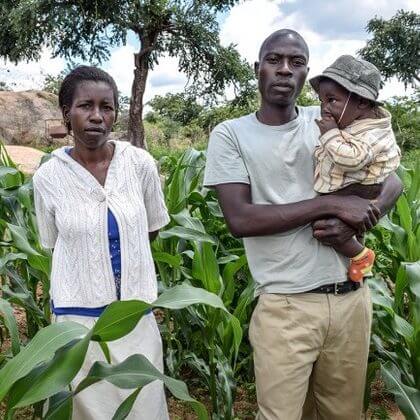
Food is scarce in [Domboshava]…

Weather changes, including harsher winters and shorter rainy seasons, have compromised the earth’s soil so that it cannot sustain crops as it once did. The problem is compounded by the fact that the government has since 2006 banned the import of all genetically modified produce and the use of seeds enhanced with genetically modified organisms, known as GMOs.

“We are not picky when it comes to receiving GMO or non-GMO food,” [Spiwe] Mucharanji, [the home mother at the Tariro Orphanage Trust,] says. “The situation is unbearable.”

Rates of food insecurity have risen rapidly in recent years, with an increase from 1.5 million people (16 percent of the population) … according to initial May 2015 estimates, to 2.8 million people (30 percent of the population) … according to later estimates for that same point in time, according to the Zimbabwe Vulnerability Assessment Committee’s July 2016 report.

But for many Zimbabweans, the [legality of GMOs] isn’t worth discussing when they’re struggling to find any food at all.

“You walk into the shop and choose what to buy based on affordability,” says Robin Maenzanise, who is unemployed.

Most people don’t know the difference between GMO and non-GMO products, he says. They’re just struggling to feed their families.

The GLP aggregated and excerpted this blog/article to reflect the diversity of news, opinion, and analysis. Read full, original post: Despite Rise in Hunger, Zimbabwe Continues Ban on Some Genetically Modified Products

Podcast: British scientist defends field trials of high-yield GMO wheat

a farmer tends to a wheat farm in the el dakahlia governorate north of cairo egypt february reutersmohamed abd el ghany e

[Editor’s note: Listen to the full interview here.]

Genetically modified crops may be in regular use by farmers in the United States, but introducing the food to Europe has provoked opposition, notably from campaigners who argue it is a danger to human health. GM crops are banned in France and Germany.

Opponents are worried about the threat to traditional seeds, a lack of long-term impact studies and fears about the influence of multi-national food businesses.

Regulators in Europe are trying to convince consumers that GM crops are safe and the UK has decided to allow a strain of genetically modified wheat to be grown in a field trial this year. Scientists have engineered the plant to make better use of sunlight, which has boosted the crop yield by 40% in greenhouse trials.

So is the UK moving closer to encouraging farmers to grow GM crops?

We hear from Dr Malcolm Hawkesford, at Rothamsted Research, the company that has developed the wheat and Liz O’Neill, a director of GM Freeze, which campaigns against genetically modified crops.

The GLP aggregated and excerpted this blog/article to reflect the diversity of news, opinion, and analysis. Read full, original post: Is genetically modified wheat safe?

GMO ban in Chinese province highlights major difference between public and government on biotech crops

GM crop e

Heilongjiang province, the bread basket of north-east China, has banned the planting of genetically modified (GM) crops – the country’s first such ban at the provincial level. Given that Heilongjiang produces one tenth of China’s staple food crops, the move has sparked controversy and raised questions about the future of GM foods policy in the world’s biggest consumer market.

China has neither officially approved the planting of GM corn, rice or soya nor banned it outright. So far, no GM staple crops have been granted a license for commercial planting. However, China does allow the import of 80 different types of GM product for use in food processing, and large quantities of GM corn and soya are regularly imported.

China’s Food Safety Law currently requires that GM food products be clearly labelled but lax law enforcement means that cheap unlabelled imported soya is dominating the Chinese market and damaging the interests of non-GM soya farmers and processors.

So far there are no signs that China’s central government objects to Heilongjiang’s move. But it is worth noting that Beijing is promoting the commercialisation of GM crops.

The GLP aggregated and excerpted this blog/article to reflect the diversity of news, opinion, and analysis. Read full, original post: Local and central government differ over GMO policy

Insect-resistant GMO Bt rice poses ‘negligible risks’ to non-target species, study finds

Weevils Rice Bugs

Transgenic Bt rice expressing the insecticidal proteins derived from Bacillus thuringiensis Berliner (Bt) have been developed since 1989. Their ecological risks toward non-target organisms have been investigated, however, these studies were conducted individually, yielding uncertainty regarding potential agroecological risks associated with large-scale deployment of Bt rice lines. Here, we developed a meta-analysis of existing literature to synthesize current knowledge of the impacts of Bt rice on functional arthropod guilds, including herbivores, predators, parasitoids and detritivores in laboratory and field studies. Laboratory results indicate Bt rice did not influence survival rate and developmental duration of herbivores, although exposure to Bt rice led to reduced egg laying, which correctly predicted their reduced abundance in Bt rice agroecosystems. Similarly, consuming prey exposed to Bt protein did not influence survival, development or fecundity of predators, indicating constant abundances of predators in Bt rice fields. Compared to control agroecosystems, parasitoid populations decreased slightly in Bt rice cropping systems, while detritivores increased. We draw two inferences. One, laboratory studies of Bt rice showing effects on ecological functional groups are mainly either consistent with or more conservative than results of field studies; and two, Bt rice will pose negligible risks to the non-target functional guilds in future large-scale Bt rice agroecosystems in China.

The GLP aggregated and excerpted this blog/article to reflect the diversity of news, opinion, and analysis. Read full, original post: Does Bt rice pose risks to non-target arthropods?― Results of a meta-analysis in China

Here’s the truth about the non-browning Arctic Apple

dt common streams StreamServer

[Editor’s note: The story is a response to a February 2, 2016, post on STAT news written by a campaigner with the group Friends of the Earth (read GLP profile here).]

[Author Dana Pearls wrote] that “Gene-silenced Arctic apples that do not turn brown when exposed to air, even when rotten, will be sold in stores in the Midwest this week.” Except Arctic Apples do turn brown when rotten.

Stat News is hardly the first to get Arctic Apple facts wrong. Dr. Oz, for one, pushed misinformation on the apple in a 2015 segment…

Typical objections to Arctic Apples include run-of-the-mill concerns over GMOs, like unintended consequences of genetic engineering, and food system ills that often get illogically lumped in.

As my co-author and I explained in a Slate article on Oz’s segment on the apples, the doctor doesn’t “understand that the entire apple industry owes the diversity of varieties to different gene expression patterns. A Golden Delicious apple looks and tastes different from a Red Delicious because different apple genes are expressed. Recent genomic sequencing shows there are about 57,000 genes in the Golden Delicious apple.” There is only one change with Arctic Apples, and there are no novel proteins and no effect on the fruit other than its non-browning traits

The GLP aggregated and excerpted this blog/article to reflect the diversity of news, opinion, and analysis. Read full, original post: Misconceptions Continue About The Non-Browning Apples Coming To A Store Near You

Health care, energy, food could be transformed by synthetic biology

synthetic

[Editor’s note: Excerpts are taken from an interview with three experts in the field of synthetic biology: David Berry, general partner at Flagship Ventures; Andras Forgacs, cofounder and CEO of Modern Meadow; and Ellen Jorgensen, molecular biologist and executive director of Genspace.]

Synthetic biology builds upon genetic engineering—something that has been around for 30 years and the results of which are everywhere in our daily lives…Genetic engineering adds new DNA to an organism, and synthetic biology is similar. The end goal of both is to edit the DNA code of an organism in order to do something useful. Synthetic biology, however, allows the standardization and automation of the process, making it more precise and faster.

Synthetic biology aims to take this a step further by making the pieces of DNA easier to assemble, effectively modularizing them. Then you can build what you need much more quickly, accurately, and at scale.

Medicine is of course an important frontier. Perhaps one of the earliest breakthroughs for synthetic biology was making artemisinin for treating malaria…Outside medicine, there have been lots of attempts to disrupt the fuel industry with biofuels, although low oil prices have slowed that down.

The capabilities of synthetic biology are getting us to the point where we can start imagining and effecting ways to create real impact, such as more nutritious crops that thrive with less water, land, and energy…and on land that otherwise would not support intensive farming.

The GLP aggregated and excerpted this blog/article to reflect the diversity of news, opinion, and analysis. Read full, original post: Exploring the disruptive potential of synthetic biology

New GMO corn study: ‘Transgenic maize is as safe and nutritious as conventional non-transgenic maize’

GMO Corn

[Editor’s note: Researchers studied the impact of GMO corn on rats in a 90-day feed study. For background on GMO safety and rat studies, read coverage of the widely-criticized rat study by French scientist Gilles-Éric Séralini purporting to show the negative health effects of GMOs on rats here, here and here.]

Results from body weights, feed consumption, clinical chemistry, hematology, absolute and relative organ weights indicated no treatment-related side effects of GmTMT maize grain on rats in comparison with rats consuming diets containing Zhen58 maize grain. In addition, no treatment-related changes were found in necropsy and histopathology examinations. Altogether, our data indicates that GmTMT transgenic maize is as safe and nutritious as its conventional non-transgenic maize.

The GLP aggregated and excerpted this blog/article to reflect the diversity of news, opinion, and analysis. Read full, original post: A 90-day toxicity study of GmTMT transgenic maize in Sprague-Dawley rats (PAY WALL)

Talking Biotech: Why broccoli, collard greens, kale and other brassica are like dog breeds

brassica family

Did you know that broccoli, kale, kohlrabi, brussels sprouts, cauliflower and cabbage are all the same species? Just like dogs are highly-diverse members of the same species descended from a common ancestor, the members of Brassica oleracea also share a common genetic origin. In this episode I’m joined by  J. Chris Pires and his graduate students Makenzie Mabry and Shawn px Brassica oleraceaAbrahams from the University of Missouri. We discuss the genetic origins of these crops, their evolution and genetic improvement trends.

Follow them on Twitter at @KenzieMabry @AbrahamsRS @JChrisPires

And via the website https://pires.biology.missouri.edu/


Follow the Talking Biotech Podcast at @TalkingBiotech

Follow Kevin Folta on Twitter @kevinfolta | Facebook: Facebook.com/kmfolta/ | Lab website: Arabidopsisthaliana.com | All funding: Kevinfolta.com/transparency

Stitcher | iTunes | Player FM | TuneIn

Visit Kevin Folta’s Talking Biotech

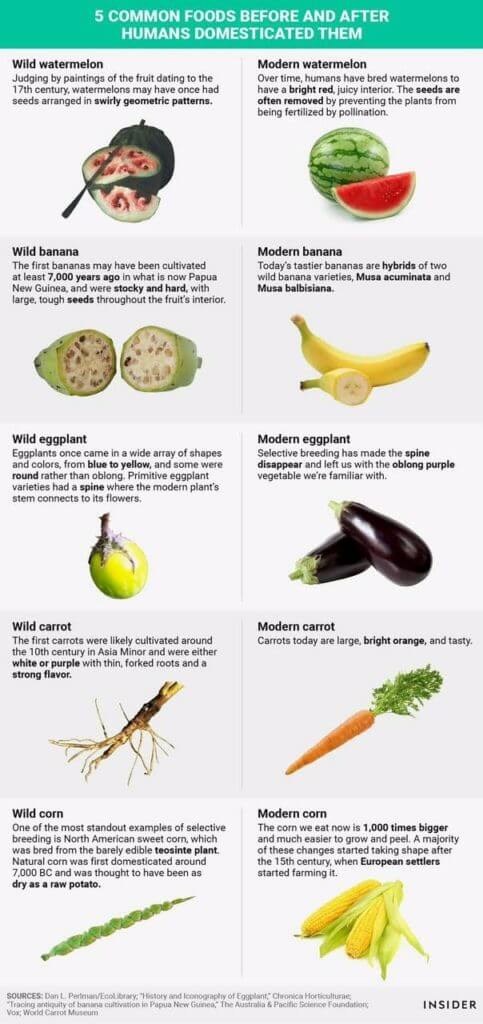
Infographic: 5 popular foods genetically modified by humans–before GMOs

Screen Shot at PM e

Have you ever wondered what it would be like to eat a completely “natural” diet? Well, for starters, you wouldn’t be able to eat any of the crops developed through conventional breeding methods. That means virtually every fruit and vegetable in your local supermarket, because they have been genetically modified over centuries and millennia by humans selectively breeding for traits such as taste, yield, resistance to pests, durability, duration of life cycle, and more. Over time, and lots of trial and error, this meticulous process has transformed wild plants into the foods we now know as “watermelon,” “bananas,” “corn,” and so on. But what did these common fruits and vegetables look like in their wild, “natural” state? Check out the helpful infographic below, which is based on a 2014 Genetic Literacy Project graphic. [Modern genetic engineering can do this work much more quickly, and more precisely.

The GLP aggregated and excerpted this blog/article to reflect the diversity of news, opinion, and analysis. Read full, original post: What 5 popular fruits and veggies looked like before — and after — we domesticated them

14 new childhood developmental disorders identified

toxins and developmental disorders causes x

The largest-ever genetic study of children with previously undiagnosed rare developmental disorders has discovered 14 new developmental disorders…[T]he research led by scientists at the Wellcome Trust Sanger Institute also provided diagnoses of rare conditions for over a thousand children and their families.

There are over 1,000 recognized genetic causes, however many individual developmental disorders are so rare that the genetic causes are not known. The Deciphering Developmental Disorders (DDD) study aims to find diagnoses for children with as yet unknown developmental diseases, and demonstrate that new genomic technologies can provide improved diagnostic tests.

Overall, the researchers estimated that for 42 percent of the children in the study, a new mutation in a gene important for healthy development is likely to be the underlying cause of their condition.

From this, the researchers calculated that nearly 400,000 of the 140 million annual births across the world will have a developmental disorder caused by a spontaneous new mutation that is not carried by either parent.

[The study can be found here.]

The GLP aggregated and excerpted this blog/article to reflect the diversity of news, opinion, and analysis. Read full, original post: Genetic study identifies 14 new developmental disorders in children