Random acts of kindness may be fueled by microbes

this interaction between a guatemalan girl and a tourist she just met

Why do people commonly go out of their way to do something nice for another person…and how could such altruistic behavior have evolved? The answer may not just be in our genes, but also in our microbes.

[R]esearchers…at Tel-Aviv University in Israel have theoretically shown that could influence their hosts to act altruistically.

It’s already well-known that microbes can affect the behavior of their hosts…Research has also shown that the microbiome…can even manipulate the hosts’ social behavior by infecting neurons and altering neurotransmitter and hormone activity.

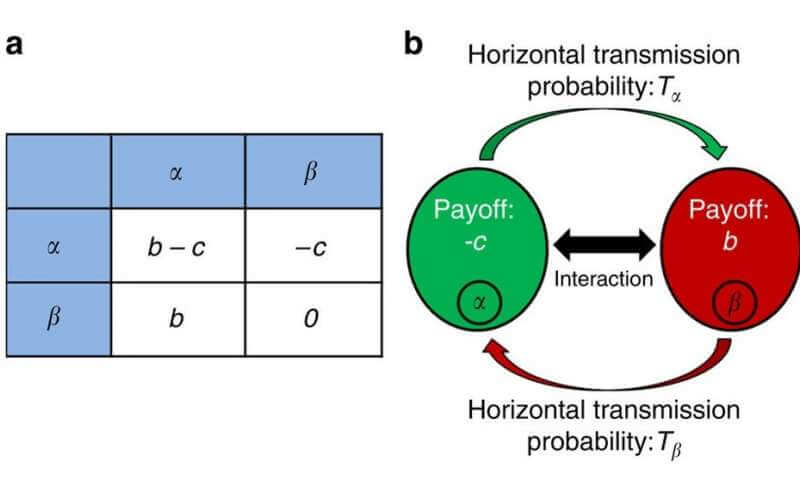
Against this backdrop, the researchers in the new study have proposed that microbes may induce a person to help others because the close physical contact (for example, food-sharing, co-sheltering, and grooming) increases the transmission of the microbes from one person to another. So when someone does something nice for us, we are not just the recipient of a kind act, but also of their microbes.

The results [of various simulations] showed that, as long as horizontal transmission (between individuals) of microbes is allowed, altruism-inducing microbes can take over the population, leading to microbe-induced altruism. This result occurs even when only a very small percentage of the initially carries these altruism-inducing microbes.

microbeinduc
(Left) The payoff matrix and (right) an illustration of horizontal transmission probability of microbes between hosts. Using this model, researchers have found that microbes may induce their hosts to help other hosts, benefitting the microbes and the other hosts, but not always the original hosts. Credit: Lewin-Epstein et al. Nature Communications.
[The study can be found here.]

The GLP aggregated and excerpted this blog/article to reflect the diversity of news, opinion, and analysis. Read full, original post: Microbes may encourage altruistic behavior

Modern East Asians, unlike Europeans, very genetically similar to their ancestors

Chinese people

For the first time, scientists have been able to extract DNA from ancient East Asian bones and compare it to the DNA of the people there today. It turns out that modern East Asians, unlike Europeans, are very genetically similar to their ancestors….

About 40 years ago, the Soviets excavated the 7,700-year-old remains of two women…from a cave in the Amur Basin, an area near the border of Russia and northern China. Now, a team of researchers…has extracted and sequenced the genetic data from those Stone Age bones. The results…show that these women’s DNA is roughly 65 percent similar to that of the Ulchi people, who live in the Amur Basin today. Importantly, they’re also pretty genetically similar to today’s Japanese and Koreans, who live further south. That tells us that there likely weren’t any big Asian migrations in at least the last 7,000 years.

[Unlike with Europeans, the] genetic match between modern and ancient Asians suggests that the Asian ancestors stayed put…That could mean that farming, for example, developed there independently of how it developed in other places in the world.

[The study can be found here.]

The GLP aggregated and excerpted this blog/article to reflect the diversity of news, opinion, and analysis. Read full, original post: Today’s East Asians are very genetically similar to their ancient ancestors

20 years after Dolly the sheep, human cloning is no closer

dolly

On July 5, 1996, after 276 failed attempts, a team of scientists at the Roslin Institute at the University of Edinburgh achieved something remarkable: They managed to clone a sheep.

After seeing her, the media went wild, quickly inciting hysteria about what would come next. If scientists knew how to clone a sheep, how soon would it be before they started cloning humans?

Over the last two decades, a number of different animals have been cloned in the same way—cows, horses, cats, dogs, pigs…. Despite the success in cloning various mammals through nuclear transfer, cloning is still very difficult to pull off. The process is prone to introducing genetic errors, which results in many cloned offspring dying young.

These days, Alta Charo, a professor of law and bioethics at the University of Wisconsin, said no one is really researching reproductive cloning for humans. It’s simply too inefficient and error prone to make it worthwhile. Some researchers have suggested cloning technology could be used to rebirth lost children or prevent disease, but Charo said no one has filed an application with the Food and Drug Administration to get started on this kind of research.

The GLP aggregated and excerpted this blog/article to reflect the diversity of news, opinion, and analysis. Read full, original post: Twenty Years After Dolly the Sheep, We’re No Closer to Cloning Humans

Global GMO food market expected to reach 130 million tons by 2021

Cornheap e

As, the demand for GMO food is on a continuous rise, stacked traits, a mix of more than one transgene, is expected to see the highest growth when compared to Herbicide Tolerance (HT) and Insect Resistance (IR).

The global genetically modified organism’s food market will grow at a compound annual growth rate (CAGR) of 3.2% by the end of 2021. The production of genetically modified crops will increase from 112 million tons in 2015 to 130 million tons in the year 2021.

North America was the largest market for genetically modified food market in the year 2014. Currently in the U.S, 86% of corn, 93% of soybean and 90% of cotton are genetically engineered. However, in Canada only four kinds of GM crops are grown; corn, soy, canola, sugar beet.

At present, Europe imports approximately 60 GM products from other countries, especially maize, soy bean, cotton and sugar beet. In addition to that, Seventeen new genetically modified food items have been given a green signal to be imported in Europe.

The GLP aggregated and excerpted this blog/article to reflect the diversity of news, opinion, and analysis. Read full, original post: Genetically Modified (GMO) Food Market to reach 130 million tons by 2021

Sustainability: ‘Organic farming should embrace blight–resistant genetically engineered potato’

Screen Shot at AM

[Editor’s note: This journal article is written by Godelieve Gheysenat, molecular geneticist, Ghent University in Belgium, and René Custers, regulatory and responsible research manager, VIB Flemish Institute of Biotechnology in Ghent, Belgium.]

The EU regulation on organic farming does not allow the use of genetically modified organisms (GMOs)…

[W]hy obstruct a cisgenic potato crop that can hardly be distinguished from a potato crop that is the result of conventional breeding?

[O]ur knowledge of plant genome evolution and breeding has increased dramatically. We now know that breeding is more unpredictable and causes more genome disruption than genetic engineering.

Recent field trials have shown the efficacy of cisgenic late blight–resistant potatoes carrying multiple resistance genes. Large-scale growing of such durably resistant potatoes would not only be environmentally beneficial by … strongly reducing the need for fungicide sprays in conventional potato cultivation … it would also reduce the disease pressure in organic potato cultivation.

Novel crop varieties should be subject to a case-by-case risk assessment independent of the method used for their development as there is no scientific basis for making a distinction between conventional breeding versus more modern techniques to create additional genetic variation. Many current and future GM plants can also not be distinguished from plants obtained by traditional breeding methods. Acceptance of plants resulting from these modern techniques in organic agriculture will probably be a bridge too far. However, in cases where the end product does not differ in a meaningful way from what can be achieved using traditional breeding methods, opposition by the organic movement to their use in conventional agriculture is difficult to understand, especially in those cases where they could help achieve true resilience in plants and help farmers to obtain a good healthy harvest without chemicals and maintaining a healthy soil, in line with many of the principles of organic farming.

The GLP aggregated and excerpted this blog/article to reflect the diversity of news, opinion, and analysis. Read full, original post: Why Organic Farming Should Embrace Co-Existence with Cisgenic Late Blight–Resistant Potato

New GMO corn study: ‘Transgenic maize is as safe and nutritious as conventional non-transgenic maize’

GMO Corn

[Editor’s note: Researchers studied the impact of GMO corn on rats in a 90-day feed study. For background on GMO safety and rat studies, read coverage of the widely-criticized rat study by French scientist Gilles-Éric Séralini purporting to show the negative health effects of GMOs on rats here, here and here.]

Results from body weights, feed consumption, clinical chemistry, hematology, absolute and relative organ weights indicated no treatment-related side effects of GmTMT maize grain on rats in comparison with rats consuming diets containing Zhen58 maize grain. In addition, no treatment-related changes were found in necropsy and histopathology examinations. Altogether, our data indicates that GmTMT transgenic maize is as safe and nutritious as its conventional non-transgenic maize.

The GLP aggregated and excerpted this blog/article to reflect the diversity of news, opinion, and analysis. Read full, original post: A 90-day toxicity study of GmTMT transgenic maize in Sprague-Dawley rats (PAY WALL)

Talking Biotech: Why broccoli, collard greens, kale and other brassica are like dog breeds

brassica family

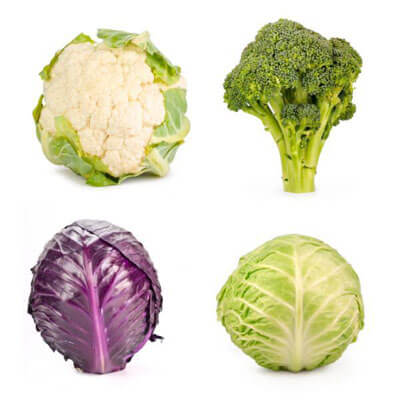
Did you know that broccoli, kale, kohlrabi, brussels sprouts, cauliflower and cabbage are all the same species? Just like dogs are highly-diverse members of the same species descended from a common ancestor, the members of Brassica oleracea also share a common genetic origin. In this episode I’m joined by  J. Chris Pires and his graduate students Makenzie Mabry and Shawn px Brassica oleraceaAbrahams from the University of Missouri. We discuss the genetic origins of these crops, their evolution and genetic improvement trends.

Follow them on Twitter at @KenzieMabry @AbrahamsRS @JChrisPires

And via the website https://pires.biology.missouri.edu/


Follow the Talking Biotech Podcast at @TalkingBiotech

Follow Kevin Folta on Twitter @kevinfolta | Facebook: Facebook.com/kmfolta/ | Lab website: Arabidopsisthaliana.com | All funding: Kevinfolta.com/transparency

Stitcher | iTunes | Player FM | TuneIn

Visit Kevin Folta’s Talking Biotech

Infographic: 5 popular foods genetically modified by humans–before GMOs

Screen Shot at PM e

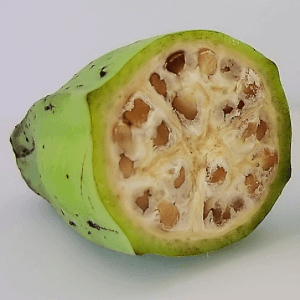
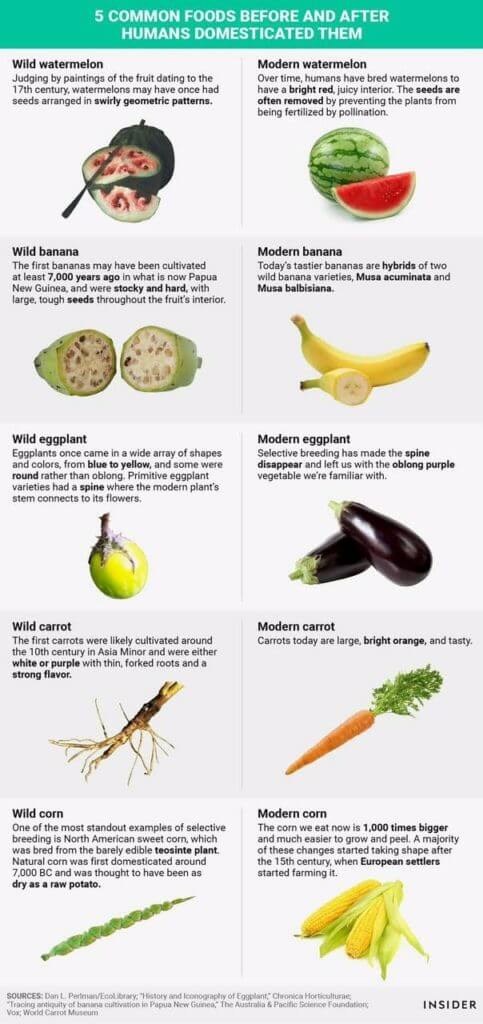
Have you ever wondered what it would be like to eat a completely “natural” diet? Well, for starters, you wouldn’t be able to eat any of the crops developed through conventional breeding methods. That means virtually every fruit and vegetable in your local supermarket, because they have been genetically modified over centuries and millennia by humans selectively breeding for traits such as taste, yield, resistance to pests, durability, duration of life cycle, and more. Over time, and lots of trial and error, this meticulous process has transformed wild plants into the foods we now know as “watermelon,” “bananas,” “corn,” and so on. But what did these common fruits and vegetables look like in their wild, “natural” state? Check out the helpful infographic below, which is based on a 2014 Genetic Literacy Project graphic. [Modern genetic engineering can do this work much more quickly, and more precisely.

The GLP aggregated and excerpted this blog/article to reflect the diversity of news, opinion, and analysis. Read full, original post: What 5 popular fruits and veggies looked like before — and after — we domesticated them

14 new childhood developmental disorders identified

toxins and developmental disorders causes x

The largest-ever genetic study of children with previously undiagnosed rare developmental disorders has discovered 14 new developmental disorders…[T]he research led by scientists at the Wellcome Trust Sanger Institute also provided diagnoses of rare conditions for over a thousand children and their families.

There are over 1,000 recognized genetic causes, however many individual developmental disorders are so rare that the genetic causes are not known. The Deciphering Developmental Disorders (DDD) study aims to find diagnoses for children with as yet unknown developmental diseases, and demonstrate that new genomic technologies can provide improved diagnostic tests.

Overall, the researchers estimated that for 42 percent of the children in the study, a new mutation in a gene important for healthy development is likely to be the underlying cause of their condition.

From this, the researchers calculated that nearly 400,000 of the 140 million annual births across the world will have a developmental disorder caused by a spontaneous new mutation that is not carried by either parent.

[The study can be found here.]

The GLP aggregated and excerpted this blog/article to reflect the diversity of news, opinion, and analysis. Read full, original post: Genetic study identifies 14 new developmental disorders in children

Resurgence in ‘mad cow disease’? Recent death sparks focus on mystery prion protein

Mad Cow Disease

The original wave of mad cow disease infected only a limited number of people with a very specific genetic signature. Can we prevent these mystery brain infections from reoccurring? The answer may be in our prions.

Also known as bovine spongiform encephalopathy (BSE), mad cow causes a spongy degeneration of the brain and spinal cord in cattle. Humans infected with BSE can develop a neurodegenerative disease known as vCJD.

The disease first came to the public’s attention in Britain in the mid-1990s, killing an estimated 80 young Britons before it was contained. But the hysteria crossed the Channel into Europe and even made its way to the United States. All told, 223 people were diagnosed with vCJD worldwide, including 177 in the UK. The disease only struck people with a certain genetic makeup.

The number of cases has faded over time, but now a new wave may be forming. According to a study in the New England Journal of Medicine, one year ago, a 36-year-old man in the UK died after showing aggressive personality changes, memory loss and problems walking over two years. The symptoms and brain scans were typical of ordinary CJD, a rare disease of the elderly not linked to BSE. But because he was so young, his prions were double-checked after he died. It turned out he had vCJD, the kind caused by BSE.

The prion is a natural protein found in mammals. Its specific role is largely unclear—until it goes bad. That’s when it can cause devastating brain diseases, like mad cow or Creutzfled-Jakob disease in humans. The disorders are generally revealed post-mortem, but are marked by memory loss, anxiety, depression and dementia. There are no cures.
californiacows tAccording to the New England Journal study, exposure to the BSE prion was at a high level in the UK until 1989, when some of the meat most likely to contain it was taken out of the food chain. So far, no vCJD patients were born after 1989.

Fortunately, it seems these prions only develop into disease in an unlucky few. Even if only 1 in 2000 people carry the prion, 6000 cases of vCJD should have developed in people making only the M protein by now. Unlocking the mystery of the prions could go a long way to helping us develop cures for these unusual disorders.

Prion history

Prion-based disease was first observed in the 1950s in New Guinea, where some members of the cannibalistic Fore tribe developed a nervous system disorder called Kuru (or shivering.) Since that discovery, prions have been found in mammals, yeast and, more recently, bacteria. With prion-based diseases resurfacing in the UK, this is a good time to revisit the strange molecules, their effects, and now their expanding presence in new biological kingdoms.

The disease displayed by the New Guinea cannibals was characterized by profound dementia and loss of limb control – prompting them to call it “the laughing disease.” They contracted it through a burial rite in which members of the tribe ate the brains of their dead.

What made the disease so notable was that it wasn’t caused by typical bacterial, fungal or viral pathogens; the disease was tied to an unusual infectious agent – the tiny prion. Smaller than viruses, they are not living creatures. They have no metabolism, no DNA. Instead, they are simply resident proteins that misfold, and upon misfolding, influence other like proteins to do the same. They act kind of like biochemical dominoes.

Like all proteins, prions are composed of amino acids, molecules that define a specific shape of the protein as it folds. But a protein’s structure is sometimes influenced by its neighbors. That’s where the one bad apple can spoil the whole bunch.

Natural proteins

Prions are found naturally in the central nervous system though their exact function is unknown. But when they start going bad, the nervous system becomes compromised.

These influential proteins were thought to be found only in animals until they were identified in yeast in the 1990’s. Next, they were found in plants. And, most recently,  in bacteria.

Scientists identified the latest prion through examination of bacterial genome sequences. They used modeling methods to predict that a protein in the bacterium Clostridium botulinum could take on the prion-like ability of influencing other proteins. The specific protein’s main role is in gene expression, meaning it controls how genetic material is turned on and off.

This finding is important because it shows that these unusual influential proteins may predate the split between nucleated cells and bacteria. More importantly, it suggests these misbehaving molecules may be widespread in biology, and could contribute to important roles in bacterial physiology.

This also brings a question to mind: Are these bacterial prions capable of influencing other species’ prions, driving them to their pathogenic form?  Examination of cross-reactivity between un-related prions would suggest otherwise, as there is no evidence that yeast prions, for instance, can affect human ones. However, it is an intriguing hypothesis that certainly will be tested.

Now that this first example of a bacterial prion has been identified, others are almost certain to be found. These findings add new texture to how we think about genes, proteins, and possibly the cause of disease.

A better understanding of these odd pathogenic proteins could also lead to new therapies and solutions to fight the progression of prion-related diseases, including what may be a new outbreak of ‘mad cow disease’ in humans.

Roxanne Porozinski is business owner, focusing on the beauty and medical industries.  She is an advocate of lifelong education, currently adding nursing to her resume and toolbox.

  • Twitter: @rporozinski.
  • Facebook: https://www.facebook.com/roxanneporozinski                
  • Blog: http://www.alookdeeper.com
  • Website: www.roxanneporozinski.com


Genetic Literacy Project’s Top 6 Stories for the Week, February 6, 2017

t web

From this past week, here are the #GLPTop6 among many great stories on human and agriculture genetics around the world. Please share and help spread the news!

  1. Wisconsin farming couple to Rachel Ray: Stop spreading pseudo-science about antibiotics in milk by Rachel Ray & Sam Olson & Brittany Olson
  2. Glyphosate-based Roundup herbicide linked to liver disease in rats? Researcher Séralini under fire again by Alison Van Eenennaam
  3. Collateral damage from Trump’s family planning aid ban? What it means in fight against thalassemia blood diseases by David Warmflash
  4. Gluten free: Fad diets are all the rage but here’s why they shouldn’t be by Ben Locwin
  5. Angelika Hilbeck: Ecologist claims agri-corporations ‘stalk’ her for claiming GMOs are dangerous by Biotech Gallery
  6. Epigenetics Around the Web: The dangers of romance? by Nicholas Staropoli

All this and more! Be sure to sign up for the newsletters and follow us on Social Media. We are on FacebookGoogle+TwitterPinterest! Please feel free to share all the news about human and agricultural genetic literacy!

Unraveling science mystery of how smoking causes lung cancer: It’s the basal stem cells

Screen Shot at AM

Years of painstaking tissue analysis have lead researchers to basal stem cells as the likely culprits that trigger a major lung cancer closely tied to smoking: squamous cell carcinoma.

Basal stems cells are very quick at repairing DNA damage caused by inhaled chemicals such as those from cigarette smoke, but they are prone to making mistakes. It means that the more repair work they have to do, the greater the chance of a cancer-causing mutation.

By identifying a cell of origin, [Clare Weeden, a PhD candidate at the University of Melbourne], says we now have a drug target to aim at that has the potential to stop the progress of the cancer.

Does this mean that at some point in the future smokers could breathe easier by taking a drug that could stop the cancer being triggered? No. Weeden points out that if someone took such a drug and continued to smoke the damage could be even worse than the cancer.

She says the biggest beneficiaries of any such drug could be ex-smokers. “This is particularly relevant as lung squamous cell carcinoma can occur in ex-smokers who have quit perhaps 20 or 30 years ago.”

[The study can be found here.]

The GLP aggregated and excerpted this blog/article to reflect the diversity of news, opinion, and analysis. Read full, original post: These cells may explain why smoking causes lung cancer

Hobbyist gene editing could cure dogs of genetic disorders–or not. What will the FDA do about biohackers?

gene editingkit de fc ab x q box crop detail

[Editor’s note: An FDA proposal for the regulation of gene editing in animals has been widely criticized by animal biotechnologists as being too restrictive. Released during the final days of the Obama administration, it faces an uncertain future.]

David Ishee’s plan was simple, if not exactly free of complication. From the shed that functions as his laboratory in rural Mississippi, he hoped to use genetic engineering to rid dogs of the types of terrible disorders caused by decades of high-end breeding.

Ishee is a biohacker, one among a growing number of do-it-yourself scientists that the federal government is having an increasingly difficult time figuring out what to do with.

Since the DIY bio community first developed in the early aughts, it has largely avoided government regulation. But in 2017, cheaper equipment and simpler genetic engineering technologies mean that garage scientists can dream much bigger than simply turning yellow yeast red. We now live in a world where anyone can order custom DNA sequences on the internet to tinker with in their home. And the rules that govern genetic engineering today were not written with the foresight that it would one day be possible for 30-year-old hobbyists in Mississippi to try their hand at genetically engineering dogs.

[In December 2016], the FDA intervened after finding out that a Bay Area biohacker was selling kits for homebrewers to genetically engineer their own glowing beer, questioning whether the green fluorescence protein used to make the beer’s yeast glow was a color additive for food that had yet to be recognized as safe for consumption.

DIY scientists argue that imposing more rules will make new technologies less accessible, and many in the scientific community agree that home-brewed biohacking poses little threat. Others find it hard to dispel the image of a lone scientist in a garage somewhere accidentally creating a deadly pathogen and unleashing it upon the world.

The GLP aggregated and excerpted this blog/article to reflect the diversity of news, opinion, and analysis. Read full, original post: The FDA Is Cracking Down On Rogue Genetic Engineers

Too tall or too short? There could be 83 genetic reasons for it

Screen Shot at AM

Researchers have pinpointed 83 rare genetic variants that may directly affect a person’s height. These variants…don’t occur very often, but some were found to be associated with height differences of up to two centimeters (0.78 inches).

Scientists have long known that the genes people inherit are instrumental in determining how tall or short they become. And experts have been hunting down these genes as far back as the 1800s. “We knew for most people that [height] was due to the combination of multiple genes,” Joel Hirschhorn, a genetics expert at MIT’s Broad Institute….

A lot of the variants that the team found overlapped with mutations that are already known to play a role in severe growth disorders, making the researchers more confident about their findings. The results could be used to potentially treat such disorders in the future, Hirschhorn says.

In fact, there are still many more variants associated with height that have yet to be discovered, Hirschhorn says, and analyzing the DNA of more and more people might eventually help.

[The study can be found here.]

The GLP aggregated and excerpted this blog/article to reflect the diversity of news, opinion, and analysis. Read full, original post: 83 rare genetic mutations found to affect a person’s height

How to stem farmer suicides in India? Help farmers expand farm size

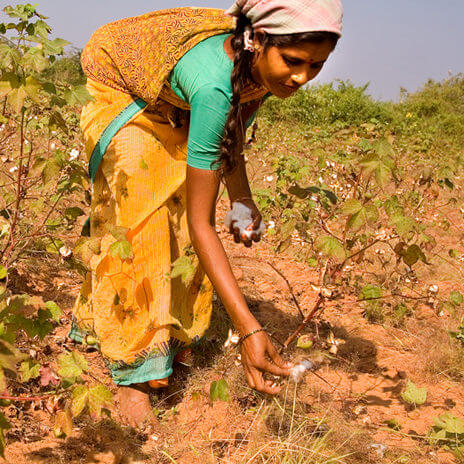
Cotton picking in India e

Editor’s note: GMO critics, most notably philosopher Vandana Shiva (Read her GLP profile here), have long contended that the introduction of Bt insect-resistant cotton in India in the early 2000s sparked an increase in farmer suicides because of the higher cost of seeds — which numerous studies have debunked.

Only an overhaul of India’s farming policy, including addressing the small size of agricultural holdings, will help to stem the epidemic of suicides among farmers that have devastated rural communities, campaigners say.

Tens of thousands of farmers have killed themselves over the past decade as drought in many parts of the country and lower global commodity prices hurt farm incomes.

More than half India’s farming households are in debt, official data showed, owing banks and moneylenders hundreds of millions of rupees, despite loan write-offs by governments.

More than two-thirds of farmers who committed suicide were small and marginal farmers, with less than 2 hectares (5 acres) of land.

The average size of land holdings in rural India has halved over the past two decades, with more than 80 percent of rural households owning less than 1 hectare of land.

Farmers’ groups have also demanded bigger fertilizer subsidies, a minimum support price for produce, easier access to credit and better crop insurance to help improve yields and prevent crop failures.

The GLP aggregated and excerpted this blog/article to reflect the diversity of news, opinion, and analysis. Read full, original post: Bigger land holdings key to preventing farmer suicides in India, activists say

Friends of the Earth activist campaigner calls for increased regulation of ‘GMO 2.0’ gene edited food

Screen Shot at AM

Editor’s note: Dana Perls is the senior food and technology campaigner for Friends of the Earth, you can read GLP’s profile of Friends of the Earth here. The original article contains a number of misconceptions about the Arctic Apple in particular about how to tell when an apple is rotten. You can read about the Artic Apple’s non-browning process here and here.

Researchers are tinkering with nature’s DNA in new and potentially problematic ways and without clear regulatory guidance. They can alter a species by editing or deleting genes, turning genes on or off, or even creating completely new DNA sequences on a computer. Some of these new foods will be marketed as “non-GMO” or “natural” because the definition of GMO has not yet caught up with the pace of new biotechnology developments.

Existing definitions focus on transgenic technologies that take genes from one species and put them into another. But many companies are modifying organisms’ genomes without adding another organisms’s genes using gene-silencing techniques such as RNA interference and gene-editing techniques such as CRISPR.

Now it’s time for the US government to add its voice to the issue. We need more science, assessment, answers, and regulations before we can decide whether these new biotech products should be in our stores — and on our plates. Instead, we are being kept in the dark, with no clue about what foods contain these unlabeled ingredients.

The GLP aggregated and excerpted this blog/article to reflect the diversity of news, opinion, and analysis. Read full, original post: Next-generation genetically modified foods need better regulation

UK votes support for first GMO crop since 1998, breaking with EU

A UK vote to approve EU proposals to authorise the first new GM crops for cultivation since 1998 suggests the crops may be grown across the country post-Brexit.

The European vote was rejected by the majority of nation states, with the UK being one of eight to vote in favour.

Farming minister George Eustice said [in 2016] future arrangements may be put in place for their regulation.

“The Government’s general view remains that policy and regulation in this area should be science-based and proportionate,” he said.

EU member states were voting on a proposal to authorise two new strains of GM maize, and the reauthorisation of the one GM crop currently grown in the EU (also maize). Thirteen member states voted to reject the new crops, while eight voted in favour.

However, despite the convincing rejection of new crops, neither decision met the qualified majority voting bar and it is now up to the European Commission to decide what to do next.

The GLP aggregated and excerpted this blog/article to reflect the diversity of news, opinion, and analysis. Read full, original post: UK votes in favour of GM crops, paving way for potential post-Brexit approval

Cheaper blue jeans that are better for the environment? Genetic engineering can make it happen

China jean manufacturing x

Editor’s note: This piece is written by Dr. Miller, a physician and molecular biologist, who was the founding director of the FDA’s Office of Biotechnology.

Genetic engineers have developed a way to produce the two principal components [of blue jeans], cotton fabric and indigo dye, for less money and soon will make commercial blue jean production cheaper than ever.

Bt cotton helps farmers to control major pests—the cotton and pink bollworm and the tobacco budworm—which account for a quarter of all crop destruction due to insects. From 1996 through 2014, this technology increased cotton yields by an average of 17.3%…

Bt cotton is also environmentally friendly. With conventional cotton, farmers control insects by applying huge amounts of chemical pesticides known to harm birds, fish and other aquatic organisms. Lessening the need for pesticides also reduces farm workers’ exposure to those chemicals.

The other main ingredient in bluejeans, indigo dye, is usually produced synthetically through a complex, multistep process performed with highly toxic chemicals. It requires special facilities and precautions to protect workers and the environment. But indigo dye can also be made using genetically engineered bacteria. This process has fewer steps, uses water instead of toxic organic solvents, incorporates corn syrup as the primary starting material, and yields nontoxic waste products. While it is not yet efficient enough for commercial use, stay tuned.

Instead of accepting critics’ unsubstantiated claims, consumers should be demanding [genetic engineering’s] wider application in agriculture and other industries.

The GLP aggregated and excerpted this blog/article to reflect the diversity of news, opinion, and analysis. Read full, original post: You’d Look Good in Designer Genes

Tom Brady, ‘super human’? How genetics may contribute to his success

Tom Brady Jim Rogash GettyImages x
[NFL quarterback Tom Brady’s] age-39 season was statistically among the best of his 17-year career with the New England Patriots…What’s maybe most remarkable about his 2016 performance is that it came at an age by which many other luminaries of the position…had already retired.

Brady’s DNA does enable him to be bigger and faster and stronger than many of us…But it’s not one or even a few dozen specific genes that help him with that. Instead, hundreds, if not thousands, of genes…determine features like body composition…Simply put, Brady likely doesn’t have a superhuman mutation tucked into his genetic code.

Some scientists are focused on studying the connection between genes and injury risk, while others think that perhaps the intense training elite athletes go through can kick dormant genes into high gear. “Certain types of training seem to activate genes that everyone has that will change muscular structure, even blood vessels,” said K. Anders Ericsson, a psychology professor at Florida State University. “There’s even compelling evidence that the heart will adapt to these kind of training conditions.”

It’s also possible that Brady’s genetics could explain in part why he has been able to play nearly into his fifth decade. Just as a healthy lifestyle can keep one’s “fitness age” below biological age, some experts believe people have internal aging clocks that tick away at different speeds.

The GLP aggregated and excerpted this blog/article to reflect the diversity of news, opinion, and analysis. Read full, original post: Tom Brady: Ageless wonder