Editor’s note: GMO critics, most notably philosopher Vandana Shiva (Read her GLP profile here), have long contended that the introduction of Bt insect-resistant cotton in India in the early 2000s sparked an increase in farmer suicides because of the higher cost of seeds — which numerous studies have debunked.
Only an overhaul of India’s farming policy, including addressing the small size of agricultural holdings, will help to stem the epidemic of suicides among farmers that have devastated rural communities, campaigners say.
…
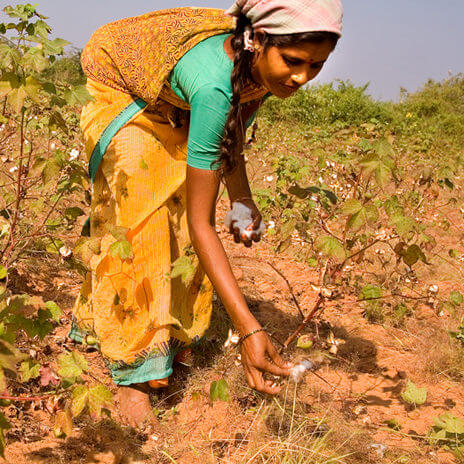
Tens of thousands of farmers have killed themselves over the past decade as drought in many parts of the country and lower global commodity prices hurt farm incomes.
More than half India’s farming households are in debt, official data showed, owing banks and moneylenders hundreds of millions of rupees, despite loan write-offs by governments.
…
More than two-thirds of farmers who committed suicide were small and marginal farmers, with less than 2 hectares (5 acres) of land.
…
The average size of land holdings in rural India has halved over the past two decades, with more than 80 percent of rural households owning less than 1 hectare of land.
Farmers’ groups have also demanded bigger fertilizer subsidies, a minimum support price for produce, easier access to credit and better crop insurance to help improve yields and prevent crop failures.
Editor’s note: Dana Perls is the senior food and technology campaigner for Friends of the Earth, you can read GLP’s profile of Friends of the Earth here. The original article contains a number of misconceptions about the Arctic Apple in particular about how to tell when an apple is rotten. You can read about the Artic Apple’s non-browning process here and here.
Researchers are tinkering with nature’s DNA in new and potentially problematic ways and without clear regulatory guidance. They can alter a species by editing or deleting genes, turning genes on or off, or even creating completely new DNA sequences on a computer. Some of these new foods will be marketed as “non-GMO” or “natural” because the definition of GMO has not yet caught up with the pace of new biotechnology developments.
Existing definitions focus on transgenic technologies that take genes from one species and put them into another. But many companies are modifying organisms’ genomes without adding another organisms’s genes using gene-silencing techniques such as RNA interference and gene-editing techniques such as CRISPR.
…
Now it’s time for the US government to add its voice to the issue. We need more science, assessment, answers, and regulations before we can decide whether these new biotech products should be in our stores — and on our plates. Instead, we are being kept in the dark, with no clue about what foods contain these unlabeled ingredients.
A UK vote to approve EU proposals to authorise the first new GM crops for cultivation since 1998 suggests the crops may be grown across the country post-Brexit.
The European vote was rejected by the majority of nation states, with the UK being one of eight to vote in favour.
Farming minister George Eustice said [in 2016] future arrangements may be put in place for their regulation.
“The Government’s general view remains that policy and regulation in this area should be science-based and proportionate,” he said.
EU member states were voting on a proposal to authorise two new strains of GM maize, and the reauthorisation of the one GM crop currently grown in the EU (also maize). Thirteen member states voted to reject the new crops, while eight voted in favour.
However, despite the convincing rejection of new crops, neither decision met the qualified majority voting bar and it is now up to the European Commission to decide what to do next.
Editor’s note: This piece is written by Dr. Miller, a physician and molecular biologist, who was the founding director of the FDA’s Office of Biotechnology.
Genetic engineers have developed a way to produce the two principal components [of blue jeans], cotton fabric and indigo dye, for less money and soon will make commercial blue jean production cheaper than ever.
Bt cotton helps farmers to control major pests—the cotton and pink bollworm and the tobacco budworm—which account for a quarter of all crop destruction due to insects. From 1996 through 2014, this technology increased cotton yields by an average of 17.3%…
Bt cotton is also environmentally friendly. With conventional cotton, farmers control insects by applying huge amounts of chemical pesticides known to harm birds, fish and other aquatic organisms. Lessening the need for pesticides also reduces farm workers’ exposure to those chemicals.
The other main ingredient in bluejeans, indigo dye, is usually produced synthetically through a complex, multistep process performed with highly toxic chemicals. It requires special facilities and precautions to protect workers and the environment. But indigo dye can also be made using genetically engineered bacteria. This process has fewer steps, uses water instead of toxic organic solvents, incorporates corn syrup as the primary starting material, and yields nontoxic waste products. While it is not yet efficient enough for commercial use, stay tuned.
…
Instead of accepting critics’ unsubstantiated claims, consumers should be demanding [genetic engineering’s] wider application in agriculture and other industries.
The GLP aggregated and excerpted this blog/article to reflect the diversity of news, opinion, and analysis. Read full, original post: You’d Look Good in Designer Genes
[NFL quarterback Tom Brady’s] age-39 season was statistically among the best of his 17-year career with the New England Patriots…What’s maybe most remarkable about his 2016 performance is that it came at an age by which many other luminaries of the position…had already retired.
…
Brady’s DNA does enable him to be bigger and faster and stronger than many of us…But it’s not one or even a few dozen specific genes that help him with that. Instead, hundreds, if not thousands, of genes…determine features like body composition…Simply put, Brady likely doesn’t have a superhuman mutation tucked into his genetic code.
…
Some scientists are focused on studying the connection between genes and injury risk, while others think that perhaps the intense training elite athletes go through can kick dormant genes into high gear. “Certain types of training seem to activate genes that everyone has that will change muscular structure, even blood vessels,” said K. Anders Ericsson, a psychology professor at Florida State University. “There’s even compelling evidence that the heart will adapt to these kind of training conditions.”
It’s also possible that Brady’s genetics could explain in part why he has been able to play nearly into his fifth decade. Just as a healthy lifestyle can keep one’s “fitness age” below biological age, some experts believe people have internal aging clocks that tick away at different speeds.
The GLP aggregated and excerpted this blog/article to reflect the diversity of news, opinion, and analysis. Read full, original post:Tom Brady: Ageless wonder
This week’s features include: the end of romance, building new pesticides and how the IBM Watson supercomputer is helping study epigenetics in Lou Gehrig’s disease.
I wouldn’t be surprised if there is small-RNA traffic between fungi and plants. They do everything else in their war against each other.
-John Pitkin, the Global Disease Management Lead at Monsanto
Stop the love
Love hurts. Love scars. Love wounds and marks…Or so the song goes. So why do we so ardently pursue romantic love? Why do we spend so much of our lives searching for the ‘the one’ when so many romances fail?
Well, according to Susanne Vosmer a clinical psychology lecturer at the University of Hull, we should stop this pursuit of the fantasy of all fulfilling romantic love — because of what we know about epigenetics.
Vosmer, writing for the Conversation, explained that ‘romantic love’ is a myth we should stop believing in. She argued that “divorce rates attest to why this ideal doesn’t exist”; it’s a pointless quest that drives numerous societal ills, including “internet addiction, fights, revenge porn, divorce, substance abuse, binge eating or not eating.”
These are debatable points in and of themselves. But where she clearly goes off track is when she tried to link these problems to epigenetics. Vosmer wrote:
Recent advances in epigenetics…suggest a link between social experiences, gene expression, neurobiological changes and behavioural variation. A growing body of evidence explains how the social environment gets into our mind through epigenetic mechanisms and how these affect our offspring. In other words, physical effects caused by our social experiences could be passed on.
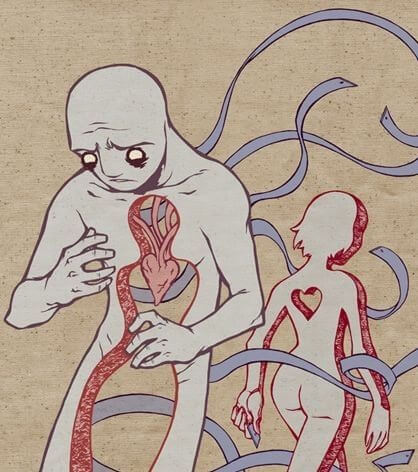
There are a number of problems with her argument. The first is that this idea about emotional trauma influencing epigenetic changes is supported by only weak scientific evidence. Most of the studies that found an epigenetic link between emotional stress and poor health focused on extreme events, such as the Holocaust — a far cry from being dumped by your high school sweetheart when she heads off to college.
The suggestion that epigenetic changes might be inherited missed the mark as well. If traumatic events do influence our gene expression by driving epigenetic changes that cause depression or other mental health ills, they do so by way of our neurons. Last time I checked, you don’t pass your neurons on to your children. But even if the stress of heartbreak did induce the same epigenetic changes simultaneously in reproductive cells and neurons, there are still obstacles to overcome. Among them is epigenetic reprogramming — a process in which a fertilized embryo erases most of the epigenetic marks it receives from mom and dad. Some markings do appear to be re-added, but it’s unclear how, why, or which changes can be passed on.
The final problem is the implication of supposedly passing on your heartbreak. As she wrote, the search for one true love affects all humans. It is ingrained early in human life and dates back at least to the time of Plato (but probably further back). In other words, romantic love is part of being human and always has been. If this ubiquitous quest were so debilitating to our health (and our ancestors’ health), then how are we here today, healthier than at any time in human history? According to Vosmer’s argument, humans long ago would have been programmed at conception to steer away from romance. Clearly, this hasn’t happened.
It’s said that time heals all wounds, well the same can be said of epigenetic marks because they are reversible.
ALS and epigenetics
In the search to understand what causes Amyotrophic Lateral Sclerosis (ALS or Lou Gehrig’s disease or Motor Neuron Disease), genetic analyses have not provided a definitive answer. According to researcher Roel Vermeulen at the University of Utrecht, twin studies have shown that almost half of ALS risk is environmental, with cigarette smoking having the greatest impact. This has led researchers to investigate epigenetic changes as a possible contributor to the etiology of the disease. The ALS Research Forum has posted a three-part series that comprehensively describes the current state and future directions of epigenetic research on the disease. The IBM’s Watson Super Computer is even lending a hand. Read Part 1; Part 2; and Part 3.
The Scientist’s deep dive on plant epigenetics
In its February 2017 edition, The Scientist ran three great reads about epigenetics and plants — and the implicationsfor the future of agriculture. In Plants’ Epigenetic Secrets, Jef Akst discussed how researchers discovered the inner workings and heritability of methylation (an epigenetic process that adds a small molecule directly to a gene which reduces or ‘silences’ its expression) in plants. As mentioned above, humans and other mammals remove this mark from a fertilized embryo’s genome during reprogramming. In plants, this process doesn’t happen and they generally leave their epigenome largely intact from one generation to the next. What this means is that breeders and scientists may someday be able to induce epigenetic changes that could, for example, make a plant drought resistant.
The second piece, on “Plant Methylation Basics,” featured numerous excellent infographics showing how methylation is maintained in a plant’s genome.
RNA Interference Between Kingdoms provided great insight into the evolutionary battle between plants and the fungi that plague them. There is growing evidence that plants and fungi infect each other with RNA molecules that block one another’s gene expression. Numerous scientists believe that studying the cross-talk between these competing organisms can lead to the development of new pesticides and crop protection agents targeting fungal diseases. Monsanto is one company that believes this line of research could lead to new products. John Pitkin, Global Disease Management Lead at Monsanto, told The Scientist:
This is an area we’re definitely watching. It clearly looks like there’s movement of RNA between plants and fungi through the expression of transgenes. Whether those reach the level of commercial efficacy is still in question….I wouldn’t be surprised if there is small-RNA traffic between fungi and plants. They do everything else in their war against each other.
This weekly roundup of the latest studies and news in the field of epigenetics originated on our GLP sister site, the Epigenetics Literacy Project
Nicholas Staropoli is the director of the Epigenetics Literacy Project. He has an M.A. in biology from DePaul University and a B.S. in biomedical sciences from Marist College. Follow him on Twitter @NickfrmBoston.
Donald Trump’s reinstatement of a Regan-era policy that opposes abortion abroad will have widespread public health implications in dozens of countries that receive health aid through the United States Agency for International Development (USAID). Known as the Mexico City policy, and called “the global gag rule” by its critics, it prohibits aid to nongovernmental organizations (NGOs) abroad that perform or discuss abortion as a family-planning option.
The order originated with President Ronald Reagan and has alternately been instituted or repealed, depending on which party controls the White House. During the Reagan and both Bush administrations it prevented about $575 million in US funds from being distributed outside the US. So it was not a surprise when Trump reinstated the policy through executive order. But he did take things a step further, according to the New York Times:
Mr. Trump’s order takes the prohibition further: It freezes funding to nongovernmental organizations in poor countries if they offer abortion counseling or if they advocate the right to seek abortion in their countries. The freeze applies even if the organizations use other sources of funding for these services.
The freeze stands to affect more than $9 billion in funding to NGOs that support reproductive health efforts in other countries. The US is the biggest global funder of family-planning services. To better understand the wide-ranging impact, we look at how this order could have collateral impact on other health conditions, focusing specifically on one disorder that could see a resurgence.
Hemoglobinopathies, USAID and abortion
Thalassemia is an inherited blood disorder common in the Mediterranean, Middle East, Africa and South Asia. It is passed down through families in which the body makes an abnormal form of hemoglobin, the protein in red blood cells that carries oxygen. The disorder results in excessive destruction of red blood cells, which leads to anemia. The more severe form of the disease is thalassemia major. The sometimes-fatal condition has been on the decline in recent years as a result of genetic screening, counseling and elective abortion. The new executive order could put things into reverse.
What do Mediterranean regions, the Middle East, Africa, and South Asia have in common that would make this class of diseases common? The answer is malaria. They all harbor climates where mosquitoes thrive. People who live in these regions have been subjected to evolutionary pressure from the disease.Evolutionary geneticists think it has imparted a survival advantage against malaria for people harboring genes encoding abnormal versions of the globin chains that comprise hemoglobin.
Abnormal genes can produce a defective globin, as happens with the sickle cell gene, which produces an abnormal version of the hemoglobin beta chain. Or, genetic defects can cause simply insufficient quantities of normal alpha- or beta-globin. The latter scenario is thalassemia — either alpha- or beta thalassemia, depending on which globin chain type is under-produced. Alpha thalasssmia is common in Asia and Africa. Beta thalassemia is common in Mediterranean regions (including the northern coast of Africa), though there’s a lot of overlap as people have moved around a lot in modern times.
Because these conditions are so common, USAID has programs in place to fight disorders such as thalassemia. These initiatives include premarital and preconception genetic counseling. Abortion is inevitably worked into the equation, because any couple knowing that it carries a fetus that will develop thalassemia major — a severe form of the disease — is going to consider it. Many governments use preconception counseling to discourage marriage when genetic screening shows that both people are carriers of the thalassemia trait. According to a review published in the journal Public Health Genomics in 2015, counseling generally results in an increased rate of elective abortions.
During the time in which genetic counseling has been available, there has been a decrease in the number of cases of thalassemia major. The reason for this has to do with the genetics underlying thalassemia, which is complex compared with something like sickle cell disease, which results from just a single abnormal gene copy. Thalassemia is different because it involves multiple copies (alleles) of the involved genes.
Islam and abortion
Why is it that fetal screening for thalassemia is done through chorionic villus sampling (CVS), instead of amniocentesis, the prenatal sampling procedure familiar to most Americans? The answer is that CVS can be performed a little bit earlier in an environment where timing is a major factor. Because of the 1973 Roe v. Wade Supreme Court ruling, the comfort zone for elective abortion in the US ends somewhere in the range of 20 to 24 weeks gestation. And so the paradigm here is between Roe v. Wade and Christian fundamentalism. The latter calls for no abortion at all and that’s what drove the recent executive order on the Mexico City Policy.
In many countries with high thalassemia rates, the paradigm is different. Greece does not restrict elective abortion during the first 12 weeks gestation, whereas in Israel both the legal structure and society is completely pro-choice. Many Muslim countries also allow abortion, because Islam does not prohibit the procedure up to 120 days (about 17 weeks) gestation. This makes for a situation that’s intermediate between anti-abortion Christian fundamentalist and those with a fully pro-choice view.
Thus, the expanded Mexico City policy will be denying health aid, including genetic counseling and screening, to NGOs in a wide range of nations in Africa, Asia and the Middle East. So, either by losing funds, or by deciding to prohibit abortion, these nations can expect to see a reversal of the current trend toward lower incidence thalassemia.
The only thing that can prevent this from happening now would be an influx of funding from other nations to compensate for the loss from the United States. Recently, the Dutch government announced that it would step in to help by establishing an abortion fund.
David Warmflash is an astrobiologist, physician and science writer. Follow @CosmicEvolution to read what he is saying on Twitter
Pollan may be the most recognizable, but he is certainly not the only one to blame monoculture for many of the problems of modern agriculture. This is a pretty common refrain from the anti-GMO camp.
…
Monoculture is a practice that has allowed many technological advances in crop production. Having only one crop in the field increases our ability to mechanize planting, weeding, and harvest. And the mechanization of agriculture is the reason a majority of the population in developed countries do not still work on a farm. Without mechanization, growing your own food is often a necessity, not a hobby.
…
It has been my experience that most who criticize monoculture production don’t usually provide many details about why monoculture is a problem. And more importantly, they rarely provide specific, practical suggestions for improvement.
…
Over-reliance on a single genotype is a bad idea, because it makes the entire crop susceptible to a single pest outbreak.
…
Researchers at Iowa State University have proposed one possibility [to improve monoculture]: strip intercropping. It is a really neat idea that provides some balance between the benefits of monoculture, and the benefits of polyculture.
Are monocultures problematic? Sure, if the geographic or temporal scale is large enough. But the problems solved by using monoculture on a field-scale tend to far outweigh the problems they cause. Is there room for improvement? Absolutely.
The GLP aggregated and excerpted this blog/article to reflect the diversity of news, opinion, and analysis. Read full, original post: The Problem With Monoculture
On January 17, 2017, Rachel Ray, a TV talk show host trusted by millions of families around North America, hosted a registered dietician, Keri Glassman, in her ‘Healthy or Hype’ segment. Glassman launched into an attack on the safety of conventional milk, which she claimed was made by pumping cows up with antibiotics.
“Whole organic milk, ‘that’s what I have at home that’s what I’m going to put in my cart.”
Ray chimed in her disapproval. In fact, by law, all milk, organic and conventional, is tested to ensure it is antibiotic free and any milk testing positive is discarded.
As a kicker, Glassman recommended only drinking soy milk made from non-GMO soybeans–despite the fact that no mainstream scientist believes there are any nutritional or health differences.
A Wisconsin dairy couple, Sam and Brittany Olson, watching the show, was dismayed about the show’s lack of understanding about science. Here are their concerns–which remain unaddressed by Rachel Ray or her show producers–first expressed in a blog post on their Facebook page that resonated with farmers and scientists.
We, a family of fourth and fifth-generation dairy farmers, were watching your show today over lunch. TV commonly serves as background noise while we talk about our plans for the week, so we don’t pay very much attention. However, something you said caused me to drop my jaw and subsequently my Dr. Pepper.
You told millions of adoring viewers to always buy organic cow’s milk, and almond “milk” if they wanted more calcium because it’s been fortified.
Ahem. Really?
My husband and I milk anywhere from 30 to 45 cows depending on the time of year. The farm was purchased in 1902 by my Great-Great Grandfather. He moved his family here to Dallas, WI from Decorah, IA where he moved with his family from Norway in the late 1850s. My wife and I are the fifth generation to farm here. This will be the first time the farm has been passed down to a son; it has always gone to a daughter in the past.
This has always been a dairy farm with different breeds of cattle over the years. Along with the cows, we have had chickens and hogs at various times, mostly for our own use. My grandfather purchased seven Registered Holstein cows in the 1960s and our current herd has grown from those seven along with five more Registered Holsteins purchased in 2014-15 and now four Registered Jerseys purchased in 2015-16. Our farm is small with around 50 milking cows and 50 calves and heifers.
We grow most of our own feed raising hay, corn, and some small grains like oats or barley on about 250 acres (mostly owned.) Round Up Ready Corn has been planted for many years and we have planted double and triple stacked varieties. We pasture our cows and heifers May-October as the Northwest Wisconsin weather permits. We hope to incorporate no-till practices in the future.
We graze our cattle from May through October and our somatic cell count, a measure used to gauge cow health and milk quality, has been under 100,000 for the past few weeks. This is something we are VERY proud of and work very hard to maintain.
When they get sick, we use antibiotics to clear up the infection and rub down their udders with a mint-based liniment to reduce swelling and help them feel better while discarding the milk until the antibiotic residue is gone.
On an organic dairy farm, this wouldn’t happen. Sure, they can use antibiotics, but they have to sell their cattle in order to keep the treated milk from entering the organic milk supply. We also plant GM hybrids to guarantee, as much as the weather and soils allow, a plentiful harvest come fall when it’s time to take the crops off and make feed for our cattle. We don’t plant GMOs because we’re evil, but because farming is hard and it’s one less thing to keep us awake at night.
And your bit about almond “milk” having more calcium…it’s fortified with calcium, but also with gellan gum, sea salt, vitamins and minerals (of which less than 2 percent of that beverage contains). Meanwhile, cow’s milk needs no additives unless you like chocolate milk or you’re like me and you like a little coffee with your cream.
I know you’re not going to see this. You’re in Hollywood in your mansion with your pit bulls, not caring whether you’ll be able to pay the bills next month or not worrying about what your next paycheck might look like, and could probably care less what some podunk farmer’s wife in Dallas, Wisconsin could think about one little blurb on your show that aired today. However, because you have such a large audience, I encourage you to speak carefully and do your research. Your fans – my customers – are watching. Thank you.
Sam and Brittany Olson are fifth-generation dairy farmers from Dallas, WI (about two hours northeast of the Twin Cities). Facebook: Berglane Farms. Twitter: @farmersam5488.
A new revolutionary stem cell technique is being used to treat those suffering from damaged muscles without the cancer risk that was previously present. This was the first time that researchers had successfully implanted synthetic stem cardiac cells that managed to repair the muscle that a previous heart attack has weakened. Cancer was previously a risk with traditional stem cell therapy as scientists were unable to stop former tumors as the cells continued to replicate.
…
This procedure is mostly performed on those suffering from blood or bone marrow cancers such as leukemia. But, researchers are also working on developing effective stem cell treatments for those diagnosed with neurodegenerative diseases such as Parkinson’s and heart disease too.
…
Synthetic stem cells are very handy because unlike natural stem cells, they’re easy to preserve and can be adapted to be used in various parts of the body. Ke Cheng, associate professor of molecular biomedical sciences at North Carolina State University, said, “We are hoping that this may be the first step towards a truly off-the-shelf cell product that would enable people to receive beneficial stem cell therapies when they’re needed, without costly delays.”
While a lot of sciences are involved in finding oil and gas, biology might not be the first science that leaps to mind. But researchers at Repsol are working on changing that mindset.
The team is focusing on the concept of “bioprospection,” studying how the presence of certain microorganisms on the surface can be an indication of hydrocarbons beneath…[T]his concept, while not new, has been challenging in the past because of the extreme conditions in which the microorganisms live. But metagenomics and massive sequencing are making this a reality.
Soil samples are tested in the laboratory to extract DNA from microorganisms that might help identify subsurface resources. (Source: Repsol)
“For many decades the approach was limited because when you studied the biology on the surface, the number of microorganisms is very high, but few of them can be grown in the lab,” said Enrique Espí Guzman, senior researcher of biotechnology at the Repsol Technology Center (RTC). “But recently the biology has evolved. The use of DNA sequencing in medicine and health has provided new tools to apply to other sectors.”
Biology alone will probably never be the perfect exploration tool, but in combination with other geology and geophysics methods, it adds a new layer of information to improve the success rate.
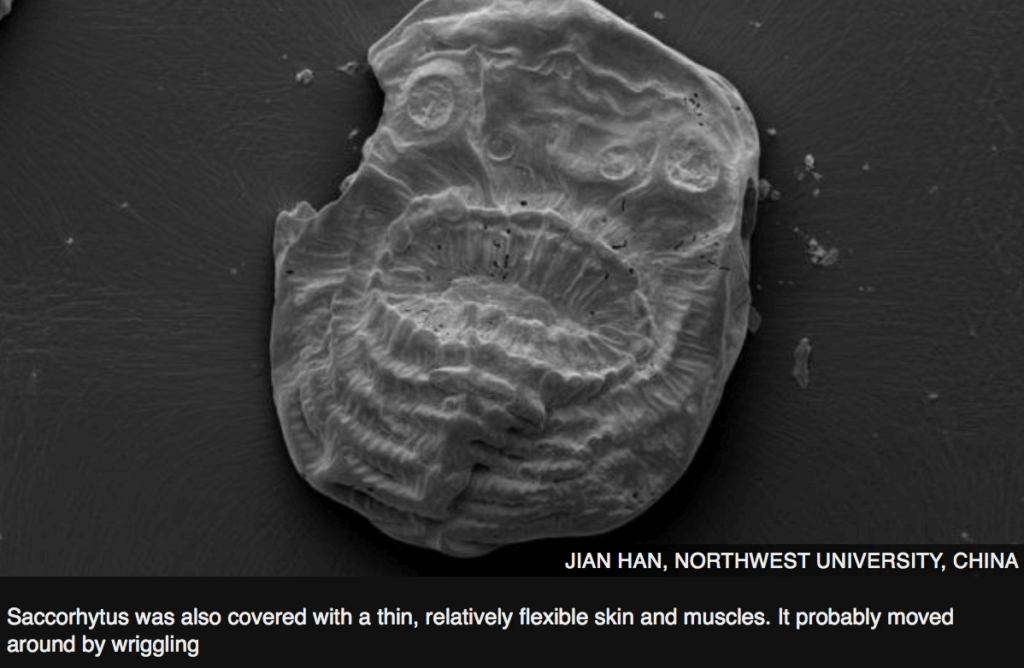
Researchers have discovered the earliest known ancestor of humans – along with a vast range of other species.
They say that fossilized traces of the 540-million-year-old creature are “exquisitely well preserved”.
The microscopic sea animal [found in central China] is the earliest known step on the evolutionary path that led to fish and – eventually – to humans.
…
The research team says that Saccorhytus is the most primitive example of a category of animals called “deuterostomes” which are common ancestors of a broad range of species, including vertebrates (backboned animals).
“We think that as an early deuterostome this may represent the primitive beginnings of a very diverse range of species, including ourselves. All deuterostomes had a common ancestor, and we think that is what we are looking at here,” [said Simon Conway Morris, University of Cambridge].
The researchers say that its most striking feature is its large mouth, relative to the rest of its body. They say that it probably ate by engulfing food particles, or even other creatures.
The GLP aggregated and excerpted this blog/article to reflect the diversity of news, opinion, and analysis. Read full, original post:Scientists find ‘oldest human ancestor’
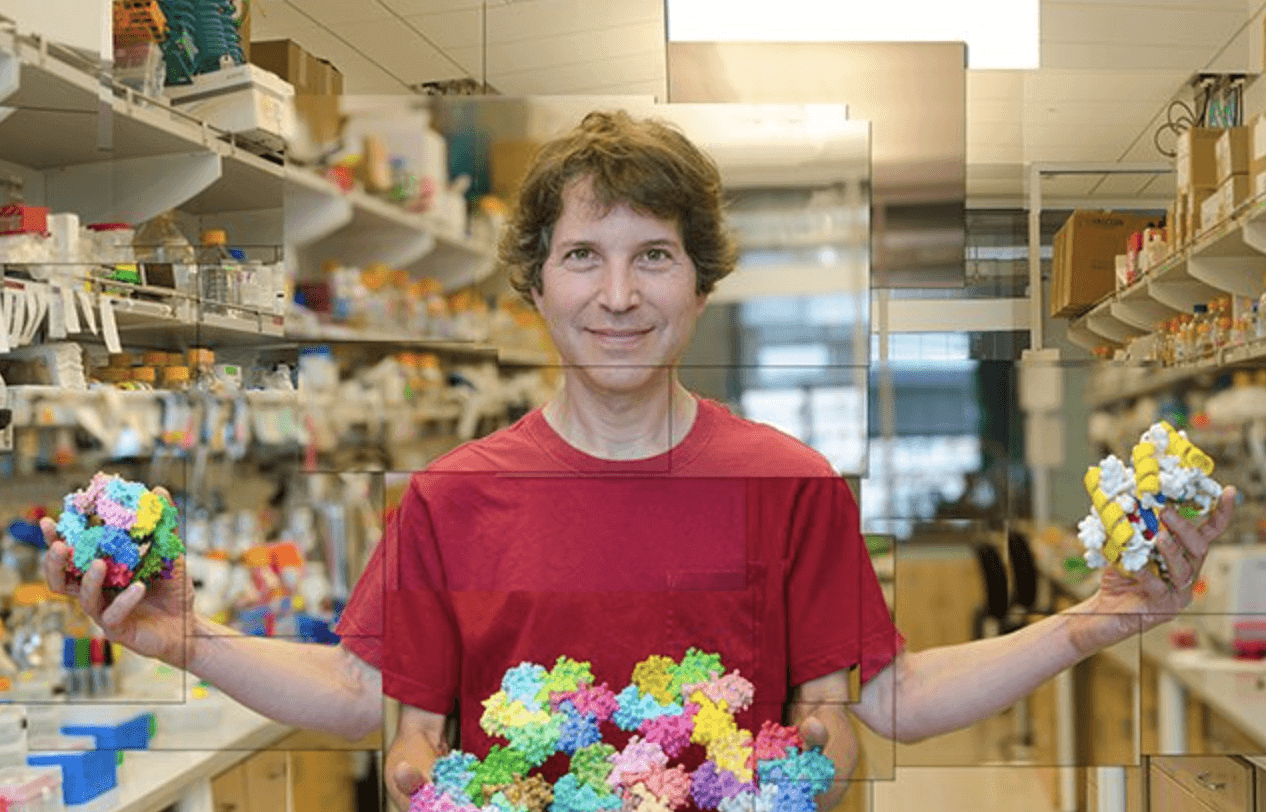
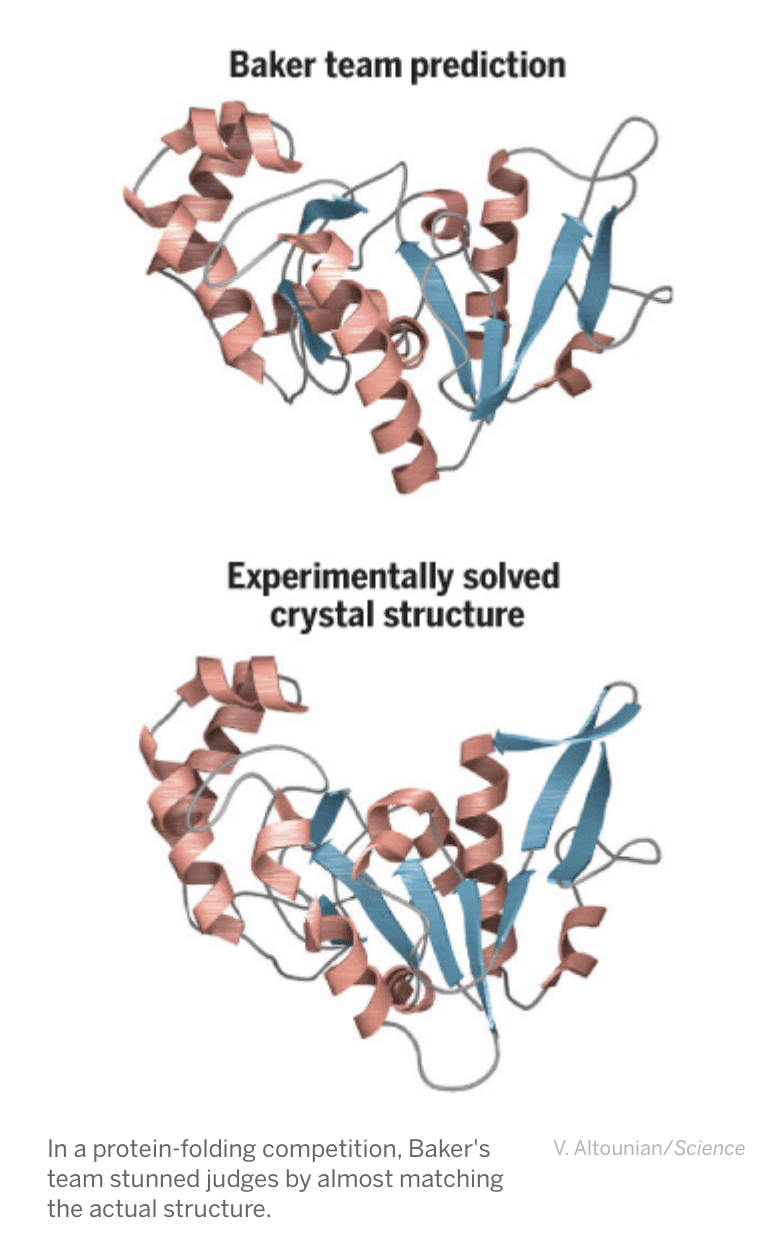
Over the last several years, with a big assist from the genomics and computer revolutions, David Baker, head of the Institute for Protein Design and professor of biochemistry at the University of Washington [and his team have] all but solved one of the biggest challenges in modern science: figuring out how long strings of amino acids fold up into the 3D proteins that form the working machinery of life. Now, he and colleagues have taken this ability and turned it around to design and then synthesize unnatural proteins intended to act as everything from medicines to materials.
Already, this virtuoso protein-making has yielded an experimental HIV vaccine, novel proteins that aim to combat all strains of the influenza viruses simultaneously, carrier molecules that can ferry reprogrammed DNA into cells, and new enzymes that help microbes suck carbon dioxide out of the atmosphere and convert it into useful chemicals.
…
For Baker, it’s only the beginning. With Rosetta’s steadily improving algorithms and ever-greater computing power, his team has in essence mastered the rules for folding—and they’ve begun to use that understanding to try to one-up nature’s creations. “Almost everything in biomedicine could be impacted by an ability to build better proteins,” says Harvard synthetic biologist George Church.
The ability to predict how an amino acid sequence will fold—and hence how the protein will function—opens the way to designing novel proteins that can catalyze specific chemical reactions or act as medicines or materials. Genes for these proteins can be synthesized and inserted into microbes, which build the proteins.
People who had more infections as babies harbor a key marker of cellular aging as young adults, report researchers. The protective stretches of DNA that “cap” the ends of their chromosomes are shorter than those of adults who were healthier as infants.
…
“These are important and surprising findings because—generally speaking—shorter chromosome ‘caps’ are associated with a higher burden of disease later in life,” says lead author Dan Eisenberg, an assistant professor of anthropology at the University of Washington.
…
[T]hose with an average level of diarrheal infection as babies, compared to those who with no reported infections, showed the equivalent of three additional years of telomere “aging”—based on the rate of telomere shortening among middle-aged adults.
…
“It could also be that they had shorter telomeres at birth,” says Eisenberg. “And perhaps as a result, they were more susceptible to infections at 6 to 12 months and maintained these short telomeres into adulthood.” If this were the case, then telomeres may be an important determinant of whether or not children around the world succumb to diarrheal infections.
The GM wheat has been engineered to use sunlight more efficiently and has boosted greenhouse yields by up to 40%. Researchers in Hertfordshire now want to see if they can replicate these gains in the field.
…
Several GM trials of crops have taken place in the UK over the past 20 years, often attracting protesters who have attempted to destroy the plants.
Last Autumn, the scientists at Rothamsted Research submitted an application to the Department of the Environment, Food and Rural Affairs (Defra) seeking permission to carry out small field trials at a secure site near Harpenden between 2017 and 2019.
After an independent risk assessment and a public consultation, that permission has now been granted. The researchers say they want to test newly developed wheat plants that have been modified to carry a gene from a wild relative called stiff brome.
…
But the planned planting is not without its critics.
Around 30 green organisations lodged objections to the plan, pointing to concerns about the potential for the GM wheat to escape into the wild, as has repeatedly happened in the US. Campaigners say they are “disappointed” that the trial is now going ahead.
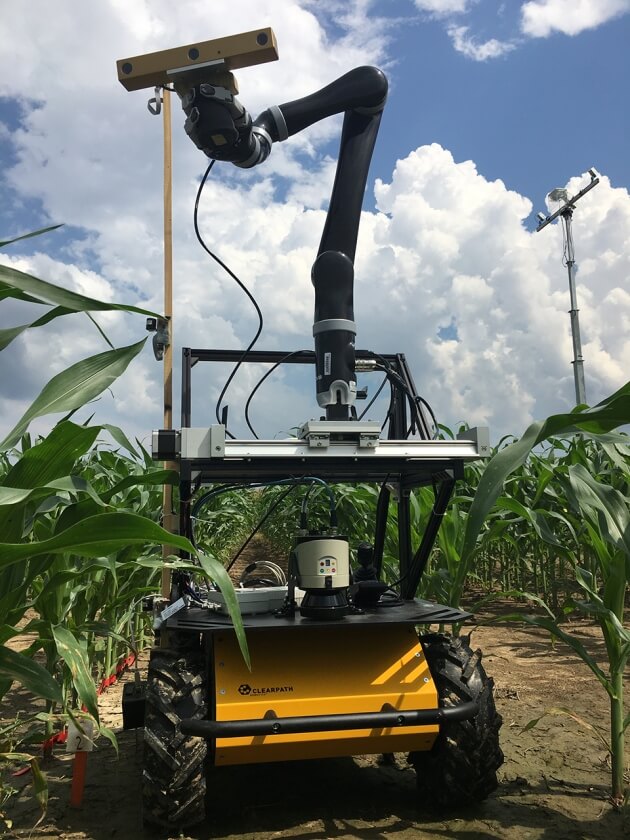
The use of drones and robots is also on the rise as researchers pursue the ‘quantified plant’ — one in which each trait has been carefully and precisely measured from nearly every angle, from the length of its root hairs to the volatile chemicals it emits under duress. Such traits are known as an organism’s phenotype, and researchers are looking for faster and more comprehensive ways of characterizing it.
The hope is that such efforts will speed up plant breeding and basic research, uncovering new aspects of plant physiology that can determine whether a plant will thrive in the field….
The plummeting cost of DNA sequencing has made it much easier to find genes, but working out what they do remains a challenge…
Plant breeders are also looking beyond the traits they used to focus on — such as yield and plant height — for faster ways to improve crops.
“Those traits are useful but not enough,” says Gustavo Lobos, an ecophysiologist at the University of Talca in Chile. “To cope with what is happening with climate change and food security, some breeders want to be more efficient.”
Editor’s note: This story describes a publication in the journal New Phytologist. The authors of this story are three of the publication’s authors who are all researchers at the University of Illinois at Urbana-Champaign.
Cassava, a woody shrub also known as manioc, yuca, tapioca and mandioca,…is the third most important source of calories in the tropics, behind rice and corn, and sustains an estimated 800 million throughout Africa, Asia and Latin America. In sub-Saharan Africa, it provides 30 to 50 percent of all calories consumed.
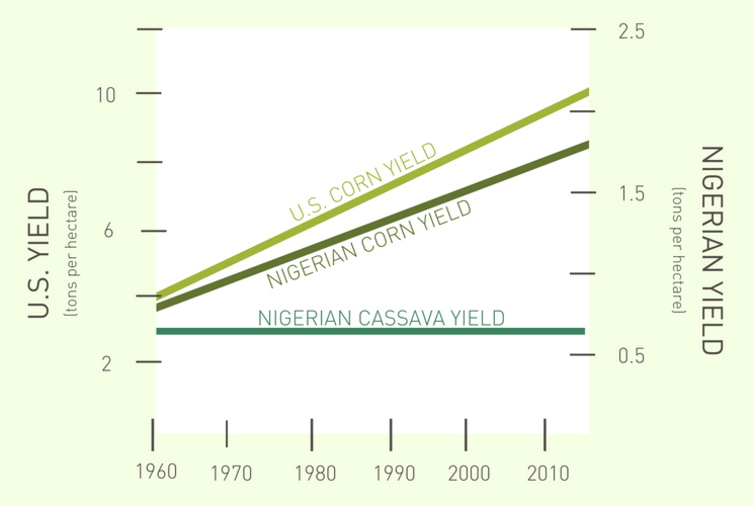
But despite its widespread consumption, cassava yields have not improved in a quarter of a century. In a recently published study, our research group identified 14 paths for improving cassava yield potential through genetic modifications, both engineered and bred.
…
According to our review, cassava yields per acre in Nigeria – the major producer in Africa – have flatlined since 1961. By contrast, corn yields in Nigeria, as in the United States, have more than doubled over the same period.
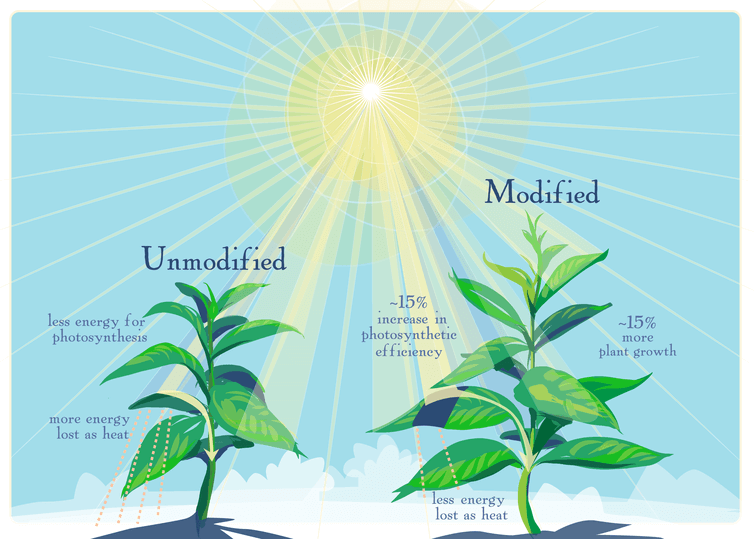
Hacking photosynthesis has long been considered to be a holy grail of plant biology.
By genetically modifying tobacco plants, we increased the amount of plant tissue that they produced by 14 to 20 percent in real-world, replicated field trials where light, rainfall and other factors are unpredictable….The process we modified is common to all plants, which strongly suggests that this approach should work just as effectively in cassava and other food crops.
Tuberculosis has long been a problem for cattle farmers in developing countries, especially in Asia and Africa. Now, scientists from Northwest A&F University in Shaanxi, China have used a tweaked CRISPR/Cas9 gene-editing system to insert a protein that helps fight off the disease-causing bacteria….This is the first time gene editing has been used to confer tuberculosis resistance in cows, making the study a major breakthrough.
…
When the researchers infected the cows with Mycobacterium bovis, which causes tuberculosis, their genetically modified creations showed more resistance than the non-gene edited cows. The researchers published their results in the journal Genome Biology.
The authors cut the TB resistance-conferring gene, natural resistance-associated macrophage protein-1 or NRAMP1, from a line of mouse white blood cells that you can buy yourself online, and glued it into over a thousand cow embryos, which they transplanted into over four hundred cows. This resulted in 20 genetically modified cows, 11 that lived longer than three months.
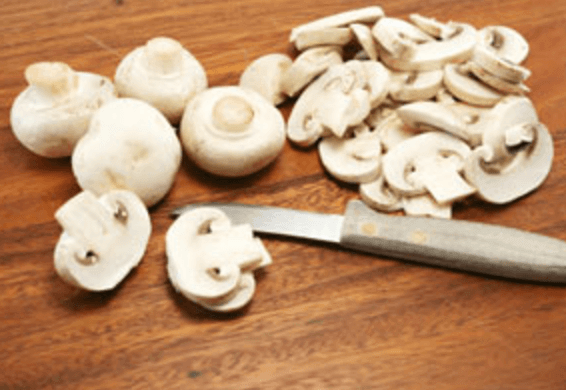
Marketers say the idea of a non-browning mushroom developed through gene-editing techniques is intriguing, although few seem to know if consumers will accept the idea.
Penn State University professor Yinong Yang developed the anti-browning mushroom using a gene-editing tool called CRISPR.
Eventually, CRISPR technology could be used to bring fruits, vegetables and other crops to the market with improvements aimed at growers and consumers, researchers say.
“The consumer will decide,” said Bill St. John, sales director of Gonzales, Texas-based Kitchen Pride Mushroom Farms Inc.
“Especially white mushrooms have an especially short shelf life — the browning kind of turns people away,” he said.
“With the product looking better longer, it could help both retailers and consumers,” he said.
Whether that translates to more demand remains to be seen, St. John said.
…
“This mushroom will be looked on by consumers as a GMO item even though the CRISPR technology does not introduce genetic material taken from a different organism as does the traditional method of gene splicing/replacement,” said [Vince Versagli, sales director with Kennett Square, Pa.-based South Mill Mushroom Sales and Kaolin Mushroom Farms Inc.]
The GLP aggregated and excerpted this blog/article to reflect the diversity of news, opinion, and analysis. Read full, original post: Feelings mixed on gene-edited mushroom





 There are a number of problems with her argument. The first is that this idea about emotional trauma influencing epigenetic changes is supported by only weak scientific evidence. Most of the studies that found an epigenetic link between emotional stress and poor health focused on extreme events, such as the
  In the search to understand what causes Amyotrophic Lateral Sclerosis (ALS or Lou Gehrig’s disease or Motor Neuron Disease), genetic analyses have not provided a definitive answer. According to researcher Roel Vermeulen at the University of Utrecht, twin studies have shown that almost half of ALS risk is environmental, with cigarette smoking having the greatest impact. This has led researchers to investigate epigenetic changes as a possible contributor to the etiology of the disease. The ALS Research Forum has posted a three-part series that comprehensively describes the current state and future directions of epigenetic research on the disease. The






 The hope is that such efforts will speed up plant breeding and basic research, uncovering new aspects of plant physiology that can determine whether a plant will thrive in the field….