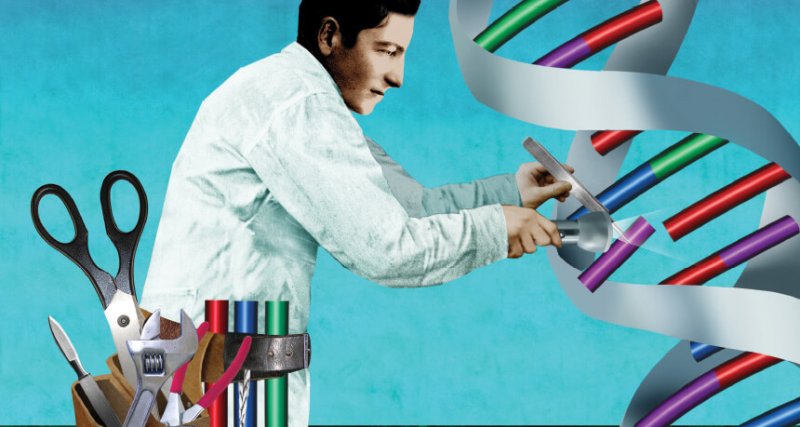
Australia set to reduce regulations of CRISPR gene editing to speed up crop research

crispr feat free

Australia is set to reform how it regulates new genetic engineering techniques, which experts say will help to dramatically speed up health and agriculture research.

The changes will enable agricultural scientists to breed higher yielding crops faster and cheaper, or ones resistant to drought and disease.

Australia’s gene technology regulator Raj Bhula has proposed reducing regulations around gene editing techniques such as CRISPR, following a 12 month technical review into the current regulations.

The most radical change put forward by the regulator is that some of the more efficient and newer genetic technologies, known as gene editing, would not be considered “genetic modification”.

“With gene editing you don’t always have to use genetic material from another organism, it is just editing the [existing] material within the organism,” Dr Bhula said.

“If these technologies lead to outcomes no different to the processes people have been using for thousands of years, then there is no need to regulate them, because of their safe history of use,” she said.

If approved, the reforms will have wide ranging benefits for agriculture research, and could speed up the research and commercialisation of disease, salt or drought-resistant crops, or high yielding varieties.

Read full, original post: Genetic modification laws set for shake-up, with health and agriculture research industries to benefit


{{ reviewsTotal }}{{ options.labels.singularReviewCountLabel }}
{{ reviewsTotal }}{{ options.labels.pluralReviewCountLabel }}
{{ options.labels.newReviewButton }}
{{ userData.canReview.message }}

Related Articles

Infographic: Global regulatory and health research agencies on whether glyphosate causes cancer

Infographic: Global regulatory and health research agencies on whether glyphosate causes cancer

Does glyphosate—the world's most heavily-used herbicide—pose serious harm to humans? Is it carcinogenic? Those issues are of both legal and ...

Most Popular

Picture1-5
Science Disinformation Gap: The transatlantic battle over social media and censorship
ChatGPT Image May 10, 2026, 08_16_59 PM 2
Overmedicalization? RFK Jr.’s antidepressant crackdown raises conflict questions over his fee stake in Wisner Baum, the tort firm built on suing drug makers
Screenshot-2026-04-23-at-11.00.36-AM
Regulators' dilemma: Thalidomide, Metformin, and the cost of getting drug approvals wrong
ChatGPT-Image-May-12-2026-08_39_41-PM
GLP podcast: Big Pharma, Big Ag, Big Food—health harming industries or life-saving innovators?
Screenshot-2026-05-12-at-9.58.31-PM
'He seems fine': Marty Makary out as FDA commissioner
Picture1-1
Cooling the planet with balloons: Could a geoengineering gamble slow global warming?
Picture1-14
When superbugs threaten vulnerable children: Can AI help solve antibiotic resistance?
Screenshot-2026-05-12-at-10.05.11-AM
Pro-vaccine “hero” vs. an anti-vax “villain”: ‘Bad Vaxx’ video stirs MAHA backlash
Screenshot-2026-05-11-104424
Hantavirus outbreak research: Trump administration shut down study last year on rodent-to-human transmission
Screenshot 2026-05-11 at 11.30
Despite politicized disinformation, Midwest AI data centers are fueling a solar energy boom
ChatGPT Image May 12, 2026, 10_19_00 AM 2
Viewpoint— 'Muscular governance': How authoritarianism is surging corporate-linked energy misinformation
S
As vaccine rejectionism spreads, measles may be taking a more dangerous turn
Screenshot-2026-05-01-at-1.29.41-PM
Viewpoint: What happens when whole grains meet modern food manufacturing? Labels don’t tell the whole story.
glp menu logo outlined

Get news on human & agricultural genetics and biotechnology delivered to your inbox.