End of cavities: We may soon be able to regrow our teeth

maxresdefault

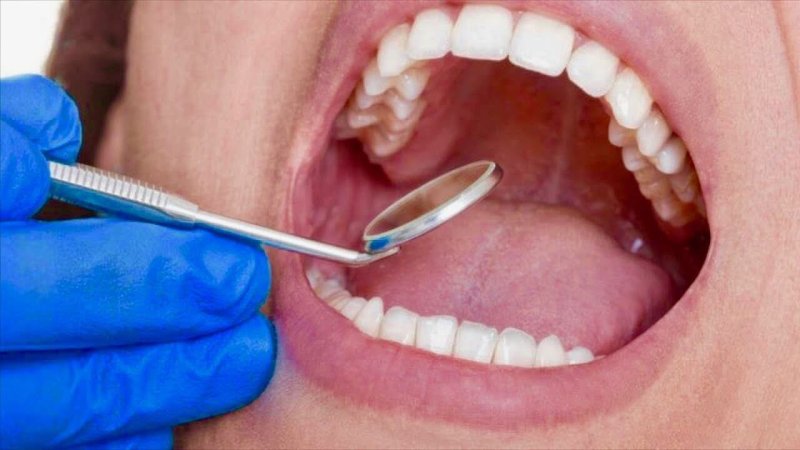
Currently, the primary way to treat a cavity is to excavate the decay and the surrounding area before filling the resulting crater with a durable surrogate material such as metal, plastic or glass cement.

But what if instead of drilling holes into teeth and patching them up with synthetic fillers, dentists could coax our pearly whites to regrow themselves? Recently, Paul Sharpe, a bioengineer at King’s College London, and his colleagues discovered a new way to do exactly this in mice. Last year they published a study describing their innovative techniques in Scientific Reports.

Sharpe and his fellow researchers drilled holes into the molars of mice, mimicking cavities. They then soaked tiny collagen sponges (which are made from the same protein found in dentin) in various drugs known to stimulate Wnt signaling.

The scientists then placed these drug-soaked sponges in the drilled mouse molars, sealed them up and left them for four to six weeks. The teeth treated with these drugs produced significantly more dentin than ones untreated or stuffed with an unsoaked sponge or typical dental fillers. In most cases the technique restored the rodents’ pearly whites to their former intact state.

In order to formally introduce this treatment to modern dentistry, however, the researchers will need to perform clinical trials with human patients. Such work is at least several years away, Sharpe says.

Read full, original post: Instead of Filling Cavities, Dentists May Soon Regenerate Teeth

{{ reviewsTotal }}{{ options.labels.singularReviewCountLabel }}
{{ reviewsTotal }}{{ options.labels.pluralReviewCountLabel }}
{{ options.labels.newReviewButton }}
{{ userData.canReview.message }}

Related Articles

Infographic: Global regulatory and health research agencies on whether glyphosate causes cancer

Infographic: Global regulatory and health research agencies on whether glyphosate causes cancer

Does glyphosate—the world's most heavily-used herbicide—pose serious harm to humans? Is it carcinogenic? Those issues are of both legal and ...

Most Popular

ChatGPT-Image-Apr-20-2026-11_17_18-AM-2
10,000 scientists gone: Trump’s cuts create an unprecedented brain drain
ChatGPT-Image-Apr-23-2026-09_20_20-PM
Kennedy’s CDC blocks publication of study that shows vaccines reduce hospitalizations by 50%, then misrepresents why
Screenshot-2026-04-13-at-3.54.04-PM
AI disinformation stress test: Challenges and response strategies
ChatGPT-Image-Apr-22-2026-04_31_20-PM
‘Irresponsible decision’? On mandatory military flu shots, Hegseth chooses ‘freedom’ over health
ChatGPT-Image-Mar-11-2026-11_58_46-AM
The Trump administration has run out more than 4,000 National Institutes of Health employees. Here are the consequences
images
The never-ending GMO debate: Pros and cons
Screenshot-2026-04-22-at-4.10.32-PM
Viewpoint — ‘Completely unethical’: RFK, Jr.’s medical ignorance deprives melanoma cancer-sufferers of a life-saving therapy
ChatGPT-Image-Feb-16-2026-01_04_32-PM
Raw milk myth wake-up call
ChatGPT-Image-Apr-17-2026-03_30_52-PM
Food labels, decoded: What they really mean
Screenshot-2026-04-15-at-1.22.58-PM
Anti-biotechnology activists smear hybrid wheat breakthrough that could surge yields in poorer countries
glp menu logo outlined

Get news on human & agricultural genetics and biotechnology delivered to your inbox.