4 common myths about the supposed advantages of organic foods over GMOs

shutterstock

Myth 1: Organic Food Is Safer Because It Doesn’t Touch Pesticides

“The levels we are exposed to are far, far less than levels that would be expected to cause any harm to our population. So reducing our exposure a little bit more — in this case by purchasing organic food — really isn’t going to cause any appreciable health benefit to us as consumers,” [said Carl Winter, food toxicologist at the University of California, Davis].

Myth 2: Organic Food Is Healthier

After analyzing 240 studies about the nutritional value of organic food, the authors of a 2012 review study published in the Annals of Internal Medicine concluded that they “[lack] strong evidence that organic foods are significantly more nutritious than conventional foods.”

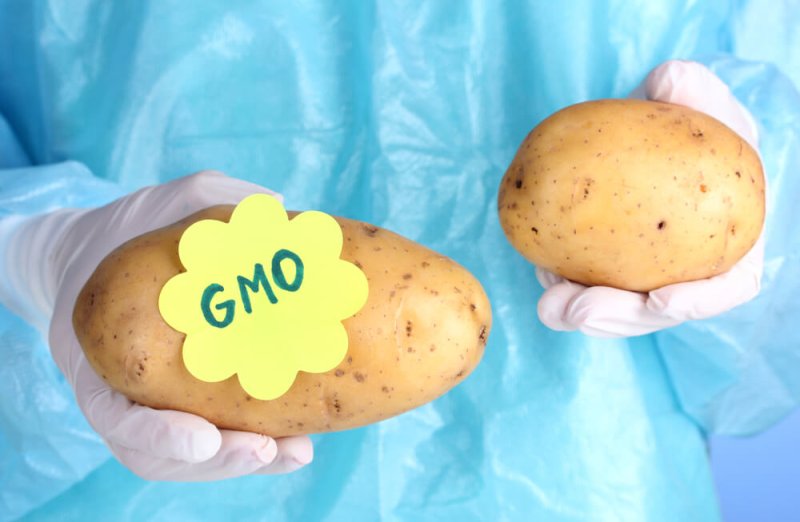
Myth 3: GMOs Are Dangerous to Eat

[A]s of right now, there is no trustworthy evidence that any GMO-derived food poses health risks to humans. If anything, genetic modifications make crops safer for agricultural workers (genetic tweaks make crops more resistant to damage from insects and viral infections, so plants need fewer pesticides) and even make them more nutritious, bringing a healthful variety to more people worldwide.

Myth 4: GMOs Are Bad for the Environment

Scientists are still not completely sure if GMOs are better for the environment than other types of crops. But they at least demand fewer resources than organic crops.

Read full, original post: Is Organic Really Better? 4 Food Myths Debunked By Science

{{ reviewsTotal }}{{ options.labels.singularReviewCountLabel }}
{{ reviewsTotal }}{{ options.labels.pluralReviewCountLabel }}
{{ options.labels.newReviewButton }}
{{ userData.canReview.message }}

Related Articles

Infographic: Global regulatory and health research agencies on whether glyphosate causes cancer

Infographic: Global regulatory and health research agencies on whether glyphosate causes cancer

Does glyphosate—the world's most heavily-used herbicide—pose serious harm to humans? Is it carcinogenic? Those issues are of both legal and ...

Most Popular

Screenshot-2026-03-13-at-12.14.04-PM
The FDA wants to make many popular prescription drugs OTC—a great idea. Here’s why it’s unlikely to happen
Screenshot-2026-05-04-at-12.54.32-PM
How Utah became the country’s supplement capital  — and a haven for unregulated, ineffective and fake products
Screenshot-2026-04-20-at-2.26.27-PM
Viewpoint — Food-fear world: The latest activist scientists campaign: Cancer-causing additives
Screenshot-PM-24
Viewpoint: The herbicide glyphosate isn’t perfect. Banning it would be far worse.
images
The never-ending GMO debate: Pros and cons
Screenshot-2026-05-01-at-11.56.24-AM
‘Science moves forward when people are willing to think differently’: Memories of DNA maverick Craig Venter
Screenshot-2026-04-30-at-2.19.37-PM
5 myths about summer dehydration that could damage your health — or even kill you
Screenshot-2026-04-03-at-11.15.51-AM
Paraben panic: How a flawed study, media hype, and chemophobia convinced the public of the danger of one of the safest classes of preservatives
ChatGPT-Image-May-1-2026-02_20_13-PM
How RFK, Jr.’s false vaccine claims are holding up $600 million to fight diseases in poor countries
bigstock opioids on chalkboard with rol
GLP podcast: 'Safe injection sites': enabling drug addiction or saving lives?
79d03212-2508-45d0-b427-8e9743ff6432
Viewpoint: The Casey Means hustle—Wellness woo opportunism dressed up as medical wisdom
glp menu logo outlined

Get news on human & agricultural genetics and biotechnology delivered to your inbox.