New online study of BRCA cancer risk in Ashkenazi Jews could provide new model for genetic testing

screening

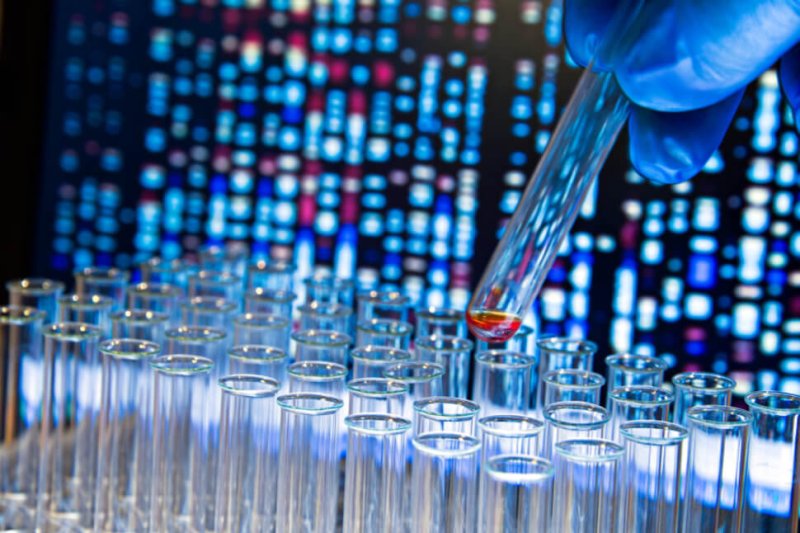
A new study will provide free testing for three mutations that substantially increase the risk for developing breast, ovarian and prostate cancer among people with Eastern European Jewish ancestry.

The BRCA Founder Outreach Study (BFOR)…will test 4,000 men and women in four US cities — New York, Los Angeles, Philadelphia and Boston — for mutations in the BRCA gene that are more common among those with Ashkenazi Jewish ancestry. Those who test positive for one of the mutations will receive genetic counseling to figure out next steps.

But the study’s goal extends beyond cancer or Ashkenazi Jews, said [Dr. Kenneth Offit, who is serving on the study’s executive committee]…

“We think it’s a model for the future of genetic testing in health care,” he said.

What’s new about the way testing is conducted in the BFOR study, Offit said, is the fact that patients sign up online and can choose to receive their results from their primary care provider. The testing will be free for participants, and the study is open to anyone over 25 years old who has health insurance and at least one grandparent with Ashkenazi heritage.

“Yes, we will be testing many individuals of Ashkenazi background and we will save lives for sure because we know that,” he said, “but the research question is to improve the way we offer this information to the whole population.”

Read full, original post: New study on cancer risk in Ashkenazi Jews aims to be model for genetic testing


{{ reviewsTotal }}{{ options.labels.singularReviewCountLabel }}
{{ reviewsTotal }}{{ options.labels.pluralReviewCountLabel }}
{{ options.labels.newReviewButton }}
{{ userData.canReview.message }}

Related Articles

Infographic: Global regulatory and health research agencies on whether glyphosate causes cancer

Infographic: Global regulatory and health research agencies on whether glyphosate causes cancer

Does glyphosate—the world's most heavily-used herbicide—pose serious harm to humans? Is it carcinogenic? Those issues are of both legal and ...

Most Popular

Screenshot-2026-04-20-at-2.26.27-PM
Viewpoint — Food-fear world: The latest activist scientists campaign: Cancer-causing additives
Screenshot-2026-03-13-at-12.14.04-PM
The FDA wants to make many popular prescription drugs OTC—a great idea. Here’s why it’s unlikely to happen
Screenshot-2026-05-04-at-12.54.32-PM
How Utah became the country’s supplement capital  — and a haven for unregulated, ineffective and fake products
Screenshot-2026-05-01-at-11.56.24-AM
‘Science moves forward when people are willing to think differently’: Memories of DNA maverick Craig Venter
Screenshot-2026-04-03-at-11.15.51-AM
Paraben panic: How a flawed study, media hype, and chemophobia convinced the public of the danger of one of the safest classes of preservatives
ChatGPT-Image-May-1-2026-02_20_13-PM
How RFK, Jr.’s false vaccine claims are holding up $600 million to fight diseases in poor countries
Screenshot-2026-04-30-at-2.19.37-PM
5 myths about summer dehydration that could damage your health — or even kill you
ChatGPT-Image-Mar-27-2026-11_27_05-AM
The myths of “process”: What science says about the “dangers’ of synthetic products and ultra-processed foods
Drinking lots of water can help reduce the effects of aging
Nanoplastics in drinking water: MAHA activists forge science-based bipartisan coalition 
viva-la-vida-watermelons
Misinformation and climate change are endangering summer watermelons
ChatGPT-Image-Mar-10-2026-01_39_01-PM
Viewpoint—“Miracle molecule” debunked: Why acemannan supplements don’t work
circular-bioeconomy-should-focus-on-sustainable-wellbeing
GLP podcast: What's wrong with 'doomsday' environmentalism? It's false.
glp menu logo outlined

Get news on human & agricultural genetics and biotechnology delivered to your inbox.