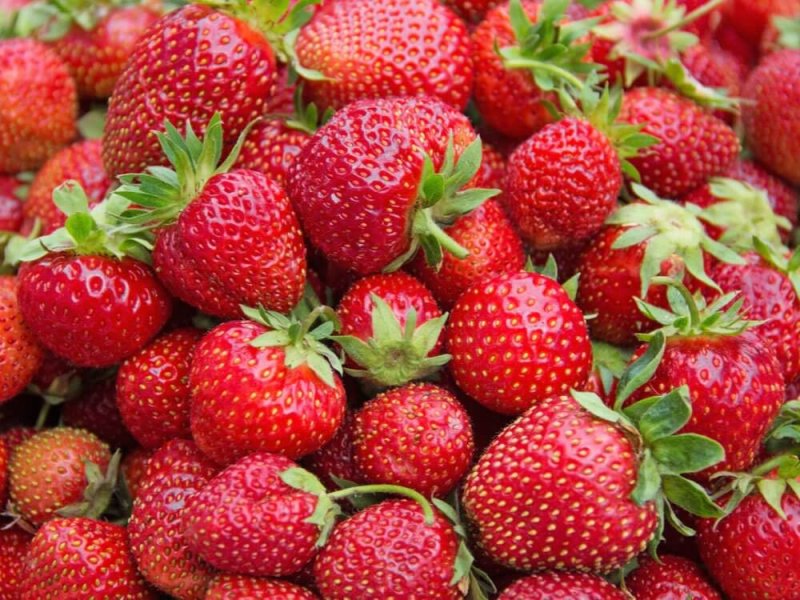
CRISPR strawberries? Monsanto-backed gene-editing venture developing sweeter fruit

Strawberry Inflammation
Image credit: Shutterstock

In a move aimed at securing a place in the rapidly-evolving food technology scene, agricultural giant Monsanto has invested $125 million in a fresh gene-editing startup called Pairwise.

The alliance could tee-up Monsanto, long known for its controversial dealings with farmers and its role in popularizing GMOs, to introduce some of the first produce made using the blockbuster gene-editing tool CRISPR. Sweeter strawberries with a longer shelf-life could be among the earliest offerings.

The tool allows scientists to accurately target specific problem areas within the genome of a living thing, opening up the potential to tweak the DNA of everything from row crops like corn and soy to produce like apples and asparagus in order to make the produce taste sweeter, last longer on the shelf, and even tolerate drought or flooding.

Monsanto and Pairwise aim to get some of the first fruits and vegetables made with CRISPR on grocery store shelves within the next five to 10 years, Tom Adams, who previously served as Monsanto’s vice president of global biotechnology but will leave the company to become the CEO of Pairwise, told Business Insider….
If successful, the move could help the company skirt the misinformation that has plagued previous gene editing tools like GMOs.

Read full, original post: A new Monsanto-backed company is on the verge of producing the first fruit made with a blockbuster gene-editing tool that could revolutionize agriculture


Related Articles

Infographic: Global regulatory and health research agencies on whether glyphosate causes cancer

Infographic: Global regulatory and health research agencies on whether glyphosate causes cancer

Does glyphosate—the world's most heavily-used herbicide—pose serious harm to humans? Is it carcinogenic? Those issues are of both legal and ...

Most Popular

ChatGPT-Image-Mar-10-2026-01_39_01-PM
Viewpoint—“Miracle molecule” debunked: Why acemannan supplements don’t work
ChatGPT-Image-Sep-17-2026-12_28_43-PM
Vitamin D, omega-3 fish oil and glucosamine supplements could cause brain damage 
ChatGPT-Image-Sep-17-2026-10_17_15-AM
Viewpoint: Why are the less intelligent more likely to be conservative—and smarter people more socially liberal?
Screenshot-2026-08-19-at-6.19.42-PM
Facts & Fallacies podcast: 'Regenerative farming'? RFK Jr.’s federal push romanticizes the past and risks food security
ChatGPT-Image-Aug-28-2026-03_33_46-PM
Viewpoint: Bad science—Five bogus Trump administration claims about vaccines and autism
Screenshot-2026-09-10-at-12.20.19-PM
'Jet fuel didn't melt the steel': 9/11 conspiracy theories debunked
Screenshot-2026-08-12-at-11.31.46-AM
AI is helping develop new vaccines
ChatGPT-Image-Sep-9-2026-02_48_24-PM
Viewpoint: Trump-RFK Jr. report on “Gender Ideology & Left-wing Ideology’ targets LGBTQ community—and science
Screenshot-2026-09-14-at-4.31.14-PM
Viewpoint: What’s the likely impact when the EPA loosens rules limiting methane pollution from oil and gas wells?
Eating Nuts Adds up to Longer Life x
For millions with peanut allergies, Nurtured Nuts’ CRISPR gene-edited peanuts could ease the fear of accidental exposure
ChatGPT-Image-Sep-13-2026-10_46_11-AM
“Hit the brakes”: Anthropic warns the race to superintelligence could spawn internet-seizing AI swarms—and empower authoritarians. Here’s how to stop it.
Screenshot-2026-09-15-at-11.04.54-AM
Viewpoint: Childhood deaths in dispute: Why the CDC vs Pennsylvania conflict over measles vaccines matters
glp menu logo outlined

Get news on human & agricultural genetics and biotechnology delivered to your inbox.