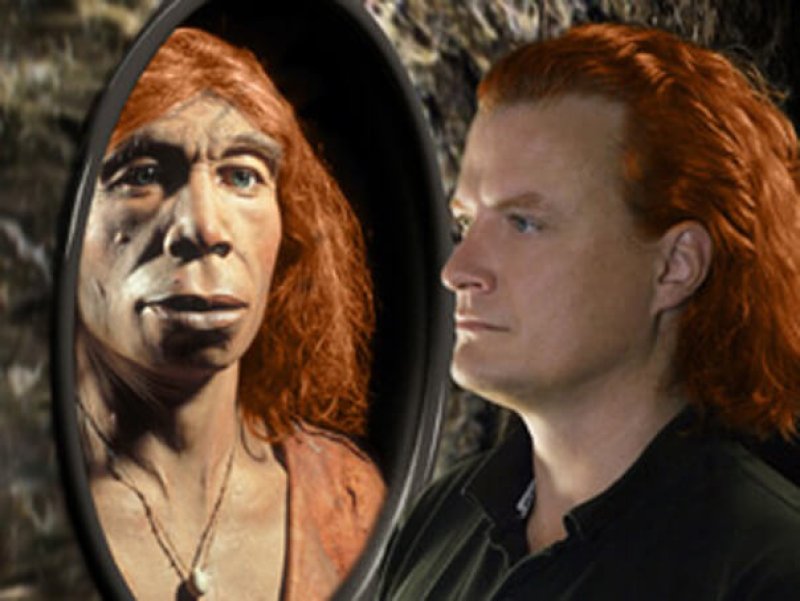
If Neanderthals mated with early modern humans, why does their genome show no evidence of human DNA?

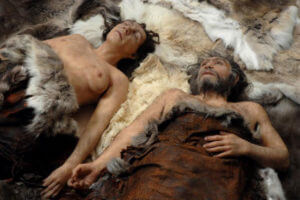
neanderthal paru rosu
Image credit: BBC News

Gene flow between Neanderthals and early modern humans may have been a one-way street, researchers have found.

While the presence of Neanderthal DNA in modern human genomes is well attested, comparatively little is known about variations among Neanderthal genomes themselves. This remains the case, even with so-called “late” Neanderthals: individuals known to have been alive after the time modern humans moved into their territory.

Now, a team led by geneticist Mateja Hajdinjak of the Max Planck Institute for Evolutionary Anthropology in Leipzig, Germany, has succeeded in compiling the genomes of five Neanderthals from the late period, all of whom lived between 39,000 and 47,000 years ago.

Four of the specimens were born after the best-established date for the arrival of Homo sapiens, but, the researchers find, “we do not detect any recent gene flow from early modern humans in their ancestry”.

The absence of human genetic material was thus unexpected. However, the researchers point out that five genomes comprise only a small sample and thus human-to-Neanderthal gene flow cannot be excluded at this stage.

It is possible, too, they say, that despite interbreeding, human DNA simply wasn’t transferred into the Neanderthal’s baggage.

“This may indicate that gene flow affected the ancestry of modern human populations more than it did Neanderthals,” they write, and urge further research to resolve the issue.

Read full, original post: No human DNA found in Neanderthal genome

{{ reviewsTotal }}{{ options.labels.singularReviewCountLabel }}
{{ reviewsTotal }}{{ options.labels.pluralReviewCountLabel }}
{{ options.labels.newReviewButton }}
{{ userData.canReview.message }}

Related Articles

Infographic: Global regulatory and health research agencies on whether glyphosate causes cancer

Infographic: Global regulatory and health research agencies on whether glyphosate causes cancer

Does glyphosate—the world's most heavily-used herbicide—pose serious harm to humans? Is it carcinogenic? Those issues are of both legal and ...

Most Popular

Screenshot-2026-04-22-at-12.21.32-PM
Viewpoint: Why the retracted Monsanto glyphosate study doesn’t change the science—the world’s most popular herbicide is safe 
Picture1
The FDA couldn’t find a vaccine safety crisis, so it buried its own research
ChatGPT-Image-Apr-16-2026-02_56_53-PM
Financial incentives, over diagnosis, and weak oversight: Autism claims are driving up Medicare costs
global warming
‘Implausible’: Top climate scientists reject worst-case scenario—soaring temperatures and fast-rising sea levels
cousin
Marrying your cousin: Might it provide some evolutionary benefits?
ChatGPT-Image-May-1-2026-11_42_59-AM-2
Viewpoint: NAD is the wellness grifters latest evidence-lite longevity fad. At least the mice are impressed.

Sorry. No data so far.

glp menu logo outlined

Get news on human & agricultural genetics and biotechnology delivered to your inbox.