
Italian politician calls on EU to embrace new plant breeding techniques to cut farming’s environmental impact

Paolo De Castro
Image source: Terra e Vita

The new plant breeding techniques (NPBTs) are a major opportunity to move toward sustainable agriculture and simultaneously ensure food quality for EU consumers, MEP Paolo De Castro told EURACTIV.com.

According to De Castro (S&D), the EU should embrace innovation more and more in order to boost food production and cut the environmental impact of farming.

“In this sense, plant breeding innovation holds enormous promise for helping protect crops against drought and diseases while increasing nutritional values or eliminating allergens.”

NPBTs concern a number of scientific methods for the genetic engineering of plants to enhance traits like drought tolerance and pest resistance.

Critics say they should fall under the GM legislation while supporters say the methods do not transfer any gene from one plant to another but rather accelerate modifications that could happen in nature and therefore, should not be regulated as GMOs.
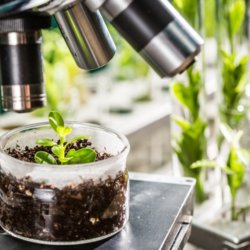
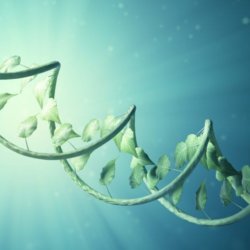
A European Court of Justice (ECJ) ruling is expected soon on “mutagenesis” method. In theory, the court’s ruling will provide more clarity about the EU policy framework for these techniques.

De Castro said he expected the court decision to encourage innovative and sustainable plant breeding, also in consideration of a similar US decision on the issue.

Read full, original post: MEP De Castro: New plant breeding techniques will ensure food quality and quantity

Related Articles

Infographic: Global regulatory and health research agencies on whether glyphosate causes cancer

Infographic: Global regulatory and health research agencies on whether glyphosate causes cancer

Does glyphosate—the world's most heavily-used herbicide—pose serious harm to humans? Is it carcinogenic? Those issues are of both legal and ...

Most Popular

Screenshot-2026-09-20-at-9.03.54-AM
From Malaysia to the world: A pioneering science communicator reimagines global science communication for a digital age
ChatGPT-Image-Mar-10-2026-01_39_01-PM
Viewpoint—“Miracle molecule” debunked: Why acemannan supplements don’t work
ChatGPT-Image-Sep-17-2026-12_28_43-PM
Vitamin D, omega-3 fish oil and glucosamine supplements could cause brain damage 
Screenshot-2026-08-12-at-11.31.46-AM
AI is helping develop new vaccines
Screenshot-2026-09-16-at-2.26.42-PM
Viewpoint: How to ecologically damage America’s forests: Ban glyphosate
ChatGPT-Image-Sep-20-2026-04_22_32-PM
What’s Trump’s ‘AI Force’? Administration rushes to announce ill-defined watchdog and czar amid criticism of its resistance to curb AI acceleration
Screenshot-2026-09-20-at-4.31.28-PM
White House drafting executive order to control what OMB Director Vought claims are “woke” NIH science grants
Screenshot-2026-08-19-at-6.19.42-PM
Facts & Fallacies podcast: 'Regenerative farming'? RFK Jr.’s federal push romanticizes the past and risks food security
Screenshot-2026-09-14-at-4.31.14-PM
Viewpoint: What’s the likely impact when the EPA loosens rules limiting methane pollution from oil and gas wells?
ChatGPT-Image-Aug-28-2026-03_33_46-PM
Viewpoint: Bad science—Five bogus Trump administration claims about vaccines and autism
ChatGPT-Image-Sep-20-2026-09_47_55-AM
Trump says he’ll require drugmakers to end multiple vaccine doses, reviving discredited autism claims
ChatGPT-Image-Sep-9-2026-02_48_24-PM
Viewpoint: Trump-RFK Jr. report on “Gender Ideology & Left-wing Ideology’ targets LGBTQ community—and science
glp menu logo outlined

Get news on human & agricultural genetics and biotechnology delivered to your inbox.