Viewpoint: New GMO labels will make consumer confusion worse, not better

GTY food label ml x
Image credit: Getty Images

So just how bad are the new federal regulations on labeling genetically engineered food?

I don’t think anyone is standing up and cheering The National Bioengineered Food Disclosure Standard (NBFDS), as it’s called, was supposed to replace a potentially expensive and confusing proliferation of statewide standards with a single national standard for labeling GMOs. It does that, or at least it will if it survives the inevitable court challenges it will face. But it also preserves all the muddle, gaps, and inconsistencies about GMO labeling that you might have hoped would be cleared up along the way.

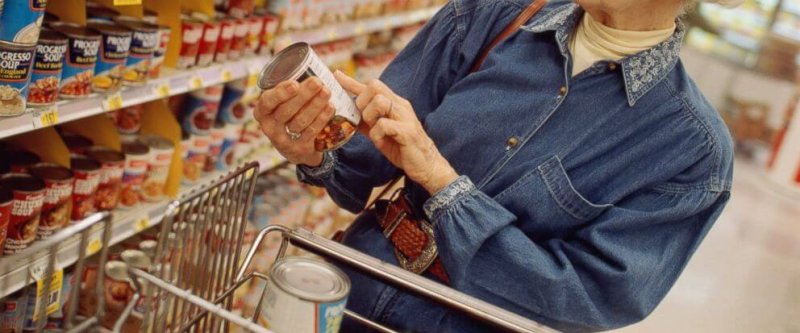
In short, when you’re at the grocery store, and you see a package that says the product includes BE ingredients, or better yet, you see one of AMS’s adorable smiley-face BE logos, you’ll know there’s something that you would call a GMO inside. But if it doesn’t, you won’t know much of anything. Under the proposed rule, unlabeled products might contain GMO ingredients, or might not—it just depends.

I’m not sure we needed a GMO labeling program, but if we’re going to have one, surely we deserve something better than this.

Read full, original post: Here’s everything wrong with the government’s confusing new GMO labeling law


{{ reviewsTotal }}{{ options.labels.singularReviewCountLabel }}
{{ reviewsTotal }}{{ options.labels.pluralReviewCountLabel }}
{{ options.labels.noReviewsLabel }}
{{ options.labels.newReviewButton }}
{{ userData.canReview.message }}

Related Articles

Infographic: Global regulatory and health research agencies on whether glyphosate causes cancer

Infographic: Global regulatory and health research agencies on whether glyphosate causes cancer

Does glyphosate—the world's most heavily-used herbicide—pose serious harm to humans? Is it carcinogenic? Those issues are of both legal and ...

Most Popular

Picture1
Hiroshima at 81: America’s new nuclear bomb, a buried Iranian target, and a question no one wants to ask
Screenshot-2026-07-30-at-3.07.42-PM
Controversy over WNBA star Sophie Cunningham’s comment opposing trans females in women’s sports reinvigorates the culture wars
ChatGPT Image Jul 29, 2026, 05_50_04 PM
Fear, science, and the law: If talc powder is unlikely to cause cancer and J&J was winning in court, why did it pay more than $5.5 billion to settle?
Screenshot 2026-07-29 at 1.03
Two food fads that have some merit: Chia seeds in almost everything and protein added to water
ChatGPT Image Jul 29, 2026, 06_26_01 PM 2
Facts & Fallacies podcast: Organic food myths make a comeback on Instagram, with Dr. Kevin Folta
ChatGPT Image Jul 29, 2026, 10_14_27 PM
After muzzling RFK, Jr. over autism-vaccine conspiracy theories, Trump defies aides to push scares again
ChatGPT-Image-Mar-10-2026-01_39_01-PM
Viewpoint—“Miracle molecule” debunked: Why acemannan supplements don’t work
Screenshot-2026-07-09-at-1.09.25-PM
Anti-vaccine myths rattle health care
ChatGPT Image Jul 29, 2026, 10_31_48 PM
Bowing to Congressional pressure, Kennedy reverses himself and releases $600 million that helps developing countries buy and distribute vaccines
Screenshot 2026-07-28 at 3.22
Hidden hunger: Climate change is speeding up the decline of important nutrients in our food
Screenshot 2026-07-28 at 3.43
Fat cat? GLP-1 weight loss drugs for animals are on the horizon
Screenshot 2026-07-22 at 1.38
Viewpoint: Are the U.S. and Europe headed towards a repudiation of agricultural biotechnology red tape?
Screenshot-2026-07-30-at-2.30.35-PM
Climate scientists claim conservative activists are promoting ‘lies’ that Europe’s summer heatwaves are far from unusual
glp menu logo outlined

Get news on human & agricultural genetics and biotechnology delivered to your inbox.