Viewpoint: Even as a doctor, I didn’t understand my 23andMe breast cancer risk analysis

cancer

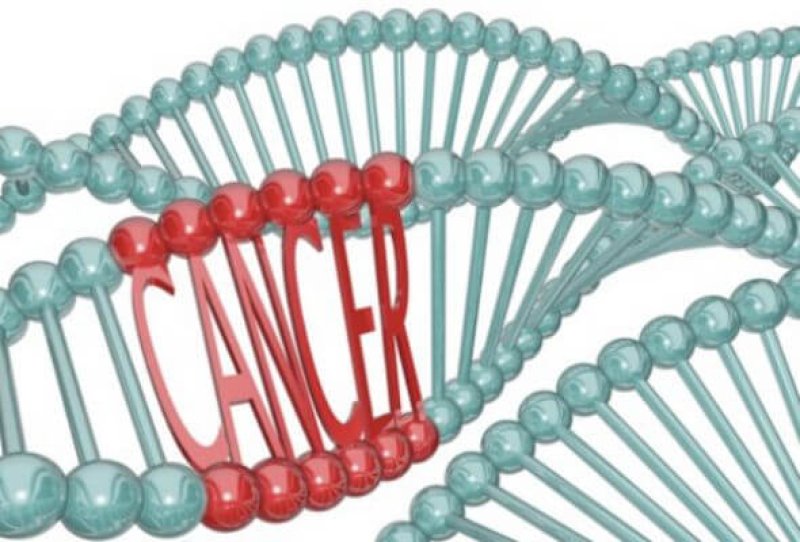
Anyone can order 23andMe — with less than $150 and a small tube of saliva, you can learn much about your ancestry, where your family came from, and whom you might be related to. Even more than learning about your ancestry, you may be interested in the medical implications of the results — for example how well your body can handle certain drugs, or caffeine. Or whether you are at risk for allergies, heart disease… or even cancer.

The 23andMe test is not intentionally misleading. But on the other hand, it’s important to understand that knowledge itself also has limits. You’ll only find out BRCA gene risks if both of your parents are of Jewish ancestry. That explains why when I read my 23andMe results, there was nothing about BRCA —  my Swiss-French ancestry made it unlikely, as did the fact that I had no other high-risk factors. Still, I do have the BRCA mutation and did get breast cancer.

However, even as a doctor, I did not completely grasp that when my 23andMe test came back as only a slightly increased risk for breast cancer, this would have no real meaning for me. So how can we expect the general consumer to fully understand this?

When dealing with direct-to-consumer tests that may help address and/or raise important health issues, we as consumers need to fully understand the fine print.

Read full, original post: What genetic testing didn’t tell me about my cancer

{{ reviewsTotal }}{{ options.labels.singularReviewCountLabel }}
{{ reviewsTotal }}{{ options.labels.pluralReviewCountLabel }}
{{ options.labels.newReviewButton }}
{{ userData.canReview.message }}

Related Articles

Infographic: Global regulatory and health research agencies on whether glyphosate causes cancer

Infographic: Global regulatory and health research agencies on whether glyphosate causes cancer

Does glyphosate—the world's most heavily-used herbicide—pose serious harm to humans? Is it carcinogenic? Those issues are of both legal and ...

Most Popular

ChatGPT-Image-Mar-4-2026-09_39_03-AM
Transgender female athletes and Title IX: Separating ‘policy’ from ‘legality’

ChatGPT-Image-Jun-30-2026-01_09_47-PM
Viewpoint: As MAHA blows up over Supreme Court ruling limiting glyphosate litigation, Trump offers toothless plan to reduce pesticides in food
marijuana-pot-in-hand-nveri-st-xpm-t-abq-fkifeos-s-rws-cmpx-
Facts & Fallacies podcast: Legalized weed drives drug addiction, psychosis?
ChatGPT-Image-Jun-25-2026-12_23_17-PM
No, Bill Gates did not secretly engineer ticks to promote veganism
Screenshot-2026-06-17-at-12.31.01-PM
Viewpoint: The dangerous influence of ‘woke’ post-modernism in science
Screenshot-2026-06-30-at-2.06.25-PM
PEW study: The sick state of American health information
ChatGPT-Image-Jun-23-2026-12_19_35-PM
Ideological red flag: Led by anti-vax doctor, Tennessee is now the U.S. epicenter selling potent ivermectin shown worthless to prevent or treat Covid
ChatGPT-Image-Mar-10-2026-01_39_01-PM
Viewpoint—“Miracle molecule” debunked: Why acemannan supplements don’t work
photodune farming tractor s
Viewpoint: Glyphosate may be hazardous, but it is not dangerous as used by farmers. Critics of the Supreme Court’s Roundup ruling garble hazard with risk
ChatGPT-Image-Jun-25-2026-01_14_50-PM
Viewpoint: Disinformation grift: The wellness industry is a lucrative and mostly worthless marketplace of ‘balms, brews, and baloney’
Screenshot-2026-06-30-at-10.43.50-AM
Viewpoint: Why are there no approved bioengineered insect-protected (Bt) apples?
Screenshot-2026-06-30-at-3.08.03-PM
From infrared sauna blankets to collagen gummies, here’s the top 10 social-media-promoted wellness shams
Trans-flag
Explaining the Supreme Court ruling empowering states to ban transgender female athletes from competing in women’s sports
glp menu logo outlined

Get news on human & agricultural genetics and biotechnology delivered to your inbox.