USDA, World Health Organization butt heads over use of antibiotics in agriculture

antibiotics
Image: Healthline

The Trump administration is resisting the World Health Organizationโ€™s effort to sharply limit antibiotic use in farm animals…

Theย WHO guidelinesย — released in November…called for an end to giving medically important antibiotics routinely to healthy animals to promote growth or prevent disease. The United Nations agency said the drugs should be administered only to sick animals or healthy ones being raised near them, in the same flock, herd or fish population. Even then, drugs โ€œcritically important for human medicineโ€ should not be used.

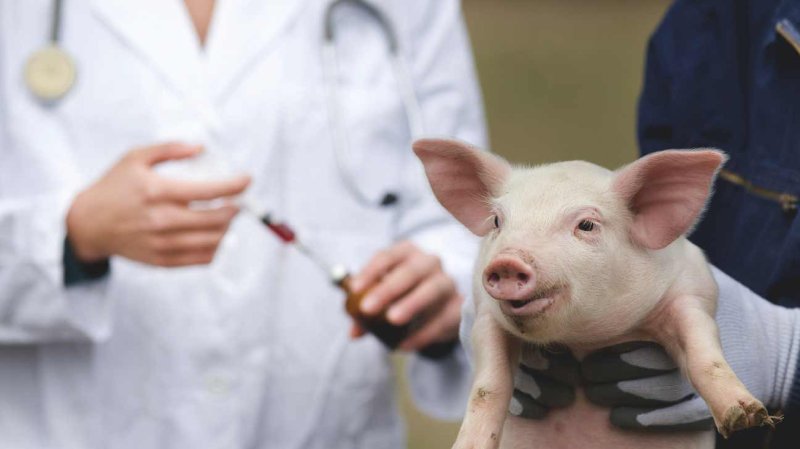
The Agriculture Department termed the effort shoddy science and one that the U.S. and other countries should have had a voice in developing. (The WHO kept country representatives out of the process to avoid potential conflicts.) U.S. policy bans antibiotics to promote growth in farm animals but still allows the drugs to be given to healthy animals to prevent disease with a veterinarianโ€™s approval.

A few months earlier, at an international food-standards meeting, Mary Frances Lowe, a USDA trade official, argued that other international agencies had more expertise to provide farm advice than the WHO did.

Meghan Rodgers, the USDAโ€™s press secretary, reiterated Loweโ€™s comments and said the WHO should have waited until agencies with expertise in agriculture and animal health endorsed the guidelines or should have collaborated with them in the first place.

Read full, original article:ย Trumpโ€™s USDA Fights Global Guidelines on Livestock Antibiotics

{{ reviewsTotal }}{{ options.labels.singularReviewCountLabel }}
{{ reviewsTotal }}{{ options.labels.pluralReviewCountLabel }}
{{ options.labels.newReviewButton }}
{{ userData.canReview.message }}

Related Articles

Infographic: Global regulatory and health research agencies on whether glyphosate causes cancer

Infographic: Global regulatory and health research agencies on whether glyphosate causes cancer

Does glyphosateโ€”the world's most heavily-used herbicideโ€”pose serious harm to humans? Is it carcinogenic? Those issues are of both legal and ...

Most Popular

Screenshot 2026-05-26 at 10.15
Viewpoint: Double standardโ€”Why does the wellness industry get a free pass while Big Healthcare is treated as morally suspect?
ChatGPT-Image-Jun-4-2026-11_49_36-AM-2
โ€˜You donโ€™t understand Tolkienโ€™: Skeptic Pope trolls tech giants about the exaggerated, risk-less benefits of AI
ChatGPT-Image-Jun-4-2026-01_27_58-PM
Viewpointโ€”N.A.D.+: Why Gwenyth Paltrowโ€™s heralded anti-aging supplement doesnโ€™t work
Screenshot 2025-07-30 at 10.48
Can gene editing eliminate Down syndrome? Scientists have done it in lab-grown cells
downsyndrome_compilation_MID_1
CRISPR breakthrough that can remove the chromosome responsible for Down syndrome raises ethical questions
tick-DNA
GLP podcast: Spread meat allergy with gene-edited ticks? Bioethicists pose vile โ€˜thought experimentโ€™
Screenshot-2026-06-03-at-1.24.46-PM
Challenging anti-GMO disinformation: Why genetically-tweaked crops offer bushels of benefits
ChatGPT-Image-Mar-10-2026-01_39_01-PM
Viewpointโ€”โ€œMiracle moleculeโ€ debunked: Why acemannan supplements donโ€™t work
Screenshot-2026-06-04-at-12.05.08-PM
Cases of brain inflammation surge as U.S. measles pandemic approaches 2000
ChatGPT Image May 26, 2026, 08_42_17 AM (1)
Viewpoint: Greenpeace and poison: How environmental advocacy groups rely on compliant (and often ignorant) journalists to spread disinformation and spark litigation
ChatGPT-Image-May-26-2026-07_51_21-AM-2
Viewpoint: There are more than 1,000 chemicals in a cup of coffeeโ€”including many substances that can cause cancer. Why isnโ€™t it banned?

Sorry. No data so far.

glp menu logo outlined

Get news on human & agricultural genetics and biotechnology delivered to your inbox.