What we still need to know about ‘alternative’ meats

fullsizeoutput

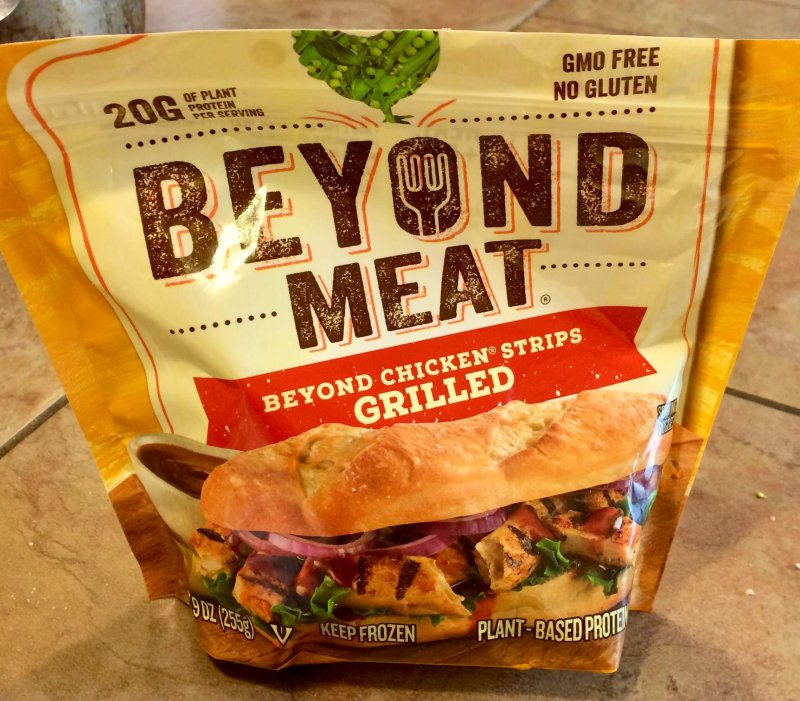
“Alternative Proteins” are a hot topic right now; the media, business and farmers are looking at the future of these products and their potential impact on the animal protein sector. The products fall into two groups: plant-based, which are currently on the market; and “lab grown” or “cultured,” which are derived from animal cells and are still in the development stage…

…

Developing a clear understanding of these products is critical. Both plant-based and cultured products are often promoted as being more sustainable, environmentally friendly, ethical and “pro- animal” than traditionally produced meat. These claims are generally accepted without challenge by interested consumers but have not been subject to rigorous examination.

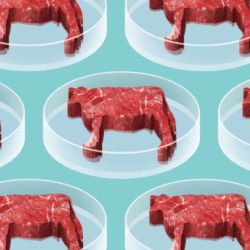
Particularly regarding cultured products, there are a lot of unanswered questions…We need to know the animal source of the cell lines used and the inputs used in replicating them outside an animal. How are they “fed”? Are antibiotics used, and if not, how can manufacturers be allowed to call these products “clean”?
…

…Since cultured products…have not yet hit the market, there is a question about whether they should be regulated by the FDA or by USDA’s Food Safety and Inspection Service (FSIS). Proponents of the products want them regulated by the FDA. This is not surprising since FDA regulation will give them far less scrutiny in both inspection of the production process and the making of label claims.

Read full, original article: Fake Pork for Breakfast?

Related Articles

Infographic: Global regulatory and health research agencies on whether glyphosate causes cancer

Infographic: Global regulatory and health research agencies on whether glyphosate causes cancer

Does glyphosate—the world's most heavily-used herbicide—pose serious harm to humans? Is it carcinogenic? Those issues are of both legal and ...

Most Popular

ChatGPT-Image-Mar-10-2026-01_39_01-PM
Viewpoint—“Miracle molecule” debunked: Why acemannan supplements don’t work
ChatGPT-Image-Sep-10-2026-10_36_07-AM
Viewpoint: Even lousy scientific articles can shield authors when they hype dubious health claims and products
sorghum farmers in kenya FARMERS TREND
Here are all the ways CRISPR gene editing is transforming Africa’s staple crops—and there’s a lot more innovation to come
Screenshot-2026-10-01-at-11.21.27-AM
Vaccine hesitancy, like malaria, surges globally, topping 35% in some countries
ChatGPT-Image-Sep-30-2026-01_11_07-PM
How U.S. teamed with Russia to block global human AI weapons oversight
ChatGPT-Image-Sep-21-2026-03_15_09-PM
Viewpoint: Chipotle-inspired lesson: 10,000 sick customers suggest that processed foods can be safer than fresh ones
ChatGPT-Image-Sep-30-2026-01_25_34-PM
Blood tests for Alzheimer’s? The latest grifter, social media scam.
generated-1790707585414
Facts & Fallacies podcast: America's health care system is broken. A doctor explains how to fix it
ChatGPT-Image-Sep-29-2026-12_16_42-PM
Social media influencers are driving food misinformation across Europe
Screenshot-2026-09-28-at-1.16.38-PM
Defying public perceptions, U.S. cancer deaths plunged 35% since 1991
ChatGPT-Image-Sep-30-2026-01_38_36-PM
Viewpoint: Died “with measles” vs. died “from measles”: RFK, Jr.’s dangerously subversive word games
glp menu logo outlined

Get news on human & agricultural genetics and biotechnology delivered to your inbox.