Responding to Senator Schumer’s demand for glyphosate data, FDA says it found ‘no pesticide residue violations’

web VMS a Pesticides
Image Credit: Vernon Morning Star
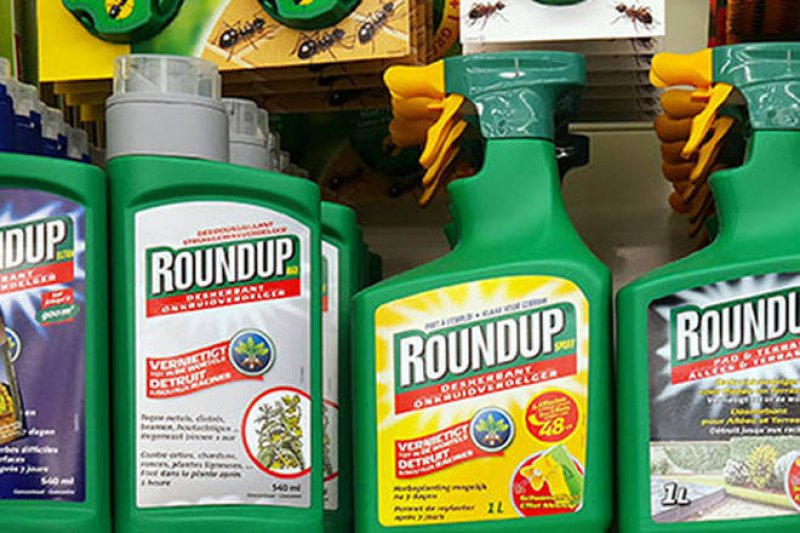
[The recent] media frenzy — and large dose of scientific criticism — over the Environmental Working Group’s glyphosate residues report, which found trace amounts of the herbicide in popular foods like cereal, oatmeal and snack bars, has prompted a renewed focus on what FDA is up to on glyphosate these days.

Senate Minority Leader Chuck Schumer jumped into the fray on [August 19th], calling on the agency to release the results of its residue testing. “Simply put, the FDA must not only weed out the facts on glyphosate, but they must update the public on their progress,” he said. “I have full confidence in their ability to effectively continue this study, but we are here to send them a message: get going.”

FDA said its testing project has been completed and “the results are being evaluated and those results will be included when the agency releases the 2017 pesticide report.” It could be a two-year process for the results to be posted, the agency added.

FDA said it found no pesticide residue violations for glyphosate in “preliminary testing” of samples of soybeans, corn, milk and eggs conducted between 2016 and 2017.

Read full, original article: FDA pressed to release glyphosate residue data

{{ reviewsTotal }}{{ options.labels.singularReviewCountLabel }}
{{ reviewsTotal }}{{ options.labels.pluralReviewCountLabel }}
{{ options.labels.newReviewButton }}
{{ userData.canReview.message }}

Related Articles

Infographic: Global regulatory and health research agencies on whether glyphosate causes cancer

Infographic: Global regulatory and health research agencies on whether glyphosate causes cancer

Does glyphosate—the world's most heavily-used herbicide—pose serious harm to humans? Is it carcinogenic? Those issues are of both legal and ...

Most Popular

Screenshot 2026-05-26 at 10.15
Viewpoint: Double standard—Why does the wellness industry get a free pass while Big Healthcare is treated as morally suspect?
ChatGPT-Image-Jun-4-2026-01_27_58-PM
Viewpoint—N.A.D.+: Why Gwenyth Paltrow’s heralded anti-aging supplement doesn’t work
ChatGPT-Image-Mar-10-2026-01_39_01-PM
Viewpoint—“Miracle molecule” debunked: Why acemannan supplements don’t work
ChatGPT-Image-Jun-4-2026-11_49_36-AM-2
‘You don’t understand Tolkien’: Skeptic Pope trolls tech giants about the exaggerated, risk-less benefits of AI
Screenshot 2025-07-30 at 10.48
Can gene editing eliminate Down syndrome? Scientists have done it in lab-grown cells
Screenshot-2026-06-03-at-1.24.46-PM
Challenging anti-GMO disinformation: Why genetically-tweaked crops offer bushels of benefits
downsyndrome_compilation_MID_1
CRISPR breakthrough that can remove the chromosome responsible for Down syndrome raises ethical questions
tick-DNA
GLP podcast: Spread meat allergy with gene-edited ticks? Bioethicists pose vile ‘thought experiment’
Screenshot-2026-06-04-at-12.05.08-PM
Cases of brain inflammation surge as U.S. measles pandemic approaches 2000
ChatGPT-Image-May-26-2026-07_51_21-AM-2
Viewpoint: There are more than 1,000 chemicals in a cup of coffee—including many substances that can cause cancer. Why isn’t it banned?
ChatGPT Image May 26, 2026, 08_42_17 AM (1)
Viewpoint: Greenpeace and poison: How environmental advocacy groups rely on compliant (and often ignorant) journalists to spread disinformation and spark litigation

Sorry. No data so far.

glp menu logo outlined

Get news on human & agricultural genetics and biotechnology delivered to your inbox.