DNA testing boom drives demand for genetic counselors

web genetics may bt
Image credit: Bizuayehu Tesfaye/Las Vegas Review
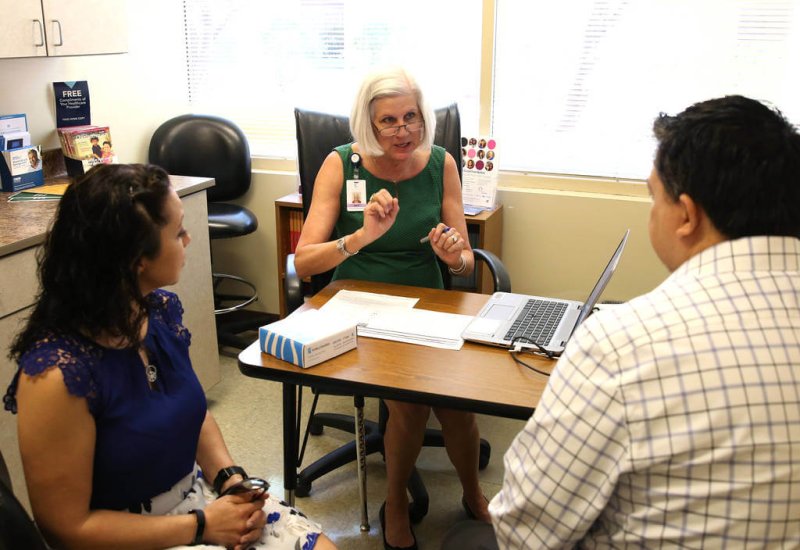
[W]ith precision medicine going mainstream and an explosion of apps piping genetic insights to your phone from just a few teaspoons of spit, millions of Americans are having their DNA decoded every year. That deluge of data means that genetic counselors—the specialized medical professionals trained to help patients interpret genetic test results—are in higher demand than ever. With two to three job openings for every new genetic counseling graduate, the profession is facing a national workforce shortage.

Baylor runs one of 11 new accredited programs in North America (10 in the US and one in Canada) that have launched in the last three years, increasing the total number of training programs on the continent by a third. There are at least a dozen more in various stages of development.

But with the shortfall in genetic counselors, there also aren’t enough professionals to train the up-and-comers. Most programs can only accept 8 to 12 new students per year, because accrediting standards require each student to handle a certain number of clinical cases. Yet there are only so many supervisors to go around.

Counselors have also left the clinic for higher-paying jobs in other branches of the healthcare industry. Genetic counselors make less than other medical professionals with similar training.

There might be more ways to decode your DNA than ever before, but interpretation is still a scarce commodity.

Read full, original post: So much genetic testing. So few people to explain it to you

{{ reviewsTotal }}{{ options.labels.singularReviewCountLabel }}
{{ reviewsTotal }}{{ options.labels.pluralReviewCountLabel }}
{{ options.labels.newReviewButton }}
{{ userData.canReview.message }}

Related Articles

Infographic: Global regulatory and health research agencies on whether glyphosate causes cancer

Infographic: Global regulatory and health research agencies on whether glyphosate causes cancer

Does glyphosate—the world's most heavily-used herbicide—pose serious harm to humans? Is it carcinogenic? Those issues are of both legal and ...

Most Popular

Picture1-5
Science Disinformation Gap: The transatlantic battle over social media and censorship
ChatGPT Image May 10, 2026, 08_16_59 PM 2
Overmedicalization? RFK Jr.’s antidepressant crackdown raises conflict questions over his fee stake in Wisner Baum, the tort firm built on suing drug makers
Screenshot-2026-05-12-at-9.58.31-PM
'He seems fine': Marty Makary out as FDA commissioner
ChatGPT-Image-May-12-2026-08_39_41-PM
GLP podcast: Big Pharma, Big Ag, Big Food—health harming industries or life-saving innovators?
Picture1-1
Cooling the planet with balloons: Could a geoengineering gamble slow global warming?
Screenshot-2026-04-23-at-11.00.36-AM
Regulators' dilemma: Thalidomide, Metformin, and the cost of getting drug approvals wrong
Screenshot-2026-05-12-at-10.05.11-AM
Pro-vaccine “hero” vs. an anti-vax “villain”: ‘Bad Vaxx’ video stirs MAHA backlash
Picture1-14
When superbugs threaten vulnerable children: Can AI help solve antibiotic resistance?
Screenshot-2026-04-12-135256
Bixonimania: The fake disease scam that AI swallowed whole
Screenshot-2026-05-11-104424
Hantavirus outbreak research: Trump administration shut down study last year on rodent-to-human transmission
glp menu logo outlined

Get news on human & agricultural genetics and biotechnology delivered to your inbox.