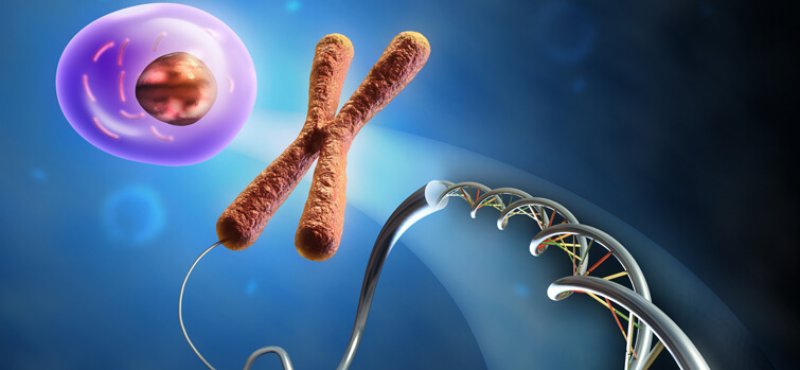
Epigenetics, the study of mechanisms by which genes are turned on or off without altering their genetic code or DNA sequences, is one of many ways that cells regulate gene expression. Epigenetics has helped scientists better understand complex and diverse biological processes such as cell differentiation, genomic imprinting, and X-chromosome inactivation.
…
Two new methods of epigenetic assessment and intervention, APOBEC-coupled epigenetic sequencing (ACE-seq) and CRISPR, have the potential to dramatically enhance epigenetic research and its clinical applications.
Described in Nature Biotechnology [October 8], ACE-seq is a bisulfite-free method for localizing 5-hydroxymethylcytosine at single-base resolution with low DNA input and without harming DNA.
…

In 2017, scientists from the Salk Institute for Biological Studies in California reported a robust CRISPR-Cas9–based system for activating target genes in vivo by modulating histone modifications rather than by editing DNA sequences. They found that their system was successful in ameliorating disease symptoms in mouse models of diabetes and muscular dystrophy. Prior to this paper, most approaches to alter epigenetic processes relied on drugs that ubiquitously add or remove histone modifications, potentially affecting off-target genes and producing serious side effects.
…
Incorporating these new epigenetic technologies when examining the multiple biological factors that regulate gene expression will better illuminate whether or how environmental factors and lifestyles can modify what we classically believed was our DNA destiny.
Read full, original post: Opinion: The New Frontiers of Epigenetics