Viewpoint: UN should reject a proposed ban on gene drives

gene drive
A draft resolution would revise the U.N. Convention on Biological Diversity to call on governments to “refrain from” releasing organisms containing engineered gene drives, according to the MIT Technology Review. A gene drive is a technology that can rapidly propagate a particular set of genes throughout a population, including genes that cause sterility in a species.

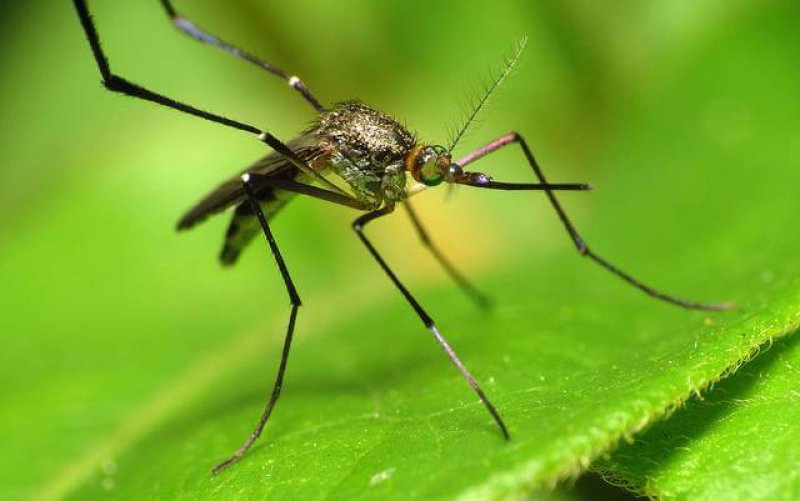
Earlier this year, researchers at Imperial College London reported doing just that in malaria-carrying mosquito species. The genetic construct engineered into the mosquitoes caused female mosquitoes to become sterile. Passed along by engineered male mosquitoes, lab-grown populations went extinct after seven to 11 generations. Crashing populations of malaria-carrying mosquitoes in the wild could annually save half a million lives and spare hundreds of millions from the misery of this disease.

The proposed ban is supported by some of the more radical anti-science activist groups. For example, the luddite ETC Group (along with Friends of the Earth) have launched a petition that calls “for a global moratorium on any release of engineered gene drives. This moratorium is necessary to affirm the precautionary principle,* which is enshrined in international law, and to protect life on Earth as well as our food supply.”

Follow the latest news and policy debates on sustainable agriculture, biomedicine, and other ‘disruptive’ innovations. Subscribe to our newsletter.
To counter this nonsense, gene drive researchers have issued an open letter that strongly pushes back against the proposed ban, which would apply even to experiments:

Closing the door on research by creating arbitrary barriers, high uncertainty, and open-ended delays will significantly limit our ability to provide answers to the questions policy-makers, regulators and the public are asking. The moratorium suggested…would prevent the full evaluation of the potential uses of gene drive. Instead, the feasibility and modalities of any field evaluation should be assessed on a case-by-case basis….

Member States can enable the Convention on Biological Diversity to be a platform for knowledge and experience sharing. We should not decide against the use of a tool before potential costs and benefits can be fully evaluated. We urge governments to ensure the decisions taken at the Convention on Biological Diversity’s next meeting do not amount to a moratorium on gene drive research, but instead offer a balanced and constructive way forward for Parties to learn and monitor this field of research.

The good news is that since decisions require consensus, negotiators are unlikely to approve the ban, since some countries with biotech industries are expected to oppose the measure.

(*The precautionary principle is the idea that we should never do anything for the first time.)

Ronald Bailey is science correspondent for Reason magazine and the author, most recently, of The End of Doom (2015). Follow him on Twitter @RonaldBailey

This article originally appeared on Reason as Proposed U.N. Test Ban on Gene Drives Is Idiotic, and has been republished here with permission.

{{ reviewsTotal }}{{ options.labels.singularReviewCountLabel }}
{{ reviewsTotal }}{{ options.labels.pluralReviewCountLabel }}
{{ options.labels.newReviewButton }}
{{ userData.canReview.message }}

Related Articles

Infographic: Global regulatory and health research agencies on whether glyphosate causes cancer

Infographic: Global regulatory and health research agencies on whether glyphosate causes cancer

Does glyphosate—the world's most heavily-used herbicide—pose serious harm to humans? Is it carcinogenic? Those issues are of both legal and ...

Most Popular

Screenshot-2026-06-17-at-12.31.01-PM
Viewpoint: The dangerous influence of ‘woke’ post-modernism in science
ChatGPT-Image-Mar-10-2026-01_39_01-PM
Viewpoint—“Miracle molecule” debunked: Why acemannan supplements don’t work
covid-vaccine
Blocked by Kennedy’s CDC, validated by peer-reviewed scientists: Suppressed COVID vaccine study published in JAMA finds 50% risk cut
ChatGPT-Image-Jun-25-2026-12_23_17-PM
No, Bill Gates did not secretly engineer ticks to promote veganism
Sampling_a_strawberry_32206461974
Viewpoint: Which is worse: Trace PFAS ‘forever chemicals’ on strawberries or the fear that scares people away from eating them?
NYPICHPDPICT000011561063
Viewpoint: From magnetizing your head to taking useless supplements, the wellness craze has morphed into an obsession of the affluent
ChatGPT-Image-Jun-26-2026-01_21_33-PM
How the dubious, Trump-backed, addictive drug kratom could enrich cabinet secretary Markwayne Mullin
Screenshot-2026-06-25-at-4.08.41-PM
Even in blue states, hospitals have continued to drop gender-affirming care for youths
Podolay_1_transplantacia_srdca_1968
From printers to pigs: The precarious future of organ transplants
Screenshot-2026-06-25-at-11.18.03-AM
Viewpoint: Appreciating a simpler past without swallowing the misleading ‘nature is healthier and safer’ myth
Screenshot-2026-06-26-at-10.14.50-AM
Viewpoint: The facts behind the grifter-promoting wellness and anti-aging peptide craze: Don’t waste your money
ChatGPT-Image-Jun-26-2026-11_34_33-AM
Viewpoint: RFK, Jr.’s vaccine subterfuge campaign now flies below the media radar
Screenshot-2026-06-25-at-1.48.40-PM
Glyphosate affirmed as safe: Supreme Court rejects lawsuit claiming Roundup herbicide causes cancer, upholding EPA determination
ChatGPT-Image-Jun-19-2026-04_11_20-PM
Daubert for Dummies—Scientific Reliability in U.S. Courts: Daubert, Rule 702, and Made-for-Litigation Evidence
glp menu logo outlined

Get news on human & agricultural genetics and biotechnology delivered to your inbox.