In 1998, while looking for topics for her Master’s thesis at the American University in Cairo, [Rana] el Kaliouby stumbled upon a book by MIT researcher Rosalind Picard. It argued that, since emotions play a large role in human decision-making, machines will require emotional intelligence if they are to truly understand human needs. El Kaliouby was captivated by the idea that feelings could be measured, analyzed, and used to design systems that can genuinely connect with people.
…
Today, el Kaliouby is the CEO of Affectiva, a company that’s building the type of emotionally intelligent AI systems Picard envisioned two decades ago. Affectiva’s software measures a user’s emotional response through algorithms that identify key facial landmarks and analyze pixels in those regions to classify facial expressions. Combinations of those facial expressions are then mapped to any of seven different emotions as well as some complex cognitive states such as drowsiness and distraction. Separate algorithms also analyze voice patterns and inflections.
Affectiva’s software allows market researchers to gauge a response to ads and TV shows. It powers furry social robots that help children stay engaged in learning. And, in the near future, it will allow cars to detect when drivers are dozing off.
…
[E]l Kaliouby and others in the affective computing field envision a world where technologies respond to user frustration, boredom, or even help alleviate human suffering.
Saving seed from this year’s crop in order to sow it the following spring is a romantic idea, but most modern-day farmers don’t have time for it, nor the know-how. Producing good quality seed that grows “true-to-type”—in other words, it produces exactly the crop that’s advertised—is a highly specialized skill. That’s why we have seed farmers.
Generally speaking, seed farmers grow crops in a way that optimizes the quantity and quality of its seed for the purpose of selling it to other farmers and gardeners.
…
Think of your favorite tomato—its size, color, shape, flavor, etc. Those are distinct genetic traits that defines that particular cultivar. But with many plants, reproducing those traits is not as simple as harvesting the seed and planting it again. That’s because pollen from closely related plants can enter the flower (either via wind or with the help of a flying insect), introducing another set of genes with different traits. The crop resulting from those seeds will not be true-to-type—the same as the parent, that is. Preventing cross-pollination is one of the biggest practical challenges for seed farmers, and they employ a variety of methods to isolate their plantings from closely related crops and wild plants.
There it was on the salt container label, the proud proclamation that the product inside was “non-GMO.”
I looked at the label a second time and then a third time, not quite trusting my eyes, before telling myself, “But salt doesn’t have genes. Of course it’s not genetically modified. Why bother labeling it non-GMO?”
Then I realized why: some consumers will pay extra for anything labeled non-GMO — and some food companies are happy to sell it to them at the higher price. Salt, though an extreme example, reflects this powerful and growing trend that affects both farmers and consumers.
…
Though I’m not interested in telling farmers or consumers what to do, I have two concerns.
The first is the impact of higher-priced, non-GMO food on people, especially families, with modest incomes.
…
I’m also concerned by what the glut of non-GMO labels reveals about Americans’ scientific literacy, or the knowledge of scientific concepts required for personal decision-making. Yeah, I’m an ag journalist. I’m supposed to know a fair amount about crops and food. But some of these things are so basic and self-evident that they should be common knowledge.
It’s a sad day for our society when we have GMO-free labels on salt containers.
Due to advances in rare-disease research and individualized cell and gene therapies, there has been a recent crop of treatments approved by regulatory agencies not based on the “gold standard” randomized, controlled, Phase 3 clinical trial. Rather, drug companies are getting products on the market from small, Phase 2 trials with a single arm—those that treat all patients with the experimental therapy rather than having some on a placebo or standard-of-care treatment.
…
“As we are going to be using more therapies that don’t lend themselves to the traditional randomized, controlled trials, we need to have a mechanism that allows us to critically assess the response and the safety profiles of these therapies,” says Partow Kebriaei, a medical oncologist.
…
Kebriaei and other clinicians are creating patient registries to track the long-term outcomes of their patients who are participating in these small clinical trials or are being treated with a therapy that was approved based on a single-arm study.
…
There are issues to consider, says Kebriaei, including who should have access to such datasets, how to protect patient privacy, and how industry and academia can collaborate on registries. “Also, how do we follow patients longitudinally as they move from institution to institution? We need a mechanism by which do to that.”
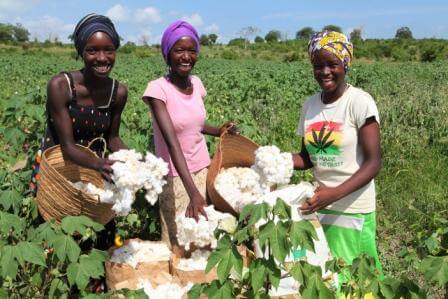
[Kenyan farmers] were brought to their knees by low cotton yields when farmers lost interest in the crop….
However, if the government were to lift the ban on GMO crops, farmers would plant Bt cotton, a genetically modified cotton variety, and the engines and machine may yet hum again, and the ginneries may witness a beehive of activity as was the case in yesteryears, aided by better crop yields and harvests. Bt cotton is a variety of cotton that has been enhanced with genes from Bacillus thuringienesis or Bt, a beneficial bacteria found naturally in the soil, and that has been used commercially in biochemical insecticides for more than 30 years to fight caterpillar pests.
Bt is particularly effective against the African bollworm, the most destructive pest in cotton farms.
Scientists have incorporated Bt into cotton, so that the crop can protect itself against the African bollworm, through the production of a protein that is harmful to the pest. This leads to higher yields for farmers.
However, with the ban on GMO crops still in place, farmers can’t grow Bt cotton, and they have on several occasions appealed to the government to lift the ban so that they can plant the genetically modified cotton that would revive the industry and improve their fortunes.
If dogs could talk, what would they say about us and the way they see the world? Just how do dogs think?
Neuroscientist Gregory Berns, featured in the most recent episode of The Macroscope, is trying to answer those questions in his lab at Emory University. Rather than glimpse into puppy eyes, he taps into their brain activity. In the Dog Project, Berns and his team train volunteer pet dogs to get their brains scanned in an fMRI machine to better understand what they are actually thinking—and what their cognition tells us about ourselves.
…
Gregory Berns: The thing about language that amazes me is that we humans talk constantly, frequently without saying much, too. And it’s amazing that dogs can kind of pick out salient words out of this kind of stream of jibberish coming from us and somehow magically know what that means.
…
Gregory Berns on emotions: In many cases when they’re in the scanner, they’re in kind of a more contained state, and yet what’s amazing to me is even though the dogs are still in the scanner they’re all doing what they’re supposed to do. We can still detect differences in how they’re reacting to these very salient cues so they are experiencing these things and I would call them emotions, actually.
Estimates for the number of genes in the human genome have been trending downward, from 50,000–100,000 (a figure widely cited in the years preceding the Human Genome Project), to 20,000–25,000 (a figure proposed in 2004); to as few as 19,000–20,000 (a range reflecting recent surveys that have made use of improved analytical technology). A brand-new survey, however, indicates that the estimated gene count should rise a bit. This survey, from researchers based at Johns Hopkins University, says that there are 43,162 genes, of which 21,306 are protein-coding genes and 21,856 are noncoding genes.
These numbers are of more than academic interest. They establish a baseline that is used to orient genetic studies of many kinds…
The new findings were generated by the computational biology lab of Johns Hopkins’ Steven L. Salzberg, Ph.D., a professor of biomedical engineering, computer science, and biostatistics. Dr. Salzberg and colleagues presented their findings May 28 on the bioRxiv website…
Nonetheless, the authors also insist that their approach has led to a more comprehensive catalog of genes and splice variants, one that should provide a better foundation for RNA-seq experiments, exome sequencing experiments, genome-wide association studies, and many other studies that rely on human gene annotation as the basis for their analysis.
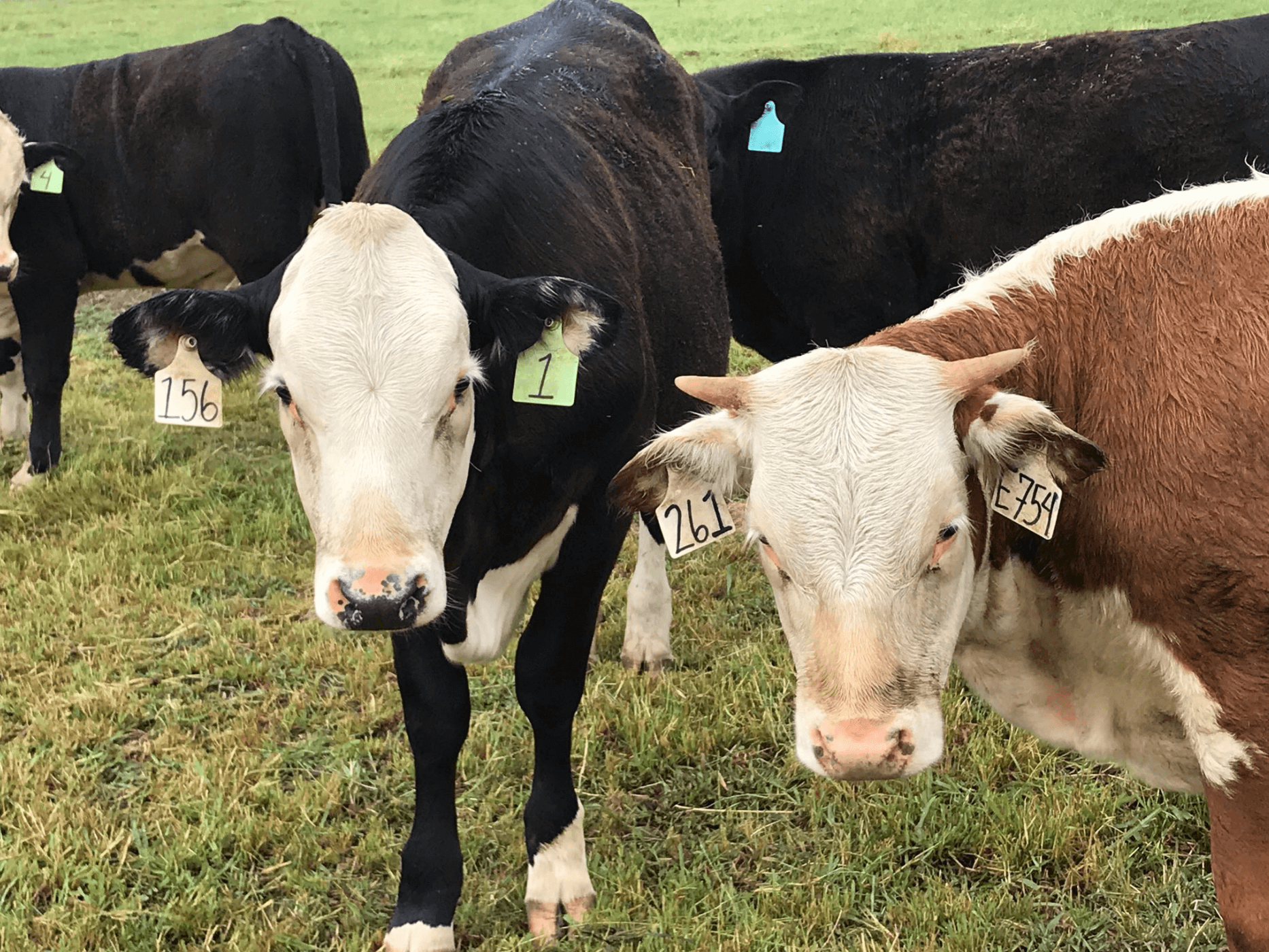
Dehorning could soon be a thing of the past thanks to alliance formed by two genetics companies based in the U.S. and Canada.
Recombinetics, a Minnesota company specializing in livestock genetic editing, has partnered with Canadian semen distributor Semex to help bring more polled genetics into dairy cattle breeding. The alliance will help utilize precision breeding in an effort to eliminate dehorning.
The practice of dehorning is common in dairy production as it helps prevent injuries to both cattle and animal handlers. However, dehorning can cause discomfort and pain to cattle. It also requires additional labor to dehorn cattle.
Many popular dairy breeds like Holstein and Jersey have sires with polled genetics, but the overwhelming majority of dairy cattle are horned.
The alliance between Semex and Recombinetics has the goal of increasing the amount of polled cattle with high-merit dairy genetics.
…
“By eliminating the need to dehorn, we eliminate the stress and health concerns associated with the procedure. This benefits the cattle, the farmers and consumers who value animal health and well-being,” says Francois-Xavier Grand, Corporate Veterinarian for Semex.
Read full, original post: Partnership Aims to Improve Animal Welfare with Genetics
On an almost weekly basis, a new scientific discovery is being introduced with CRISPR technology at the heart of it.
Normally, CRISPR is synonymous with gene editing to correct mistakes in the genome. However, this new CRISPR-based tool is using CRISPR in a whole new appllication – to detect the presence of a specific DNA or RNA. In doing so, it may help millions of people determine if they have been infected with an infectious disease such as Zika or Dengue viruses.
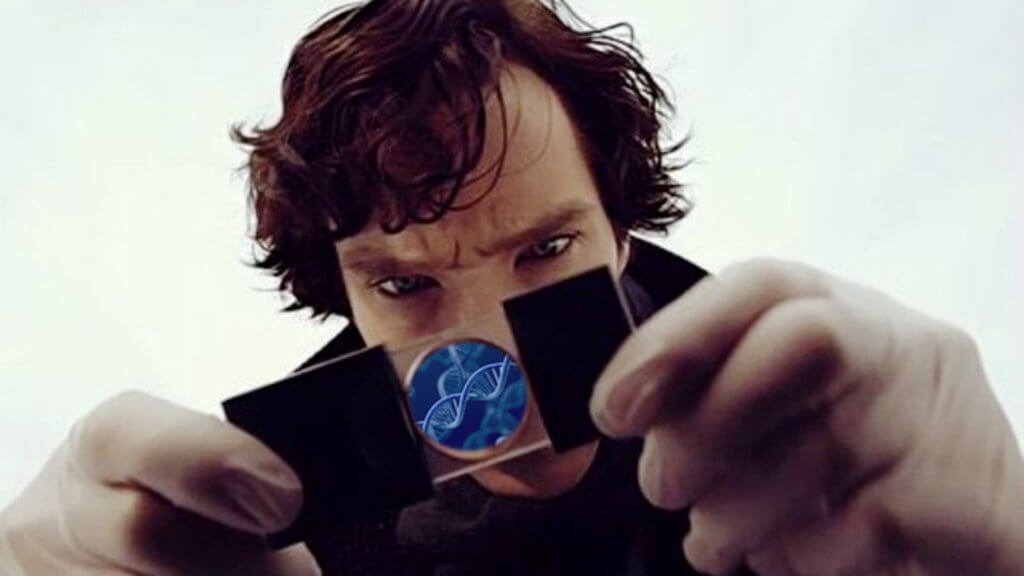
The tool is called SHERLOCK (Specific High Sensitivity Enzymatic Reporter UnLOCKing) and has been called a DNA/RNA equivalent to the pregnancy test.
One of the huge benefits of SHERLOCK is that viruses can be detected directly from liquid biological samples such as blood or saliva. No DNA or RNA extraction, no pipettes, no highly trained personnel. Just a person’s saliva and a piece of paper.
SHERLOCK test strips. Image credit: Zhang lab, Broad Institute of MIT and Harvard
SHERLOCK will allow for the quick and cheap detection of viral infection, allowing scientists to implement treatment of infected individuals quickly. It will also allow for much more real-time tracking of outbreaks aiding in rapid outbreak response. And, in a massive outbreak, sometimes life or death comes down to a matter of hours.
The ability of the tool, which was developed by researchers at the Broad Institute, to detect Zika virus and dengue virus present in very small amounts (1 virus particle per microliter), was highlighted in a paper published in Science.
The paper introduces a new technique named HUDSON (Heating Unextracted Diagnostic Samples to Obliterate Nucleases) that can lyse viral particles while keeping their RNA preserved. Used in conjunction with SHERLOCK, this method could identify the viruses in patient samples in a matter of a few hours. Not only that, but, using this technology, the researchers could also identify between strains of dengue virus.
In testing, the system had 100 percent specificity and sensitivity and no false positives when tested using healthy urine.
One of the authors, Omar Abudayyeh, said that “The really great thing about the SHERLOCK assay is how easy it is to redesign and deploy.” “We’ve shown that we can detect dozens of different targets, and we can design these assays in as little as a week. That speaks to how robust it is, and how well it works for each given set of CRISPR RNAs. It’s as easy as designing a new CRISPR RNA and then showing that it works.”
Like all things CRISPR, the speed and efficiency with which this technology has been developed is astonishing. Although implementing it in the field may take more time, there is no reason to think that this will not be a game changer in outbreak response.
Julianna LeMieux received her Ph.D. in Molecular Biology and Microbiology from Tufts University School of Medicine where she studied the pathogenic bacteria Streptococcus pneumoniae. She is especially interested in infectious diseases, global health and vaccines. Follow her on Twitter @julemieux1
A version of this article was originally published on the American Council on Science and Health’s website as “A CRISPR-Based Home Test For Zika” and has been republished here with permission.
The cemetery of the enslaved workers of the [Catoctin] iron furnace was rediscovered in 1979 — 116 years after Abraham Lincoln read the Emancipation Proclamation and potentially even longer since the enslaved people of Catoctin Furnace were sold or freed.
…
[Recently], new light was shed on who they are.
…
On Feb. 21, 2017, [researcher David] Reich traveled to Washington, D.C., and collected samples from the bones of 14 of the Catoctin Furnace slaves.
…
[T]he Catoctin Furnace Historical Society is continuing its own work by putting together a “census of slaves” using historical records to identify family units and jobs assigned at the furnace. The research has been hampered in extending the genealogy into the future, because of the lack of last names.
…
Now, with a pool of ancient DNA results, the historical society is going to load the existing genetic profiles of each of the enslaved people to 23andMe — a website and genetic testing company that analyzes people’s 23 chromosomes, which store all of a person’s genetic information. There they will be able to see if the genetic code of one of the slaves matches a person living today — with the hope to connect someone to their ancestor.
…
Despite all their findings, the biggest question remains: Who were they? And, for now, that is still unclear.
Read full, original post: DNA research opens door to match slaves with relatives
Secretary of Agriculture Sonny Perdue … is rolling out the new rules for labeling genetically engineered foods. The National Bioengineered Food Disclosure Standard (NBFDS) as adopted by Congress requires food manufacturers to label food for retail sales to include information about bioengineered (BE) food and food ingredients.
According to a 114-page economic analysis, additional costs for the initial year of labeling is going to cost the food industry and ultimately consumers $600 million to $3.5 billion. That is potentially more than both USDA and FDA spend annually on food safety. The ongoing costs, though, would be less at $114 million to $225 million each year.
The USDA’s economic analysis says the value of the new federal law is the fact that it eliminates the “costly inefficiencies arising from a state-level approach to BE disclosure.”
“The proposed rule is intended to provide for disclosure of foods that are or may be bioengineered in the interest of consumers but also seeks to minimize implementation and compliance costs for the food industry — costs that could be passed on to consumers,” says the disclosure statement.
Delays in Chinese approvals of imported genetically modified crops have cut U.S. gross domestic product by about $7 billion over the past five years by reducing sales of crops and other goods, an industry group that represents global seed companies said on Wednesday [May 30].
The report by CropLife International indicates what is at stake for the administration of President Donald Trump as it seeks better access for U.S. GMO crops into China as part of a trade deal under discussion.
U.S. Commerce Secretary Wilbur Ross is set to visit Beijing this week for talks, after months of escalating tensions that had threatened a trade war.
The United States said on Tuesday [May 29] it still held its threat of imposing tariffs on $50 billion of imports from China and would use it unless Beijing addressed its concerns over the theft of American intellectual property.
…
The sector says delays in Chinese approvals hurt the value of U.S. corn harvests by preventing farmers from using new seeds that can protect crops from pests and weeds.
When my cancer support group visited a research lab, the discussion of proteomics, fibroblasts and microRNAs made about as much sense to me as Lewis Carroll’s nonsense rhymes. Yet the meeting confirmed my suspicion that the gulf between patients and researchers needs to be bridged.
…
[T]he sole biologist in our group said she felt “genuinely touched” that “[ovarian cancer researchr Anirban Mitra] wanted to meet us, and to have his lab members meet us, primarily to make human contact with some of the people who stand to benefit from the research that they are doing”: “I have known many cancer researchers over the years,” she said, “but never seen this kind of outreach before.”
In an email, Anirban implicitly agreed: “Most researchers are driven by the research problem and miss the human angle. Addressing this might help in pushing harder toward a cure. Similarly, patients can benefit from knowledge of the latest research going on and can help contribute in fine tuning the direction through their experiences.”
…
Collaboratively, we were envisioning a “bench-to-bedside” approach whereby lab research translates into clinical testing and then to standard practice and improved care.
…
Even though researchers and patients may never fully comprehend each other, even though (and maybe because) most of us cannot victoriously galumph back from our cancer engagements, we need to find occasions to chortle in beamish and frabjous talk together.
Editor’s note: Susan Gubar has been dealing with ovarian cancer since 2008
We’re using the tools of biotechnology to produce fully American chestnut trees that successfully tolerate blight infections, protecting the tree without even harming the blight fungus itself. What we did was copy a single gene from wheat — though the same gene is found in many other plants like corn and bananas, and there are no similarities to gluten or other allergens — and transferred it into American chestnuts. This enzyme breaks down a toxin called oxalic acid, which is produced by the fungus and kills American chestnut tissues.
…
A common concern when people first hear about using biotechnology for restoration is an assumed lack of genetic diversity. But that will not be the case with chestnuts: the transgene will protect future generations of chestnut trees as it is incorporated into diverse genetic backgrounds, which are otherwise on a slow march toward extinction.
…
Transgenic chestnuts have been thoroughly tested for safety to many other organisms, such as fungi, bumblebees and tadpoles, and we’ve consistently seen no increased risks compared to traditional breeding.
…
Biotechnology certainly isn’t the only tool we have to protect trees from environmental threats, but it can be a safe and effective option to restore healthy and resilient trees to native ecosystems.
Editor’s note: Andrew Newhouse is an environmental science and forestry PhD student at the State University of New York
Nine out of 10 humans are considered right-handed. “It doesn’t matter where you find them, humans have that ratio,” says retired University of Kansas anthropologist David Frayer.
…
Fossils reveal that right-handedness goes much further back in our evolutionary story than once believed. Recent research has shown that handedness and language do not, er, go hand in hand, at least in the way we once thought. And in 2017, neuroscientists suggested that the origin of handedness is not even in the brain.
…
Frayer and his colleagues have been able to analyze samples from across our genus. The oldest specimen, 1.8 million years old from Tanzania, belonged to H. habilis: the earliest member of the genus Homo and at least four times older than our own species.
In December, Frayer’s team published a study in Evolutionary Anthropology that confirmed finding the same 9-1 ratio of handedness across the hominin fossil record as in modern human populations. It destroyed the idea that H. sapiens is uniquely right-handed.
…
Frayer notes that even with nearly 2 million years of hominin handedness in the fossil record, uncertainty about its causes and consequences remains: “The key thing is that we know right-handedness is commonly found in all populations [of our species] and that it differs from what we find in chimps. To go any further is risky.”
Our existence here is proof enough that it can happen. We can imagine that if life comes to exist anywhere else in the Universe, there are three different levels it could achieve:
Life begins on a world, but doesn’t last, thrive, or continue in perpetuity.
Life thrives, sustains, and lasts billions of years, where it causes substantial changes to the surface properties of the world where it exists.
Life becomes intelligent, technologically advanced, and either communicative, spacefaring, or both.
Clearly, the more advanced possibilities are more exciting, but also likely to be more rare. Yet sometimes the rare things are the easiest to find because they stand out so spectacularly against everything else that’s there.
…
Although it’s just conjecture at this point, scientists speculate that life in the Universe is probably common, with the ingredients and opportunities for it to arise appearing practically everywhere. Life that thrives and sustains itself on a world, to the point where it can change its atmospheric and/or surface properties, may need to get lucky, and is likely more uncommon. Evolving to become complex, differentiated, multicellular creatures is likely even rarer.
…
No matter which method pays dividends first, it will be among the greatest day in the history of life on Earth.
Editor’s note: Ethan Siegel is aPhD astrophysicist
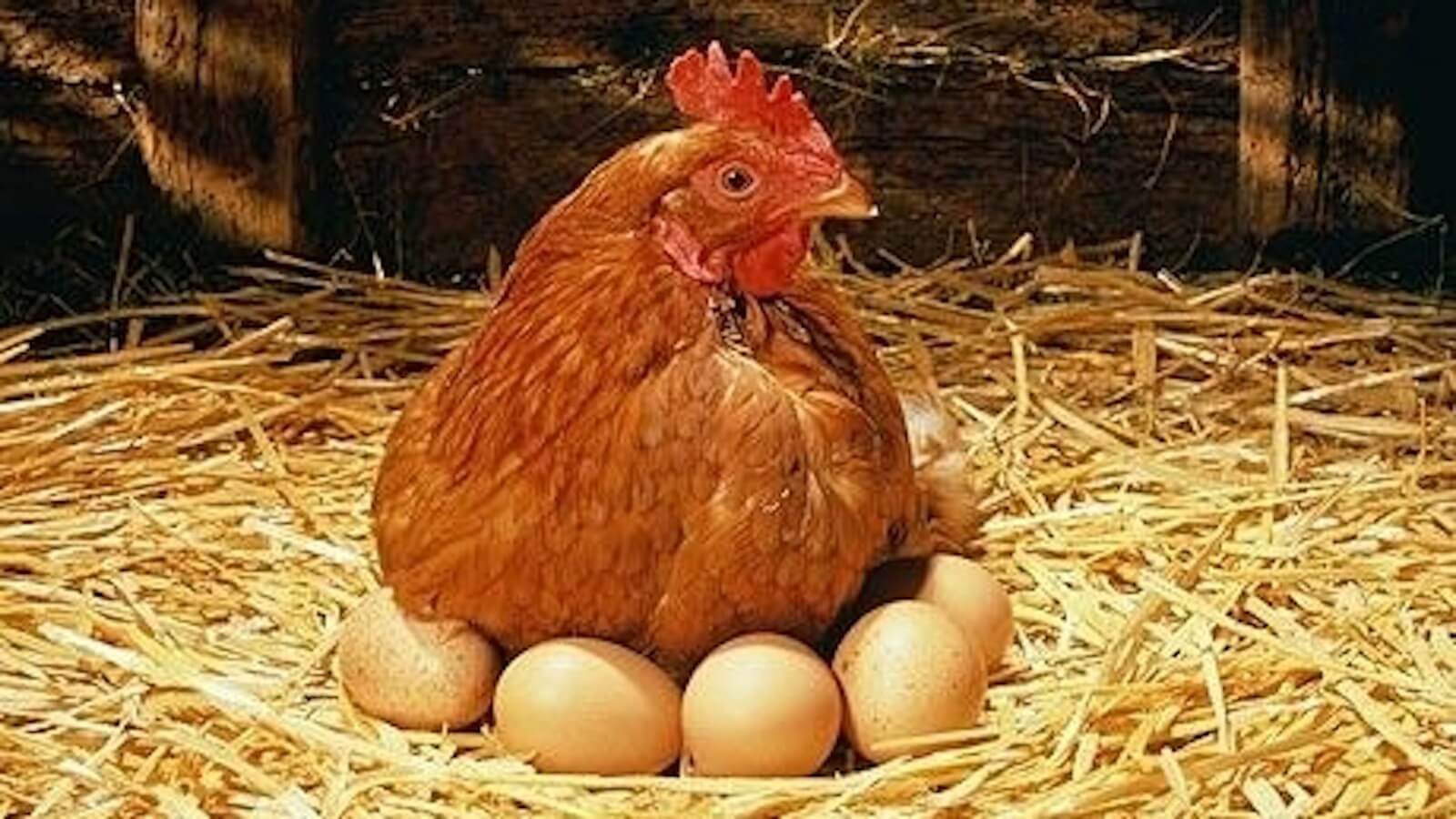
Fifteen years ago or so, when Helen Sang, a geneticist at the Roslin Institute in Edinburgh, and her colleagues wanted to get a gene into a chicken, the process was anything but fast.
…
But in the last few years, a new technology has arrived on the scene. CRISPR-Cas9 gene editing has made its way into labs around the world. It’s a comparatively cheap, fast, and adaptable way of precisely snipping out pieces of the genome and swapping in new pieces, which can be used directly on the DNA in reproductive cells and produces a finished mouse in three weeks. In chickens, it nearly halves the amount of time needed, Sang says. The tools are so quick, she says with a laugh, that “I sometimes think I should have sat with my feet up for a long time and waited for them to come.”
With something like this in hand, ideas that might have seemed overwhelmingly difficult are now potentially doable. In particular, scientists have swiftly adapted CRISPR tools for use in animals beyond mice, fruit flies, and other model organisms. That opens up a whole menagerie of creatures where quick, accurate gene editing is possible, with implications for agriculture and medicine.
In Sang’s lab, using CRISPR, the researchers are able to get their genes into chicken eggs with much higher efficiency.
We use the term “normal” so casually and so often that it seems utterly…normal. But in a compelling Trends in Cognitive Sciences paper published earlier this year, Yale University neuroscientists Avram Holmes and Lauren Patrick argue we must move beyond the traditional concept of “normal” because it doesn’t exist—at least, not as a single, fixed entity. Instead, they contend, it represents a wide spectrum of healthy variability.
…
Consider depression. In the Diagnostic and Statistical Manual of Mental Disorders, depression is defined by a constellation of symptoms: low mood, diminished interest in or ability to feel pleasure, changes in weight or appetite, sleeping too little or too much, feeling sluggish or hyperactive, etcetera.
…
The systematic lumping of non-normal behaviors into a discrete diagnosis gives the impression mental illness is a cognitive stepping out of bounds—that the mind has broken and requires fixing. This concept of a fixed “normal,” Holmes and Patrick argue, is an erroneous and unrealistic (could one say “unhealthy”?) misconception that doesn’t reflect the healthy variation produced by evolution.
Evolution, they maintain, doesn’t converge on a stable “healthy”—or even a narrow range of healthy values within a given trait.
…
The take-home: behaviors are not simply healthy or unhealthy but rather healthy or unhealthy within a specific environment. Behavioral variability allows a species to flexibly meet ever-changing conditions.
Plants are definitely conscious, though in a different way than we, humans, are.
…
Heidi Appel
Professor, Environmental Sciences, University of Toledo, whose research focuses on how plants recognize and respond to insect herbivores with chemical defenses
Are plants conscious? My view is that they are not, even though they are aware of many aspects of the environment in which they live. My answer is shaped by the common definitions of consciousness in the English language, which all include the concept of mind and self-awareness, in addition to being aware of one’s environment.
The answer to this question depends entirely upon how you define consciousness. Most definitions include awareness of one’s environment. By this definition there can be little doubt that plants are conscious organisms. Other definitions require the operation of a person’s brain. Plants obviously fail to meet these requirement as they are not persons and lack brains.