CRISPR chocolate? Gene editing boosts cacao trees’ disease resistance

frosty pod rot cacao Mycologia alme et al

Use of the powerful gene-editing tool CRISPR-Cas9 could help to breed cacao trees that exhibit desirable traits such as enhanced resistance to diseases, according to Penn State plant scientists.

…

The researchers reported recently, in Frontiers in Plant Science, the study results, which were thought to be the first to demonstrate the feasibility of using cutting-edge CRISPR technology to improve Theobroma cacao.

…

Previous work in cacao identified a gene, known as TcNPR3, that suppresses the plant’s disease response. The researchers hypothesized that using CRISPR-Cas9 to knock out this gene would result in enhanced disease resistance.

…

When infected with Phytopthera tropicalis, a naturally occurring pathogen of cacao and other plants, the treated leaves showed greater resistance to the disease. The results suggested that the mutation of only a fraction of the copies of the targeted gene may be sufficient to trigger downstream processes, resulting in systemic disease resistance in the plant.

The researchers also created CRISPR gene-edited cacao embryos, which they will grow into mature trees to test the effectiveness of this approach at a whole-plant level.

Editor’s note: Read the full study

Read full, original post: Cocoa CRISPR: Gene editing shows promise for improving the ‘chocolate tree’

FDA moves against stem cell clinics selling unapproved procedures in Florida, California

stem

The Food and Drug Administration is asking federal courts on opposite sides of the country to permanently stop two stem cell companies from operating after reports of patients being blinded by their treatments.

In a statement Wednesday [May 9]…the FDA said U.S. Stem Cell Clinic in Florida, the Cell Surgical Network in California and others like them are exploiting patients desperate for cures and causing some of them “serious and permanent harm.”

…

Hundreds of such clinics have popped up across the country in recent years, many promoting treatments for conditions including Parkinson’s disease, autism and multiple sclerosis. Federal regulators have not approved any of their procedures, and critics liken the facilities to modern-day snake-oil salesmen.

…

“It’s important that we send a stronger deterrent message. If people are putting patients at risk and creating patient harm, we’re going to take action,” Commissioner Scott Gottlieb said…

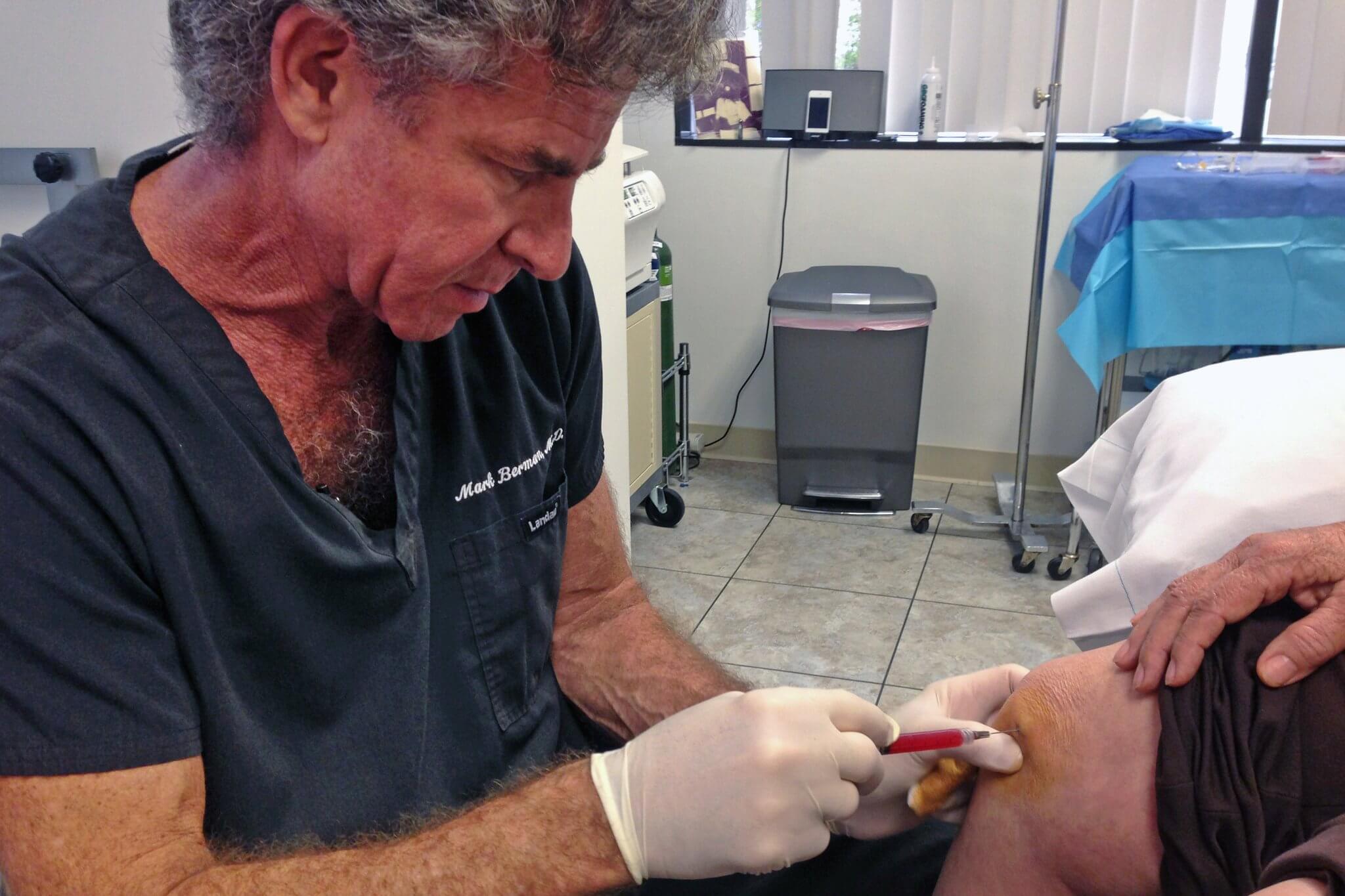
The co-founder of Cell Surgical Network, the largest group of independent stem cell clinics in the country, called the FDA’s court action “ridiculous.” Beverly Hills plastic surgeon Mark Berman said the treatments the network’s 100 clinics provide should not count as drugs that require FDA regulation because they consist of stem cells derived from fat suctioned out of patients’ own bodies.

Read full, original post: FDA seeks injunction to stop two stem cell companies after patients blinded

DNA health and and ancestry test for pets? Why would you want to do that?

pet dna

The market for at-home DNA tests has exploded. Curious to find out about their ancestry, risk of disease, diet, and athletic potential, millions of people are hawking gobs of spit into test tubes and shipping them off to companies like AncestryDNA and 23andMe. But human DNA testing is not the only thing that’s trending. Increasingly, people are DNA testing their pets.

Now, why, you ask, would anyone want to DNA test their cat or dog?

For Mirja Bauer, it was about her dog’s health. When she adopted Bagel, she was told he was a Dalmatian mix. And Dalmatians tend to suffer from a host of genetic problems.

…

So she ordered a doggie DNA test from Embark, which offers a cheek-swab test that tells owners about their dog’s breed, health, and even traits like athletic performance.

Bagel, it turned out, was not a Dalmatian at all, but a mix of Boxer and Staffordshire bull terrier. The test gave her peace of mind.

…

As with any genetic endeavor, testing your pet’s DNA is a game of probability. Genetics is a science of comparison—you measure your dog or cat’s genes against other dog and cat genes to see how they relate. And as more dogs and cats go through the rigmarole of a DNA test, the results are sure to become more informative.

Read full, original post: I DNA Tested My Cat and She Was Not Happy About It

USDA wants your opinion on its GMO labeling proposal

gmolabels

There’s nothing inherently unsafe about genetically engineering crops or agricultural animals. … But the public has been consistently uneasy about the technology, with polls showing that only slightly more than a third of the general public thinks eating GMO foods is safe.

This uneasiness has led to a steady flow of legislation that would have food producers label any of their products that contain GMOs.

…

But, to an extent, the debate ended with a 2016 law that started out as a vehicle to fund university research in coastal states and ended up specifying that GMO food would be labeled.

…

Two years and one request for public comment later, the USDA has an incomplete set of draft rules and some things that it still wants the public’s input on.

…

There is one major issue about which the USDA hasn’t reached a decision and would like public comments. That’s what to do if an ingredient is used in a heavily processed form, one where there’s no detectable genetic material in it. For example, the sugar beets that are fully genetically modified are generally used to produce sugar materials with nothing resembling plant in them. Would these require labeling?

Editor’s note: You can comment on the proposed rule on the USDA’s website

Read full, original post: USDA wants public comments on its plan to label GMO foods

‘One shot’ treatment for hemophilia B uses CRISPR and stem cells

blood

Scientists at the Salk Institute have combined CRISPR-Cas9 gene editing with stem cell technology to generate a one-time, autologous cell therapy for the genetic blood clotting disorder hemophilia B. In vivo tests showed that gene-edited, stem cell–derived liver cells remained viable and functional in hemophiliac mice for nearly a year, after just a single injection.

Headed by Suvasini Ramaswamy, Ph.D., and Inder M. Verma, Ph.D., the Salk Institute team’s results offer proof of concept for the potential use of autologous cell therapy in the treatment of hemophilia B and potentially other liver disorders that are similarly caused by defects in a single gene.

Hemophilia B is an X-linked clotting disorder that affects 1 in 30,000 male births, the researchers explain. The blood clotting disorder is caused by lack of clotting factor IX (FIX), due to mutations in the FIX gene, and can manifest as either mild, moderate, or severe, dependent upon the extent of FIX activity remaining in patients. Current treatment involves giving patients frequent intravenous doses of recombinant FIX supplements.

…

Dr. Ramaswamy acknowledges that “a lot of things have to happen before this can go into humans.”  Nevertheless, as the authors state, the study demonstrates the “feasibility of autologous and heterologous cell therapy for treatment of hemophilia B.”

Read full, original post: CRISPR “One Shot” Cell Therapy for Hemophilia Developed

CRISPR’s swiftest and most promising application might be food

ucm

When people mention CRISPR, they’re usually breathless over its potential to cure diseases like sickle cell anemia and muscular dystrophy. But CRISPR’s most promising application might not be in health care. It might be in food.

Before CRISPR, adding a trait like insect resistance to a plant was imprecise, slow, and costly. Traditional breeding methods introduce unwanted characteristics; GMO technology that inserts genes from other organisms comes with regulatory hurdles and public blowback. With CRISPR, scientists can tweak only the genes they need without introducing foreign DNA. The biotechnology company Calyxt, working on CRISPRed products like high-fiber wheat, estimates that with typical GMO technology, its products would take 13 years to reach the market. With genome editing? Three to six years.

That’s why Jennifer Doudna, one of the inventors of CRISPR technology, has said she believes CRISPR’s swiftest impact will be on agriculture.

…

[M]any scientists believe the technology will ultimately be liberating, as its cheapness and simplicity lets them target problems without needing funding from those powerful companies.

Read full, original post: Will You Eat CRISPR Produce?

Viewpoint: Golden State Killer case provokes discussion about ethics and DNA

dims

Last week’s arrest of a suspect in the Golden State Killer case in California has highlighted how DNA samples that have been volunteered for one purpose — in this case, genealogy — can be used for other reasons, often without the donor’s explicit consent. Several ethicists have expressed concern about US detectives using a genealogy website in this way.

…

The case of the Golden State Killer, linked to at least 50 rapes and 12 murders between 1976 and 1986, had gone cold — although investigators believed they had a reliable sequence of the perpetrator’s DNA. Next they needed a match. So, according to reports, they uploaded the data to a popular website that compares people’s genetic information to trace their relatives — in effect, creating a profile for him. They got lucky: a match with family members led them to identify and arrest Joseph James DeAngelo.

…

If police can use genetic databases to catch killers — even those who are distant relatives of individuals who have submitted their DNA — then perhaps more people will sign up to share their DNA. But they should be told that this is a possibility, and be given the choice to opt out. Meanwhile, more geneticists, ethicists and lawyers need to debate other potential ways in which genetic information is likely to be used, so that ethics leads the conversation, rather than playing catch-up.

Read full, original post: The ethics of catching criminals using their family’s DNA

Viewpoint: Brazilian anti-GMO activists should stop supporting fear-mongering label

gmo stores label x

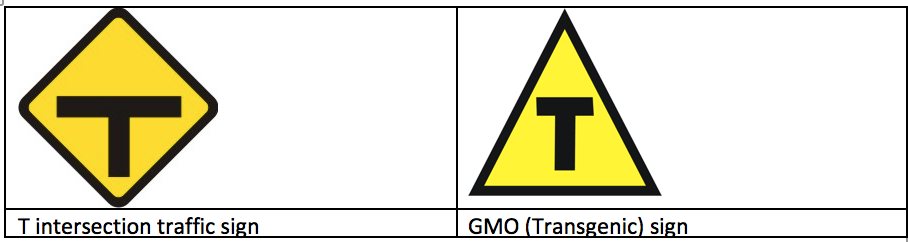
What is the difference between these two signs? Both show a black T inside a yellow warning shape.

Screen Shot at AM

But in Brazil they have very different functions. One is a genuine warning, as a road sign warning of an upcoming T intersection. The other indicates the presence of transgenic material in a food product, which scientists around the world agree is as safe as any other food.

Activists in Brazil are up in arms at a proposal currently being considered in the Brazilian Senate to remove the black and yellow T on food containing transgenic material. There have been howls of protest about the supposed secrecy of food companies, and predictable misinformation circulated by campaigners about the supposed health dangers of GMOs (there aren’t any).

However, the campaigners are barking up the wrong tree. Although the proposed legislation does eliminate the scary warning T label, it replaces this with text in the food product’s ingredients list advising of the presence of GMOs when detectable levels are over 1 percent. This is hardly the “secrecy” anti-GMO activists are decrying – indeed, the proposal even allows for a “GM-free” label where the total absence of transgenic material can be proven.

Read full, original post: A story of two signs: the truth about GMO labeling in Brazil

Which of our hominid ancestors forged stone weapons used to kill rhino in the Philippines 700,000 years ago?

human philippines IMG adapt

Stone tools found in the Philippines predate the arrival of modern humans to the islands by roughly 600,000 years—but researchers aren’t sure who made them.

The eye-popping artifacts, unveiled on [May 2] in Nature, were abandoned on a river floodplain on the island of Luzon beside the butchered carcass of a rhinoceros. The ancient toolmakers were clearly angling for a meal. Two of the rhino’s limb bones are smashed in, as if someone was trying to harvest and eat the marrow inside. Cut marks left behind by stone blades crisscross the rhino’s ribs and ankle, a clear sign that someone used tools to strip the carcass of meat.

…

The next-earliest evidence of Philippine hominins comes from Luzon’s Callao Cave, in the form of a 67,000-year-old foot bone.

…

While the researchers don’t know which archaic cousin of ours butchered the rhino, the find will likely cause a stir among people studying the human story in the South Pacific—especially those wondering how early hominins got to the Philippines in the first place.

…

The list of possible toolmakers includes the Denisovans, a ghost lineage of hominins known from DNA and a handful of Siberian fossils. The leading candidate, though, is the early hominin Homo erectus, since it definitely made its way into southeast Asia.

Read full, original post: 700,000-Year-Old Stone Tools Point to Mysterious Human Relative

GMO bans leave Europe, Africa vulnerable to fall army worm invasion

armyworm

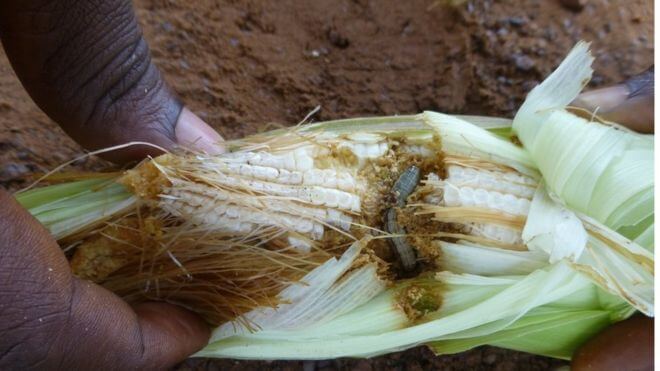
A crop-destroying caterpillar that has devastated agriculture in Africa is poised to spread into southern Europe for the first time and could even reach Britain, experts are warning.

Fall Army Worm has cost African economies billions of pounds in crop losses since the American pest was first spotted on the continent two years ago, prompting fears of a humanitarian crisis as millions of farming families face destitution and hunger.

…

The problem has been mitigated in America because many genetically modified crop strains used there are impervious to Fall Army Worm.  However, in Europe, where far fewer transgenic crops are planted because of widespread opposition to agronomic genetic engineering, farmers are much more vulnerable.

…

[A]ll sub-Saharan African states, with the exception of South Africa, presently ban the planting of transgenic crops after a highly effective pressure campaign from European lobby groups opposed to genetic crop engineering.

“Africa needs the political will to embrace the technologies with the greatest potential to achieve agricultural transformation,” said Sylvester Oikeh, a project manager at the African Agricultural Technology Foundation.

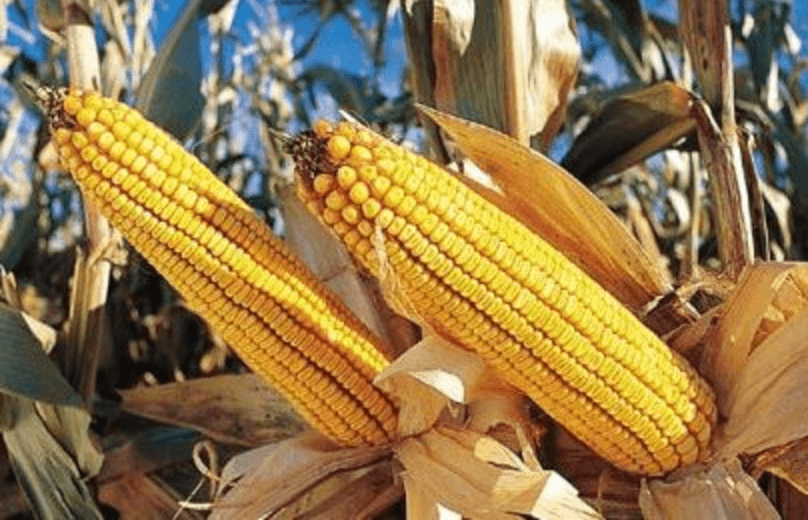
Despite controlled trials showing that genetically modified maize planted in Africa produce a 52 per cent higher yield than organic strains, most governments are still reluctant to lift the bans, he said.

Read full, original post: Fall Army Worm: On the march to Britain, the deadly pest that devastated swathes of Africa

Viewpoint: Don’t let anti-GMO activist moms bully you into buying organic

mnzvt b z gjj e dde

I could certainly afford to pay up to 50 per cent more for organic food for my children to eat, but I refuse to. I decline to pay the premium for organic food because I cannot justify it when comparable conventional foods (including those with GMOs) are just as healthy and nutritious, and arguably more environmentally friendly.

…

I know that I am a good mom. Some days I even call myself a great mom, and I don’t deserve to be called a bad mom for not feeding my kids organic food. So here’s my plea to you: don’t let the anti-GMO activist moms bully you into thinking that organic is the only or best way when it comes to feeding your kids. I assure you it is not. For me, it’s more important to feed my children a well-balanced diet of whole grains, fruits, vegetables, milk products and meat, than to pay outrageous prices for organic foods because of unwarranted fears of a slightly increased risk of pesticide exposure at levels the world’s best scientists say is harmless. As long as the food is safe and healthy — and that’s what the best science says about conventional foods including GMOs — then buy what you want, that’s what I say.

Read full, original post: Why I don’t feed my kids organic food

Up to 270 of 450,000 British women who missed breast cancer screens because of computer error died…or maybe not

It was announced…that, between 2009 and 2018, a computer error meant that 450,000 women aged around 70 in the UK were not sent their final breast screening appointment letter. These women were mistakenly not offered screening that may have picked up a cancer that had developed since their last check three years before. Secretary of State for Health Jeremy Hunt announced in Parliament that “there may be between 135 and 270 women who had their lives shortened”. This has been reported as “up to 270 women died”.

…

There are three reasons why this claim is misleading.

First, Hunt said this was the number of women who “had” their lives shortened. But this is not strictly accurate  -  few of these women will have actually died of their breast cancer yet.

…

Second, even a claim of reduced life expectancy would be questionable, as Hunt made clear in his announcement but which remained unreported. There is only weak evidence that screening helps prolong life.

…

But the third issue is that, contrary to popular belief, screening also does harm . The current NHS leaflet states that, for every 200 women attending screening between the ages of 50 and 70, we would expect one to have her early death from breast cancer prevented, but three to be unnecessarily treated for a harmless cancer that would not have troubled them.

Read full, original post: Why breast screening error stories are getting death stats wrong

The ‘Big O’: How and why evolution brought us the female orgasm

big o
The female orgasm is perplexing. It’s not necessary to get pregnant. Penis-in-vagina sex is not the best way to generate one, although that’s still the most efficient way to make a baby. And when thinking in human evolution terms, it seems hard to find a compelling reason why humans need have one at all.

A study in the Journal of Experimental Zoology takes a look at the female orgasm by comparing not just to the male orgasm but also to the hormonal and physiological changes in females of other species. Evolutionary biologists Mihaela Pavlicev and Gunter Wagner say there is reason to believe that female orgasms used to be necessary because it induced ovulation in our pre-human ancestors.

Humans and other primates are cyclic ovulators. Hormonal cycles drive ovulation on a regular schedule, depending on health, nutrition and environment. But many other mammal species are induced ovulators. Females in these species are signaled to release an egg by having sex. It seems likely based on our knowledge of evolution that our common ancestors were also induced ovulators. So, at one time in human history ’orgasm’—or rather the hormone flood that induces ovulation—was absolutely necessary to reproduce.

big o 5 10 18 2

The authors also looked at genital morphology across species, from induced ovulators to humans and other primates. Interestingly, as we move from induced ovulator species to spontaneous ovulators the clitoris seems to move too. The clitorises of rabbits for example are located in the reproductive canal. They are directly stimulated in mating which triggers the release of a hormone flood that induces ovulation. Carl Zimmer writes:

Many female mammals release oxytocin and prolactin during sex—the hormones released by women during orgasms. What’s more, in many of those species, females use a radically different kind of reproduction. While women release an egg each month, other female mammals, such as rabbits and camels, release an egg only after mating with a male. Ovulatory cycles evolved in only a few lineages of mammals, including our own, Dr. Pavlicev and Dr. Wagner found. Before then, our ancient mammal ancestors originally relied on ovulation triggered by sex with a male.

In humans, there is great variation in clitoris size and location, but the organ steadfastly remains outside of the vaginal canal. This is part of the reason why many women report difficulty in having orgasms from intercourse unless there is additional clitoris-specific stimulation.

Holly Dunsworth, an evolutionary anthropologist at the University of Rhode Island who was not involved in the study, praised the paper’s focus on anatomy and physiology rather than human’s social relationships.

“It’s refreshing to see someone look at the physiology rather than continue to hypothesize about orgasm’s role in mate value,” she said.

Mis- and disinformation are distorting science and public policy. Subscribe to our Daily and Weekly Digests for incisive coverage of ‘disruptive’ innovations in AI, agricultural biotechnology, food, chemicals, nuclear energy, vaccines, and other disruptive innovations.

There are a couple of caveats to the study. Pleasure is not restricted just to the moment of orgasm in either male or females. It’s unclear if the induced ovulators are feeling euphoria during mating like that associated with primate orgasms. Female orgasm in induced ovulators is a hot, but under funded area of veterinary research. So while we know the hormone rush in induced ovulators and orgasms are similar, it’s difficult to say they are exactly the same.

Another interesting question is if men can ejaculate without orgasm which would be evidence of the separation between pleasure and reproduction in males as it is in females. In the current medical literature, the phenomenon is quite rare. There are documented cases of men with this experience but it is usually tied to either depression or as a side effect from treatment of depression with anti-depressants. The most compelling follow up question, and hopefully one that draws further research, is how and why spontaneous ovulation evolved in the first place.

Many commentaries on Pavlicev and Wagner’s study compare the female orgasm to the male nipple. Although extraneous, they continue to exist to perpetuate their counterparts in the other sex where they are vital for reproduction and breastfeeding respectively. Shanoor Seervai writes at STAT:

It may have lost its biological function, but the female orgasm is here to stay. That’s because the clitoris and the penis develop from the same part of the embryo. “If the clitoris went away through evolution, so may the penis,” said Wagner. No penis means no way for sperm to naturally enter a woman’s body, so unless we reproduce via medical procedures like in vitro fertilization and artificial insemination, this could threaten the survival of the human race.

But that may also be a stretch. Although a female orgasm is not necessary for pregnancy, women do care if they’re having them. And they may be using them as a signal for mate choice. After all, if your mate is conscientious enough to care you have an orgasm, he might also be conscientious enough to make sure you and your mutual offspring have enough food to survive.

Meredith Knight is a contributor to the Genetic Literacy Project and a science and health writer in Austin, Texas. Follow her on Twitter @meremereknight.

A version of this story was originally published at the GLP in August 2016.

‘Substantial equivalence’: Are GMOs as safe as other conventional and organic foods?

Screen Shot at AM
Are foods that contain genetically modified ingredients the same as foods grown conventionally, or using organic practices? That question is at the heart of the debate over GMOs. Critics claim there are meaningful differences; regulations in some companies assume there are, but don’t identify them; most scientists say the differences are trivial, and that’s how US regulators have traditionally viewed this issue. The phrase they use is “substantial equivalence.”

Dedicated critics of crop biotechnology, aware of the regulatory significance of that phrase shape their narrative to target this very phrase. In 2009, French professor and anti-GMO activist Gilles-Eric Séralini (Read GLP Profile here) declared that he had found that engineering eggplant seeds to make them insect resistant resulted in small variations that he claimed made the crops “unfit for human consumption.”

But the view that small changes resulting from genetic engineering are meaningful is not well supported by the science or by independent scientists. In 2016, an Indian research team reported that they found 11 genetic differences between a form of rice genetically modified to express the bacterial blight-resistant Xa21 gene and a non-transgenic rice strain. But they reported no significant nutritional differences.

The view of GMO critics is that any change can have unintended consequences—which is true, sort of. Conventional breeding mixes genes in novel ways, and mutagenized crops, which are created by blowing out the chromosomes of seeds over many years using chemical or radiation to create a novel product randomly—like sweet grapefruits (which can be sold as organic foods), carry tens or hundreds of thousands of random mutations. Genetic engineering changes at most a handful of genes and related proteins—and scientists track them.

Are unintended consequences possible with GE foods? Of course. But the scientific consensus, endorsed by many independent science groups in Europe, North America, and Asia, is that food grown from genetically engineered seeds are as safe as non-GMO food—and least likely to cause unintended consequences.

The consensus doesn’t sit with anti-technology activists. According to the site GMO Inside (Read GLP Profile here), the problem lies with the US Government, which regulates based its understanding of that  pesky phrase: “substantial equivalence”:

Studies agree that the substantially equivalent rule is clearly flawed. Health studies have pointed to concern over GMO usage, both for human and animal consumption, yet substantial equivalence is still the status quo. These findings bring up a new stream of questions. Since independent studies show how GMOs damage the environment and the ill effects GMOs have on animal health, why does our government think substantial equivalence works?

1faa985d2b96690bbdfb4cd7e2250853The studies they cite are all by Séralini or a cadre of activist scientists, such as Judy Carman who has produced a much-derided study “proving” that GMO animal feed inflames the stomachs of animals—many of whom have websites overseen by the same anti-biotechnology outfit that runs GMOInside.

The activists also misstate how the US government uses the term “substantial equivalence.” The concept arose from the US government’s requirement to assess the safety of new food products (as well as medical devices or generic and biosimilar drugs). It’s not an assumption, but the result of extensive testing.

“Substantial equivalence” has been applied to foods since 1993; previously, the FDA used the concept to approve medical devices. To get FDA approval, known as a 510K, the manufacturers had to show that their new product worked essentially like existing, already approved products, among other requirements. It was later extended to cover foods because plants vary a lot, including from plant to plant. It doesn’t matter whether a plant is conventionally or organically grown, is transgenic (has ‘foreign’ genes) or cisgenic (does not), or was breed using newer, gene editing techniques such as CRISPR-Cas9.

fda-and-medical-devices-25-638This variation could have occurred as an evolutionary process or may have arisen from breeding techniques. And plants can vary in their variations. Corn, for example, contains more nucleotide polymorphisms (small variations in gene sequence) than a tomato.

USDA scientist Owen Hoekenga, in an important 2008 paper, wrote that the variation in corn is so high that “two maize varieties may be as different from each other as humans are from chimpanzees on the DNA level.” But these varieties can still be considered “substantially equivalent”—because, in fact, they are in all the ways scientists consider meaningful—whether it impacts body functions in unique ways or alters its nutritional content.

Biology Fortified policy director Anastasia Bodnar has also shown that even in the same variety of plant, genetic variances can exist:

If I use a microarray (test) to find similarly and differentially expressed genes in two genetically identical plants grown in slightly different environments, I will find some genes that have significantly different expression. Similarly, plants of different varieties grown in the same environment will have different gene expression profiles.

These could be “substantially equivalent,” too. But not based solely on genetic profiles.

Determining “substantial equivalence” depends first on establishing the extent of this range of variation in a given plant. So, existing data is examined for original crop variation, and then a new trans- or cisgenic crop is compared along the same metrics. If the new crop lies within that original range of variation, then it is “substantially equivalent.” Note that even after a finding of substantial equivalence a new GE crops still most go through extensive testing, with the government reviewing reams of data before a crop is introduced—a process covering on average seven years and $135 million.

Mis- and disinformation are distorting science and public policy. Subscribe to our Daily and Weekly Digests for incisive coverage of ‘disruptive’ innovations in AI, agricultural biotechnology, food, chemicals, nuclear energy, vaccines, and other disruptive innovations.

Opponents of the substantial equivalence concept (which include some EU member states as Europeans do not use this concept in its regulation of GE crops) object to this standard because there’s no clear statistical “hard” basis and no quantitative range of effects (such as a standard deviation, or p-value) that determines the border of “equivalent.” Furthermore, they claim there is no way to predict unintended (or unexpected) surprise effects.

However, there are statistical analyses that are increasingly used to establish substantial equivalence. Modern analytical equipment, including liquid/gas chromatography and mass spectrometry, and “lab on a chip” microarrays, are very effective at detecting chemical changes in food. Also, the process of mutagenesis, which is accepted in organic and other plant breeding, can also be used to determine genetic changes. All these methods are resulting in the accumulation of more and more data, which is available to anybody developing a new food product. Community standards, such as the MIAME (minimum information about a microarray experiment), and MIAPE (minimum information about a proteomics experiment), have been developed to determine what’s needed to ensure safety as much as possible.

Just as biology is adaptable in often-predictable ways, so is regulation. “Substantial equivalence” isn’t anything new by itself. The regulator standard is now, nearly 25 years old; it serves as just one part of the evaluation of food safety.

Jon Entine, executive director of the Genetic Literacy Project, has been a journalist for more than 40 years, as a writer, network television news producer and author of seven books, four on genetics and risk. BIO. Follow him on Twitter @JonEntine.

Andrew Porterfield is a writer and editor, and has worked with numerous academic institutions, companies and non-profits in the life sciences. BIO. Follow him on Twitter @AMPorterfield.

A version of this story was originally published at the GLP in October 2016.

Death of controversial biohacker Aaron Traywick puts movement at ‘crossroads’

biohacker

At just 28, [Aaron] Traywick was among the most infamous figures in the world of biohacking—the grandiose CEO of a tiny company called Ascendance Biomedical whose goal was to develop and test new gene therapies without the expense and rigor of clinical trials or the oversight of the FDA. Traywick wanted to cure cancer, herpes, HIV, and even aging, and he wanted to do it without having to deal with the rules and safety precautions of regulators and industry standards.

…

[On May 6] this dream of low-cost, open-access gene therapy came crashing down, when at the end of a session in a sensory deprivation tank at a D.C. spa, Traywick was found dead. The immediate reaction was disbelief. By Monday morning, my Facebook inbox was flooded with messages from biohackers wondering if this was perhaps yet another one of Traywick’s stunts. Rumors and conspiracy theories ran amok. His exact cause of death is still unknown; police say the autopsy results are not expected for several weeks.

While Traywick’s life tested the limits of DIY science, his death symbolizes a crossroads for the movement. Will it continue to push the limits of self-experimentation or will it take steps to ensure safety?

…

What is clear, is that in death, Traywick’s impact may loom even larger than it did in life.

Read full, original post: What Does an Infamous Biohacker’s Death Mean for the Future of DIY Science?

Viewpoint: USDA’s friendly ‘bioengineered’ food label could help undo anti-GMO activists’ stigmatization

Screen Shot at PM

Though anti-GMO activists have long pushed labeling as a way to stigmatize genetically modified foods, America’s draft proposal for labeling such products deftly diffuses that effort with new language and friendly-looking symbols.

Two commonly used terms — genetically engineered and genetically modified — would be abandoned in favor of the new phrase “bioengineered” (BE), according to the US Department of Agriculture’s proposed rule for implementing a mandatory food labeling law that was adopted two years ago.

…

The proposal, which is open for public comment through July 3, is likely to draw the ire of activist groups that have invested years of campaigning effort in demonizing the term “GMO.” Companies like the Non-GMO Project, meanwhile, have built a brisk business by certifying that foods do not contain transgenic material using a standard much narrower than the proposed labeling rules. They may stand to lose business if “GMO” ceases to be a relevant consumer term.

…

In keeping with the USDA’s desire to avoid turning the labeling requirement into a warning, the proposed “BE” symbols range from smiley faces to a bucolic representation of blue skies, bright sun and green land.

Read full, original post: USDA labeling proposal diffuses GMO stigma

Reproductive warfare: Do infertile ‘kamikaze sperm’ thwart rival males?

sperm

In the 1990s, biologist Robin Baker put forth the idea that a significant proportion of human sperm are not actually capable of fertilization and instead only serve to block or attack sperm from rival males potentially present inside the female. These “kamikaze” sperm probably also exist in other primates as well as many other promiscuous animal species, he hypothesized.

…

[Further research] shut the door on the “kamikaze sperm” hypothesis in humans. It remains open in other species, however.

…

There is one group of animals in which genuine sperm warfare might actually occur: Lepidoptera. Butterflies and moths make up this order of insects, and males of almost all known species contain two different types of sperm called eusperm and parasperm. Eusperm are at least 50 percent longer and contain a nucleus, while parasperm lack a nucleus, and thus contain no genetic information. The former is capable of fertilizing an egg, while the latter is not. So what is the function of parasperm?

…

[Researchers John] Swallow and [Gerald] Wilkinson found no consistent evidence from the published literature to clearly support a single hypothesis for the function of parasperm, but the “blocking” mechanism seemed to be the most likely.

Unfortunately, research on the topic has been fairly scant for the past twenty years, so we haven’t learned much more on the matter of sperm combat.

Read full, original post: Do Sperm Battle Other Sperm?

What dog lovers get right and wrong about canine genetics

always there for you

Dog lovers talk a big game when it comes to genetics. Who hasn’t heard someone claim to know which breeds reside within a beloved mutt simply by appearance? And who hasn’t heard claims about a dog’s underlying “nature” even though geneticists acknowledge nature and nurture work together?

…

Here’s what [Jessica] Hekman, the dog geneticist, wishes dog lovers knew about genetics:

What do dog lovers seem to get wrong about dog genetics? “Thinking that genetics are destiny — that if a problem is ‘genetic,’ it can’t be changed. Sometimes that’s true, but very rarely in the case of behavior problems. A dog’s personality is inextricably made up both of genetics and experience.”

…

“What do you wish purebred dog owners knew about dog genetics? “Inbreeding is real and is a serious problem in many, if not most, pure breeds.”

…

“I would love to see dog owners draw a line in the sand and insist on dogs with muzzles long enough to let them breathe normally, or dogs who are not born with a 60% chance of developing cancer at some point in their lives due to their breed.”

…

“I’d love more dog lovers to become aware of the problems with how we breed dogs — how even the most responsible breeders breed dogs! This year, it is time for change.”

Read full, original post: What a Dog Geneticist Wants You to Know about Dog Genetics