Does an extra glass of wine take 30 minutes off your life? That’s ‘outlandish’

bottle pouring glass of red wine

A few weeks ago, the media ran wild with an outlandish claim that an extra glass of wine will take 30 minutes off of your life.

Though the media, particularly The Guardian, deserved much of the blame for this fiasco, the journal and the authors themselves deserve an equal share. The study was poorly designed with numerous glaring flaws, and its results were sensationalized. It is difficult to avoid the conclusion that this was a coordinated publicity stunt.

A new paper in Circulation, a journal published on behalf of the American Heart Association, shows the exact opposite. In fact, it demonstrates that moderate drinking can be integrated into a healthy lifestyle.

…

The results for alcohol consumption are shown below:

alcohol

The left column considers the group that consumes 5 to 14.9 grams of alcohol per day (roughly one drink per day, depending on the alcohol content) to be the baseline. As shown in the right column, people who drink 15 to 29.9 grams per day (roughly two drinks) had almost the exact same risk of death as those who had one drink per day. This directly refutes the sensationalist study reported earlier.

…

The point, however, is clear: There is absolutely nothing wrong with moderate alcohol consumption. Indeed, it can be integrated into a healthy lifestyle.

Read full, original post: New Study Refutes The ‘Wine Will Kill You’ Nonsense

Unable to gain weight: Mice kept thin by blocking fat-storing enzyme

The Mystery Of The Mutant Mice That Never Got Fat ubg tlcbmz xj gghzwg

A compelling study from a team of researchers at the University of Copenhagen has demonstrated a way to completely stop a body’s ability to store fat. In experiments with mice, the team showed that genetically deleting a single enzyme resulted in the animal not being able to gain weight, even when fed a fatty diet.

An enzyme dubbed NAMPT has been connected to obesity in both human and animal models by several studies. Its presence in fat tissue has been found to increase metabolic functionality in numerous body tissues, including fat tissue, which enhances the body’s ability to store fat.

…

‘We gave the mice a diet that more or less corresponds to continuously eating burgers and pizza,” explains Karen Nørgaard Nielsen, first author on the study. “Still, it was impossible for them to expand their fat tissue. Our ultimate goal is that by understanding these fundamental underpinnings of how we become obese, we can apply our finding to the development of novel treatment strategies for metabolic disease.”

…

Further research is proposed to investigate exactly how a deficiency in NAMPT inhibits fat storage and obesity. It is hoped that understanding the mechanism at play could help researchers develop a more targeted treatment strategy that regulates fat storage without causing the broader systemic issues that would result from entirely eliminating NAMPT from a body.

Read full, original post: Deletion of single enzyme stops mice getting fat, no matter the diet

Viewpoint: Why does US still use neonicotinoid insecticides when they’re banned in Europe?

H A

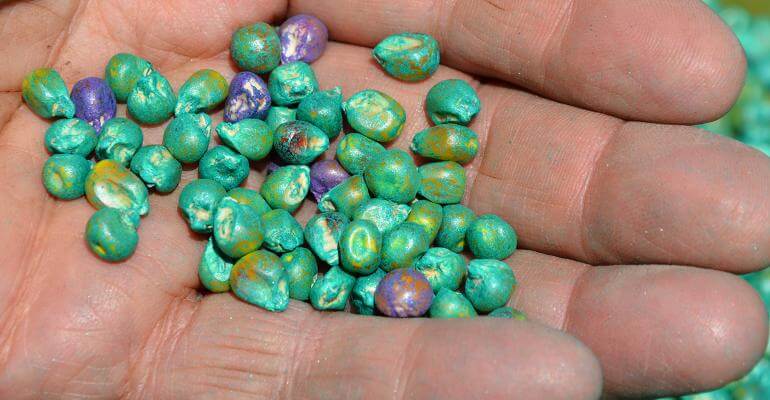
In late April, the European Union banned a blockbuster trio of neonicotinoid insecticides, marketed by chemical giants Syngenta and Bayer. The decision, motivated by mounting evidence of harm to bees exposed to the chemicals, entrenches a temporary moratorium the EU placed on them back in 2013.

Here in the United States, use of neonicotinoids continues unabated. They’re widely applied to corn, soybean, and cotton seeds before planting. The chemicals suffuse the resulting plants, including their pollen and nectar, poisoning crop-chomping insects.

…

The EPA’s website currently states that the agency “is not proposing any mitigation”—i.e., limits on neonic use—”at this stage.” I have made a query to an EPA spokesperson seeking updates on the agency’s slow-motion reassessment, and I’ll update this post if I hear back.

…

Meanwhile, research uncovering the potential unintended effects from neonics continues to pile up. The pesticides are showing up at high levels in the Great Lakes and are likely harming songbirds, as well as bees. Perhaps most troublesome of all for the companies that make them, recent studies have found that neonics don’t seem to boost yields for either corn or soybean growers.

Read full, original post: Europe Just Banned the Chemicals That Lay Waste to Honeybees. But They’re Still Everywhere in the US

Does birth control affect who women are attracted to?

story man

A commonly touted theory about how women’s attraction to men works might be all wrong, suggests a new paper published this week in Psychological Science. Prior, small experiments have found that birth control pills and ovulation could change a woman’s sexual preferences. Now, a large new study has found that women’s preferences for men’s faces are reliably stable, regardless of whether they’re taking birth control pills or whether they’re ovulating.

Some previous experiments have found that women taking hormonal contraceptives or experiencing their period were more likely to favor male facial features that are less associated with testosterone, like a rounder jaw or thinner eyebrows. But these studies may have been flawed from the get-go, according to Ben Jones.

…

Jones and his team recruited over 500 heterosexual-identifying women in the UK for their study. The women were shown 10 pairs of randomly selected male faces at the same time and told to pick which one they were more attracted to, as well as to rate how attractive the face was. The faces were slightly digitally altered to be more masculine- or feminine-looking.

…

“We found no evidence that women’s face preferences tracked changes in hormone levels or changes in women’s use of oral contraceptives,” Jones said. “Instead, we found that women generally preferred masculine men regardless of their own hormonal status.”

Read full, original post: Birth Control Probably Doesn’t Change Who You’re Attracted to, Study Finds

USDA’s hands-off approach to gene-edited crops could revolutionize research and development

crops
The US Department of Agriculture’s recent decision to stay out of the business of regulating gene-edited crops could be a game changer for a sector long dominated by a handful of companies armed with massive research and development budgets.

High regulatory hurdles imposed on GMO crops – those developed through transgenic breeding techniques involving the movement of genetic material between unrelated species – created an environment where only corporations such as Monsanto, Syngenta and DuPont could afford to develop new GM seeds. It has been estimated that it takes 13 years and $130 million to bring a GMO crop to market.

This, in turn, led to severe criticism from anti-GMO activists, who complain about a few large multinational companies controlling production of some of our most important crops, including soybeans and corn, which are dominated by GM varieties.

gmo 4 4 18But this breeding dynamic stands to change, now that US regulators are taking a hands-off approach to crops developed through CRISPR and other new breeding techniques. From the USDA’s press release:

Under its biotechnology regulations, USDA does not regulate or have any plans to regulate plants that could otherwise have been developed through traditional breeding techniques as long as they are not plant pests or developed using plant pests.

This move is expected to slash development costs for crops with the potential to resist drought, stress, pests and disease. Other traits could include nutrition and flavor enhancements. To avoid falling under USDA oversight, breeders will need to stay away from transgenic crosses like the ones used to develop many of today’s popular row crops that were engineered to resist glyphosate and other herbicides.

“Genome editing holds immense potential to lower product development costs and level the playing field beyond those few companies with the largest research and development budgets,” said Matthew Crisp, the CEO of Benson Hill Biosystems, an agriculture technology company that uses cloud biology to unlock the genetic potential of plants.

Mis- and disinformation are distorting science and public policy. Subscribe to our Daily and Weekly Digests for incisive coverage of ‘disruptive’ innovations in AI, agricultural biotechnology, food, chemicals, nuclear energy, vaccines, and other disruptive innovations.

And with those regulatory hurdles falling, it’s not surprising that we already are witnessing a surge in capital investment in biotechnology agriculture.

One such recent example was Monsanto’s decision in March to invest in start-up gene-editing company, Pairwise Plants. Under the terms of the agreement, Monsanto will pay Pairwise $100 million over the next five years to finance research in gene editing for crops. Pairwise will be conducting research in corn, soybean, wheat, cotton and canola exclusively for Monsanto.

cotton 4 4 18
Image credit: Shutterstock

We also stand to see more money invested in crops that haven’t been as attractive to the large corporations, said Kater D. Hake, the vice president of agricultural and environmental research at Cotton Inc.

“Cotton is a small-acreage crop compared with corn and soy,” Hake said. “With the regulatory cost associated with traditional biotechnology, cotton has been off the radar except for extremely high-value traits such as insect and weed control,”

Already, the popular gene-editing technique known as CRISPR has yielded a range of promising crop innovations. Among them:

  • Seedless fruits: Development of seedless fruits would mean farmers might not have to rely on declining bee populations for pollination. It’s not a new idea. We already have seedless bananas, grapes and cucumbers. But with CRISPR, it would be easier to develop more of them. Scientists in Japan, for example, have used the tool to make a seedless tomato by introducing a mutation that increases the levels of the hormone auxin, which stimulates fruits to develop even though no seeds have begun to form.
  • Faster development: A recent article in Fast Company Magazine detailed efforts at DuPont to develop new commodity crops, which are expected to hit the market in 5 to 10 years – almost half the traditional development timeline. From the article: “When you think about the fact that your average biotech crop takes 10 to 17 years, that’s a really remarkable speed compared to where the market is today, says Rachel Haurwitz, cofounder of Berkeley-based Caribou Biosciences.”

Wall Street investors have been quick to jump on what they see as an opportunity for growth. In the past year, we’ve seen the launching of numerous start-ups, seeded by venture capitalists.

Among them is Calyxt, which went public in July 2017, raising $56 million in the process.  Using gene-editing, the company has developed a potato variety that prevents the accumulation of certain sugars during cold storage, thereby reducing the bitter taste that is associated with storage. The potato also has lower levels of acrylamide – a suspected carcinogen when fried. It has also developed a potato that can withstand bruising.

potato 4 4 18Other company products include a soybean that produces oil with 20 percent less saturated fatty acids and zero transfats, making it healthier and more comparable to olive oil. The soybean oil is expected to hit the market in 2018. Also in development is an alfalfa variety designed to be easier for cows and horses to digest; a version of wheat that’s high in fiber wheat; and a version with reduced gluten.

Another food biotechnology company that has gone public is Yield 10. It has developed a gene-edited Camelina sativa or false flax, with enhanced omega 3 oil.  It is used as a biofuel and as a substitute for fish oil in aquaculture.  CEO Oliver Peoples said the USDA’s new approach shaves years and tens of millions of dollars off the cost of bringing a biotech plant to market. “It eliminates that huge barrier to entry for agbiotech companies… We did this in two years and the USDA’s decision took two months.”

Also, in the gene-editing food space is Cibus. Its first commercial crop is a non-transgenic canola designed to work with sulfonylurea herbicides which has been approved for commercialization in the United States and has received regulatory approval in Canada. Other products include: a glyphosate-tolerant flax that is expected to be commercialized in 2019 in the US and 2020 in Canada; an herbicide tolerant rice; and a potato resistant to late blight disease (the disease that was responsible for decimating the potato crop in Ireland thus resulting in the Great Famine.) In July, 2017, the company received an infusion of over $57 million in new financing to continue its research.

Sector scientists are optimistic about the potential impact of CRISPR and other new breeding techniques on the world’s food supply. These breeding tools have power to help us overcome many of the diseases and environmental threats faced today, said Kevin Holden, head of synthetic biology at Synthego, a California-based firm that caters to gene editing researchers. Said Holden:

“Genetically modified agriculture is just the tip of the iceberg of what is possible with CRISPR, and the future of food. As the world undergoes many changes in the coming years relating to food security and regulation, we will turn to scientists and researchers to supply solutions for not only the increase in the population, but also for socioeconomic and climate-related issues.”

Steven E. Cerier is a freelance international economist and a frequent contributor to the Genetic Literacy Project.


Argentine scientists develop non-browning potatoes using CRISPR gene editing

Screen Shot at AM

Researchers of the INTA [Instituto Nacional de Tecnología Agropecuaria] Balcarce [in Argentina] edited the genome that causes enzymatic browning in potatoes, alters the nutritional properties and quality of the tubers. It is an achievement for South America….

Editor’s note: This post has been translated from Spanish and lightly edited for clarity

…

“We verified that we are capable of generating, within a potato cell, a gene editing machinery that specifically targets the chosen gene and changes its genetic sequence,” explained Sergio Feingold, director of the INTA’s Agrobiotechnology Laboratory.

“The technique used was gene editing,” Feingold said of the technology used, also known as “gene scissors” or CRISPR / Cas9.

…

When applying this technique, the team led by Feingold focused on a polyphenol oxidase gene, whose enzyme causes browning in tubers when they are cut and exposed to air.

“The cutting or peeling of the tubers, as well as the mechanical damages suffered during the harvest, transport and storage, lead to the generation of brown or black stains caused by oxidation, which generates losses for consumption and industry,” he said.

…

“This achievement is the basis of new breeding techniques that allow us to do the same thing that was done for years through conventional breeding, but more quickly and accurately,” Feingold said.

Read full, original post: Modifying the gene that causes the potato to turn black (Google translate from Spanish)

Are you a human or a dog? Some consumer DNA tests don’t seem to know the difference

woman with dog black labrador smiling grass sunshine

A Chicago-based NBC station sent one reporter’s DNA to a handful of home DNA tests to compare the results. And just for kicks, they also sent a sample of DNA from Bailey, a Labrador retriever.

…

While most companies returned the sample as unreadable, one called Orig3n DNA didn’t seem to notice. Instead, they sent back a 7-page report praising Bailey’s cardiac output and muscle force, and recommending that she work with a personal trainer.

Woof.

…

And while it’s pretty funny to consider a human genetic testing company seriously recommending a fitness plan to a dog, this incident hints at a deeper, scarier issue: many people have come to think of these easy at-home tests as a replacement for medical advice or counseling.

You’ve heard it before: you shouldn’t put too much stock into at-home genetic tests, or what they tell you about yourself. These services often promise things that DNA can’t really tell you much about, like the wine you should drink or who you should be dating. The medical information DNA provides can be hard to interpret without counseling and even ruinous to your outlook on life. There’s also a chance some tests are giving participants false information.

This canine conundrum shows just how fallible these tests really are.

Read full, original post: Some Genetic Tests Apparently Can’t Tell If You’re Dog Or Human

5 key things we should know about the gut microbiome

gut

Here are five of the most important questions that lie ahead for microbiome science.

1) What makes a gut microbiome ‘healthy’? The words “healthy microbiome” should raise a red flag. Because, currently, if scientists examine the gut microbial community of a single individual they have no way of knowing whether or not it qualifies as healthy—nor even what parameter to look at in order to find out.

…

2) Diet can manipulate gut microbes. How does this affect health? “Many kinds of bacteria in our gut, they’re changeable by changing our diet,” says Liping Zhao of Shanghai Jiao Tong University in China, citing two large population studies from 2016.

…

3) How can gut microorganisms be used to fine-tune the immune system? Many chronic diseases—autoimmune conditions but also, according to the latest research, obesity and cardiovascular disease—are immune mediated.

…

4) How can a person’s gut microbiome be reconfigured in a lasting way? Measures of the adult microbiome over time show it has a high degree of stability—in fact, it can be downright stubborn.

…

5) How do early-life shapers of the gut microbiome affect health status later on? Researchers have found two main factors that appear to shape the gut microbiome in early life, at least temporarily: mode of birth (whether vaginal or Cesarean section), and early life diet (whether formula or breast milk).

Read full, original post: The Top Five Mysteries of the Human Gut Microbiome

Funny or Die website: ‘All-Natural, Non-GMO 100% Gluten-Free Internet Video!’

Screen Shot at AM e

If you’ve walked through the grocery store you’ve probably seen the marketing spin of food labels. “Non-GMO,” “gluten free,” “natural,” “organic” and “vegan” are just a few of the buzz words found on food and beverages at the supermarket.

A new video on Funny Or Die is poking fun at the absurdity of deceptive food labeling. The video was launched on the popular comedy video website on May 9 through a partnership with Peel Back the Label.

…

The Peel Back the Label campaign was launched last year by American dairy farmers through the National Milk Producers Federation (NMPF). The hope of the campaign is to expose deceptive advertising in the food marketing and help better inform consumers.

Read full, original post: Comedy Video Pokes Fun at Misleading Non-GMO, Natural Food Labels

King David’s United Monarchy: Is this 3,000-year-old Israeli house evidence of ‘lost’ biblical kingdom?

lost

Archaeologists have discovered a sprawling, possibly 3,000-year-old house that suggests a biblical kingdom called the United Monarchy, ruled by King David and later Solomon according to the Hebrew Bible, actually existed.

The archaeologists who excavated the house, at a site now called Tel Eton, in Israel, said in an article published online March 13 in the journal Radiocarbon that the date, design and size of the house indicates that a strong organized government existed at Tel Eton around 3,000 years ago. They added that this government may be the United Monarchy.

…

However, whether the United Monarchy actually existed and, if it existed, how large was it, are topics of debate among archaeologists and historians.

…

To confirm when the house was constructed, the archaeologists radiocarbon dated four artifacts — a piece of charcoal found by the chalice, another piece of charcoal found within the remains of a floor above the chalice and two olive pits found within the remains of the house’s floor.

…

[Researcher Avraham] Faust told Live Science he expects that some archaeologists would be critical of the use of material found in the remains of the floors for radiocarbon dating. He noted that all the radiocarbon dates, those from the olive pits and from the charcoal, converge around 3,000 years. “The convergence of the dates suggest that we are on safe grounds,” Faust said.

Read full, original post: Does This 3,000-Year-Old House Confirm King David’s Lost Biblical Kingdom?

Once-promising field of advanced biofuels is in ‘shambles’—can it be revived?

advanced biofuel
[Jay Keasling, a synthetic biologist at the University of California, Berkeley, and chief executive of the Joint BioEnergy Institute] did as much as any single individual to advance the field and sell the promise of such fuels. In addition to running JBEI, he cofounded several well-funded startups, including LS9 and Amyris Biotechnologies, to turn that vision into reality.

But a decade later, the field is in shambles. JBEI and other federally funded bioenergy labs still survive, but most advanced biofuels companies, including Keasling’s, have given up on the dream.

…

JBEI has made scientific strides, but if the institute’s crops, techniques, and bugs were rolled out on a commercial scale today, a gallon of the resulting fuel would cost 14 times what we pay at the pump.

Producing cheap advanced biofuels simply ended up being a far harder problem than expected.

…

For all the effort and funding, some in the field believe there hasn’t been much real progress made on these challenges during the last decade or so.

…

Keasling disagrees, arguing that JBEI and other labs have made significant scientific strides.

…

JBEI’s researchers have genetically altered types of switchgrass and sorghum so that they produce far more sugars, and much less lignin, than standard plants.

Read full, original post: The scientist still fighting for the clean fuel the world forgot

CRISPR may turn biology into the next Silicon Valley-like digital platform

synthetic biology crispr

Crispr, the powerful gene-editing tool, is revolutionizing the speed and scope with which scientists can modify the DNA of organisms, including human cells. So many people want to use it—from academic researchers to agtech companies to biopharma firms—that new companies are popping up to staunch the demand. Companies like Synthego, which is using a combination of software engineering and hardware automation to become the Amazon of genome engineering. And Inscripta, which wants to be the Apple. And Twist Bioscience, which could be the Intel.

All these analogies to the computing industry are more than just wordplay. Crispr is making biology more programmable than ever before. And the biotech execs staking their claims in Crispr’s backend systems have read their Silicon Valley history. They’re betting biology will be the next great computing platform, DNA will be the code that runs it, and Crispr will be the programming language.

…

[S]cientists log on to Synthego’s design portal and pick out one of the roughly 5,000 organisms they might want to edit from Synthego’s genome library—everything from E. coli to Homo sapiens—and the gene they want to knock out.

…

Within a week, a delivery shows up at the lab’s doorstep: everything a lab tech needs to begin manipulating the genome of a lab rat or zebrafish or dish of HeLa cells. They simply add their Crispr protein and start injecting.

Read full, original post: Biology will be the next great computing platform

Italian politician calls on EU to embrace new plant breeding techniques to cut farming’s environmental impact

Paolo De Castro

The new plant breeding techniques (NPBTs) are a major opportunity to move toward sustainable agriculture and simultaneously ensure food quality for EU consumers, MEP Paolo De Castro told EURACTIV.com.

According to De Castro (S&D), the EU should embrace innovation more and more in order to boost food production and cut the environmental impact of farming.

“In this sense, plant breeding innovation holds enormous promise for helping protect crops against drought and diseases while increasing nutritional values or eliminating allergens.”

NPBTs concern a number of scientific methods for the genetic engineering of plants to enhance traits like drought tolerance and pest resistance.

Critics say they should fall under the GM legislation while supporters say the methods do not transfer any gene from one plant to another but rather accelerate modifications that could happen in nature and therefore, should not be regulated as GMOs.

A European Court of Justice (ECJ) ruling is expected soon on “mutagenesis” method. In theory, the court’s ruling will provide more clarity about the EU policy framework for these techniques.

…

De Castro said he expected the court decision to encourage innovative and sustainable plant breeding, also in consideration of a similar US decision on the issue.

Read full, original post: MEP De Castro: New plant breeding techniques will ensure food quality and quantity

Autism test that appears to work for monkeys may open research doors for humans

Rhesus species

Researchers have been left empty-handed so far in their quest to uncover some measurable biological signal that could be used to diagnose autism spectrum disorder, leaving clinicians to identify the condition just based on a child’s behavior.

But on [May 2] scientists reported in the journal Science Translational Medicine that a hormone that regulates blood pressure could be one of those signposts.

They found that low concentrations of the molecule—called arginine vasopressin, or AVP—in the cerebrospinal fluid corresponded to autism-like social behavior in male monkeys, while a high AVP concentration signaled the most social animals. And they discovered similar results when looking at AVP concentrations in the cerebrospinal fluid, or CSF, of a small group of boys.

“It’s really exciting work,” said Dr. Mollie Meffert, a molecular neuroscientist at Johns Hopkins, who was not involved in the study. “One of the most interesting things is the finding that the vasopressin in the CSF correlates with sociality in the macaques and in autism with children.”

…

Autism is diagnosed based on social and communication deficits and repetitive behaviors like hand-flapping or obsessions.

A biological diagnostic test for autism is so important, researchers say, because the earlier children start therapeutic interventions, the better the results. Without a medical test, children are typically diagnosed around age 4 1/2, based on their behavior or a lag in their development.

Read full, original post: In monkeys, researchers find possible biological marker of autism

How GMO crops can benefit Nigerian farmers

Sorghum Farmers

The application of modern Biotechnology in an integrated multi-disciplinary approach can be a valuable ‘tool’ for addressing the several challenges in Nigeria in food production….

…

[Biotechnology’s] current impact on agriculture arises from the recent introduction of improved crops that belong to the class of genetically modified organisms (GMOs), marking the beginning of what appears to be a revolution that will bring substantial change to this sector.

…

Decades of documented evidence demonstrate that agricultural biotechnology is a safe and beneficial technology that contributes to both environmental and economic sustainability. Farmers choose biotech crops because they increase yield and lower production costs.

Farmers get a greater financial return while using more environmentally friendly farming practices through the use of agricultural biotechnology.

…

There are five (5) Biotech crops under confined field trials in Nigeria. They include Pod Borer Resistant (PBR) Cowpea, modified to be resistant to Maruca insect larvae; Bt. Cotton, with resistance to pink bollworm; Africa Bio-fortified Sorghum (ABS), with enhanced levels of Vitamin A, Iron and Zinc to target malnutrition; Nitrogen Use Efficient, Water Use Efficient and Salt Tolerant (NEWEST) Rice; Virus Resistant and Nutritionally Enhanced Cassava for Africa (VIRCA PLUS).

Read full, original post: Growing applications of GMOs in Nigeria

Woman survives removal of 132-pound ovarian tumor

n x

A 132-pound ovarian tumor was removed from a 38-year-old Connecticut woman this year, according to two doctors involved in the case.

The patient, who wished to remain anonymous, reported that the tumor began growing at a rate of about 10 pounds per week in November. A medical team, including 12 surgeons, removed it in a five-hour procedure February 14 at Danbury Hospital in Connecticut, according to Dr. Vaagn Andikyan, a gynecologic oncologist for Western Connecticut Health Network and a lead surgeon on the case.

…

The tumor originated in the epithelial cells lining the ovary and was “mucinous,” meaning it was filled with a gelatin-like substance produced by the tumor cells, according to Andikyan.

“Ovarian mucinous tumors tend to be big,” he said. “But tumors this big are exceedingly rare in the literature. It may be in the top 10 or 20 tumors of this size removed worldwide.”

Although the tumor was technically benign, or noncancerous, and had not spread outside the ovary, it was compressing nearby blood vessels and was therefore a threat to the patient’s life, according to Dr. Linus Chuang, chairman of obstetrics and gynecology for Western Connecticut Health Network, who was also involved in the case.

…

The physicians were able to save the patient’s uterus and right ovary, meaning she can still bear children if she chooses, according to Andikyan.

Read full, original post: 132-pound ovarian tumor removed from Connecticut woman

Gene Drive Files ‘cabal’—and biotech rejectionist efforts to derail research on technology with potential to fight crop pests

gene drive
The email came from Roylan Saah, coordinator of Genetic Biocontrol of Invasive Rodents at Island Conservation, a non-profit dedicated to preventing extinctions, at 10:49 a.m. on April 4, 2017. Entitled “NCSU GBIRd Monthly Meeting,” Saah was sending an agenda to a United Nations forum that includes several North Carolina State University researchers. The agenda:

Funding: DARPA, Other Opportunies (NSF, Keck, others)
Partnership: Formalizing Partnership, MOU – close to finished, Contracts
Genetic Characterization: Identify top 3 tasks to accomplish in the near term, Will this be used by Island Selection Team and Mouse Collection teams

This is just one piece of correspondence included in the so-called “Gene Drive Files,” mostly emails between scientists involved in gene drive and CRISPR research that were posted in December as “proof” of a cabalistic scandal — an attempt to manipulate regulators, international organizations like the United Nations and the public into accepting the technology and applications of gene drive.

The goal of gene drives is to manipulate which traits are inherited by the offspring of a targeted species. Combined with gene-edited traits, the technology has the potential to significantly reduce populations of insects that feast on our crops or spread disease. There have been concerns raised about the potential for unintended consequences once those drives are released into the wild.

Gene Drive graphicThese emails contained in the Gene Drive Files aren’t exactly Watergate — or Pentagon Paper — worthy on the coverup and scandal scale, but they do illustrate the mobilization of groups that have long opposed genetic modification of crops and food. This time, the opposition is against applications of CRISPR-Cas9, a simple way to precisely edit genes, for use in gene drives. “There is not transparency about who is influencing decisions about the future of global ecosystems, people’s livelihoods, or our food system,” said Dana Perls, of Friends of the Earth.

The group that did the posting, SynBioWatch, is a collaboration of non-governmental organizations including Friends of the Earth and the ETC Group, well known for their opposition to genetic engineering. These Gene Drive Files were displayed against a military-style camouflage background on the organization’s website, which otherwise appears to be disabled.

The group accuses a team of scientists whose core is at NCSU of creating an online forum to manipulate public opinion, and further raises suspicions about a public relations firm, hired for $1.6 million by the Bill and Melinda Gates Foundation (and not the NCSU nor the online forum) to influence opinions on gene drive (and also to get more scientists to join the online forum).

Other emails refer to the latest papers on CRISPR and gene drive to other researchers, and still others, like this one, explain what the online “cabal” is all about:

This is a group of colleagues with an interest in discussing Synthetic Biology in international fora such as OECD, CBD, etc. The main aim is to exchange information and views. The exchanges in this group are informal, and not aimed at establishing common positions.

gene drive 5 11 18 2The group, which is set up for scientists to discuss gene drive issues and advances and help inform the UN Center for Biological Diversity (CBD), also is open for anyone to apply.

The SynbioWatch group also expressed concern that the US Defense Advanced Research Projects Agency (DARPA), is involved with gene drive:

A trove of emails (The Gene Drive Files) from leading U.S. gene drive researchers reveals that the U.S. Military is taking the lead in driving forward gene drive development.
Secret Military Study draws in Monsanto: The emails reveal that the secretive JASON group of military advisors produced a classified study on gene drive this year (2017).

DARPA responded to SynBioWatch:

Our feeling is that the science of gene editing, including gene drive technology, has been advancing at a rapid pace in the laboratory. These leaps forward in potential capability, however, have not been matched by advances in the biosafety and biosecurity tools needed to protect against potential harm if such technologies were accidentally or intentionally misused, nor does data exist on how such technologies would actually function in the far more complex real world. DARPA, whose mission is to prevent strategic technological surprise, created the Safe Genes program to develop a toolkit to address potential health and security concerns related to the misuse of gene editors and to collect empirical data through laboratory-based demonstrations to gain a fundamental understanding of how gene editing technologies function.
Recent reporting on DARPA’s investments in gene editing technology under the Safe Genes program has painted this research as secretive. This, however, is patently false. DARPA publicly announced the program in September 2016, and made another announcement describing the proposed research when contracts were awarded in July 2017.

Jeff Chertack, program officer with the Gates Foundation (whose emails were also included by SynBioWatch), told the Canadian Broadcasting Corporation: “Our position is that the basic science that is happening on gene drive should continue while the questions are being answered about how to use it, when to use it, if to use it.”

Meanwhile, SynBioWatch and its members have formed coalitions with a more political view in mind:

“Synbiowatch exists to monitor and raise awareness of the emergent dangers of the synthetic biology industry,” according to the “About” section of the group’s Facebook page. In addition, a number of its members form a group of 170 organizations that at the CBD meeting in Mexico in December 2016, which called for a moratorium of all gene drive research. “A call for a moratorium with signatures from 170 civil society organizations, was this like the virgin birth?” Robert Friedman of the J. Craig Venter Institute (and one of the email forum members), told Science magazine. “Groups of scientsits are not that well organized.”

gene drive 5 11 18 3That call for the moratorium was rejected by CBD, and now scientists are raising concerns that the groups behind the moratorium call and SynBioWatch represent a new attempt to steer agriculture research and practice away from genetic modifications. Gene drive, while showing both promise and some technical complications in its use to either eliminate invasive species or dangerous insect pests, or improve agricultural products, fits well into the anti-GMO community’s objections to earlier versions of GM—not as much attacking the science itself as much as what the community views as a corporate assimilation of independent farming.

Whether a group of online scientists scheduling meetings and sharing thoughts on papers (and occasionally expressing some doubts on specific gene drive applications) meets the criteria of a hostile corporate takeover of farming remains to be seen.

The efforts by the 170 groups and SynBioWatch echo earlier anti-GMO efforts, Chertack said. “A pretty complicated technology that’s not well understood and where the facts maybe aren’t as well portrayed as the potential perceived risks of it.”

Andrew Porterfield is a writer and editor, and has worked with numerous academic institutions, companies and non-profits in the life sciences. BIO. Follow him on Twitter @AMPorterfield.

Delving into our dreams—and why they evolve as we age

dreams
Although radically different in terms of their content and feel, the range of dream states are just as complex as waking states. If we look across an individual’s lifetime, we find that children’s dreams are very different from adults’ dreams. Children tend to dream of emotional interactions with family members, friends and scary animals, while adults dream of other adults. Dreams of young adults are filled with social interactions between the dreamer and current friends and significant others. Men’s dreams differ substantially from women’s dreams, with women dreaming equally often of men and women, and men dreaming more often about other men. Older adults tend to dream more about creative works, legacies and enduring concerns, while the dreams of dying people are filled with numbers of supernatural agents, other-worldly settings and images of reunions with a loved one who has died. Dreams that transport the child into the social world of his caretakers during early life gently escort the dreamer into the arms of his loved ones when life is nearing an end. Dreams accompany us literally from the cradle to the grave.

If we switch our gaze from examination of dreams across a single lifetime and instead focus on dreams that occur across a single night, we still find great heterogeneity. REM (rapid eye movement) sleep alternates with non-REM (NREM) sleep episodes throughout the night, and as the night progresses NREM episodes get shorter and REM episodes get longer. We can spend as much as 45 minutes in a REM episode just before awakening in the morning. Dreams elicited from REM awakenings are very different from dreams elicited from NREM sleep. The former are filled with aggression while the latter are not. Dreams occurring early in the night (composed predominantly of NREM sleep) tend to announce an emotional issue of conflict that then gets worked on in other dreams as the night progresses. Emotional memories get transferred back and forth from NREM to REM throughout the night until they finally settle into long-term memory banks in the cortex. The dreaming brain also seems to access progressively older memories from those memory banks as the night progresses. Early morning REM dreams contain a greater number of references to early childhood scenes and memories than do REM episodes occurring earlier in the night.

Dreams differ not only across a single lifetime or a single night, they also differ dramatically across historical epochs. The dreams of the ancient Greeks and Romans, and indeed the dreams of most peoples of the ancient world, were viewed as direct portals into the spirit world and the realm of the ancestors and gods. Ancient peoples (and traditional peoples even today) often experienced dreams as the place to conduct a transaction with a spirit being who could significantly help or hinder you in your daily affairs.

Dream states also differ along a dimension of intensity: the more intense the physiologic arousal during REM, the more bizarre the dream content. For example, ordinary run-of-the-mill dreams are less intense than ‘Big’ epic dreams. These epic dreams often involve a series of scenes depicting fantastic worlds that the dreamer visits often and repeatedly across several dream periods. The ordinary run-of-the-mill dream, on the other hand, seems to contain rather generic stereotyped content with the dreamer doing nothing in particular but interacting socially with one or two familiar characters.

A slightly more intense version of the ordinary run-of-the-mill dream contains both familiar and unfamiliar characters. These unfamiliar characters are, typically, vaguely threatening male strangers, and they begin to appear in dreams as dreams become more intense. At an even greater level of intensity, the dreamer and all the other characters are now swept up into events and actions that involve some kind of goal-oriented narrative. Characters are thrown together into a rapidly evolving storyline involving lots of drama, rapid-fire changes in plot and plenty of emotional conflict. As intensity levels increase, even more bizarre visual features begin to invade the dream. Elements such as alien and impossible environments, supernatural creatures and metaphoric transmutations of characters and objects enter the dream.

dreams 3 19 18 2

While the intensity dimension can account for a range of dream varieties, it cannot account for some of the most interesting dream states. For example, amputees very often dream themselves intact. They might not experience the loss of their limb in dreams even years after the amputation, and even if the physical handicap was congenital. Similarly, dreams of the congenitally deaf-mute or those of the congenitally paraplegic cannot be distinguished from those of non-handicapped subjects. It is as if the dream has access to the whole dreamer who is a different person from the individual anchored in waking consciousness. Dream reports from deaf-mute individuals involve them talking and hearing normally. Patients with varying degrees of paraplegia report themselves flying, running, walking and swimming. The dream is accessing somebody different from the waking individual who is having the dream.

Characters in dreams are not only different from the waking conciousness of the dreamer, they can literally take over control of that conciousness. Dreams of patients with multiple personality disorder/dissociative identity disorder (MPD/DID) could involve appearances by alter-personalities. Often a new alter will first appear in a dream, and then later take over control of the behavioural repertoire of the individual and become a daytime alter. The dreamer will often experience a switch from her primary identity to an alter during a dream. In this case, who is dreaming whom?

Isolated sleep paralysis (ISP), in which the individual cannot move or speak after waking up, occurs when part of the dreamer’s mind is awake but another part remains in REM sleep. The ensuing dream can be quite terrifying: the individual hallucinates a malignant presence, which then attempts to interact with him in some way. Most often, the intent of the demon is to possess him or destroy him.

Mis- and disinformation are distorting science and public policy. Subscribe to our Daily and Weekly Digests for incisive coverage of ‘disruptive’ innovations in AI, agricultural biotechnology, food, chemicals, nuclear energy, vaccines, and other disruptive innovations.

False-awakening dreams, on the other hand, involve the subjective experience of waking up while remaining in the dream state. The dreamer feels as if he has woken up, and then goes about his daily routine such as getting dressed or brushing his teeth. While performing these routine tasks, the dreamer then really wakes up! Often these dreams-within-a-dream contain references to previous dream scenes and characters, rather than to waking experiences. The dreamer might wake up in the same environment as the dream that occurred prior to the false awakening. The dreamer might have to undergo several false awakenings before he is really able to wake up.

There are still other characters that we can encounter only in dreams. The dead, for instance, never appear in waking consciousness, but can nevertheless make visitations in our dreams looking alive and healthy, and carrying a message for the dreamer. Such dreams are typically clear, vivid and intense, experienced as absolutely real.

Why does all this matter? The huge variety of dream states suggests that dreaming is just as important as waking life for biologic fitness, and very likely has multiple generative mechanisms and functions. For example, dreaming about scary threats likely helps us to avoid those threats during the daytime, and recurrent dreaming of previously encountered dream characters or dream environments likely functions to adjust, maintain or alter the cognitive architecture of dreaming itself. Dream states occur regardless of what happens in the waking state, and many times reference something within the dream state that science has only begun to register.Aeon counter – do not remove

Patrick McNamara is associate professor of neurology and psychiatry at the Boston University School of Medicine and a professor at Northcentral University. He has published numerous articles in peer-reviewed journals and several books on the science of sleep and dreams, and on the psychology and neurology of religion. He is also a founding director of the Institute for the Biocultural Study of Religion.

This article was originally published at Aeon as Our dreams have many purposes, changing across the lifespan and has been republished here with permission