Since 2003, Brazilian law has required all consumer products containing genetically modified material to carry a scary-looking label that depicts a black T (standing for the Portuguese word “transgenicos”) inside a yellow triangle. It bears a striking — and probably not entirely accidental — resemblance to the fearsome biohazard symbol.
It’s not quite a skull-and-crossbones, but it certainly comes close. And it underscores the problem with labeling, namely, that it suggests that the presence of GMOs is something to be concerned about, though scientifically speaking, it is not.
…
As I follow the Brazilian debate, I find myself welcoming the efforts of Brazilian senators to ditch the transgenic T label. However, the perception that the use of genetic engineering — and its resulting products — will now be kept “secret” can surely only lead to greater unwarranted fears about GMO safety and a further proliferation of the already-widespread conspiracy theories about the technology generally.
…
What Brazil needs — and what the US will hopefully also end up with — is a system that is transparent enough to reassure consumers, but subtle enough to allow the complexities of the real world to be properly reflected.
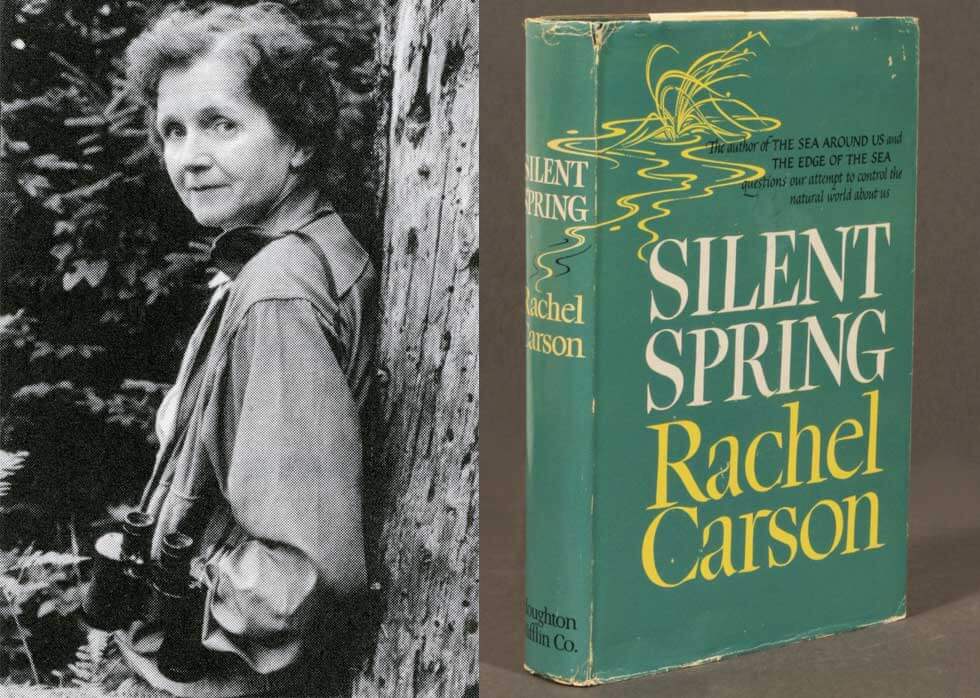
Carson’s detractors accuse her of misrepresenting the science. Wrong: Carson wrote that pesticides and herbicides disorder ecosystems because they kill broad swathes of their inhabitants, and predicted this would lead to entirely new problems as previously rare survivor species suddenly exploded in number. This has been borne out repeatedly. Carson also said that repeatedly applying pesticides and herbicides would cause their targets to evolve immunity to them. Alas, this, too, has been borne out repeatedly.
The latter process is one reason why the DDT ban did not, in fact, lead to many malaria deaths.
…
Carson’s claims about the direct risks pesticides and herbicides pose to human health do not stand up as well. Here again, she describes the science of the era accurately—problem is, the science in this area wasn’t especially good. Carson, like the researchers she reported on, thought we could accurately determine whether a substance will cause disease in the body by examining its effects on cells in test tubes. And she, like the cell biologists whose work she describes, thought we were much closer to understanding the workings of cancer than we actually were.
As AI slowly erodes the foundations that made the Cold War possible, we may find ourselves hurtling towards all-out nuclear war. There’s a “significant potential” for artificial intelligence to undermine the foundations of nuclear security, according to a new report published [April 24] by the RAND Corporation, a nonprofit, nonpartisan research organization.
…
At the very core of this discussion is the concept of nuclear deterrence, in which the guarantee of “mutually assured destruction” (MAD), or “assured retaliation,” prevents one side from launching its nuclear weapons at an equally armed adversary. It’s a cold, calculating logic that has—at least to this stage in our history—prevented an all-out nuclear war.
…
But this arrangement could weaken and become destabilized in the event that one side loses its ability to strike back, or even if it starts to believe that it runs of the risk of losing that capability.
…
[A]dvanced artificial intelligence, in conjunction with surveillance technologies such as drones, satellites, and other powerful sensors, could erode the technological equilibrium that maintains the delicate Cold War balance. AI will achieve this through the mass surveillance of an adversary’s security infrastructure.
…
[T]he RAND authors propose international discussions, new global institutions and agreements, acknowledgement by rival states of the problem, and the development of innovative technological, diplomatic, and military safeguards.
The definition of “normal” values for common laboratory tests often governs the diagnosis, treatment, and overall management of tested individuals. Some test results may depend on demographic traits of the tested population including age, race, and sex. Ideally, laboratory test results should be interpreted in reference to a population of “similar” “healthy” individuals. In many settings, however, it is unclear exactly who these individuals are. How much population stratification and what criteria for healthy individuals are optimal?
…
However, with the proliferation of large data sets emblematic of precision medicine, it is becoming feasible to study stratified variation and clinical outcomes at scale. Sample size limitations are no longer a challenge. However, the task of defining a “normal” population becomes even more challenging. Who should define normality and using which criteria? When should standardized efforts be used across populations and instrumentation? How can multiplicity across myriad population strata be overcome as the normal population becomes more precise and personalized?
It is essential to answer these questions for widely used clinical laboratory tests such as complete blood cell count and blood chemistries before delving into more rare tests. Such tests are a routine entry point for invasive and expensive follow-up tests and procedures, yet remain poorly characterized across strata.
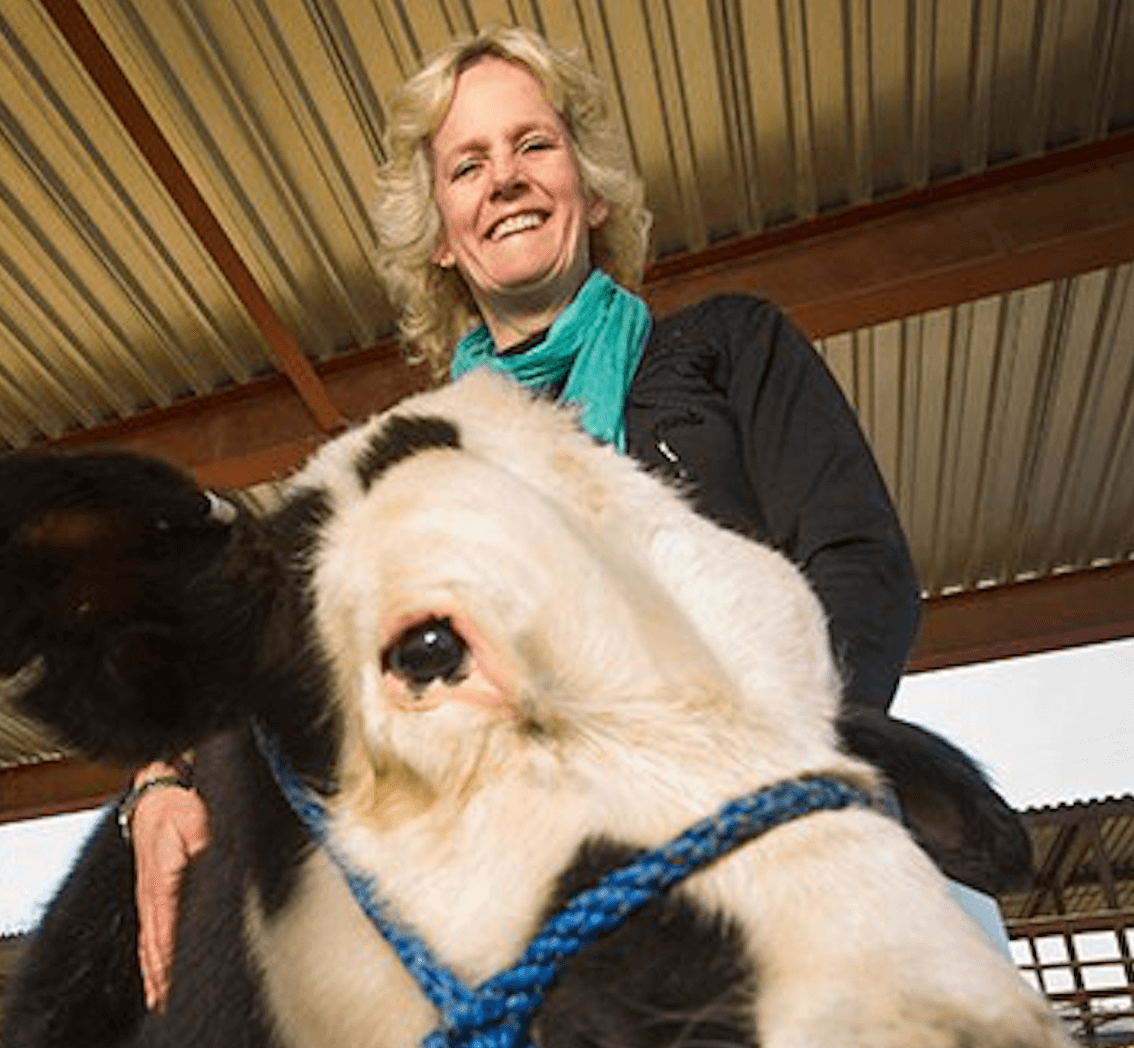
Animal geneticist Alison Van Eenennaam has six calves that are rather unusual. Most people might not pick up on what’s odd, but close inspection, and knowledge of bovine genetics, reveals that none of the calves have horns despite being a mix of breeds that typically have them. Even more surprising? The calves’ hornless state wasn’t bred into them — Van Eenennaam and her colleagues edited their genes using the new CRISPR technology.
The CRISPR gene editor uses an enzyme like a pair of scissors to cut DNA strands. Researchers can then insert whatever gene they select into the break. The technology is still in its early days, but it has experts seeing a future where gene editing can treat diseases or create crops better equipped for a changing climate.
…
Although gene editing uses different technology from the genetic engineering that creates GMOs, she is certain that people will conflate the two. “We have to speak up,” she says of scientists. “We’re the people who know how it could be useful and how incredibly valuable the tool is. I’m not going to let the fearmongers dominate the conversation.”
By the time her mother received the doctor’s email, Yuna Lee was already 2 years old, a child with a frightening medical mystery. Plagued with body-rattling seizures and inconsolable crying, she could not speak, walk or stand.
“Why is she suffering so much?” her mother, Soo-Kyung Lee, anguished. Brain scans, genetic tests and neurological exams yielded no answers. But when an email popped up suggesting that Yuna might have a mutation on a gene called FOXG1, Soo-Kyung froze.
…
For years, Soo-Kyung, a developmental biologist at Oregon Health and Science University, had worked with the FOX family of genes.
…
She also knew harmful FOXG1 mutations are exceedingly rare and usually not inherited — the gene mutates spontaneously during pregnancy. Only about 300 people worldwide are known to have FOXG1 syndrome, a condition designated a separate disorder relatively recently. The odds her own daughter would have it were infinitesimal.
…
Balancing the missions of science and motherhood, Soo-Kyung has begun doing what she is uniquely positioned to do: aiming her research squarely at her daughter’s disorder. With Jae’s help, she is studying how the FOXG1 gene works and why mutations like Yuna’s are so devastating.
“Our ultimate goal is to find a better treatment for FOXG1 syndrome patients,” she said. Her day-to-day goal is helping Yuna make slivers of developmental progress.
Dr Bill Parker, Director of Research, Agriculture and Horticulture Development Board (AHDB), said:
“While this decision is not unexpected given the mounting weight of scientific evidence of the effects of neonics on pollinators, it is nonetheless a serious issue for the agricultural industry as it further restricts the crop protection toolbox that farmers and growers have available to them for controlling key pests.
“Although alternatives do exist, the consequence of this decision is likely to be a greater use of insecticides applied as foliar sprays (spray applied to leaves)….
…
Prof Dave Goulson, Professor of Biology (Evolution, Behaviour and Environment), University of Sussex, said:
“Given the ongoing evidence of catastrophic insect decline … this decision should be welcome. There is abundant evidence from lab and field studies that neonicotinoids are harmful to bees…. The EU decision is a logical one….
“However, if these neonicotinoids are simply replaced by other similar compounds such as sulfoxaflor, cyantraniliprole and flupyradifurone (all new systemic insecticides), then we will simply be going round in circles. What is needed is a move towards truly sustainable farming methods that minimise pesticide use, encourage natural enemies of crop pests, and support biodiversity and healthy soils.
The question of whether our early ancestors walked fully upright or in a crouched position, like apes, has long been a hot debate among scientists.
Now, new research presented at the annual meeting of the American Association of Anatomists during the 2018 Experimental Biology Conference in San Diego suggests that the characteristic bipedalism of modern humans may have evolved much earlier than previously thought—long before our species had even emerged.
For the research, evolutionary anthropologist David Raichlen and his colleagues from the University of Arizona, examined 3.6-million-year-old hominin footprints recently discovered in Laetoli, Tanzania, which represent the earliest direct evidence of hominin bipedalism.
…
When analyzing footprints, looking at the difference between the impressions made by the toe and the heel reveals how the center of pressure moves along the foot during a step and therefore provides clues to walking posture. After comparing the footprints, the results showed that the Laetoli prints were much more similar to those made by humans walking upright.
Walking in this manner with fully extended legs is more efficient—and therefore uses less energy—than shuffling in a crouched position. This means longer journeys can be undertaken, suggesting that the evolutionary switch from one mode of walking to another may have been linked to how human ancestors looked for food, according to the researchers.
Amazon’s recent acquisition of Whole Foods has brought immediate changes to the Texas-based grocery chain, such as lower prices and selling Amazon tech products on supermarket shelves.
As a registered dietitian nutritionist and nearly native Texan, I have an idea for Amazon to help Whole Foods’ customers as much as lower prices and more items in its stores: Take a closer look at how it markets products to customers and consider doing so in a more honest, less confusing way.
…
The fact is GMO foods are perfectly safe to eat. The 2016 National Academy of Sciences report … examined over 1,000 research and other publications and concluded there was no substantiated evidence of a difference in risks to human health between commercially available GMO and conventional crops.
There are only 10 approved GMO crops currently in the United States…. But you will find non-GMO labels on items ranging from salt, vodka and orange juice to cat litter.
Food is an essential part of our lives to be enjoyed. It should not be a source of fear, frustration and confusion. It would be incredible if Whole Foods, using Amazon’s substantial resources to boost it into a market leader, would become the driving force in moving food marketing away from false, fearful claims to positive, authentic information.
Mr Eric Amaning Okoree, Chief Executive Officer, National Biosafety Authority (NBA) says genetically modified (GM) crops have a high potential of controlling the fall armyworm.
He noted that the fall armyworms could not attack all plants, which indicates that some plants had natural resistance and therefore, maize and other crops that could not withstand the army worm needed to be genetically modified.
…
Mr Okoree said the modern biotechnology system allows scientists and researchers to transfer genes from plants that have natural resistance through genetic engineering and then insert it to maize which implies the maize will be genetically modified.
He further explained that the maize would then have natural resistance inbuilt; to resist the fall army worm.
He said the biotechnology system was possible; however, the technology was not available in Ghana.
Mr Okoree noted that it was about time Ghana adopted it; and it should be backed by enough funding, as scientists and researchers would need lots of funds trying to transfer genes from the natural source.
Researchers are now becoming confident enough to claim that the information available from sequencing a person’s genome – the instructions encoded in our DNA that influence our physical and behavioural traits – can be used to make predictions about their potential to achieve academic success.
…
All too often genes are read as destiny. But in truth there’s rather little in your genetic make-up that fixes traits or behaviour with any clarity. There are some genetic diseases that particular gene mutations will give you if you’re unlucky enough to inherit them. But most traits (including diseases) that are influenced by genes manifest only as tendencies.
…
Partly this is because a lot of traits are influenced by many genes, interacting and correlating with one another in complex ways that are hard, perhaps impossible, to anticipate. But it’s also because genes are themselves influenced by environmental factors, which can cause them to be activated or suppressed.
…
The data both from twin studies and DNA analysis are unambiguous: intelligence is strongly heritable. Typically around 50 per cent of variations in intelligence between individuals can be ascribed to genes, although these gene-induced differences become markedly more apparent as we age. As [psychologist Stuart] Ritchie says: like it or not, the debate about whether genes affect intelligence is over.
Consumer DNA testing companies are rushing to reassure customers about the security of their genetic information following news that DNA data from a genealogy website was used by police to arrest the man they believe is the Golden State Killer, responsible for at least 12 murders and more than 50 rapes from 1976 to 1986.
But are DNA data ever really private?
The companies say they will not provide DNA information unless compelled to by court order – but consumers can post it. And it’s now possible to identify someone by comparing the short DNA repeats tracked in forensic genotyping to the genome-wide SNP (single nucleotide polymorphism) markers that form the basis of many health and trait tests, with mathematical correlations that arise from matching flanking DNA sequences. A remarkable study published exactly a year ago revealed the strong correlations among different types of genetic markers that are closely linked on their chromosome. (I’ll return to it.)
The different contexts of DNA testing are finally colliding: basic research, health and traits, clinical testing, ancestry and forensics. Technology meets human nature. While people with genetic evidence of a disease risk often want to keep it private, those using DNA data to find relatives want to spread the word. It’s easy to see how Ancestry.com‘s “You may provide people with varying levels of access to your DNA results” could lead to unintentional dissemination of private information.
That’s what seems to have led to the capture of Joseph James DeAngelo, 72. Familial DNA searches that nabbed criminals through their imprisoned relatives were controversial enough; now the strategy has spread to consumer DNA testing. And that has many people worried.
The leaks apparently aren’t with the testing companies.
“We do not allow our customer data to be shared or processed by any third party without our customers’ explicit approval,” said Mehdi Maghsoodnia, CEO of Vitagene, whose tests focus on wellness and lifestyle. Prominent direct-to-consumer genetic testing company 23andme issued a statement: “It’s our policy to resist law enforcement inquiries to protect customer privacy.”
The capture of the suspected Golden State Killer was so dramatic that some media accounts glossed over the science. But the story of DNA profiling has been unfolding for decades.
Brief history of DNA profiling
Sir Alec Jeffreys, the inventor of forensic DNA profiling
Sir Alec Jeffreys at Leicester University developed DNA typing to solve crimes in 1985. His original technique followed DNA sequences 10 to 80 bases long called “variable number of tandem repeats” (VNTRs). The gene variant (allele) was the number of repeats.
The first famous conviction was that of Colin Pitchfork, a 27-year-old baker and father who raped and strangled two 15-year-old girls in the Leicester countryside in 1983 and 1986. After testing DNA from blood and saliva samples from about 5,000 local men, with no matches, a man in a bar overheard boasting about donating DNA for a friend led to finding the real criminal, and his DNA matched that in semen found in the victims.
The first exoneration from DNA profiling (then called fingerprinting) came in 1993, in the US, when death row inmate Kirk Bloodsworth read about Colin Pitchfork and requested DNA testing of a stain on the panties of a young girl he was convicted of raping and murdering. Another early use of DNA fingerprinting was less disturbing – ensuring that Dolly the sheep was really a clone.
Colin Pitchfork, one of the first criminals found from his DNA.
And here’s an interesting coincidence: The accused DeAngelo was a police officer, putting him in position to have insights into DNA fingerprinting in 1986, when the Golden State Killer’s crime spree ended. (In June 1988, I wrote the cover story for Discover magazine, “DNA Fingerprints: New Witness for the Prosecution,” about a rapist who struck near Disney World and was done in by his DNA. He kept a copy of the magazine in prison and wrote to the editor, wanting to contact me.)
Forensic scientists began to use shorter VNTRs 2 to 10 bases long, called short tandem repeats (STRs), in the early 1990s. The smaller DNA pieces were more likely to persist in the extreme conditions of a disaster like a fire or bomb blast and were more accurate in distinguishing individuals. The FBI developed a panel of 13 STRs, generating 26 data points because a person inherits one from each parent, which may be identical or not. In addition, forensic genotyping determines sex from a gene, amelogenin, on the X and Y chromosomes. It is 6 bases shorter in a female.
The DNA Identification Act of 1994 declared DNA data confidential and restricted access to criminal justice agencies and defendants. The act also called for stripping of information that could identify an individual in other ways, like a distinctive mutation or genotype for an observable trait.
The language is DNA, the power is statistics
STRs are non-coding DNA sequences, which means that they do not encode protein, although some STRs are within protein-encoding genes. The STRs used in forensics are 3 or 4 bases long, like CATCCATCCATC. In contrast, a SNP alters one base, such as CATCCATC compared to CGTCCATC.
The original 13 CODIS STRs. Seven more were added in 2017.
The power of DNA profiling lies in its combinatorial nature. Each STR harbors a variable number of the repeats – a suspect might have 5 copies of the STR on chromosome 2 from his father and 7 from his mother. The allele tables for the STRs in this FBI document indicate the many possible combinations.
The FBI also considers the frequency of each allele — the number of copies at each STR site — in distinct population groups, such as Trinidadians and Apache. In its early days the technology used too-broad groupings. By upping variability while restricting the populations, analysis of a bit of DNA left on a coffee cup or under a fingernail can go a long way towards eliminating suspects and narrowing the search for the culprit.
In 2017, the FBI’s Combined DNA Index System, or CODIS, which shares DNA profiles among local, state, and federal crime laboratories, added seven more STR “core loci,” making an already formidable forensic tool even more so. (A locus is the site of a DNA sequence as part of a chromosome.)
CODIS maintains a database of more than half a million unidentified DNA samples from crime scenes, which is where investigators initially turn if they don’t find a match in samples that already have a name attached. If that doesn’t work, a controversial strategy is a familial search, looking for incarcerated individuals who share many of the 20 STRs with the crime scene sample. In California, a familial match requires at least 15 of the 20 CODIS core loci.
Mis- and disinformation are distorting science and public policy. Subscribe to our Daily and Weekly Digests for incisive coverage of ‘disruptive’ innovations in AI, agricultural biotechnology, food, chemicals, nuclear energy, vaccines, and other disruptive innovations.
Until now, the most famous familial DNA match case was that of another notorious California criminal, the “Grim Sleeper,” who killed nine women and one girl, over many years. Finally, a DNA sample from a victim closely matched DNA of an imprisoned weapons trafficker whose father turned out to be the Grim Sleeper, Lonnie David Franklin Jr. DNA extracted from a tossed piece of pizza nailed him — discarded DNA raises no privacy issues. More victims’ identities appeared in the man’s computer files. Familial searches may lead to false accusations and much angst. But familial searches usually zero in on one individual.
Another important precedent was the 2013 case of Alonzo Jay King, who was arrested in Wicomico County, Maryland, for “menacing a group of people with a shotgun.” State law compelled taking a cheek swab for DNA testing. When the sample matched DNA evidence from an unsolved 2003 rape case, King was tried and convicted for the older crime based on new DNA evidence.
Maryland v. King, like the Golden State Killer case, was a new situation, and the Supreme Court eventually overruled an appeals court determination of unlawful seizure and unreasonable search. The court called the taking and use of a DNA profile a “legitimate police booking procedure” equivalent to obtaining conventional fingerprints.
But the Golden State Killer case goes even beyond the exceptional circumstances of Maryland v. King: The DNA that points to DeAngelo didn’t come from a forensic DNA database, but from a consumer website.
The prosecution found a distant relative of the killer at GEDmatch.com, a free website where people in search of relatives upload their autosomal DNA ancestry data from companies such as AncestryDNA, 23andMe, Family Tree DNA, MyHeritage DNA, Living DNA, or for health traits from WeGene, GenetiConcept or Genes for Good. No warrant was necessary, said lead investigator Paul Holes.
Once registered at GEDmatch.com, DNA from a Golden State Killer crime scene matched DNA from a distant relative of the man who would become the suspect. Checking more STR sites led to closer male relatives. Investigators considered practical clues among the relatives of the GEDmatch, like DeAngelo’s experience in law enforcement. The noose was tightening. Finally, DNA on a discarded object found near DeAngelo’s home in Citrus Heights matched. An answer emerged from the shared STR genotypes of amateur genealogist relatives, crime scene evidence, and recently discarded DNA.
Will DNA database crosstalk kill genetic privacy?
Identifying individuals from their DNA sequences stored in databases isn’t a new concern. A prescient study published in Science, “Identifying Personal Genomes by Surname Inference,” from 2013, led by then-grad student Melissa Gymrek, now at UCSD, interrogated the 1000 Genomes Project database, compiled from 2008-2015. The informed consent for the project read, “. . . it will be hard for anyone to find out anything about you personally from any of this research.”
Well, no.
Gymrek was a student of Yaniv Erlich, a researcher at the Whitehead Institute who had worked with databases at financial banks. She cross-referenced STR profiles and surnames from genetic genealogy websites, public information such as state of residence and birth year, mutation databases naming children with genetic diseases along with their hometowns and dates of birth, and DNA sequence information stored at a cell bank.
The strategy identified 50 people so easily that Dr. Erlich, alarmed, notified the NIH, the sponsor of the 1000 Genomes Project, which then stepped up de-identifying efforts.
Then a year ago came the study from Noah Rosenberg, Professor of Population Genetics and Society at Stanford and his team. They looked at the original 13 CODIS core loci and 642,563 genomewide SNPs for 872 people, and for 98% of them, could correlate one type of test result to the other. When they included the additional 7 STRs in the updated set of 20 used in forensic DNA typing, matching accuracy neared 100%.
A genome-wide association study considers patterns of SNPs.
STRs and SNPs weren’t intended to correspond, like translating from French to Spanish instantaneously online. But over the years, genome sequencing has revealed the DNA information surrounding the STRs – a little like being able to distinguish Los Angeles from Chicago by identifying landmarks in their suburbs. A physical explanation for the correlations is based on classical genetic linkage: Areas bordering STRs can enter the real estate of the SNP maps.
Gymrek’s clever experiment in a way foreshadowed the Stanford team’s finding. In short, the new CODIS panel, plus more specific markers added once a familial match appears, “uncovers new risks to privacy,” they write. Matching CODIS and SNP genotypes indicate the same person, and the problem is that the SNP profiles that underlie so many DTC tests can reveal much about a person’s health risks and traits.
The testing websites shy away from the accurate term for these SNP profiles, and understandably so. “Genomewide association studies (GWAS) based on single nucleotide polymorphisms” isn’t going to sell test kits. And it takes scrolling through the pretty graphics and emotional success stories to get to a vague phrase like 23andMe’s “specific locations in your DNA” or Vitagene’s “700,000 markers.”
Family Tree DNA allows customers to select the number of autosomal SNP markers, combined with the Y chromosome and mitochondrial DNA sequences used to trace geographical origins, and offers the ability to upload data from other testing companies. Will the data-sharing promiscuity of the companies, welcome in that it helps find relatives, at the same time add to the privacy problem?
DNA testing has suddenly become more serious than a fun Mother’s Day or graduation gift. The arrest of the suspected Golden State Killer has rendered the NewYorker’s flippant description of “spit parties” to collect DNA, from a decade ago, no longer funny.
Crosstalk between consumer DNA test sites and forensic investigations can go both ways. “The genotypes of the genetic markers most commonly used by law enforcement are correlated enough with genotypes of markers used in personal genomics, genealogical, and biomedical studies that it will sometimes be possible to connect genotypes with these different markers to the same person,” explained Dr. Rosenberg. 23andMe will have to update their blog post from March 16, 2016, which stated that their “tests are of little use to law enforcement or government because they cannot technically be matched against the information in CODIS or other governmental databases.” Now they can.
Could someone sending in a spit sample to test for ear wax consistency, Neanderthal genes and cancer risk discover that her DNA is being used to out a creepy old uncle? Or will prisoners be informed of a late-onset inherited disease like Huntington’s looming? The possible scenarios are endless.
In the meantime, let’s inject some common sense. Caveat emptor: Let the buyer (or uploader) beware. A company’s pledge to require a court order before providing DNA data is useless if people talk and their genetic info ricochets all over the Internet. One company’s promise to “destroy your physical DNA saliva sample after it has been analyzed,” hardly helps if the DNA sequence information is in their database. The capture of Colin Pitchfork at the dawn of the DNA profiling era, thanks to a blabbermouth friend in a bar, may have set a precedent for how not to maintain genetic privacy.
Using GEDmatch to close in on and capture suspect Joseph James DeAngelo was genius. But consumers concerned about DNA-based identification should recognize two things: data on a public platform are no longer private, and DNA sequences by their nature provide information on relatives.
“The privacy discussion surrounding this recent case is helpful in giving the public a clearer understanding of the limits of DNA privacy. Because of correlations between genotypes at different markers, DNA databases on different sets of genetic markers can ‘talk’ to one another more than has been appreciated,” Dr. Rosenberg told Genetic Literacy Project.
So think twice, maybe three times, before sending off that precious DNA sample.
Ricki Lewis is the GLP’s senior contributing writer focusing on gene therapy and gene editing. She has a PhD in genetics and is a genetic counselor, science writer and author of The Forever Fix: Gene Therapy and the Boy Who Saved It, the only popular book about gene therapy. BIO. Follow her at her website or Twitter @rickilewis.
This is the second in a three-part series making the case that the development of the biotech traits for insect resistance and herbicide tolerance are the most substantial innovations in sustainable agriculture in the last three decades. In part one, I laid out the context in which I believe they should be assessed relative to other innovations competing for the crown. In this part, I examine the data and evidence of their overall environmental impacts. In the final installment, I’ll make my closing argument after looking at the impacts on China, India, Pakistan and South Africa.
Every year, the agricultural and natural resources industry consulting firm updates their magisterial literature review and data analysis [PDF] on the global impacts of GE crops. It takes the peer reviewed research literature and public data pulls it into a systematic attempt at quantification. I’ve asked people I respect about the quality of this work. And no one I’ve talked to has found any reason to see the effort as flawed, nor have I come across any written critiques anywhere. I find the report to be transparent, well sourced, and forthright about methodology and the limitations of their methods. Some of these are based on complex calculations with wide margin for error. But even taken as back-of-the-envelope math (and it’s far more sophisticated than that), they lay out the scale of these impacts and define the bar if you want to put forth some other innovations as having had greater impact.
Among their findings:
Globally, permanent savings in carbon dioxide emissions (arising from reduced fuel use of 9,823 million litres of fuel) since 1996 have been about 26,221 million kg, with the additional amount of soil carbon sequestered since 1996 has been equivalent to 227,208 million kg of carbon dioxide that has not been released into the global atmosphere.
In the US the combined numbers for corn and soy are a savings of 2.8 billion litres of fuel from 1996-2015 and 72 billion kg of carbon emission sequestered or saved in reduced fuel burning.
In South America the numbers are even more dramatic. The combined fuel savings has been 5.8 billion litres of fuel and the combined carbon savings 166 billion kg.To put some of these numbers in perspective, they looked the carbon savings from 2015, the last year they had data from and found it the fuel savings “was the equivalent of removing 1.25 million cars from the road for a year and the additional soil carbon sequestration gains (23,900 million kg carbon dioxide) were equivalent to removing 10.62 million cars from the roads. In total, biotech crop-related carbon dioxide emission savings in 2015 were equal to the removal from the roads of 11.88 million cars, equal to 41% of all registered cars in the UK.’
Since 1996, the use of pesticides on the GE crop area was reduced by 618.7 million kg of active ingredient (8.1% reduction), and the environmental impact associated with herbicide and insecticide use on these crops, as measured by the Environmental Impact Quotient (EIQ) indicator, fell by 18.6%. (Let me note that EIQ is a very rough and potentially problematic measure of environmental impacts, especially for herbicides, but also across so many variables on a gigantic dataset. At best it should be taken as a sign that across a range of measures, on balance toxicity fell. That doesn’t mean that toxicity didn’t rise on some measures in troubling ways and was cancelled out by other large improvements on what might be less salient variables. Take it with a grain of salt. I’ll share some more granular measures by weed scientist Andrew Kniss a little further down.)
In US cotton they find the Bt trait resulted in in an annual saving in the volume of insecticide ai use of 63.5% in 2015 (2.5 million kg) and the annual field EIQ load on the US cotton crop also fell by 27.5% in 2015 (equal to 53 million field EIQ/ha units). Since 1996, the cumulative decrease in insecticide ai use has been 24.9% (19.5 million kg), and the cumulative reduction in the field EIQ load has been 19.6%
In Bt corn, globally, they find a 53% (87 million kg) cumulative reduction in active ingredient and a reduction of 7.8 million kg for 2015 alone, amounting an 84% reduction for that year.
The reduction in organophosphates, some of the nastiest insecticides is even more dramatic than the general trend.That reduction registers in air quality samples.
Farmer income
In the interest of space, we’ll just look at the example of Argentina, a non-wealthy nation that bounces in and out of official “emerging market status”. From a development perspective, increasing farm incomes there is a big deal.
In Argentina, Brookes and Barfoot found savings from reduced expenditure on herbicides, fewer spray runs and machinery use have been in the range of $24-$30/ha (hectare), although since 2008, savings fell back to $16-$26/ha because of the significant increase in the price of glyphosate relative to other herbicides in 2008-09 and additional expenditure on complementary herbicide use to address weed resistance (to glyphosate) issues. Net income gains have been in the range of $21-$29/ha up to 2007 and $14-$24/ha since 2008. The net income gain from use of the Roundup Ready technology at a national level was $448 million in 2015. Since 1996, the cumulative benefit (in nominal terms) has been $6 billion.
An interesting wrinkle is that part of the gains for Argentine farmers is that Roundup Ready soybeans have allowed many of them to grow soy as a second crop after wheat harvest. The time freed up by the reduction in tillage practices allows for that second crop. Nearly 20% of the Argentine soybean crop came from wheat farmers supplementing their annual income in 2015, up from 8% in 1996. The represented a $484 million boost to national farm income in 2015 and $11 billion cumulatively since 1996.
What does other research show?
I want to look at two other areas before wrapping up. The first is sorting out the complicated picture on the impact of Roundup Ready and other herbicide-tolerant crops on environmental impacts. Then we’ll take a look at Bt cotton in India, Pakistan, and China.
The 2017 paper attempts to suss out the question of what has happened to herbicide use on major crops over the last two decades: Has use increased or decreased, have environmental impacts increased or decreased, and what role the RoundUp Ready traits have had on those changes? In a blog post on the publication of the paper, Kniss summarized his findings.
First of all, I found strong evidence that herbicide use has indeed increased in GMO crops (corn, soybean, and cotton), much as the critics have suggested. However, I also found that herbicide use has increased even faster in the non-GMO crops rice and wheat. This suggests that there is an overall trend for increasing herbicide use in all crops, irrespective of whether GMO varieties are available. It is even plausible, based on these data, that GMO crops have slowed the increase in herbicide use (though it is impossible to say for sure).
Another interesting finding from this analysis is that the trends in relative herbicide toxicity are different depending on whether you look at acute or chronic toxicity. Acute toxicity is what most people think of when they hear the word “toxic.” Acute toxicity describes how much of a chemical would be required to cause problems in a one-time exposure. Think spilling onto your clothes, or accidentally drinking the herbicide. But for pesticide applicators, the chronic toxicity of a herbicide is arguably more relevant, since they’re interacting with these chemicals on a regular basis for many years of their lives. It is rare for an applicator to accidentally ingest an acutely toxic dose; but much lower doses are required to cause chronic effects, as long as the exposure is repeated enough times. As a pesticide applicator myself, I was particularly interested in the chronic toxicity hazard results.
Of the three GMO crops in the analysis, the chronic toxicity hazard associated with herbicides has actually increased in corn and cotton, but decreased in soybean over the last 25 years. But in all three crops, few of the changes in herbicide use that caused chronic toxicity to change are directly attributable to the GMO traits. In the final year of corn herbicide use data (2014), just two herbicides (atrazine and mesotrione) made up 88% of the total chronic toxicity hazard. In cotton, just one herbicide (diuron) made up 88% of the total chronic toxicity hazard. Use of these herbicides aren’t tied to adoption of GMO crops; these herbicides were used before GMOs, and have continued to be used after GMO adoption.
Even though glyphosate use has increased greatly over the last 25 years, my analysis suggests the relative contribution of glyphosate to the chronic toxicity hazard has remained relatively low. Glyphosate has a very low chronic toxicity compared to most other herbicides. In corn and cotton, the chronic toxicity hazard increased over the last 25 years, but glyphosate contributed less than 4% to the chronic toxicity hazard in the final year of the data set. Similar results were observed in soybean, where glyphosate accounted for 43% of all herbicide treatments in 2015, but glyphosate made up less than 1% of the chronic toxicity hazard.
Another interesting finding in this paper is that most of the major reductions in toxicity hazard were unrelated to the adoption of GMO crops. Where toxicity was reduced, it was mostly due to EPA removing the most toxic herbicides from commercial use. In particular, registration cancellations for cyanazine, alachlor, and molinate had major impacts on the toxicity hazard quotients in the analysis .
The short version: Yes, herbicide use increased as a general trend, but the increase was higher in major non-GE crops like wheat and rice than it was in corn and soybeans. In terms of toxicity, the substitution of glyphosate for other herbicides significantly lowered the toxicity profile of herbicide use in the US, even as the amount of active ingredient increased. That looks like this in corn – total pounds, down slightly, toxicity way down:
Chart by Andrew Kniss
And like this in soybeans – pounds per acre up, toxicity down, though ticking up as glyphosate resistant pigweed became a problem in soybean production:
Chart by Andrew KnissThe changes in detected herbicides are less dramatic than those for insecticides, but if you read that shift from green (other herbicides) to orange (glyphosate) you can see a qualitative shift as well as older, nastier herbicides dropped out of use.
And to return to a point raised earlier — one that bears repeating for our friends who haven’t internalized it yet — those reductions in insecticide use and herbicide toxicity are happening on nearly 90 million acres of corn and 76 million acres of soybeans in the US.
What about “superweeds”?
Before we get to Kniss’ paper, let me humbly recommend the primer on “superweeds” I did for GLP a few years back.
The methods and the results of the 2018 paper are laid out very clearly in the abstract of the paper:
Here, I analyze data from the International Survey of Herbicide Resistant Weeds and the USDA and demonstrate that adoption of GE corn varieties did not reduce herbicide diversity, and therefore likely did not increase selection pressure for herbicide resistant weeds in that crop.
Adoption of GE herbicide-resistant varieties substantially reduced herbicide diversity in cotton and soybean. Increased glyphosate use in cotton and soybean largely displaced herbicides that are more likely to select for herbicide-resistant weeds, which at least partially mitigated the impact of reduced herbicide diversity.
The overall rate of newly confirmed herbicide resistant weed species to all herbicide sites of action (SOAs) has slowed in the United States since 2005. Although the number of glyphosate-resistant weeds has increased since 1998, the evolution of new glyphosate-resistant weed species as a function of area sprayed has remained relatively low compared with several other commonly used herbicide SOAs.
The rate of weeds developing resistance to herbicides has slowed since 2005. There are other herbicides that are more vulnerable to resistance developing in the weeds they are meant to kill than glyphosate. There is a plausible case to be made that wider use of glyphosate took pressure off those herbicides and contributed to this lower rate. It might also be the case that the overall pressure of herbicide resistant weeds started hitting an economic tipping point for farmers so that it became unavoidable to start taking integrated pest management more seriously in weed control.
Either way, the data cuts against the popular narrative of herbicide-resistant weeds as an accelerating problem. Now, resistance in palmer amaranth (pigweed) is an accelerating problem – for interesting reasons. We’ll talk about how that relates to the Dicamba debacle when we wrap up in part three.
Marc Brazeau is the GLP’s senior contributing writer focusing on agricultural biotechnology. He also is the editor of Food and Farm Discussion Lab. Follow him on Twitter @eatcookwrite.
A new biotech company co-founded by CRISPR pioneer Jennifer Doudna is developing a device that uses CRISPR to detect all kinds of diseases like malaria, tuberculosis, and Zika. The tech is still just in prototype phase, but research in the field is showing promising results. These CRISPR-based diagnostic tools have the potential to revolutionize how we test for diseases in the hospital, or even at home. Called Mammoth Biosciences, the company is working on a credit card-sized paper test and smartphone app combo.
…
The tech would work similarly to a pregnancy test — except that instead of using urine to tell you whether you’re pregnant, it can use urine, blood, or saliva to tell whether you have a sexually transmitted infection or a particular strain of the flu. (The test could detect multiple diseases at once, [CEO Trevor] Martin says.) The fluorescent signal or color change on the paper test would be analyzed by a smartphone app. You take a photo of the results, and the app tells you what you tested positive for. At least, that’s the idea.
The company has some “working prototypes,” Martin says. “We’re moving to commercialize it quickly and have it available in the next few years.” Martin won’t say how much the at-home tests will cost, but the technology will be “accessible and affordable,” he says.
The U.S. Food and Drug Administration on [April 26] announced its approval of the first U.S. facility for production of genetically engineered salmon.
However, an “import alert” for genetically engineered salmon remains in place, preventing U.S. production for now.
“With the facility now approved, commercial production of AquAdvantage Salmon awaits only official labeling guideline by the FDA,” AquaBounty Technologies, Maynard, Mass., said in a news release.
…
AquaBounty Technologies purchased for $14 million last year a defunct fish farm in Albany [Indiana] where perch, trout and salmon had been raised.
AquAdvantage Salmon is an Atlantic salmon that the company says has been “enhanced to grow to market size in about half the time of a traditional farmed Atlantic salmon.” It is grown only in land-based contained facilities using a sterile, all-female population.
…
The Indiana facility as currently configured has a production capacity of 1,200 tons per year and was designed to allow significant expansion, the company said.
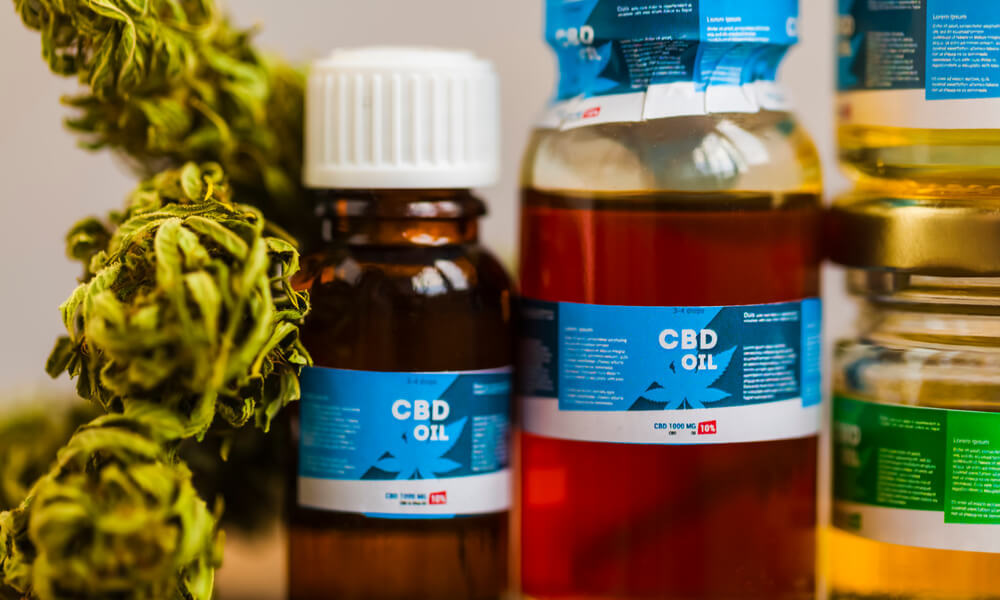
UC San Diego will try to alleviate severe autism in children by giving them a non-psychoactive chemical found in marijuana, a project funded by the biggest private donation ever made in the U.S. for such research.
The $4.7 million study involves the controversial compound cannabidiol, or CBD, which is widely marketed nationwide as something of a miracle drug, capable of treating everything from cancer to post-traumatic stress disorder.
Regulators believe CBD does show therapeutic promise. But they also say the miracle drug claims are wrong or based on anecdotes rather than scientific evidence.
…
UC San Diego’s Center for Medicinal Cannabis Research (CMCR) will conduct a clinical trial involving 30 autistic children with severe symptoms. The children, who will be recruited from throughout the region, will be given a liquid form of CBD that will be provided by a federally approved laboratory in Arizona. During the study, which begins next year, the children will also undergo behavioral testing, MRI scans and electroencephalograms. The patients will range in age from 8 to 12.
…
The university says the overall project, led by Dr. Igor Grant, “will determine if CBD is safe and tolerable and whether it alleviates adverse symptoms of ASD; determine whether and how CBD alters brain activity, neurotransmitters and/or brain network connectivity; and determine whether biomarkers or neuroinflammation are altered by CBD.”
No one can blame the European Commission of being in the hands of industry lobbies, as in both the glyphosate and neonicotinoids cases, it made “consistent” decisions, EU Health Commissioner Vytenis Andriukaitis told EURACTIV.com.
Representatives of EU member states [voted on 27 April] on a European Commission proposal to ban three neonicotinoid insecticides: Bayer’s imidacloprid and clothianidin, and Syngenta’s thiamethoxam.
The Commission’s proposal is based on the European Food Safety Authority (EFSA) assessment, which recently re-confirmed that the neonicotinoids pose a risk to bees.
…
Andriukaitis explained that the process shows that the Commission had made “consistent decisions”.
“We had evidence related to glyphosate and we made consistent decisions. Of course, our message was ‘together with member states’ and we achieved a majority vote. Now, we have evidence about challenges related to bee population and neonicotinoids are very dangerous in this field, once again we are consistent. No one can blame the Commission for being in the hands of some lobby.”
“It is a perfect example of the Commission being consistent and based on scientific evidence, procedures and rules,” Andriukaitis said.
Life may not have originated in the primordial soup of an ancient pond, according to scientists, but rather in a “nuclear geyser” powered by an ancient uranium deposit. Shigenori Maruyama of Tokyo Institute of Technology says the idea came from what chemists know about crucial compounds in our own bodies.
…
The major chemicals of life, and presumably life itself, may have formed in an environment that was alternately wet and dry.
…
Maruyama has identified nine requirements for the birthplace of life. One place where all can occur at once, Maruyama says, is in the plumbing of a nuclear geyser. This would not only produce heat to power the geyser, but produce radiation strong enough to break the recalcitrant molecular bonds of water, nitrogen, and carbon dioxide, all of which must be cleaved in order to produce critical prebiotic compounds. Periodic eruptions of the geyser would also produce alternating wet and dry cycles, and water draining from the surface would bring back dissolved gases from the atmosphere. The rocks lining the geyser’s subterranean channels would provide a source of minerals such as potassium and calcium.
…
Once life originated, he says, it would have been spewed onto the surface and from there into the oceans. From there, it spread to every known habitable niche on the modern Earth.
On March 28, U.S. Secretary of Agriculture Sonny Perdue announced that his department won’t add a new layer of regulations to crops that scientists have enhanced through a cutting-edge method of selective breeding. This wise decision will encourage innovation, helping producers and consumers alike — and it even holds the potential to usher in the next great revolution in food.
…
Perhaps you’ve heard of CRISPR, one of several new gene-editing tools that allow scientists to make small adjustments within the DNA of crops. By tweaking the genes that are already there, we can help crops resist and ultimately defeat the age-old threats of diseases and pests.
I’m confident these innovative technologies are capable of doing much more. We’ll turn our crops into more efficient users of water, allowing us to conserve an important resource and also survive droughts. We’ll improve their ability to soak up nitrogen, helping us to limit the harmful nitrates in our streams and lakes. We’ll even make our food healthier, boosting its nutritional value and eliminating allergens.
And that could be just the start.
Editor’s note: Daniel Kelley is a corn and soybean farmer in on an Illinois and a board member of the Global Farmer Network