Earth’s weirdest and most exotic creatures: Research bonanza for genetics and science

b c tt
At the bottom of a small lake in Central America hides a hand-sized salamander known as the axolotl, which means “water dog” in an ancient Aztec language. She sits under a rock waiting to grab her daily buffet of worms and insects. As she begins swimming toward a juicy insect, a carp attacks and takes a bite out of her limb. In the scramble, a heron swoops in to join the fight and crushes her spine with a crunch of the beak. Luckily, she escapes to her rock. Within a month, her spine and limb fully regenerate, without a scar to show.

The axolotl can regenerate perfectly from nearly any damage to its body, including its spine, heart, and brain. Crush its spine, remove spinal segments, cut off any limb at any level – new tissue, nerves, veins appear.massive logo

And yet as distant and exotic as creatures like the Axolotl seem, they are inspiring solutions to very human problems, including research projects in regenerative abilities, healthcare, sustainability, and manufacturing.

For over a century, scientists have been studying the famous Mexican salamander, trying to parse the secrets behind its peculiar smile, like the Mona Lisa of amphibians. Elly Tanaka, a professor at the the Research Institute of Molecular Pathology (IMP) in Vienna, breeds and studies axolotl on a molecular level. This past month, Tanaka and a team of international researchers pieced together the Axolotl genome, all 32 billion bases, that programs these superpower abilities.

Determining a genome from scratch is time-consuming and expensive. Scientists prepare and insert samples into sequencing machines to find the order of A, T, C, and G bases on hundreds of millions of individual snippets, called reads. These reads, thousands of bases long in this study, are then aligned by matching where strands overlap. In the end, the millions of overlapping reads form one long series, the genetic blueprint of an organ


ism.

axol 3 14 18 2
Axolotl. Source: Shantel Jang / FLICKR

At 10 times the size of the human genome, the Axolotl’s genome is the largest ever sequenced. And to complicate matters further, nearly 60 percent of the genome consists of repeating elements. To deal with the size and repetitiveness, the team developed a new algorithm, one of the major advancements they presented in their research, to put together all these snippets.

Finishing the Axolotl’s genetic puzzle, a computer-intensive process, represents just one of the many new advancements to record life’s guiding code. After determining the genome, the researchers implicated multiple genes and genetic characteristics unique to the axolotl. This pursuit to understand the genetic, regulatory, and chemical work of the axolotl’s regeneration was motivated by an interest to adapt the axolotl’s abilities for human use. But this paper is only the start of work to dissect and exploit this salamander’s extraordinary sequence of bases – work that has already begun with other species.

Mis- and disinformation are distorting science and public policy. Subscribe to our Daily and Weekly Digests for incisive coverage of ‘disruptive’ innovations in AI, agricultural biotechnology, food, chemicals, nuclear energy, vaccines, and other disruptive innovations.

Aiding that work, sequencing genomes is getting easier and cheaper by the day. These advances make it an increasingly attractive opportunity to explore the genomic diversity of Earth’s most remarkable creatures, and to learn from the secrets they hold.

For billions of years, nature has been perfecting itself for every corner of the Earth. This idea is the foundation of a field called biomimicry, cemented in 1997 by Janine Benyus, an American author. While the nomenclature is relatively new, human history is full of famous technological advancements that were inspired by the world around us: planes and birds, televisions and solar panels by butterfly wings, lightbulbs by lightning bugs, Velcro and burs.

axol 3 14 18 3.jpg
Naked mole rat. Source: Smithsonian’s National Zoo / FLICKR

But as industries move towards nanotechnology and genetic engineering, we have much to learn on the microscopic molecular level. While Earth’s inhabitants have been doing research and development for hundreds of millions of years, humans have been looking at DNA for less than a century.

What secrets may be hiding out there? Naked mole rats don’t seem to die from old age or develop cancer, they can hold their breath for 18 minutes, and do not feel pain like other mammals do. Calico, a company owned by Google’s parent Alphabet, is trying to exploit these traits to stop aging. Wood frogs and tardigrades can completely freeze and thaw repeatedly, an ability researchers are replicating to make anti-icing coatings or to preserve vaccines. Even a therapy derived from the unique antibodies (immune system proteins) of camels and llamas are about to hit the market as a treatment for blood disease. The buzzing genetic editing technology CRISPR/Cas9, shown to stop deafness in mice, is an complex system taken from bacteria that use it to defend themselves against viruses. Gecko-inspired surgical adhesives have made a splash in tissue reconstruction.

axol 3 14 18 4.jpg
Llama. Source: Virginia State Parks / FLICKR

This “bioinspiration” presents incredible opportunities to improve upon, said Jeff Karp, a professor of medicine at Harvard Medical School and Brigham and Women’s Hospital, and a co-founder of Gecko Biomedical, a private life science company.

“I think it is important to identify mechanisms in nature that have evolved to solve problems,” Karp said. “And these can be borrowed as part of solutions we aim to advance. Typically, we take a basic idea from nature and improve on it for our purposes.”

Just this week, scientists sequenced one of nature’s strangest creatures, one that appeared only about 25 years ago. Female marbled crayfish, an invasive species across Europe, clone themselves every 1 per 10,000, a trait also seen in water fleas that arose 1,250 years ago. The number of new questions raised by the mutant crayfish are endless. How does it control asexual reproduction genetically, for example? How did this ability arise through evolution? And what drives differences between clones and their mothers?

Karp acknowledged that medical researchers have yet to examine the apparent superpowers of these new creatures. “We haven’t looked at this yet,” he said. “We are focused more on defining medical problems and then looking to nature for inspiration.”

Engineering these systems on a molecular level will be even harder.

Patrick Shih, a plant biologist and postdoctoral fellow at Lawrence Berkeley National Laboratory and Joint BioEnergy Institute, stressed the early state of the field. “Currently, we only have the ability to engineer a handful of model species,” he said. “I think we really don’t know what are the limitations on what we could co-opt from biology to engineer solutions to societal problems.”

Given that we barely know all the alien-like creatures out there – and have yet to sequence even 0.1 percent of them – the potential of nature’s natural selection is anyone’s guess. Shih underscored this point, as well.

“We only know a fraction of all the diversity of life on Earth,” he said, “so there is bound to be a lot of cool new metabolisms, systems, and components that we’ll be able to discover in the future to fuel engineering efforts.”

But, if past, often serendipitous, discoveries tell us anything, it’s that biology’s treasure chests, buried in organism’s advanced genetic codes, are lurking all around the untouched corners of the Earth.

Josh Peters is a biological engineering graduate student at MIT. His interests reside at the intersection of systems and synthetic biology for the discovery, manipulation, and diagnosis of disease states. Other professional focuses include science policy, science communication, and entrepreneurship. Follow him on Twitter @joshpetepeters.

A version of this article was originally published on Massive’s website as “Earth’s weirdest creatures are genetic treasure chests” and has been republished here with permission.

How scientists use meta-analysis to try to make sense of contradictory findings on neonicotinoids and bees

a cec cf a f dee
The EU has announced a near-total ban on three insecticides that we now know are harmful to bees and other pollinators. And yet for years, scientists weren’t sure whether these neonicotinoid insecticides had any significant effect on bees, thanks to numerous studies that appeared to contradict each other.

This isn’t an uncommon experience, as anyone who follows the latest scientific news will know. Sometimes it feels like we are constantly bombarded with contradictory claims on every possible topic from climate change to cancer treatments. How do we know what’s true and how are we supposed to put recommendations from scientific studies into practice if scientists cannot seem to agree among themselves?

Luckily, scientists have a tool that can not only help sort through large amounts of confusing data but also reveal conclusions that were statistically invisible when the information was first collected. This practice of “meta-analysis” is what helped researchers see there was a problem with neonicotinoids, paving the way for the risk assessment that ultimately led to the ban. In fact, meta-analysis is now so widespread that it affects our lives on a daily basis.

To understand how this process works, we need to know why scientific studies can contradict one another. Initial studies on new and topical subjects make attractive headlines due to their novelty. But these early studies are often small and usually severely overestimate the effects they are assessing. As a result, their conclusions are often overturned by the follow-up studies.

file pgd n
Meta-analysis revealed the effects of neonicotinoids on bees. (Image credit: Shutterstock)

The problem has become worse over the last few decades, as modern technologies have allowed scientists to generate new data much faster than before. This has often resulted in a sequence of extreme, opposite results being published.

To make sense of such situations, scientists developed a robust statistical approach that involves analysing all available studies on a given topic: meta-analysis. Because all of studies might have been carried out in slightly different ways, their results are first converted into some sort of a common currency so they can be compared.

This common currency is a measurement of how large the effect being studied is (effect size). For example, how much a particular medical treatment increases patients’ odds of survival as compared to placebo or another treatment.

Effect sizes are then statistically combined across the different studies to estimate the overall effect. Larger studies usually contribute more to the overall effect estimate than smaller, less precise studies. We then evaluate whether it is a positive or negative effect and whether it is big enough to be of importance.

The next step in the meta-analysis is to find out how much the effect varies between studies. If the effect varies a lot, then it is important to explore the causes of this variation. For instance, it is likely that the effects of insecticides on pollinators depend on the dose of the chemical. Similarly, the effect of a medical treatment may differ depending on patient’s age and previous medical history.

Making sense of contradictory findings

The results of meta-analyses provide very important information for policy and decision makers and often challenge expert opinions. As I co-wrote in a recent paper in Nature, meta-analysis has helped to establish evidence-based practice and resolve many seemingly contradictory research outcomes in fields from medicine to social sciences, ecology and conservation.

In the case of neonicotinoid research, many studies tested the effects on pollinators but only some of them reported negative effects whereas others found no effect. This initially lead to a conclusion that neonicotinoids posed only a negligible risk to honey bees.

Then, in 2011, a meta-analysis of 14 published studies tested the effects of one neonicotinoid insecticide called imidacloprid. It found that the amount of imidacloprid that honey bees would typically receive in the wild wouldn’t kill them. But it also showed that the insecticide did reduce the bees’ performance (measured in terms of their growth and behaviour).

The meta-analysis also explained why many published trials reported no effects of neonicotinoids on honey bees. It turned out these trials were far too small and lacked the statistical power required to detect effects other than death. Only by statistically combining the results of these small trials in a meta-analysis were the researchers able to detect the effects.

file afs fu
Meta-analysis helps doctors sift through different drugs. (Image credit: Shutterstock)

The negative effects of neonicotinoids on pollinators have also been confirmed in another recently published meta-analysis, which combined the results of over 40 published studies on effects of neonicotinoids on beneficial insects. This revealed that these pesticides negatively affect the abundance, behaviour, reproduction and survival of these insects.

Meta-analyses have spread to many fields of research over the last few decades. They are used to compare the effectiveness of different drugs for a particular ailment, and influence other government policies ranging from education to crime prevention.

But this has created an interesting dilemma. Who should be valued and rewarded more: a scientist who conducts an original investigation or the scientist who combines the results of original studies in a meta-analysis? Are meta-analysts just “research parasites” who do not generate data themselves, but use other people’s work to publish high profile papers?

Instead of emphasising the difference between these two types of research, it might be more helpful to view them both as part of the practice of modern science. Both primary researchers and research synthesists are crucial for the scientific progress.

They can be viewed as the brick makers and the brick layers involved in building of an edifice of knowledge. Without meta-analysis, the results of individual studies will remain a pile of bricks of different shapes and sizes, puzzling to look at, but effectively useless for making decisions and policies.

Of course, meta-analyses are also subject to many pitfalls and are only snapshots of scientific evidence at a given point in time. But they provide a safer starting point for drawing conclusions. So the next time you see a news headline that seems to contradict one you read yesterday, remember to check whether the paper on which the story is based is a single study or a meta-analysis based on compilation of results from several dozens of studies.

Julia Koricheva is a professor of ecology at Royal Holloway, University of London. Follow her on Twitter @KorichevaLab

This article was originally published at the Conversation as “Neonicotinoid ban: how meta-analysis helped show pesticides do harm bees” and has been republished here with permission.

Royal quest: Chinese DNA tests driven by desire to find evidence of imperial descent

main qimg e aa d a f c dc c cbd f c

Li Jiewen’s family might seem pretty ordinary, but according to a long-held family belief, they’re descended from royalty.

…

Last year, the Macau University of Science and Technology student decided to put her blue blood to the test. She bought a genetic testing kit online, spat into the test tube, sent it off for analysis, and eagerly awaited the results.

Li is just one of hundreds of thousands of Chinese people who have purchased DNA testing kits online to find out more about their heritage. The kits — which can cost as little as a few hundred yuan — are a far cry from genetic testing done in hospitals. In a matter of weeks, users can receive a digital report with a breakdown of their ancestry.

…

China’s largest direct-to-consumer genetic testing company, Chengdu 23Mofang Biotechnology — which counts Li as a customer — raised 100 million yuan ($15.8 million.

…

Back in China, where over 90 percent of the population is Han Chinese, many people are more interested in uncovering links to royalty than exploring their ethnic roots, says Vanessa Frangville, a lecturer at the Université Libre de Bruxelles in Belgium who specializes in ethnicity and nation-building. “Most Chinese are interested in discovering whether they are related to famous historical figures — for instance, Confucius, some emperor, or an eminent warlord,” she tells Sixth Tone.

Read full, original post: Dreams of Imperial Descent Drive Chinese to DNA Testing

Can governments, public keep up with gene-editing revolution in agriculture?

wheat

A mushroom that doesn’t brown. White flour with as much fiber as whole-wheat flour. Corn that can fend off northern corn leaf blight. Soybeans that can tolerate salty soils and drought.

These products and dozens more are quietly making their way from laboratories to fields, bypassing the regulatory hurdles that genetically modified (GM) plants must clear. They were produced with gene-editing techniques that allow scientists to snip genes out of a plant genome with speed and precision.

Gene editing could bring new crop traits to market far faster, with much less fanfare. In a world where large corporations dominate crop breeding, the relative ease and low cost of gene editing could allow small start-up companies to steam alongside the giant ships of agrichemical conglomerates.

Maybe.

Scientists and companies are racing toward the field with gene editing. But behind them lag governments barely beginning to grapple with a framework to regulate gene-edited crops — and American consumers with little understanding of the technology.

Read full, original post: As Gene Editing Nears the Field, Regulators and Consumers Lag Behind

USDA might not meet July deadline for GMO labeling rule, Agriculture Secretary Sonny Perdue says

Screen Shot at PM

Agriculture Secretary Sonny Perdue told representatives from the National Association of Farm Broadcasting [April 24] that his agency may not make the July 29 deadline to publish a final rule on labeling genetically modified food. According to Feedstuffs, he said during the April 24 meeting that while the department has been working toward that goal, he would like to be closer to meeting it than the department is now.

…

Perdue blamed White House Office of Management & Budget reviews for the delay, even though he said USDA had asked for an expedited process.

…

A delay in publishing the final rule could cause several problems. It leaves the food and grocery industries, along with food importers, in a bind because they don’t know how to implement labeling changes. Because this is a mandatory change and is likely to have stringent size and location requirements, manufacturers and label designers need to start working on designs. Also, in the absence of federal regulations, states such as Vermont, which passed its own labeling law — and was preempted by federal action — might take action to enforce their own laws.

Read full, original post: Perdue: USDA may miss GMO labeling rule deadline

‘Anti-vaxxers’ are starting to focus on pets—even though they can’t get autism

puppy header x

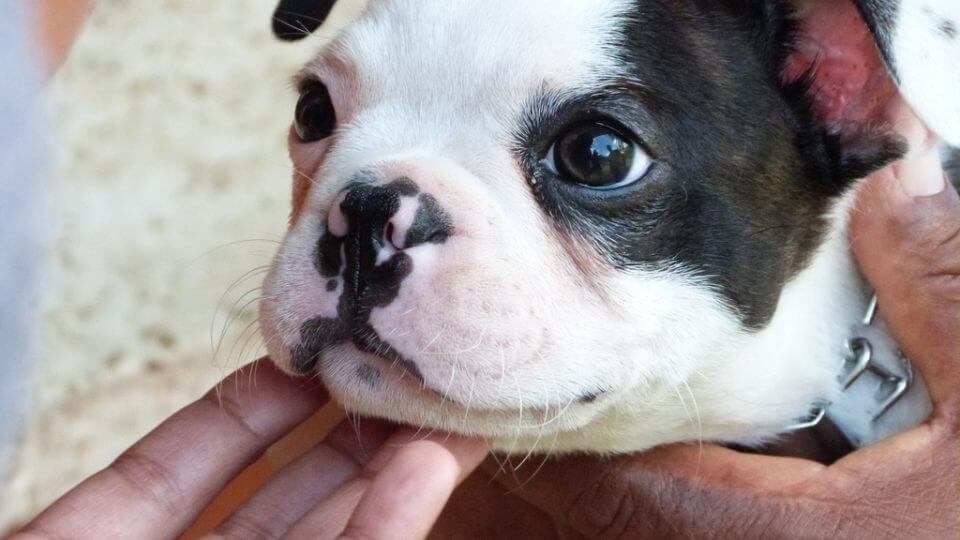
Dogs cannot get ‘autism’, the British Veterinary Association has warned, after the ‘anti-vaccine’ movement spread to pets.

‘Anti-vaxxers’ believe that immunisations have harmful side effects and may be the cause of autism in children – beliefs widely debunked by the medical community.

This theory is increasingly being applied to pets, particularly in the US, and there are fears it is spreading to the UK and could cause already low vaccination rates to fall.

…

Senior Vice President Gudrun Ravetz added: “Vaccinations save lives and are an important tool in keeping our pets healthy.

“We know from the example of the MMR vaccine and its now disproven link to autism in children that scaremongering can lead to a loss of public confidence in vaccination and knee-jerk reactions that can lead to outbreaks of disease.

“Distemper and parvovirus are still killers in pets – and the reason we no longer see these on a wider scale is because most owners sensibly choose to vaccinate.”

…

The BVA suggested that owners who fail to vaccinate their pets could be breaking the law, commenting that: “It is important to remember that under the Animal Welfare Act, pet owners have a duty to protect their animals from pain, injury, suffering and disease.

“We know of no better, and scientifically proven, way to protect against disease than vaccination.”

Read full, original post: Dogs cannot get ‘autism’, British Veterinary Association warns after ‘anti-vaxx’ movement spread to pets

Adolf Hitler’s grandson? French plumber hopes DNA test proves his claim

hitler

A French plumber is taking a DNA to prove he is Adolf Hitler’s grandson after his grandmother had a fling with the Fuhrer when she posed for one of his paintings.

Philippe Loret’s saliva will be matched with genetic material from pieces of skull and jaw bone reportedly belonging to the Nazi leader and held in a vault by the former KGB in Moscow.

The Frenchman is convinced his late father, Jean-Marie Loret, was Hitler’s illegitimate son conceived long before the tyrant led Germany into the Second World War.

Loret, 62, believes his grandmother Charlotte Lobjoie had a fling with the Nazi leader, then a young German corporal, fighting in northern France in the summer of 1916.

…

There is some evidence supporting Loret’s contention. As a child he recalls his father sitting him and his six siblings down and saying: ‘Kids, I’ve got something to tell you. Your grandfather is Adolf Hitler.’

…

Then there is the family likeness and the fact that his father – allegedly Hitler’s lovechild – had the same blood type as the Nazi leader.

…

A Hitler painting dated 1916 depicts the 19-year-old Frenchwoman as he met her – in the hayfields with a red scarf over her head blocking the sun.

…

Hitler was 28 at the time and she approached him when she first saw him to ask what he was painting. The baby was conceived after a ‘tipsy’ night.

Read full, original post: French plumber takes DNA test to prove he is Adolf Hitler’s grandson


The ambitious effort to sequence the DNA of earth’s 1.5 million animals, plants and fungi

stp

In what will undoubtedly be the largest genomic sequencing effort of all time, an international consortium of researchers is organizing a massive effort to collect and sequence the DNA of Earth’s 1.5 million known eukaryotes, the domain of organisms that includes animals, plants, and fungi.

It is a historically ambitious undertaking, akin to the Human Genome Project, the 13-year effort that began in 1990 to identify and map all of the genes that make up human DNA. In sequencing more than a million of Earth’s species, researchers hope that the project, dubbed the Earth BioGenome Project, can help to save endangered species around the world.

…

As of last fall, the sequenced genomes of only 2,534 unique eukaryotic species appeared in the National Center for Biotechnology Information. There are 1.5 million known species of eukaryotes on Earth. That means that so far, we’ve sequence less than 0.2 percent of our planet’s known complex life.

…

Researchers estimate that the Earth BioGenome Project will take 10 years and cost $4.7 billion to sequence all 1.5 million organisms.

…

Currently, scientists estimate that Earth is on track to lose more than half of all species by the end of the century. So let’s hope that hidden in all those gigabytes of DNA, there are some hints on how to save them.

Read full, original post: How a Massive Effort to Sequence Genomes of 1.5 Million Species Could Help Preserve Life on Earth

How CRISPR gene editing could unlock resistance to destructive citrus greening disease

citrus greening boston organics

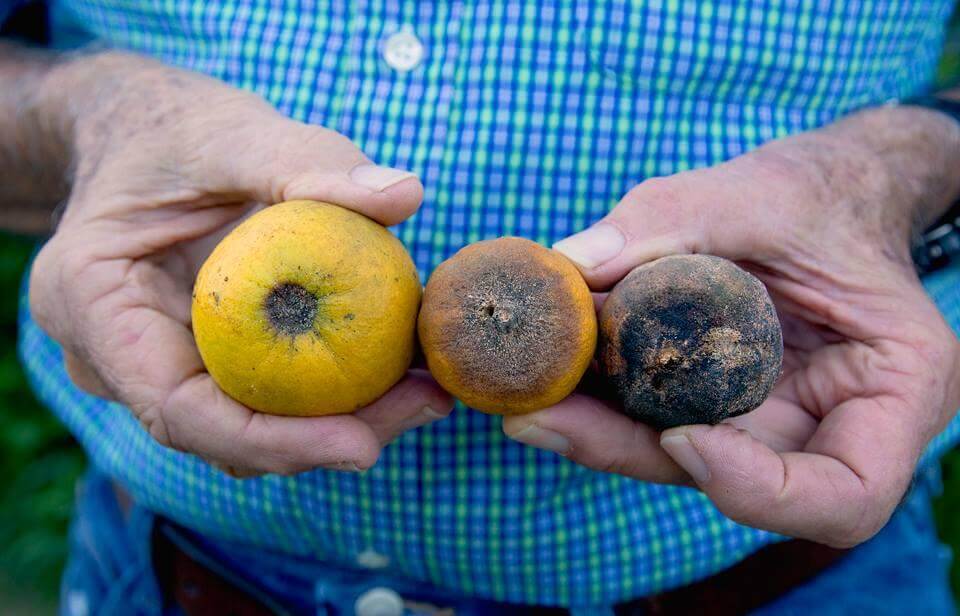
Researchers at the University of California, Riverside have made an important step in understanding the molecular mechanism of huanglongbing (HLB), a destructive disease that is a serious threat to the citrus industry worldwide.

…

In a paper published [April 30] in Nature Communications, a team led by [Wenbo Ma, a professor of plant pathology in UCR’s College of Natural & Agricultural Sciences] reported a significant breakthrough in understanding the disease mechanism of HLB. They discovered that the bacterium secretes a protein—called Sec-delivered effector 1 (SDE1)—that helps infect plants. SDE1 works by attacking specific proteases—called papain-like cysteine proteases (PLCPs)—that could otherwise help the citrus trees resist infection.

…

Ma said since scientists cannot grow CLas in the laboratory, the team used a surrogate system comprising the model plant Arabidopsis thaliana and the bacterial pathogen Pseudomonas syringae that was genetically engineered to produce SDE1. Using this system, they show that SDE1 promotes bacterial infection. This study is among the first to describe the molecular tactics employed by CLas to colonize citrus plants.

…

The team is now investigating the molecular details of how SDE1 suppresses citrus PLCPs with the aim to use the CRISPR gene editing system to modify the proteases to become resistant to the inhibitory effects of SDE1.

Read full, original post: Researchers Move Toward Understanding Deadly Citrus Disease

Viewpoint: It’s time to stop ‘connecting race to intelligence’

iq

The race-and-IQ debate is back. The latest round started a few weeks ago when Harvard geneticist David Reich wrote a New York Times op-ed in defense of race as a biological fact.

…

I’ve watched this debate for more than a decade. It’s the same wreck, over and over. A person with a taste for puncturing taboos learns about racial gaps in IQ scores and the idea that they might be genetic. He writes or speaks about it, credulously or unreflectively. Every part of his argument is attacked: the validity of IQ, the claim that it’s substantially heritable, and the idea that races can be biologically distinguished. The offender is denounced as racist when he thinks he’s just defending science against political correctness.

I know what it’s like to be this person because, 11 years ago, I was that person…

Here’s my advice: You can talk about the genetics of race. You can talk about the genetics of intelligence. But stop implying they’re the same thing. Connecting intelligence to race adds nothing useful. It overextends the science you’re defending, and it engulfs the whole debate in moral flames.

…What I’m asking for is clarity. The genetics of race and the genetics of intelligence are two different fields of research.

…

What’s the path forward? It starts with letting go of race talk.

Read the full, original post: Stop Talking About Race and IQ

Viewpoint: David Suzuki’s views on GMOs ‘well outside the scientific mainstream’

david suzuki

Mr. Suzuki is known by most as a twinkly-eyed old sage with a harmless message about living in tune with nature. But his messages are not benign. He doesn’t simply oppose fossil fuels, or the capitalist system. He’s a menace to scientific inquiry. And many of his views are well outside the scientific mainstream.

His relentless war against genetically modified foods is one example. For years, he’s been calling for outright bans on genetically modified organisms (GMOs) – despite the fact that a majority of scientists, as well as the world’s leading health organizations, have declared them perfectly safe. He and other anti-GMO scaremongers have been able to stall crucial experiments with genetically modified crops that are designed to improve yields and nutrition, and benefit poor people around the world.

[Editor’s note: Read the GLP’s profile on David Suzuki]

Mr. Suzuki also claims that up to 90 per cent of cancer is caused by environmental factors, such as the “massive use of pesticides, artificial fertilizers and literally tens of thousands of different molecules synthesized by scientists.” There’s no mainstream scientific support for that view either. For good measure, he also thinks that immigrants coming to Canada are bad for the environment.

Read full, original post: Is David Suzuki a science denier?

Genetics may explain why elite divers of Southeast Asia can hold their breath so long

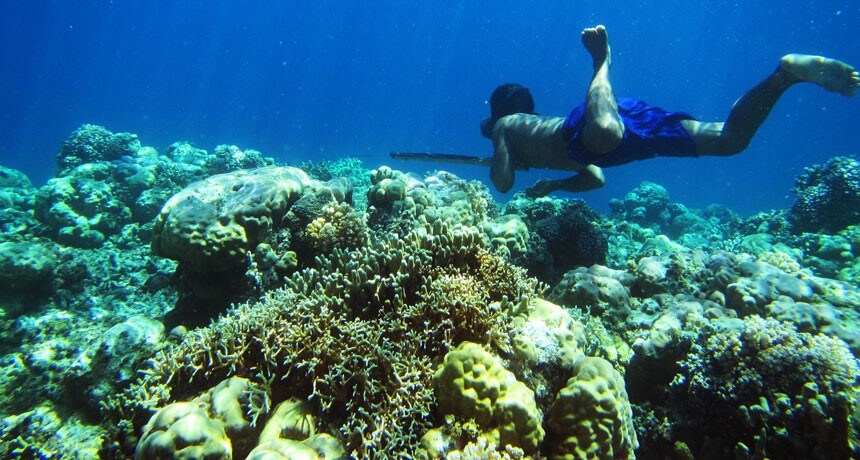
When a human is submerged in water, within seconds the body begins to reflexively adjust. The heart rate slows; blood vessels in the extremities tighten, diverting blood flow to vital organs. And, crucially, the spleen constricts, expelling a precious reserve of oxygenated red blood cells into the bloodstream. All of this extends the time we can go without gasping. Now a new study suggests some seafaring people may have evolved over thousands of years to push the limits of typical dive responses even further.

…

The new study dealt with people who are often locally called “Sea Nomads” and live among the islands and coastlines of Southeast Asia.

…

[D]ivers have been recorded holding their breath for over five minutes while hunting for fish or shellfish. In comparison, average people might be able to stay underwater for one to two minutes, and world-class free divers can hold their breath in competitive settings for up to three or close to four and a half minutes.

…

[R]esearchers scoured the Bajau genome for signs of natural selection and found 25 gene variants that seemed unique to this population. When [Melissa] Ilardo and colleagues cross-referenced what the involved genes do, they discovered a few of them seem to be related to breath-holding and oxygen deprivation.

…

The new study offers a stunning example of human genetic diversity and adaptation.

Read full, original post: “Sea Nomads” May Have Evolved to Be the World’s Elite Divers

What’s behind public’s fear of glyphosate?

glyphosate hr

As cases in federal court and several state courts delve into whether there is evidence that glyphosate causes cancer, a scientist with a consumer advocacy group says there is nothing to fear from the popular herbicide.

“There’s no such thing as an evil chemical. There are chemicals that are useful, not so useful, both. It’s all a matter of toxicity and dose. That’s what determines the harm of any chemical,” says Josh Bloom, the director of chemical and pharmaceutical sciences for the American Council on Science and Health. “You can’t even find anything safer in terms of a lethal, acute dose” than glyphosate, in terms of herbicides.

…

Bloom classifies fears of glyphosate alongside fears of things like fluoride, aspartame and vaccines.

…

In the case of glyphosate, Bloom says there are other forces behind the fears — forces that are not based on science. Part of the issue, he speculates, is that people don’t understand organic foods use herbicides and pesticides and that herbicides and pesticides are necessary parts of food production.

“The organic pesticides and herbicides, as a group, are really no better or worse than the ones that are used in ‘big agriculture,'” Bloom says. “The organic industry has succeeded in fooling people into thinking there are no chemicals in their organic lettuce.”

Read full, original post: Trial takes on glyphosate cancer claims

Developing countries slowly embrace GMO crops to fight food insecurity, climate change

south africa farm

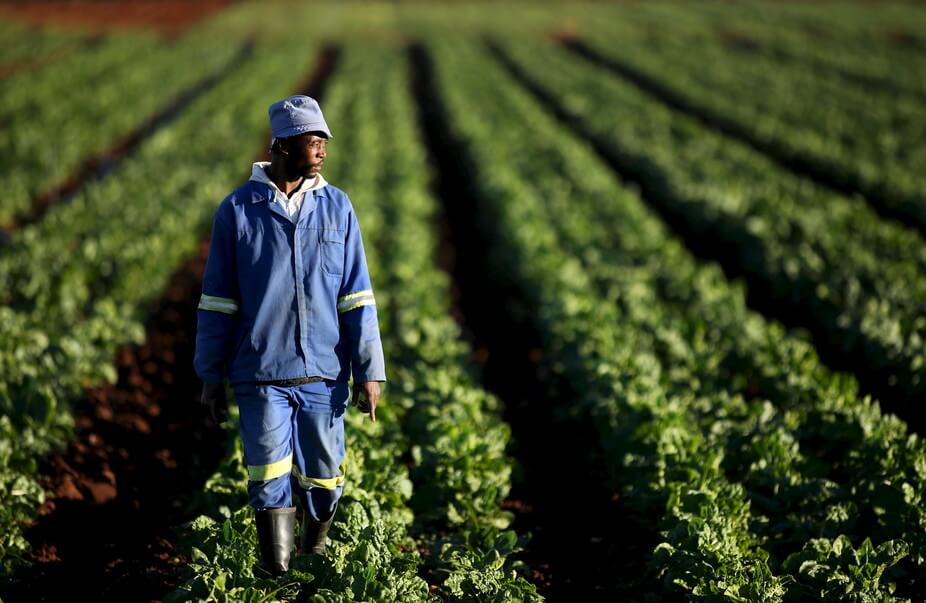
Developing countries are slowly increasing approved legislation and opening the door to research and commercialization of GMO crops. As these countries seek to expand their export markets, improve domestic living conditions, and address food insecurity in the wake of conflict and climate change, some are seeing a solution in genetically engineered crops.

This is likely to expand an already intense debate on biotechnology, as GMOs come to the fore of food and agriculture policy in the developing world.

…

GMOs have also gained support as a means of addressing growing food insecurity.

African nations in particular have become central to the debate as many parts of the continent are susceptible to drought or civil conflict that can lead to famine or near-famine conditions. But until recently only four African nations — Burkina Faso, Egypt, Sudan, and South Africa — permitted GMOs to be used in commercial agricultural production. South Africa is the only one to allow GMO food, while the remaining three permit GMO cotton.

Read full, original post: What are the political drivers for GMOs in developing countries?

Agricultural biotechnologies that improved safety, yields, food security in developing nations

farmer

This is the third in a three-part series making the case that the development of the biotech traits for insect resistance and herbicide tolerance are the most substantial innovations in sustainable agriculture in the last three decades. In the first part, I laid out the context in which I believe they should be assessed relative to other innovations competing for the crown. In the second part, I examined the data and evidence of their overall environmental impacts. Here, I’ll make my closing argument after looking at the impacts on China, India, Pakistan and South Africa.

Despite the myth that the adoption of Bt cotton in India has led to a spate of farmer suicides, the story of Bt cotton in India has been one of robust success. In 2015, 25 million acres of Bt cotton were planted in India, 95% of total cotton plantings.

Let’s build this from the ground up, starting with pesticide poisonings in the region.

pesticide spraying man

The reduction in exposure to dangerous pesticides is a much, much bigger deal in developing countries like China, Pakistan, and India. Pesticides and their use are poorly regulated. Unlike the US where pesticides are usually applied by tractor, often with a closed cab and with all the requisite protections, smallholder farmers apply pesticides on foot with backpack sprayers, usually with no protective gear. In the US, pesticide poisoning among applicators is very rare. In places like India, it’s far too common.

Screen Shot at AMBt cotton was adopted early in China. A 2002 study of the first five years found that in the first two years the rate of farmer-reported pesticide poisoning was reduced three to four fold among Bt adopters compared with non-adopters. More generally, they found that 4 million smallholders were able to increase yield per hectare, reduce pesticide costs and time spent spraying dangerous pesticides, while significantly raising incomes.

A 2013 study found a significant reduction of pesticide poisonings among cotton farmers in Pakistan following the adoption of the Bt trait. The researchers conducted a survey of 352 cotton farmers, of which 248 were Bt adopters and 104 were non-adopters. “Farmers were asked about acute health problems that they had faced in connection with pesticide sprays in cotton during the last growing season. In particular, they were asked about the frequency and type of pesticide-related poisonings, such as skin and eye irritation, breathing problems, stomach pain, nausea, faintness, vomiting, and other symptoms.” The results, illustrated in the accompanying chart, found that the percentage of Bt farmers experiencing zero or just one incidence of pesticide poisoning were significantly higher than non-Bt farmers, while the percentage of non-Bt farmers experiencing three, four, five, or even six incidents was significantly higher than for Bt farmers. Some non-Bt farmers had as many as seven incidents, but no Bt farmers did.

Screen Shot at AMA 2011 study of cotton farmers in India found Bt cotton “reduced pesticide applications by 50%, with the largest reductions of 70% occurring in the most toxic types of chemicals”. In terms of poisonings, they found “Bt cotton helps to avoid at least 2.4 million cases of pesticide poisoning in Indian farmers each year, saving US $14 million in annual health costs.” More generous estimates put the reduction in the incidence of pesticide poisoning as high as 9 million. Reductions were low in the early years of adoption but grew significantly after 2005. As you can see in the chart, the difference in the incidence of poisonings among Indian Bt and non-Bt cotton farmers is even more dramatic than in Pakistan.

What have been the other impacts?

In China, researchers looking at 15 years of data on cotton production saw a substantial decrease in pesticide use compared to non-Bt cotton. The decrease amounted to a saving of $105/hectare, or 50% of the pesticide use in 1996, the final year before the adoption of Bt cotton. Similarly, the adoption of Bt cotton led to a 17.25% reduction in labor compared to 1996.

One of the interesting things they found was that insecticide use continued to decrease steadily through the 15-year period. Rather than the uptick predicted by resistance developing in insect pests, pest populations were reduced to such a degree that they presented less of threat over time.

With Bt cotton adoption, Chinese farmers saved 4.12 billion yuan ($655 million) on pesticide use and 8.70 billion yuan ($1.4 billion) on labor use. Researchers calculated the total economic benefit that Bt cotton generated to be more than 33 billion yuan ($5.2 billion) over the 15 years.

In Pakistan, researchers found Bt cotton associated with 20% higher yields despite lower insecticide applications.

Using a farm survey and choice experiment of Pakistani cotton farmers, a 2013 study took a stab at putting a dollar value on the health and environmental improvement associated with Bt cotton. Researchers found that farmers valued those effects at $79 per acre, with half attributable to health and the other half to environmental improvements. Combined with the explicitly economic average gains of $204 an acre measured previously resulted in aggregate benefits of $283 per acre, or $1.8 billion for the total Bt cotton area in Pakistan.

A 2014 study quantifying the economic impact of greater energy efficiency and lower environmental pesticide impacts in Pakistan found Bt cotton 37% more environmentally friendly on those combined measures than non-Bt cotton. The researcher calculated the economic value of that improvement at $320 million.

cotton 4 25 18In India, researchers observed a 24% increase in yield per acre for smallholder Bt cotton farmers due to reduced pest damage and a 50% gain in cotton profit among smallholders between 2002 and 2008. They further observed the gain in profits translated into 18% higher consumption expenditures, a common measure of household living standard, during the period 2006–2008. In a 2013 study, researchers found that increased income cut food insecurity by 15–20%, while significantly improving calorie consumption and dietary quality.

In South Africa, the results of a 2004 study on farm income and inequality were particularly stark. “Bt growers had significant benefits compared to growers of non-Bt cotton in terms of gross margin over the three seasons. All other things being equal, Bt growers had a increase in gross margin of SA Rand 562/ha over growers of non-Bt. This is a significant sum. Assuming a typical daily wage of SAR 10/day in South Africa this equates to almost 2 months paid work. Of added interest is the finding that those with the smaller holdings appeared to benefit proportionately more from the technology (in terms of higher gross margins) than those with larger holdings.” The result of proportionately greater returns for smallholder farms brought down inequality significantly among Bt farmers and the benefits more evenly distributed among that group.

That paper also observed decreased bollworm insecticide use among Bt farmers.

In what might be the academic paper with my favorite name – ”Genetically Modified Maize: Less Drudgery for Her, More Maize for Him? Evidence from Smallholder Maize Farmers in South Africa” – in 2016 researchers looked at survey data collected in the Hlabisa district in KZN over a period of eight cropping seasons stretching from 2001 to 2010 to produce a set of gender-specific questions which were used in small group discussion in 2013 with women and men farmers in the Hlabisa and Simdlangentsha regions. They wanted to assess what those farmers valued in both herbicide-tolerant maize and stacked-trait maize with both herbicide tolerance and Bt insect resistance. What they found was an emphasis on the labor savings among women and yield gains among men. “Women farmers value the labor-saving benefit of HT maize alongside the stacked varieties which offer both insect control and labor saving. Higher yields are the main reason behind male adoption, while female farmers tend to favor other aspects like taste, quality, and the ease of farming herbicide-tolerant (HT) crops. Women farmers (and also children) saved significant time because less weeding is required, an activity that has traditionally been the responsibility of female farmers.”

Wrapping up

There is one major meta-analysis of the impacts of Roundup Ready and Bt crops that I didn’t include in tallying up the achievements of these traits. I bring it up now because, while I don’t think its a strong piece of research in measuring the impacts of the two main biotech traits, it is illuminating in looking at one of the more sophisticated objections to the way genetic engineering has been applied in agriculture thus far.

In the 2013 paper, “A Meta-Analysis of the Impacts of Genetically Modified Crops” Wilhelm Klümper and Matin Qaim looked at 147 studies of GE soybeans, maize, and cotton. The data from the papers was combined and collated to calculate global effects. The impacts they report were astounding:

On average, GE technology adoption has reduced chemical pesticide use by 37%, increased crop yields by 22%, and increased farmer profits by 68%. Yield gains and pesticide reductions are larger for insect-resistant crops than for herbicide-tolerant crops. Yield and profit gains are higher in developing countries than in developed countries.

If those numbers sound too good to be true, they should. In an astute critique of the paper, biotech critic Jack Heinemann, professor of molecular biology and genetics at the University of Canterbury in New Zealand, lays out numerous statistical and methodological problems with the paper, pointing out:

“At best, taking the meta-analysis at uncritical face value, it presents a correlation between GE crops and some measured benefits… it fails to differentiate between, on the one hand, differences in farmer income, ability to irrigate, and access to support—and importantly access to elite germplasm—and, on the other hand, the contribution of the GE trait. In other words, the meta-analysis confuses correlation with causation.”

I think that’s correct. I’ve seen these results touted uncritically far too often by people who should know better – including myself prior to reading Heinemann’s post. At best, what this meta-analysis shows is a correlation between GE adoption and major improvements in pesticide use, yields, and farm profits, but those improvements are bound up with a suite of technologies that biotech crops are often bundled with.

However, Heinemann’s point undermines the critique of biotech in agriculture that I alluded to. The more grounded, more sophisticated critics of biotech in agriculture will often say that while the benefits of the technology can be narrowly demonstrated on measures like yield or decreased insecticide use, their objection is that these traits and commodity crops are part of a system that is environmentally harmful and disadvantages farmers in favor of the major seed and input companies. But what we are seeing the Qaim meta-analysis and Heinemann’s reframing, is that the suite of technologies that biotech traits come bundled with, elite germplasm (improved seed), irrigation, synthetic fertilizer, synthetic pesticides, etc work together to reduce pesticide impacts while improving yields and farm income. That “system” delivers better results than what it is replacing.

Nor have we seen evidence of what some critics suggest, biotech lubricates the system and discourages more holistic, thoroughgoing solutions to problems. We have two very good natural experiments on that front. One of the first biotech crops to hit the market in mid-nineties was a Bt potato. The Colorado Potato Beetle is a major pest for potato growers and the Bt potato could have reduced insecticide use quite a bit in the production of America’s favorite vegetable. Anti-GMO environmental groups successfully petitioned McDonald’s to reject Bt potatoes. That collapsed the market for the seeds. In the intervening three decades, I’ve seen no evidence that production potato farmers went back to the drawing board to develop more holistic methods of insect control than they were using before. In terms of IPM, in 2016 the Southern Idaho Potato Cooperative contract included new language mandating a minimum of two years of alternate crops between potatoes. If that’s the revolution in sustainable potato production anti-GMO groups were aiming to pressure farmers into, mission accomplished. That’s a million acres in the US alone where we could have drastically reduced insecticide use, but we didn’t because of the objections of a particular strain of “environmentalists”.

wheat 4 25 18Likewise, the wheat growers trade group lobbied against the commercialization of Roundup Ready wheat around 2004 and Monsanto dropped their wheat program in 2005. Because wheat figures so prominently in products like bread and pasta, they decided it wasn’t worth the headache of potential boycotts or disruptions to export markets. To my knowledge, wheat farmers continued controlling weeds with the same combination of herbicides and tillage they’d been using before. In the US alone that’s 50 million acres where we’ve already foregone the benefits of reduced tillage and improved an improved profile for herbicide use. Instead, as we saw in the Kniss paper, herbicide use in wheat increased faster than in corn and soybeans.

To be sure whatever system biotech commodity crops (or sets of overlapping systems) are embedded in is deeply flawed in many ways. The Dicamba debacle certainly revealed weaknesses in that system here in the United States. Monsanto had a supply of Dicamba resistant soybeans ready to sell, but the EPA delayed the release of a formulation of Dicamba approved for use in soybeans. Many farmers, facing severe yield loss from glyphosate resistant pig weed, went ahead bought the new seed and used other formulations of Dicamba, which was fine for them, but bad for their neighbors who didn’t have the new Dicamba resistant soybeans and saw some serious crop damage, as soybeans are normally very vulnerable to Dicamba. Then the EPA released the new formulation and that caused more problems. The system is far from perfect. No argument there.

The global, industrial food system faces huge challenges in terms of greenhouse gas emissions, soil degradation and erosion, nutrient runoff leading to eutrophication and acidification of oceans and lakes (think of the huge deadzone in the Gulf of Mexico or the massive algae blooms in the Great Lakes), water shortages, and deforestation. The Roundup Ready and Bt traits have made marginal improvements on all of these fronts across hundreds of million acres. Are they revolutionary? Maybe, maybe not, you’ll have to judge that for yourself. Perhaps not compared to what we can imagine or what might come next.

What might come next?

There are a number of innovations on the horizon that could turn out to be truly revolutionary for making agriculture significantly more sustainable. Plant meats that can scale to mass, global consumer markets and replacing vast quantities of animal protein sources would be world changing. Another area with room for vast improvement is the genetics of livestock in the developing world especially for cattle, as they grow to market weight much more slowly than in the US, meaning much greater methane emissions per pound of meat produced.

Bringing nitrogen fixation to grains would be revolutionary, especially for poor small holder farmers without access to synthetic nitrogen. Likewise efforts to make photosynthesis more efficient are likely to bear fruit sooner or later, seriously boosting yields. We aren’t far away from using AI and robotics to apply herbicides effectively, but in vanishingly small amounts, and that breakthrough could be easily eclipsed by weed control via RNA interference.

But a lot of what needs to be done is lots of improvements on the margins using technology we already have – more riparian buffer zones and pollinator habitat, greater use of cover crops, more precision irrigation, greater investment in anaerobic digesters in livestock and poultry production. And when I look back over the last three decades, that’s mostly what we’ve seen. Aside from reductions in tillage due to improvements in the hardware necessary for no-till and various minimum-tillage techniques, the only cluster of innovations that I think are anywhere in the running for being close to Roundup Ready and Bt traits in terms of making agriculture more sustainable are precision and variable-rate application technologies for seeding and the application of fertilizers and pesticides. While great, those are clearly improvements on the margin. The most exciting, variable rate fertilizer application doesn’t reduce the amount of fertilizer significantly. It just assures that it’s applied more efficiently. That’s great, but it’s hardly revolutionary.

I’m open to nominations, but I’m hard pressed to think of two innovations from the last three decades that have done more to improve the state of agriculture around the world.

Marc Brazeau is the GLP’s senior contributing writer focusing on agricultural biotechnology.  He also is the editor of Food and Farm Discussion Lab. Follow him on Twitter @eatcookwrite.

 

Viewpoint: Kevin MacDonald won’t accept evidence supporting alternative theories about Jewish influence

jewish

Kevin MacDonald now says that his “central goal has been to describe intellectual and political movements that were influential. The participation of individual Jews, such as the Jewish speakers at American Renaissance…, does not make AmRen a Jewish movement, nor does it make it influential.” He says he is only “concerned about where the power lies.”

Editor’s note: Nathan Cofnas is writing about the essay Kevin MacDonald responds to criticism of his theory of Jewish ethnocentrism and influence. Cofnas’s original piece was Analyzing Kevin MacDonald’s ‘Culture of Critique’ and the alt-right’s embrace of anti-Jewish ideology.

Notice the implication: Even if Jews are vastly overrepresented in leadership positions in anti-liberal, anti-multicultural movements (which they are), it won’t matter for MacDonald because these movements haven’t been “influential” and the “power” doesn’t lie with them. This effectively means that he will refuse to accept evidence that supports the obvious alternative to his theory, namely the “default hypothesis”: Because of their above average intelligence and concentration in influential urban areas, Jews will be overrepresented in all intellectual movements and activities that are not overtly anti-Semitic.

The case of American Renaissance is a good example of how Jews are overrepresented among the whole range of (non anti-Semitic) political movements. AmRen is the only major white nationalist organization that is not anti-Semitic. Jewish involvement in AmRen has gone far beyond the “participation of individual Jews.” Jews were 40% of the invited speakers at its first conference, and many of the most prominent people who have been associated with AmRen have been Jews. There are currently eleven books and pamphlets for sale on AmRen’s website (including three by founder Jared Taylor). Two of these are by Jews: Why Race Matters by Michael Levin, former professor of philosophy at City University of New York, and “The Color of Crime”—probably the most influential AmRen publication—by Edwin S. Rubenstein. (Ironically, Jewish involvement in AmRen seems to have dropped off in recent years in large part due to the increasing influence of MacDonald’s work, which has turned many educated white nationalists anti-Semitic.)

MacDonald says that he “can’t think of any prominent populist Jewish intellectuals.” It’s not clear what he means by “populist” or “intellectual.” Bernie Sanders and Donald Trump were both described as “populists,” but I assume MacDonald is referring to a white nationalist populism. If that’s what he means, it’s not clear that there are any prominent populist intellectuals in America today, Jew or gentile.

MacDonald says that “there is a sprinkling of Jews among paleoconservatives.” This is misleading. The term “paleoconservative” was coined by a Jew, Paul Gottfried (whom alt-right leader Richard Spencer described as a “mentor”). As I wrote in my first rejoinder to MacDonald, according to the “Prominent people” section of the Wikipedia entry for “Paleoconservatism,” 1/6 prominent paleoconservative politicians, 1/9 philosophers and scholars, and 1/5 journalists is Jewish. This makes Jews vastly overrepresented among prominent paleoconservatives despite the fact that many self-identified paleoconservatives are (at least implicitly) hostile to Jews. Once again, we find the pattern predicted by the default hypothesis and not predicted by MacDonald.

One final point. MacDonald keeps repeating that the Jews he discusses are “strongly identified Jews.” I have pointed out in both my paper and my rejoinder that, in almost all cases, he has no evidence for this other than the fact that these people were Jewish and (in some cases) spoke out against anti-Semitism, which does not actually prove that someone is a “strongly identified” Jew. For MacDonald, however, it seems that the only reasons to oppose anti-Semitism are that one is a strongly identified Jew, under the control of Jews, or alienated from society because of physical unattractiveness. (He recently offered the following explanation for why Jean-Paul Sartre fought against anti-Semitism: “Sartre was ugly by all accounts and 5-feet tall. No surprise growing up he felt rejected & had low social status. He turns this resentment into philosemitism (Jews are also rejected outsiders), hatred of traditional institutions, & into [the] theory [that] anti-Semitism is psychopathology.”)

In his reply, MacDonald claims that the figures he mentions, who espoused universalism and rejected Jewish nationalism, “often had complex and even self-deceptive Jewish identities.” This is a roundabout way of admitting that these figures never gave any indication that they cared about being Jews. Nevertheless, MacDonald concludes that their apparent apathy was “self-deceptive” because unconsciously they were strongly committed Jews. The practice of reinterpreting obvious counterexamples to a theory as supporting evidence is the essence of pseudoscience.

Nathan Cofnas is a graduate student in the philosophy of biology at the University of Oxford. Follow him on Twitter @nathancofnas

Kevin MacDonald responds to criticism of his theory of Jewish ethnocentrism and influence

jewish
Nathan Cofnas’s GLP article summarizes some of his points from his previous two comments on my work, and, although he links to my first reply, he ignores the second. This is problematic because I have made every effort to answer each one of Cofnas’s complaints about my work. Unfortunately, given the length of these replies (~20,000 words each), very few people will put in the time and effort necessary to really grasp the points of conflict. The “default hypothesis,” if I may steal a phrase from Cofnas, is that people will simply continue with their previous attitudes about Jewish involvement in intellectual movements and Jewish influence in the political process.

Editor’s note: This essay is in response to an article written by Nathan Cofnas — Analyzing Kevin MacDonald’s ‘Culture of Critique’ and the alt-right’s embrace of anti-Jewish ideology.  Cofnas replies with: Viewpoint: Kevin MacDonald won’t accept evidence supporting alternative theories about Jewish influence

1.)  The “default hypothesis” of Jewish involvement in intellectual movements predicts that Jews should be approximately equally distributed among various intellectual movements apart from ones that are overtly anti-Jewish. Jews are indeed overrepresented among intellectuals generally. However, they are far from equally distributed across various movements. Moreover, my descriptions of Jewish intellectual movements go beyond head counting by showing how the Jews at the center of the movements I discuss identified as Jews and thought of themselves as advancing perceived Jewish interests. And I describe the dynamics of these movements, such as ethnic networking, the “guru phenomenon” where these movements were centered around highly charismatic leaders idolized by their followers, and the authoritarian atmosphere of the movements.

As a result, not all intellectual movements are properly termed Jewish intellectual movements even if there are individual Jews who are prominently involved. In my second reply, I bring up paleoconservatism and populism as examples. I can’t think of any prominent populist Jewish intellectuals, and in general the Jewish movements I describe have been hostile to populism, as discussed in CofC and elsewhere. Moreover, although there is a sprinkling of Jews among paleoconservatives, the movement as a whole does not revolve around a core of strongly identified Jews pursuing perceived Jewish interests, nor is it characterized by the other aspects of these movements mentioned above, such as ethnic networking.

macdonald 4 27 18 1The same goes for other figures put forward by Cofnas, such as Richard Herrnstein whom I mention in The Culture of Critique in a list of Jews doing good science and not involved in a Jewish intellectual movement. There is little evidence to suppose that Herrnstein was motivated by his Jewish identity and a perspective on Jewish interests. Herrnstein’s co-author on The Bell Curve was Charles Murray (not Jewish) who has been left with the task of defending The Bell Curve because of Herrnstein’s death. And alas, the Bell Curve has had very little influence in the long run—certainly no influence on public policy in education. As discussed below, the central goal has been to describe intellectual and political movements that were influential. The participation of individual Jews, such as the Jewish speakers at American Renaissance mentioned by Cofnas, does not make AmRen a Jewish movement, nor does it make it influential.

I do not deny that Jews may develop movements that oppose each other. However, apart from some individuals and organizations critical of Israel (discussed below), the only example that I can come up with is the opposition between Stalinist Jews (Ch. 3) and Trotskyist Jews in the U.S. which eventually led the latter to neoconservatism (recounted here). These movements were characterized by different perceptions of Jewish interests by the main figures, although, because of the universalist nature of leftist ideology, the Jewish left discussed in Chapter 3 often had complex and even self-deceptive Jewish identities.

Finally, the default hypothesis depends on Jewish IQ being higher than the European mean. However, a theme of CoC is that Jewish intellectuals took an adversarial, critical stance toward the people and culture of the West based on their Jewish identity and perceptions of Jewish victimization in Western history. IQ alone cannot explain this. For example, Overseas Chinese, another high-IQ group, have not taken an adversarial stance toward the people and cultures of the cultures they reside in despite often having dominating positions in the economy.

2.)  Cofnas makes a series of claims about my scholarship which I have rebutted at length in my two replies. Here he claims that I do not provide evidence that non-Jews were recruited to be the public face of movements dominated by Jews. In my original reply I provided multiple examples in different historical eras (from Ch. 6 of Separation and Its Discontents) where Jews have used non-Jews to promote their interests and be the public face of groups created and funded by Jews to advance perceived Jewish interests in a wide variety of areas, including immigration and foreign policy. Relevant to CofC, I also cited scholarly material related to Freud, Boas, the Jewish left (i.e., Ch. 3) and the New York Intellectuals (promoting Dewey) and immigration policy (Ch. 7). So I provided lots of evidence. Cofnas never refutes this, preferring instead to make an irrelevant claim about Jung’s pseudoscience in his comments on my first reply.

Mis- and disinformation are distorting science and public policy. Subscribe to our Daily and Weekly Digests for incisive coverage of ‘disruptive’ innovations in AI, agricultural biotechnology, food, chemicals, nuclear energy, vaccines, and other disruptive innovations.

3.)  Cofnas claims that “Almost all the Jews MacDonald says advocated multiculturalism in order to subvert gentiles advocated multiculturalism for Jews and Israel, too—there was no evidence that they were anything more than consistent leftists.” In CofC I show that not only were the Jewish intellectual movements I discuss (particularly Boasian anthropology and the Frankfurt School) promoting multiculturalism, the organized Jewish community across the entire spectrum of Jewish organizations from the far left to the neoconservative right (with no exceptions to this day) was avidly involved in promoting multiracial immigration to the U.S. (CofC recounts Jewish activism beginning in the late nineteenth century up to passage of the 1965 immigration law.)  None of these groups advocated multiculturalism and non-Jewish migration to Israel or campaigned against the idea that Israel is a Jewish state, whereas they opposed the idea that the US ought to remain dominated by people of Western European descent. Against this very broad-based and powerful array, Cofnas comes up with two interesting names: Alan Dershowitz and George Soros, each of whom may have different, rationally based perceptions of Jewish interests regarding immigration. In neither case is there any evidence that their activism on immigration can properly be labeled as advocating a multicultural, multi-religious Israel open to immigration of all the peoples of the world, and neither of them have been influential in altering Israeli immigration policy.

macdonald 4 27 18 2
Alan Dershowitz

As I discuss in both replies, Dershowitz, who is a strong advocate for Israel, favors the immigration of Ethiopian Jews to Israel where they would constitute around 2 percent of the Israeli Jewish population. This would not alter the idea of Israel as a Jewish state, and allowing this immigration would have public relations benefits in the West where Israel is increasingly seen as an oppressive, apartheid state. This seems like an eminently rational strategy.

Soros is a complex, fairly inscrutable figure when it comes to Jewish identity and interests. He opposes deporting Africans back to Africa where they might be endangered, a position that is compatible with the ADL’s agreement with a UN plan that would stop deportation and resettle about half of these migrants in the West. (The UN plan was eventually scrapped because of opposition from the Israeli right which wants all the migrants removed immediately; because of a border wall, Africans are now unable to come to Israel as illegal immigrants. American Jewish groups have adamantly opposed a border wall in the U.S. but have not criticized Israel’s anti-migrant wall with Egypt [here].)

Soros clearly identifies as a Jew. A biographer notes, “If he [Soros] derived any lesson from the Holocaust, it was that minorities—as the Jews were in Europe—had to be protected in the future and the best way to assure that was by building pluralistic societies where minorities were given their rights” (p. 216)—a view that is entirely mainstream among Diaspora Jews and a theme of the treatment of this issue in CofC. On the other hand, the picture that emerges is of someone with a very weak Jewish identification or even a negative Jewish identification in his early years to an increasing interest in Judaism and Jewish culture in his later years, while still remaining a lukewarm Zionist at best and with a strong desire to see an end to the conflict between Israelis and Palestinians. Of course, promoting peace between Israelis and Palestinians is not the same as wanting Israel to cease being a Jewish state, nor is it the same as promoting the idea that people of all races and religions should be allowed to immigrate Israel. And again, whatever Soros’s views, they haven’t made an impact on Israeli policy, either on immigration or on the conflict with the Palestinians.

soros 4 27 18
George Soros. Image credit: Eric Piermont/AFP/Getty Images

Even strongly identified Jews may have different perceptions of Jewish interests. I suspect that many Jewish critics of Israel are similarly motivated to want an end to the 50-plus-year occupation, the ethnic cleansing, and the apartheid but would still want Israel to be a Jewish state and limit immigration to Jews.

4.)  Cofnas claims that I ignore gentile-led radical leftist movements, and in doing so never responds to the point in my first reply that these Jewish movements effectively caused the demise of Darwinism in the social sciences. This is the critical issue. If Darwinism had continued its domination, the post-1965 pro-immigration, pro-multicultural dispensation never would have happened.

5.)  I don’t deny that there may be Jews prominent on opposite sides of particular issues, but, as Cofnas notes, I am concerned about where the power lies and how it works. This is not a revision of my views; it was always the procedure of CofC. Thus, in Chapter 2 I mentioned Jews who were not on board with the Jewish intellectual movements I discuss and noted that these Jews did good science—Jews such as Richard Herrnstein. So, I was well aware that not all Jewish intellectuals were involved in these movements. These were scientists acting as individuals who may or may not have been attempting to advance Jewish interests (more likely the latter). They were not participating in Jewishly motivated groups, and in the end, their views did not alter the influence of the movements I discuss in changing the nature of social science. I was interested in the dynamics of movements that were clearly Jewish and were decisive for later changes in public policy. There is no evidence that Herrnstein or the other Jews mentioned are engaged in ethnic networking with regard to their intellectual work, nor do we know anything definitive about their Jewish identities or how they perceive Jewish interests.

The same goes for other Jewish intellectuals mentioned by Cofnas as problematic for my theory: their sense of Jewish identity and sense of pursuing Jewish interests are typically not known (but would be good to explore) and there is no evidence that they participated in a Jewish intellectual movement as I defined it, or that their influence eclipsed the decisive influence of the movements I discuss.

Finally, the idea that “luck” can explain the success of particular Jewish movements over others is just plain ridiculous. None of these movements have achieved influence by luck. They have been very well-organized and well-funded, and they have had access to prestigious media and academic institutions, and they benefited enormously from Jewish ethnic networking. They have drawn support from the wider Jewish community. The same cannot be said about the movements I describe as generally opposed by the Jewish movements I discuss. Or, in any case, their previous influence, funding, and access to elite institutions was eclipsed by the movements discussed in CofC. These Jewish-dominated movements simply had more firepower.

6.)  Cofnas writes:

[MacDonald] has very little evidence to support this claim [that anti-Israel Jews may be acting on their perceptions of Jewish interests] besides his unsupported assumption that everything Jews do must be motivated by their drive to promote Jewish interests.

It’s not up to me to explore the motives of Jews critical of Israel given that my purpose was to explore the movements that were/are influential. As of this writing, the Israel Lobby still dominates public policy in the U.S., and my work on neoconservatism as a Jewish movement shows that it is a critical linchpin of the Israel Lobby.

I also mentioned in several places in my replies that some Jews may have only a weak Jewish identity and sense of pursuing Jewish interests—quite possibly including the list of Jewish scientists mentioned in Ch. 2 and discussed above. Or they may rationally perceive Jewish interests differently (e.g., the Israel Lobby versus Jews who believe that Israeli actions are reckless and suicidal in the long run or simply immoral). These groups and individuals are like different factions of the Knesset with different perceptions of Jewish interests. As I proposed in my second reply, a survey of anti-Israel Jews would be a good idea in order to probe their motives. But the main point as always is that we do know where the power lies, and we know that the Israel Lobby is composed of strongly identified Jews with a sense of Jewish interests. I’ll leave it at that for now.

macdonald 4 27 18 4Regarding Cofnas’s claim that in CofC I regarded Israel as “of central importance to Jewish ethnic interests” but changed my mind later: I was merely referencing J.J. Goldberg’s point that support for Israel (along with liberal immigration and refugee policy and church-state relations) were consensus attitudes among American Jews. This consensus leaves room for disagreement by some Jews, and it leaves open the possibility that the situation has changed over the last 20-plus years since Goldberg’s book, as indeed it has regarding Israel (but not the other points of Jewish consensus). Although the power still lies with the Israel Lobby and its neoconservative and liberal interventionist supporters, criticism of Israel has grown within the Jewish community (e.g., Philip Weiss and Mondoweiss) and on the left generally. This is not a problem for anything I have written about Jewish intellectual and political movements and their influence. Times change, and Jewish perceptions of their interests change. But again, it’s quite clear where the power lies currently.

7.)  Re intermarriage among secular Jews: as I noted in my second reply, “Intermarriage is of course more likely among secular, non-religious Jews … . [T]his does nothing to argue against the evidence that the Jewish figures I discussed in CofC did indeed identify as Jews and pursued what they perceived to be Jewish interests. So far as I know, none of the figures I discussed intermarried,” including the half-Jewish Theodor Adorno. And, with one exception, Cofnas doesn’t dispute the points I made about intermarriage in my first reply:

A major goal of Zionism during the early decades of the twentieth century was to prevent intermarriage and assimilation (here, p. 157), and in large measure that has succeeded in Israel. Secondly, to my knowledge, the leadership of the American Jewish community remains ethnically Jewish. Third, intermarriage and conversion have benefits for the Jewish community (e.g., here), including the advantages of marrying into prominent non-Jewish families, such as the families of presidents Trump and Clinton—a centuries-old phenomenon. Some authors have suggested that relatively high rates of intermarriage, low fertility, and the various levels of Jewish identification in modern Western societies are highly functional for Judaism because they serve as a bridge to the surrounding culture because of family ties with non-Jews. Finally, there remains a highly fertile core of Conservative and Orthodox Jews who reject intermarriage.

Cofnas claims that my point about the benefits of intermarriage to the Jewish community shows that I spin the data as supporting evidence when in fact it contradicts my theory. However, the benefits of intermarriage, whether one agrees that the exist or not (I am simply calling attention to the literature), are not relevant to anything in CofC. (Benefits of intermarriage are also discussed in Ch. 9 of Separation and Its Discontents relying on the views of several commentators.) This is not to deny that on average intermarried Jews likely have less of a Jewish identification, but so what? Cofnas needs to show that the movements I discuss were not dependent on strongly identified Jews with a sense of perceived Jewish interests (most commonly: ending anti-Semitism) and that they were not influential.

I conclude that Cofnas has not provided any reason to reject the thesis of CofC—that beginning in the 1920s, Jewish intellectual and political movements have been a necessary condition for the reshaping of American culture away from a strong sense of being a European Christian society in the direction of globalism, multiculturalism, and mass immigration of non-Europeans and non-Christians.

Kevin MacDonald is professor emeritus of psychology at California State University–Long Beach. He edits The Occidental Observer and The Occidental Quarterly and is working on a book on the peoples and culture of the West. Contact him by email. Follow him on Twitter @tooedit


Talking Biotech: Can biofortified GMO soybeans help tackle vitamin A deficiency?

ThinkstockPhotos field img hero

Monica Schmidt from the University of Arizona has an interest in using technology to make foods that are better for people. Elimination of fungal toxins and enhanced production of key nutrients are two major areas of interest, and she has created lines that clearly are better for human health. She also has an interest in using plants as factories for key proteins and enzymes. Her laboratory’s extensive work is discussed on this week’s podcast. Co-hosted with Cat Cropsey (@CatCropsey).

Monica Schmidt’s website

Visit the Talking Biotech website

Follow Talking Biotech on Twitter @TalkingBiotech

Follow Kevin Folta on Twitter @kevinfolta | Facebook: Facebook.com/kmfolta/ | Lab website: Arabidopsisthaliana.com | All funding: Kevinfolta.com/transparency

Follow Paul Vincelli on Twitter @Pvincell | University of Kentucky webpage 

Boosting production of key malaria drug with genetically engineered plant

graines artemisia annua armoise annuelle cancer biologiquement hervy david vy

Scientists have modified a plant’s genetic sequence to make it produce high levels of a key malaria drug, potentially helping meet the large global demand. The team identified genes involved in making artemisinin, altering their activity to produce three times more of the drug than “normal” plants make.

…

The work appears in the journal Molecular Plant.

…

The team produced a high quality draft of the Artemisia annua plant’s genome and used this information, along with data on how genes are expressed, to engineer plants that produced high levels of artemisinin.

…

Previous efforts to increase the yield of artemisinin had been hampered by the absence of a reference genome and the limited information about the genes involved in regulating the drug’s synthesis. But by simultaneously increasing the activity of three genes – HMGR, FPS, and DBR2 – the researchers generated A. annua lines that produced high artemisinin levels – about 3.2% of the dry weight of the leaves. The compound typically makes up only 0.1%-1.0% of the dry weight of non-engineered A. annua leaves.

…

[Researcher Kexuan] Tang and his team have sent artemisinin-rich seed samples to Madagascar, the African country that grows the most A. annua, for a field trial. The researchers are also continuing to explore ways to enhance artemisinin production, with the goal of developing versions whose leaves contain 5% artemisinin.

Read full, original post: GM plant tech boosts malaria drug yield