Rose Gidado, the Country Coordinator, Open Forum on Agricultural Biotechnology (OFAB), says Nigeria has concluded plans to use biotechnology as a tool to improve agricultural produce and spur economic development.
…
According to her, the measure will go a long way to enable Nigeria to employ biotechnology to attain Sustainable Development Goals (SDGs) and feed its growing population.
“With this modern technology, we can create employment in line with the goals of the Federal Government.
“Also, with biotechnology, we can grow our economy beyond mere sustenance to the point of becoming a global major player in food exportation.’’
Gidado said before the end of 2018, “Bt Cowpea and Bt Cotton’’ as biotechnology products in Nigeria would be on the market.
She said the products had passed through all the experimental trial stages successfully, ready to enter the market when both international and national regulatory agencies gave their approval.
…
Gidado said the modern technology has the potential to reduce pest problems with economic and environmental benefits when correctly used.
…
“As a giant of Africa, once Nigeria gets it right, it will change the face of Africa in the area of GMOs,“ she said.
Read full, original post: Nigeria to use biotechnology to improve crops
This spring, the National Institutes of Health will start recruiting participants for one of the most ambitious medical projects ever envisioned. The goal is to find one million people in the United States, from all walks of life and all racial and ethnic groups, who are willing to have their genomes sequenced, and to provide their medical records and regular blood samples.
…
If all goes well, experts say, the result will be a trove of health information like nothing the world has seen. The project, called the All of Us Research Program, should provide new insights into who gets sick and why, and how to prevent and treat chronic diseases.
…
While supporters say the results will be well worth the money and effort, others have begun to question whether All of Us is just too ambitious, too loaded with cumbersome bureaucracy — and too duplicative of smaller programs that are moving much more quickly.
…
Given the substantial obstacles, will the N.I.H. project, which has not even really begun, be worth the immense expense and effort? Dr. [Rory] Collins, an adviser to All of Us, thinks it will. Huge amounts of data will be needed to really understand interactions between genetics, environment and lifestyle.
[S]tudies have shown that not all the compounds are equally toxic to [honeybees], suggesting that there might be variation in how the insects metabolize [neonicotinoids].
…
[A] team of academic and industry scientists in Europe have traced this differing sensitivity to an enzyme in the cytochrome P450 superfamily of proteins that can metabolize at least one neonicotinoid into a less toxic derivative. The findings, published [March 22] in Current Biology, raise the possibility of identifying bee-friendly pesticides based on their vulnerability to detoxification via this mechanism.
“They’ve provided an incredibly useful service in illuminating how honeybees process toxins,” says May Berenbaum, an entomologist at the University of Illinois at Urbana-Champaign who was not involved in the work. Given bees’ routine exposures to pesticides as they forage for food and pollinate crops, “it’s incredibly important to know this.”
…
Berenbaum emphasizes that the larger debate on neonicotinoid usage in agriculture needs to be understood in the context of additional bee stressors, from other pesticide classes to large-scale ecological disruptions such as habitat loss. “It’s an enormously complicated situation out there,” she says. “Focusing just on neonics, and thinking that banning neonics is going to fix things, I think really underestimates the magnitude of the problems that bees are dealing with.”
In a fashionable fitted blazer, Rachel Haurwitz looks the part of a polished executive when she meets me in the largest conference room of her company, Caribou Biosciences. She’s sharp and tactical as she speaks, even though it was just a few years ago that Haurwitz traded her lab coat for a tailored suit and stepped up to lead a staff of 46 as Caribou’s CEO.
…
[T]ucked away in back is a bright white laboratory where Haurwitz, 32, and her team are using CRISPR, a first-of-its-kind gene editor, to revolutionize food and medicine.
…
Haurwitz has sharpened Caribou’s focus on medicine. They’re currently developing in-house products aimed at cancer treatment that will target microbes instead of cancer cells. “It’s using CRISPR to modify some of the bugs that live in and on us as a way to solve specific health issues,” Haurwitz explains, unable to reveal more at this early stage of development.
…
Despite the legal and logistical complexities of working with genetic technology, Haurwitz intends to put CRISPR-edited produce on grocery store shelves and offer CRISPR treatment options for cancer patients within the next five years. [Former board chairman Rodolphe] Barrangou thinks that’s possible given Haurwitz’s track record, but he cautions, “Five years in the age of CRISPR is an eternity. Five years ago, nobody knew we would be here right now.”
Added costs for non-GM ingredients and changes in demand for non-GM foods determine non-GM price premiums… US Consumers have been paying price premiums of 10-62% for the non-GM products analyzed. The cost of mandatory labeling of GM foods depends on manufacturer decisions. If food manufacturers reformulate with non-GM ingredients, costs to consumers could be substantial…
Price premiums tend to be higher for non-GM and organic foods for which primary agricultural commodities and their derivatives have a high value share. These are often low value-added foods that are purchased by consumers with lower incomes who prepare and eat most of the meals at home… Greater attention on the distributional implications of mandatory labeling and the ensuing responses of manufacturers might be warranted…
Perhaps the most important conclusion to be drawn from our results is that non-GM foods are more costly than GM foods, and policies that encourage food companies to shift toward non-GM ingredients are likely to increase food costs…
The [New Zealand] Environmental Protection Authority is shrugging off criticism of its processes by a group of mainly Wellington scientists.
Writing in the latest edition of the New Zealand Medical Journal, the scientists argued the authority used unsound methodology in its comments on the herbicide Glyphosate, which is used in many weedkillers including Roundup.
…
In a statement, the Environmental Protection Authority said the article contained very little new information, and relied significantly on media references and opinion.
It acknowledged public concern around glyphosate, but said as a scientific organisation its decisions must be based on evidence and data.
“EPA’s decision-making processes are more extensive and complex than implied in the commentary. The Hazardous Substances and New Organisms Act requires us to follow a set process when considering chemicals for reassessment, which is costly.
“The process ensures we spend taxpayers’ money wisely, and that we address those chemicals which present the biggest threat to human health and our environment, in priority order,” the statement said.
The authority added glyphosate was on a watchlist, but other chemicals remained more dangerous.
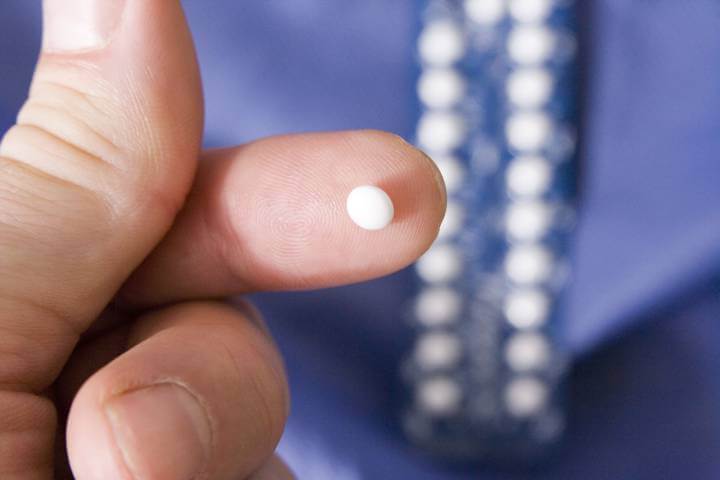
One of the latest experimental candidates for a male birth control drug is a compound that would be taken much like the daily birth control pill available for women. A pilot study presented [March 18] at the Endocrine Society’s annual meeting suggests that the compound—called dimethandrolone undecanoate (DMAU)—can be safe and effective in human test subjects.
…
[T]he volunteers who took DMAU experienced a drop in their levels of testosterone and two other hormones involved in producing sperm, which was starkest in those who took the highest dose. The study didn’t directly test their sperm, since it takes around three months for lowered hormone levels to significantly reduce someone’s sperm count. But the researchers say the hormone levels seen in the high-dose group have been shown to predict infertility in earlier studies of male contraception treatments. Conversely, the levels among all DMAU volunteers returned back to normal within a month’s time after the therapy was stopped.
“[It’s] a big step forward in the development of the male pill,” said senior author Stephanie Page.
…
The few side effects Page’s team observed were weight gain and lowered levels of HDL cholesterol (the “good” kind). But they feel a tweaked dose could alleviate these symptoms. Importantly, the pill didn’t seem to cause any other lasting symptoms of low testosterone.
Salk Institute scientists reported [March 15] that they’ve invented a new version of the technology that works on RNA, combining CRISPR/Cas9’s precision with the ability to turn its effects on and off at will. And because it leaves DNA untouched, it’s safer.
A form of dementia may eventually be treatable with the technology, called CasRx. But much more work needs to be done before it can be tried in patients.
Working in cultures of brain cells, the scientists corrected a protein imbalance that causes frontotemporal dementia with parkinsonism. They are preparing to test CasRx in live animals, said Patrick Hsu, a Salk researcher and study leader.
If that work goes well, the method could be tried in patients. Moreover, CasRx could become a general platform technology for treating genetic diseases, the study said.
…
Because the new CRISPR method leaves the DNA intact, its effects aren’t permanent, Hsu said. RNA is continually generated. So withdrawing the treatment allows the RNA function to return to its previous state.
…
Perhaps even more important is the novel method the scientists used to discover this new family of CRISPR, [scientist Floyd] Romesberg said. Their approach could unlock a trove of new genetic engineering tools.
Frustrated by what they see as a continued watering down of the standards that define what foods may be labeled “organic,” Patagonia Provisions—the food business offshoot of the outdoor apparel company, organic body care and food products company Dr. Bronner’s, and the research-based Rodale Institute will begin offering a new organic certification program.
Companies seeking the new certification, called Regenerative Organic Certification (ROC), will first have to secure the federal organic seal through the National Organic Program, the United States Department of Agriculture (USDA) agency that controls organic regulation. Then they’ll have to meet additional requirements to protect workers and guarantee a higher standard of animal welfare, among other things.
At the same time, several founders of the organic movement in the United States have started the Real Organic Project, which will offer a seal of approval to organic farmers who meet higher standards that it is setting for organic farming.
…
That the rift has now become public has raised concerns among organic champions, who fear that it will reduce the value of “organic” as a marketing and advocacy tool and confuse eaters who invest in products bearing the seal.
The spindle apparatus is among the most elegant structures in a cell, quickly self-assembling from microtubules and grabbing and aligning chromosomes so that equal sets separate into the two daughter cells that result from a division. But can spindles in cells held at the brink of division in the suspended animation of the deep freeze at a fertility clinic survive being ripped from their slumber off-protocol, as happened the weekend of March 4 at the Pacific Fertility Clinic in San Francisco and University Hospitals Fertility Center in Cleveland?
Liquid nitrogen, here used to make ice cream, not preserve eggs and embryos.
It was a stunning coincidence impacting the eggs or embryos of 500 couples on the west coast and 700 using the Ohio clinic. Liquid nitrogen ran low in a cryogenic device in San Francisco, and temperature fluctuations reportedly plagued the Cleveland facility.
The tragic events sent me back to developmental biology courses in grad school, and I read a bunch of technical papers and polled a few nerd friends. The experiments from the 1950s onward were controlled, and so my thoughts on the damage done in early March are hypothetical. I can’t help but wonder what, exactly, happened to those eggs and embryos?
The media and the damage done
A news conference from one legal firm filing a class action lawsuit against the clinics was long on emotion and short on details. Here’s a lawsuit from a different firm that provides a timeline of what the donors went through.
Media coverage lacked biological details too. WaPo mentions “damage to tissue” with a video proclaiming “the only way to tell the viability of the egg is to thaw and implant it.” Really? Law firm websites parroted WaPo, not scientists (many experts in reproductive biology are PhDs, not MDs).
The New York Post and other outlets shared the sad story of Amber and Elliott Ash, who froze two embryos in 2003 after his cancer diagnosis. “The medical community calls it tissue. I like to think of it as my children,” Amber said.
Carl Herbert, MD, head of the San Francisco clinic, was curiously optimistic on NPR. “The good news is, we have viable embryos — we’ve proven that from that tank.” Viable enough to transfer?
Of oocytes and embryos
Days after fertilization, these tenacious sperm are still trying to gain entry.
Technically speaking, there’s no such thing as an egg or ovum. Feminism aside, our gametes are oocytes until a sperm enters one and it magically then becomes a fertilized ovum. That’s why scientific reports and reproductive health guidelines use “oocyte.” Lawyers stick to the familiar. “Has a freezer failure compromised your frozen eggs or embryos?”
An oocyte packs in maximal nutrients through two divisions of meiosis. Before birth, a female has about a million oocytes stalled in the first meiotic division. Then, starting at puberty, a few oocytes awaken each month and continue meiosis, halting just before completion until a sperm comes along. If no sperm enters, the oocyte never finishes meiosis and leaves in the menstrual flow. If the oocyte is fertilized, its spindle apparatus ensures that the resulting fertilized egg has the right number of chromosomes from the female; similar division happened as the sperm formed.
When a cell isn’t dividing, spindles break down. But as one cell splits to become 2, and then 2 become 4, and 4 become 8 as the cleavage divisions of the early embryo ensue, spindles form and vanish and reform to properly distribute the chromosomes. This time, in non-sex (somatic) cells, it’s mitosis, not meiosis.
Because spindles are sensitive to temperature, the unexpected fertility clinic meltdowns are worrisome.
A brief history of cryopreservation
Efforts to freeze – or cryopreserve – eggs, sperm, and embryos have been ongoing for decades. The main challenge is to avoid formation of ice crystals, which can slice up cellular interiors.
Sperm freeze easiest because they have little fluid – they’re not much more than a bulbous DNA-stuffed head with a tail and a ring of empowering mitochondria. Sperm were first frozen in 1938, with the first human birth resulting in 1954.
Experiments unfurled on eggs a little later, using glycerol in the 1950s and the solvent DMSO (dimethyl sulfoxide) in the 1970s, in sea urchins, mice, hamsters, rabbits, sheep, and monkeys. Early efforts at gradual cooling wrecked the spindles of mouse, hamster, and rabbit eggs, leading to the wrong number of chromosomes (aneuploidy). The nuclei of some eggs even glommed together, ending up as “polyploidy digynics,” a form of parthenogenesis that doubles the female genome in a gamete. Might such developmental disasters appear “viable” if simply eyeballed, the chromosomes uncharted? Embryo pickers have told me, though, that they can tell a good embryo from an ill-fated one just by looking.
Various sugars, solvents, and antifreezes (glycerol, propylene glycol and ethylene glycol) have been used in egg and embryo preservation as “cryoprotectants.” They displace water while countering ice crystal formation and strengthening membranes, preserving fragile cellular insides and keeping the outsides intact as a freezing agent, like liquid nitrogen, is applied.
These chemicals have different roles. Sugars stay outside cells, drawing the water out of them by osmosis, while glycerol and ethylene glycol enter and prevent the cell from shriveling. In this way cells can dehydrate but maintain their three-dimensional shapes. It works because eggs and embryos are small; it wouldn’t work so well on a spleen, for example.
Slow cryopreservation, over two to three hours, with the cryoprotectants added one at a time as the cells gradually cooled, gave way to the much faster vitrifaction, which uses higher concentrations of cryoprotectants. It’s so fast that a glass-like consistency forms, not ice. Vitrification uses liquid nitrogen, plunging the temperature to -320.8 degrees Fahrenheit (-196 degrees Celsius).
(Theatrical asides: Han Solo in The Empire Strikes Back was flash-frozen in carbonite, which my husband Larry the chemist says does not exist. Larry brought liquid nitrogen home for our kids’ parties – when poured on the floor it evaporates into an entertaining eerie steam. And famed baseball player Ted Williams’ head is reportedly frozen at a cryogenics lab in Scottsdale, Arizona.)
Warming is precise and delicate. “It’s basically the reverse process. The key factors that must be achieved on thawing are rehydration of the cell without blowing it up,” embryo expert Barry Behr, PhD, told Scientific American in 2005. The cryoprotectants are gradually diluted out as the temperature slowly rises, and after a few hours at body temp, embryos can be implanted if they look okay – they’ve refilled the fluid-filled space at their centers and the cells are clear and not dark.
The first baby to develop from a frozen embryo was born in 1984. Births from vitrified human eggs that were then fertilized came in 1999. (A great review is here.) Usually 20 to 30 eggs are frozen, with 6 to 8 thawed for each IVF attempt.
From medical need to lifestyle choice
As with other assisted reproductive technologies, like IVF and preimplantation genetic diagnosis (PGD), the reasons for freezing eggs have evolved from medical need to lifestyle choice.
A human fertilized ovum. (Spike Walker, Wellcome Images)
In 2013, the American Society for Reproductive Medicine and the Society for Assisted Reproductive Technology published Mature Oocyte Cryopreservation: A Guideline,which stated“there are not yet sufficient data to recommend oocyte cryopreservation for the sole purpose of circumventing reproductive aging in healthy women because there are no data to support the safety, efficacy, ethics, emotional risks, and cost-effectiveness of oocyte cryopreservation for this indication.”
In 2014 the American College of Obstetricians and Gynecologists (ACOG) published support of the 2013 statement.
At that time, egg freezing was being considered for women undergoing damaging treatments like chemo; had conditions like fragile X or XO (Turner’s) syndrome that can include ovarian insufficiency; or who had their ovaries removed to prevent BRCA-related cancers. But by 2016, when ACOG declared egg cryopreservation “no longer considered experimental,” the candidate pool expanded. And a vast economic opportunity presented itself to the egg and embryo freezers.
I perused a few relevant websites.
UCLA’s Egg Freezing website first lists medical reasons and then “fertility preservation for social or personal reasons to delay childbearing.”
The language at the Mayo Clinic website is uncharacteristically condescending: “Your doctor can help you understand how egg freezing works,” and then helpfully points out that freezing eggs doesn’t require sperm. But the first entry in the list of reasons is: “Egg freezing might be an option if you’re not ready to become pregnant now but want to try to ensure your ability to get pregnant or have a biological child in the future.”
The early embryos that are frozen are balls of cells.
Prelude Fertility, which runs the facility in San Francisco, makes matters clear under a photo of a smiling, multiracial woman: “Find that right person. Focus on your career. Finish your education. The age of your eggs (not you) is the number one cause of infertility. Freeze your eggs to preserve your option to build a family when you’re ready.”
It isn’t cheap. Egg freezing at Pacific Fertility costs $8,345 for the first retrieval and a year of storage; a second cycle is $6,995. And that’s not counting charges for drugs, new patient consultations, lab tests, and continuing storage fees.
Back to the spindle
A paper from 2005 in Human Reproduction raises hope – after freezing and thawing, a spindle can reform. It’s possible, because the tubulin protein pairs that build the microtubules that build the spindle naturally self-assemble.
For the study, conducted at the University of Bologna, 18 patients donated 110 oocytes. The cells were slowly cryopreserved using propylene glycol and sucrose, then thawed, as the researchers watched, capturing images with polarized light microscopy. Over the course of five hours, spindles reappeared in about three-quarters of the oocytes.
But tracking the return of the spindle, however elegantly, didn’t go far enough. Does the spindle apportion a complete set of 23 chromosomes into the maturing egg? If not, a miscarriage or birth of a child with an extra or missing chromosome could result.
Emotions and lawsuits are running high right now, but I hope an opportunity to learn something about early development from the dual disasters isn’t lost. Here’s how.
Collect data!
Pacific Fertility’s website claims “the egg recovery rate after vitrification and later thawing is 83 percent, and fertilization rate is 84 percent.” Is that so for the damaged material? How about constructing karyotypes (chromosome charts, which destroy the cell) for some of the retrieved eggs and embryos from patients who’ve stored several, leaving some aside in case things look good. If more eggs have other than 23 chromosomes, and more embryo cells have other than 46, compared to the numbers predicted based on the age of the mother when the cells were collected, then damage has indeed been done.
Perhaps what’s learned can be used to improve the process of preserving eggs and embryos.
Ricki Lewis has a PhD in genetics and is a genetics counselor, science writer and author of The Forever Fix: Gene Therapy and the Boy Who Saved It, the only popular book about gene therapy . Follow her at her website or Twitter @rickilewis.
The Fourth Industrial Revolution is creating a new era, fusing the physical, digital and biological worlds. Breakthroughs in different fields – including artificial intelligence, autonomous vehicles and gene editing – are creating waves of disruption, forcing politicians, business leaders and regulators around the world to react to paradigm shifts created by these technologies.
Perhaps none of them is more significant than the gene editing technology known as CRISPR, recognized as a game changer for the biotechnology industry.
And although the various breakthroughs have emerged primarily in the US and Europe, Nigeria is a strategic destination and market for some of the products arising from them. This should not come as a surprise given that the country is among the fastest adopters of technologies in Africa – as demonstrated by its high rate of adoption of mobile technology. One of Africa’s leading high-tech hubs is Yabacon Valley in Lagos. It seems clear that the development of gene editing products would have far-reaching consequences for the nation’s economy.
What is CRISPR?
CRISPR is an abbreviation of Clustered Regularly Interspaced Short Palindromic Repeats. As the name suggests, it is a cluster of DNA sequences in bacteria that contains snippets of DNA from viruses which may have previously attacked that bacteria.
In bacterial cells, these snippets are used to recognize and destroy DNA from the same or similar viruses if they attack that bacteria again. It is similar to the way the human immune system “remembers” that it has been attacked by a virus, and takes measures to prevent future attacks. A remarkable aspect of CRISPR is that the bacteria accumulate these snippets by physically changing the DNA sequence of the attacking virus and incorporating that into their own genomes.
Researchers, who first observed it in 2007, have figured out how to harness this system to create an effective and efficient gene-editing technique that acts as a kind of biological scissors. Within the space of 10 years, CRISPR emerged to dominate the scientific landscape, earning the medal of Science’s 2015 breakthrough of the year and being lauded as the “Holy Grail” of genetic engineering.
The true power of CRISPR technology is best appreciated when used in tandem with yet another powerful biotech-based strategy known as gene drive, a phenomenon that allows scientists to manipulate how a given trait may be inherited even before offspring emerges. The combination of these techniques has already been used to eliminate malaria-causing mosquitos in lab tests.
For Nigeria, home to one-fourth of the African population, every new biotech development has the potential to carry important policy implications. For example, the National Biosafety Management Agency (NBMA) is monitoring the confined field trials of genetically engineered cowpea(beans); sorghum and rice in Zaria and Badeggi respectively, as well as the environmental release trial of cotton in key growing zones. However, the US Department of Agriculture (USDA) recently made it clear that CRISPR-Cas edited crops can be cultivated and commercialized without the usual rigorous biosafety regulations that GE crops are subjected to. Between April 2016 and October 2017, the USDA signed off on the release of several new CRISPR plants, including drought-tolerant soybeans; green bristle grass with delayed flowering time; and white button mushrooms with anti-browning properties.
The CRISPR system has demonstrated the potential to aid researchers in several areas:
Correction of genetic errors that can cause diseases.
Development of super antibiotics to target dangerous viruses.
Revival of species that have been lost to extinction.
Eradication of pests and invasive species.
The policy implication of CRISPR crops for Nigeria is obvious: The debate over the adoption of GE crops will continue, as opponents fight for a ban on the cultivation of those crops. But CRISPR cowpea, cotton, cassava and rice eventually will find their ways into the Nigerian market. And why not? While they are technically genetically engineered, they do not contain DNA from unrelated organisms – helping them avoid the transgenic label that has drawn the ire of anti-GMO critics.
The fear remains, however, that Nigeria’s farmers and its people will be robbed by a combination of a weak regulatory system, an anti-technology stance and a lack of foresight in taking charge of science. Hopefully, the current government and leadership at all levels will act swiftly.
One key action in the right direction would be to convene a stakeholders’ workshop on CRISPR technologies and their disruptive implications to Nigeria’s economy. Such a gathering could bring together all stakeholders and policy makers in food and agro-allied products to develop coherent and evidence-based strategies to address the challenges in the country’s biotechnology industry in the light of the emerging technologies.These activities must always be guided by rational thinking and scientific evidence.
In the years to come, more revolutionary products will emerge, especially with the explosion of bioentrepreneurship and biohacking in the US. The stage is set for what key players in the industry now see as the democratization of gene targeting/editing.
Nigeria must take leadership in formulating adequate policies, channeling appropriate R&D investments and developing competencies in CRISPR and related fields to confront this challenge in the grand scheme of things and in her move to make her population food and nutrition secure.
Abdulrazak Ibrahim is an agricultural biotechnologist in Nigeria. He has a PhD in molecular biology from the Universidade de Brasilia and works with RNA interference and emerging technologies in agriculture. He is researching innovation systems and capacity development at the Forum for Agriculture in Africa. Follow him on Twitter @biorazi.
Over the last several years evidence has been accumulating that placebo effects are becoming more powerful. Clinical trials on a range of medications used for treating both psychological and medical problems, are finding that differences in the magnitude of their impact relative to placebos are decreasing in size.
…
In the last decade, more than 90 percent of painkillers developed in the United States have failed to show a significant improvement over placebos in the final stages of clinical trials.
…
While the growing power of placebos is a major problem for pharmaceutical companies, it does bring home the importance of conducting research on the mechanisms underlying the impact of the placebo effect.
…
Some readers may remember the book, The Web That Has No Weaver (1983), that was written by Ted Kaptchuk one of the first Westerners to study acupuncture in China after the “Open Door” policy was established in 1978. … Kaptchuck had an extremely successful practice in Chinese medicine, and was acknowledged as one of the foremost authorities on the topic. Increasingly over time, however, he became convinced that the quality the relationship he was able to cultivate with his patients, and their faith in his ability to be helpful to them played key roles in his success as a practitioner of Chinese medicine. In 2011, Katpchuk was hired to head up the Program in Placebo Studies at Harvard Medical School, [the source for much of these claims].
Editor’s note: Chuck Dinerstein, writing for the American Council on Science and Health, challenges this view here
Can organic and non-GMO agriculture offer innovative, tech-based solutions for our food system – or does hope lie in new plant breeding techniques?
“Innovation in food and farming doesn’t implicitly mean GM techniques and agrichemicals,” according to Honor Eldridge, policy officer at the UK’s organic certification board Soil Association.
…
The organic sector argues that organic farming methods is capable of feeding the world.
…
This view is not shared by everyone, however, and many put their faith in NPBTs, such as precision breeding and CRISPR-Cas gene-editing.
Proponents of new plant breeding techniques (NPBTs) argue that they work with native traits in crops and, because they do not introduce new genes to the plant, are comparable to traditional plant breeding techniques.
…
In any case, the position of the organic movement is clear. “All new genetic engineering techniques should be, without question, considered as techniques of genetic modification and […] all products produced using gene-editing techniques have to remain traceable, labelled, subject to a risk assessment and to the precautionary principle,” said Elridge.
Europe’s leading biotechnology lobby group EuropaBio, however, says genome editing in crops can be even safer than traditional breeding techniques, resulting in fewer unintended effects.
Ron Sass, a corn and soybean farmer from northeast Iowa, discusses how agricultural biotechnology has helped his family farm, and how it would benefit farmers in the developing world.
[A] new article, published in Psychology Today, purports that the “Placebo Effect is Growing.” In the author’s words, “Over the last several years evidence has been accumulating that placebo effects are becoming more powerful. … differences in the magnitude of their [medications] impact relative to placebos are decreasing in size.” The placebo effect is real, but what this article offers is not.
[Editor’s note: Read the Psychology Today story here]
…He goes on to suggest that the direct to consumer advertisement of pain medications may be heightening our placebo response by increasing our expectation of pain relief. Lyrica is the only pain medication in the top 10 most advertised drugs; used for fibromyalgia and neuropathic pain. And in those ads, Lyrica boasts more of improved patient mobility than pain relief.
…
[F]ar and away the most salient part of the article is introducing us to Dr. Ted Kaptchuk, currently the director of Harvard’s Program in Placebo Studies.
… Dr. Kaptchuk parlayed a degree in Chinese Medicine into a full-time faculty position at Harvard and evidently a successful practice. But at some point, he was able to strip away the artifice of acupuncture, herbs and all those messy treatments that require evidence-based medicine and concentrate on what he and I agree is the healing power of medicine – the relationship of physician and patient.
The placebo effect is real, entangled in what people have called the art of medicine, but is genuinely medicine’s soul, “ritual, symbols, meaning, empathy, hope, compassion, and trust.” Especially those last four, the basis of all relationships…But rather than call it a placebo effect, let us call it by its real name, bedside manner. We don’t use that term so much anymore; it is difficult to standardize, quantify and incentivize. It also pulls back the veil on something that medicine finds hard to reconcile about itself; medicine is an applied art, p-values and predictive algorithms do not make it science.
Approval of the mega deal in Europe comes in the wake of similar decisions in South Africa, Brazil and China. The last big hurdle for the deal is the U.S., where there is the extra challenge of weighing up the effects of the merger on the country’s genetically modified food market.
…
A huge fear among environmentalists was that Bayer would no longer be motivated to find an alternative to the controversial pesticide glyphosate once it decided to acquire Monsanto. Glyphosate, which activists argue is a risk to human health and biodiversity, is the active ingredient in Monsanto’s Roundup, one of the world’s blockbuster herbicides.
To combat the glyphosate problem, the Commission has not only told Bayer to divest its rival product to glyphosate, known as glufosinate, to BASF, but is also forcing it to sell all of its research looking into finding an alternative. BASF, which currently sells no product like glyphosate, will now become a player in this market.
This new role for BASF is significant as the drive to replace glyphosate in Europe is picking up steam after the EU agreed to renew its license in Europe for another five years in November last year. France, Italy and Germany have all said glyphoste should be phased out once a healthier and more environmentally friendly alternative comes online.
In intriguing research, a team of scientists may have discovered the earliest age at which a person can reason logically: 12 months.
…
In a study published [March 15] in the journal Science, [researcher Nicolo] Cesana-Arlotti and his colleagues described how they determined infants might have inference-making ability.
…
Each group watched the same animation, which included such virtual objects as an umbrella, flower, smiley face and dinosaur placed in front of a black screen. The tops of each were drawn to be identical, and when the two objects flew behind the screen — say, the umbrella and the smiley face — only those tops could be seen. Suddenly, a cup scooped up one of the objects — the baby could not see which — and moved in front of the screen.
…
[T]he black screen dropped to reveal the remaining object — let’s assume the umbrella — behind it. To test the babies’ logical reasoning — their ability to infer through the process of elimination that the smiley face must be in the cup — the researchers pulled a fast one. Instead of the smiley face, another umbrella appeared in the cup. Each baby, regardless of age group, reacted by looking longer at the cup.
“It’s a classic paradigm,” said Cesana-Arlotti, the study’s lead author. “When something unexpected happens, the infant looks longer because their expectations have been violated.”
Despite the fact that [Biolivia’s] State Constitution (CPE) prohibits the production, importation and commercialization of genetically modified organisms, Bolivia has harvested GMO soy since 2008 and imports at least 11 types of food made from GMO products.
These products come mainly from the United States and Mercosur [a South American trade bloc consisting of Argentina, Brazil, Paraguay and Uruguay].
…
Given these circumstances, small, medium and large producers of Santa Cruz (the largest food-producing region in Bolivia) demand that the central government authorize the use of more GMO products that resist climate change, pests and weeds, such as corn, cotton and sugarcane, arguing that the measure will improve yields and lower production costs.
…
“We hope to advance in the agreements of the productive agenda established with President Evo Morales in the access to the use of new biotechnological events in soy, corn, cotton and sugarcane, since it is the only way to provide adequate conditions for producers we can invest in expanding the agricultural frontier, ” [Marcelo Pantoja, president of the Association of Oilseed and Wheat Producers (Anapo)] says.
Editor’s note: This article has been translated from Spanish and lightly edited
Read full, original post: Bolivia imports at least 11 types of food derived from transgenics (in Spanish)
[O]ur role as stewards of the earth is becoming more and more like that of doctors in a global intensive-care unit, trapped in a cycle of heroic, end-of-life measures. Many conservationists now operate in a state of constant maintenance: endlessly working to weed out invasive plants and predators, while trying to prop up species that have fallen into decline.
…
In short, it’s fair to ask why, exactly, biodiversity matters. As [ecologist Chris] Thomas says: “Even if we were to lose 10 percent of all species in the next hundred years, would biology stop?”
…
Given how radically we’ve already altered the landscape, how bad would it be if we just kept doing what we’re doing: paving the land, overfishing the oceans and letting the chips fall where they may?
…
Whether we regard conservation as an ethical or an economic issue, we’re still faced with the question of how we decide what to save.
…
[T]he conservation movement would have to undergo a profound shift — away from triage mode and toward a more coherent and deliberate plan for global conservation. And such a shift would most likely require more resources and more political support than currently exist. The question is whether it will happen in time to shelter us from some of the more significant changes that climate change and development are likely to bring.





 Sperm freeze easiest because they have little fluid – they’re not much more than a bulbous DNA-stuffed head with a tail and a ring of empowering mitochondria. Sperm were first frozen in 1938, with the first human birth resulting in 1954.
 (Theatrical asides:


 Collect data!