Do you really need a brain to sense the world around you? To remember? Or even learn? Well, it depends on who you ask. Jad [Abumrad] and Robert [Krulwich], they are split on this one. Today, Robert drags Jad along on a parade for the surprising feats of brainless plants. Along with a home-inspection duo, a science writer, and some enterprising scientists at Princeton University, we dig into the work of evolutionary ecologist Monica Gagliano, who turns our brain-centered worldview on its head through a series of clever experiments that show plants doing things we never would’ve imagined. Can Robert get Jad to join the march?
For nearly a century now the African root of human evolutionary theory has remained strong and unbowed. It is proved by a tremendous fossil record that documents the diversity of hominoids – apes and their relatives – across the continent through tens of millions of years.
Then, the human branch of the evolutionary tree (hominins) split only seven or eight million years ago from our closest ape relatives, chimpanzees and gorillas. The oldest recorded hominin, whose skull was found in Chad and has been nicknamed Toumaï, is just a little younger than this.
Africa remained the unique centre of hominin evolution for approximately the next six million years. 1.8 million years ago, Homo erectus first left the continent – and today we’re everywhere.
Several recent pieces of research have questioned this established consensus. They have, either directly or in media articles about the work, suggested that humankind’s evolutionary tree should be re-rooted in Europe. This is the nature of science: a paradigm that cannot be questioned on a regular basis becomes a dogma.
So let’s examine these so-called “paradigm shifters” and see whether Africa should be stripped of the title of “cradle of humankind”.
Teeth, footprints and a jawbone
Two of the three studies done in Europe are based on evidence collected in Greece. The third was conducted in Germany. Two of them claim that their fossil finds could be older than the oldest hominin fossils found in Africa.
One of the Greek studies was based on a toothless jawbone and a few teeth. The authors claim that they represent an 8 million year old hominin; older than Toumaï.
This research has been criticised – by me, among others. As we’ve concluded, extraordinary claims require extraordinary evidence – and a jawbone plus a few teeth aren’t enough to counteract all the documentary proof of humans’ African origins.
Greece. Cape Sounion – Ruins of an ancient Greek temple of Poseidon before sunset.
Then came the second study. This was based on 5.7 million years old footprints, again found in Greece. These appear to belong to a bipedal animal, but in the absence of bones, it is impossible to identify what made the tracks. Let’s admit that the track maker was a hominin, these tracks are younger that Toumaï so it is not impossible that they were made by an African species that went out of Africa earlier than Homo erectus did.
The most recent piece of research that seeks to stake Europe’s claim as human ancestors’ birthplace centres on two teeth: a canine and a molar. This find was greeted with some excitement outside expert circles.
But scientists have responded sceptically. Palaeoprimatologists around the world have shown that the molar is not from a representative of the human family. Teeth in mammals, including humans, are very distinctive between species. The molar from Germany is simply too dissimilar from those of the earliest African hominins. It looks more like a molar belonging to Anapithecus, a typically European species of fossil primates. These scientists have also argued that the “canine” is actually a fragment of a tooth from an antelope-like herbivorous animal.
In all three cases, the new evidence raised questions about the African origin of hominins and was critically evaluated. For now, these studies can’t be considered convincing enough to “rewrite human history” – as some excited press releases claimed. But there is no doubt that more studies of the nature will follow, again and again.
The question is: should we consider these repeated attempts to move the root of the human evolutionary tree away from Africa a bad or a good thing?
Questions are healthy
The theory that humans emerged from Africa has only strengthened since 1924, which was when the first fossil remains of an Australopithecus – which became known as the Taung Child – were found in South Africa.
The notion that Europe was actually the cradle of humankind, meanwhile, kept losing steam and crashed almost entirely after the notorious scientific hoax known as the “Piltdown Man” in the 1950s.
Nowadays, the African origin theory reigns supreme. That’s not to say that repeated attempts to disprove it are a bad thing. Scientifically speaking, it would be unhealthy for researchers to rest on their laurels. Every attempt to disprove the theory offers a chance to consider the evidence all over again, carefully looking for clues that might have been missed or new issues that might arise.
More “paradigm shifters” are bound to appear. But this does not imply that European researchers are trying to steal a march on Africa. All this emerging research is actually something worth getting excited about: it shows that science is on the move, constantly working to test and balance evidence. And that’s for the best.
Julien Benoit is a vertebrate palaeontologist and Palaeobiologist with special interest in the study of the evolution of endocranial structures and sense organs in extinct mammals and therapsids (mammal-like reptiles) using X-ray imagery on their fossilized skulls.
Genetically modified crops provide a lot of benefits for farmers, including less pesticide applications and increased yields. These benefits are why farmers choose to grow GMO crops, and also why the agricultural industry has generally accepted GMOs.
But what about consumers – are there any benefits for them?
…
2. Reduces Food Waste
The Arctic Apple solves that problem by simply turning off the oxidation process that causes the meat of the apple to brown. Not only does that allow apples to be prepared ahead of time, it also reduces all of the apples wasted. … Also, the Innate potato doesn’t bruise during transportation and sales, so there will be less potatoes thrown away.
…
5. Reduces the Carbon Footprint of Food
Round-Up Ready GMO crops make weed control much easier and reduces the number of time farmers have to spray herbicides. Those crops also allow farmers to adopt practices to sequester carbon, such as no-till and cover crops. On our farm, we have not sprayed insecticide even once since adopting the Bt trait into our corn. All of that lowers the carbon footprint of crops and is better for our planet.
Editor’s note: Click the link below to view the full list
Researchers from the U.S., Indonesia and Bangladesh are embracing genetic engineering in hopes of increasing food security.
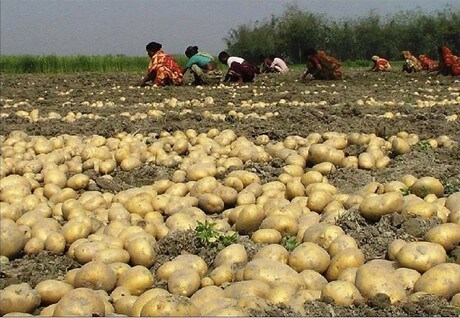
The team is creating a genetically-engineered potato to fight the late blight disease that caused the 19th-century Irish potato famine. The disease remains an issue for farmers worldwide, especially in Bangladesh, where many struggle with hunger.
“Late blight is the number one constraint for potato production, and Bangladesh has a perfect environment for this disease,” said Jim Bradeen, co-director of the [University of Minnesota’s] Stakman-Borlaug Center and a scientific advisor for the project.
…
The researchers are working to implement durable disease resistance in potatoes using three disease-resistant genes, Bradeen said. Since the pathogen that causes late blight disease can evolve and become resistant to the genes designed to protect the crop, researchers hope using three genes will be an adequate defense.
They hope to introduce the potato in Bangladesh in the next six months to a year, Bradeen said.
…
Bangladesh has already approved one genetically-modified organism (GMO) to improve crop performance: a genetically-engineered, insect-resistant eggplant.
…
While GMOs are highly debated in the U.S. and Europe, Bangladesh has embraced GMO technology, Bradeen said. However, the GMOs must meet many government regulations, which can be difficult for crop developers.
Read full, original post: Researchers turning to GMOs to solve food insecurity
[Editor’s note: The authors of a controversial report in Nature in May 2017 suggested that the popular CRISPR gene-editing technique could result in hundreds of unintended mutations. It was received with skepticism by scientists but anti-biotechnology advocacy groups widely circulated the conclusions, even though it was based on just three mice, and some companies using the technology plunged 15 percent or more. They have now reversed their findings after conducting additional research. Read the GLP’s take on the controversy here.]
—
Our previous publication suggested CRISPR-Cas9 editing at the zygotic stage might unexpectedly introduce a multitude of subtle but unintended mutations, an interpretation that not surprisingly raised numerous questions. The key issue is that since parental lines were not available, might the reported variants have been inherited? To expand upon the limited available whole genome data on whether CRISPR-edited mice show more genetic variation, whole-genome sequencing was performed on two other mouse lines that had undergone a CRISPR-editing procedure. Again, parents were not available for either the Capn5 nor Fblim1 CRISPR-edited mouse lines, so strain controls were examined. Additionally, we also include verification of variants detected in the initial mouse line. Taken together, these whole-genome-sequencing-level results support the idea that in specific cases, CRISPR-Cas9 editing can precisely edit the genome at the organismal level and may not introduce numerous, unintended, off-target mutations.
…
A reasonable concern about unintended effects of CRISPR-Cas9 across the genome and potential associated adverse events if used clinically has been met with limited whole genome sequencing to date…On the other hand, examination of additional CRISPR-treated mice created with a different methodology did not show an excess number of unintended variants potentially introduced by CRISPR-Cas9 gene editing procedure…Thus the use of same-strain control mice in the original study may not, by itself, explain the excess of variants detected in the previously studied CRISPR-treated mice…Although further analysis is needed…injection approach may allow for CRISPR-Cas9 gene editing without genome-wide mutations, and suggest a path towards clinically viable CRISPR-based gene editing, including studies to optimize precision and experimentally confirm genome-wide safety.
Charles Ryan has a clinic in San Francisco at which he regularly relieves men of their testosterone. This “chemical castration”, as it is sometimes known, is not a punishment, but a common treatment for prostate cancer. Testosterone doesn’t cause the disease (currently the third most deadly cancer in the UK), but it fuels it.
…
Before being robbed of their testosterone, [Ryan’s patients] might have been personable and adept at small talk, but they weren’t nearly as interested in other people. He could feel a hypothesis coming on: that as men’s testosterone levels lower, their capacity for empathy will rise.
…
Ryan started measuring his patients’ “empathy quotients”, using a survey developed for studying autism. It’s too early to release detailed results, he says, but “we do see increases in the empathy scores in many patients on the treatment”.
…
[R}esponses to hormonal suppression therapy “are highly variable, based on [individuals’] intrinsic biology. I have patients whose testosterone I take away and they don’t have any [unwanted] side-effects. In fact, they say: ‘I feel better. My brain is less clouded with intrusive thoughts about sex and things like that.’”
…
[I]t’s complicated and depends on the individual. “Many men, as they age, feel sluggish and lose muscle mass, lose their self-esteem, so I don’t say we shouldn’t ever use supplemental testosterone.”
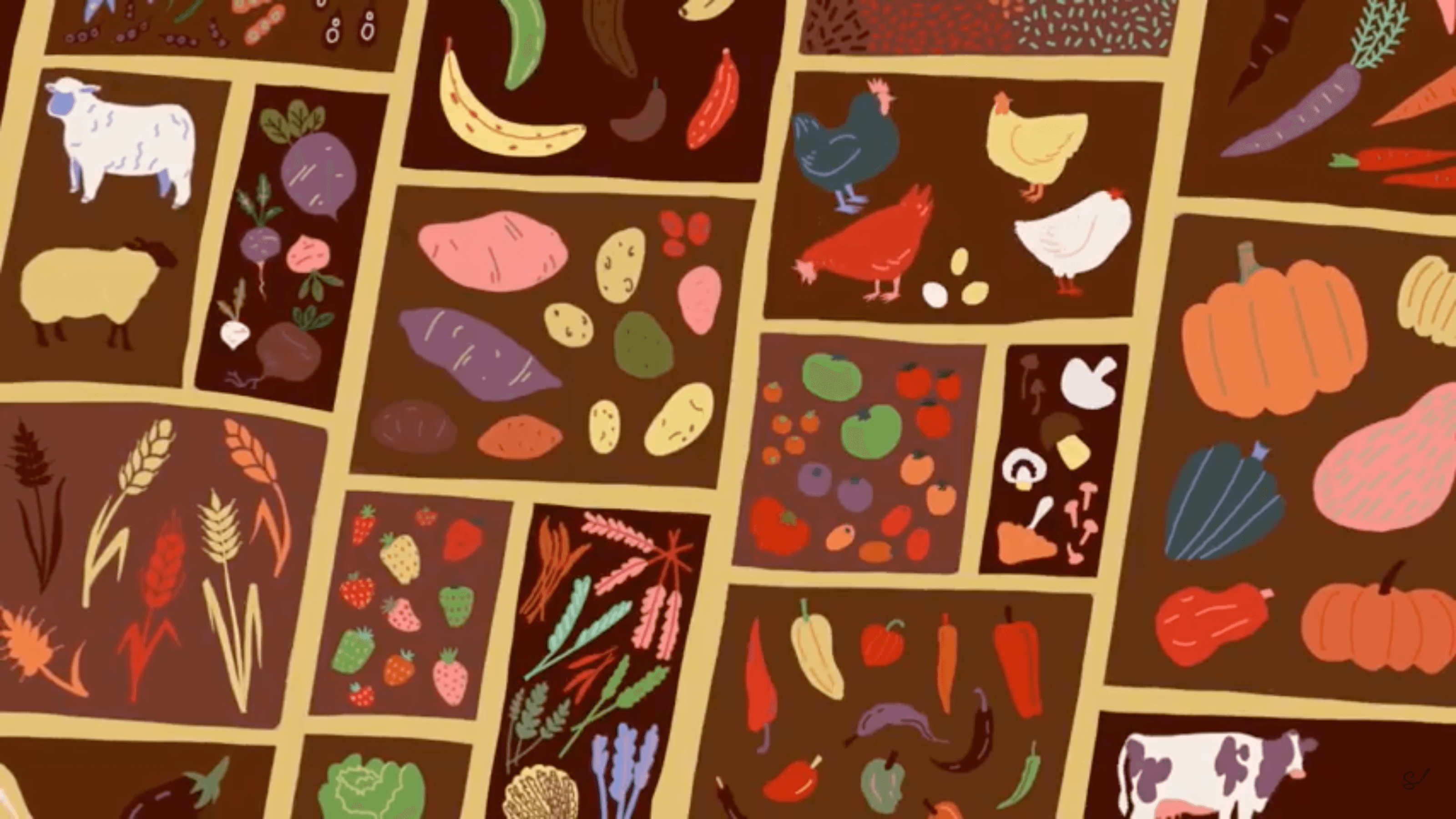
Global agriculture faces unprecedented challenges. Critical to overcoming these challenges is conserving the diversity of the plants and animals we farm. [Scriberia’s] animation for Crop Trust explains how genebanks – which store and safeguard precious samples of roots, tubers and seeds – are helping people around the world to breed better crops.
Here are five expanding and emergent fields of biotech that could help safeguard nature:
1. Biobanking. Biobanks store biological samples for research and as a backup resource to preserve genetic diversity. Examples include the San Diego Frozen Zoo, the Frozen Ark projects, and numerous seed banks. Samples provide tissues, cell lines, and genetic information that can form the basis for restoring and recovering endangered wildlife.
…
2. Genomics. The rapidly falling costs of genome sequencing has sparked initiatives to sequence the genomes of all living species, and thanks to improved ancient DNA methods the genomes of extinct species such as the woolly mammoth, thylacine, and passenger pigeon are also attainable.
…
3. Biosynthesis. [This process] can reduce the commercial need to extract biological products from wild species.
…
4. Reproductive technologies. Cloning could be a game-changer when it comes to helping recovering and critically imperiled mammals.
…
5. Gene drive. […]To address the problem of invasive rodents, a gene drive could be applied to alter the sex ratio of an island population of rats so that they become all male and fail to breed. The same process could eliminate vectors of disease, such as mosquitoes, which would save birds from avian malaria.
…
With the right genetic tools and dedicated collaboration, we may be able to turn the tide on wildlife extinction.
Editor’s note: Nishan Degnarain is the managing director at Breakthrough Ocean Ventures. Ryan Phelan is the executive director of Revive & Restore
The autism risk genes discovered to date are especially amenable to study in mouse models. Mice have analogous versions of these genes, and the autism-linked mutations within them damage or destroy protein function. Researchers can therefore model the functional effects of human mutations by disrupting the corresponding mouse gene.
However, mouse models have one clear limitation: They are not human. This may seem to be an obvious statement, and yet because we rely so heavily on mice to understand human genetic conditions, it is often easy to forget.
…
How can we make the mouse a better model of human brain development?
…
Multiple studies have identified uniquely human genetic changes that may have contributed to the evolution of the human brain.
In comparisons of genomic sequences across many species, two distinct classes of elements stand out in the human genome: human accelerated regions, or HARs, and human-specific gene duplications, or HSGDs.
…
Mouse models of HARs and HSGDs may thus provide a permissive, ‘humanized’ environment for studying the effects of autism-linked mutations on the developing brain.
…
The prospect of two steadily advancing fields of scientific discovery — defining genetic mechanisms that are uniquely human, and identifying those that are associated with autism — cross-pollinating in such a way is tantalizing. By combining these bodies of knowledge, we may come to better understand the uniquely human complexities of autism.
Editor’s note: James Noonan is associate professor of genetics at Yale University
In what they claim is the first prospective birth cohort study of its kind, U.S. researchers have linked likely environmental and dietary exposure to glyphosate (N-phosphonomethylglycine), the most heavily used herbicide worldwide, with shorter pregnancies. The study, by researchers at Indiana University and the University of California San Francisco (UCSF), found that 93% of a cohort of pregnant women in the central Indiana region had detectable urine levels of glyphosate— the active ingredient in the herbicide Roundup—which correlated with reduced gestation time. While glyphosate wasn’t identified in any samples of drinking water tested, higher urine glyphosate levels were found in pregnant women who lived in rural areas, and also in those who consumed more caffeinated beverages.
Their study included 71 pregnant women, average age 29 years, from nine counties in central Indiana.
…
Detectable levels of glyphosate were found in 66 out of 71 (93%) of urine samples…. Substantially higher levels of the herbicide were found in the urine of women who lived in rural environments, or who consumed <24 oz. of caffeine per day.
Read full, original post: Herbicide Found in Urine of Pregnant Women Linked with Shorter Pregnancies
Researchers have identified specific genes that may trigger the development of sleep problems, and have also demonstrated a genetic link between insomnia and psychiatric disorders such as depression, or physical conditions such as type 2 diabetes.
…
[Researcher Murray] Stein’s research team conducted genome-wide association studies (GWAS). DNA samples obtained from more than 33,000 soldiers participating in the Army Study To Assess Risk and Resilience in Servicemembers (STARRS) were analyzed.
…
Overall, the study confirms that insomnia has a partially heritable basis. The researchers also found a strong genetic link between insomnia and type 2 diabetes. Among participants of European descent, there was additionally a genetic tie between sleeplessness and major depression.
…
Insomnia was linked to the occurrence of specific variants on chromosome 7. In people of European descent, there were also differences on chromosome 9. The variant on chromosome 7, for instance, is close to AUTS2, a gene that has been linked to alcohol consumption, as well as others that relate to brain development and sleep-related electric signaling.
“Several of these variants rest comfortably among locations and pathways already known to be related to sleep and circadian rhythms,” Stein elaborates. “Such insomnia associated loci may contribute to the genetic risk underlying a range of health conditions including psychiatric disorders and metabolic disease.”
The USDA is set to review GMO labeling again. Apparently, the idea is to put QR codes on foods that contain genetically engineered ingredients so consumers can know and choose what to buy based on the information from these codes.
But this is nonsense. Although foods already contain numerous labels, a vast majority of them are misleading, wrong, or just a marketing tool to sell something. The GMO label would add to confusion and give food companies one more way to mislead people for profit.
…
What are we fighting for? A right to know? A right to know what? As I always say, a right to know requires the responsibility to learn. And how come people don’t care to know if their food was grown in manure? Is that “gross” or “icky?” (Sorry not sorry vegans: Your food is grown with the byproducts of poop from farm animals.) No, it isn’t gross and our food is generally very safe.
…
This is about money. Nothing more, nothing less.
…
Food companies need to stop using misleading language or downright lies to sell food products.
Researchers at the Indian Agricultural Research Institute (IARI) have developed a maize variety which is rich in both Vitamin A and essential amino acids through the process of plant breeding. … The hybrid varieties of maize currently grown in India, though rich in essential amino acids – lysine and tryptophan – are poor in vitamin A.
Scientists have developed a new hybrid variety of maize by crossing. It contains natural variations of three genes – beta-Carotene Hydroxylase, Lycopene-eta-Cyclase and Opaque2 – required for production of high amount of vitamin A and the two essential amino acids. The new hybrids, thus produced, have 4.5 folds more vitamin A content and similar amounts of lysine and tryptophan as earlier varieties.
In addition, the grain yield of new hybrids has been found to be similar to existing varieties, as evaluated by growing both varieties at two different locations in India. Researchers believe that bio-fortified high-yielding maize hybrid could help address micronutrient malnutrition.
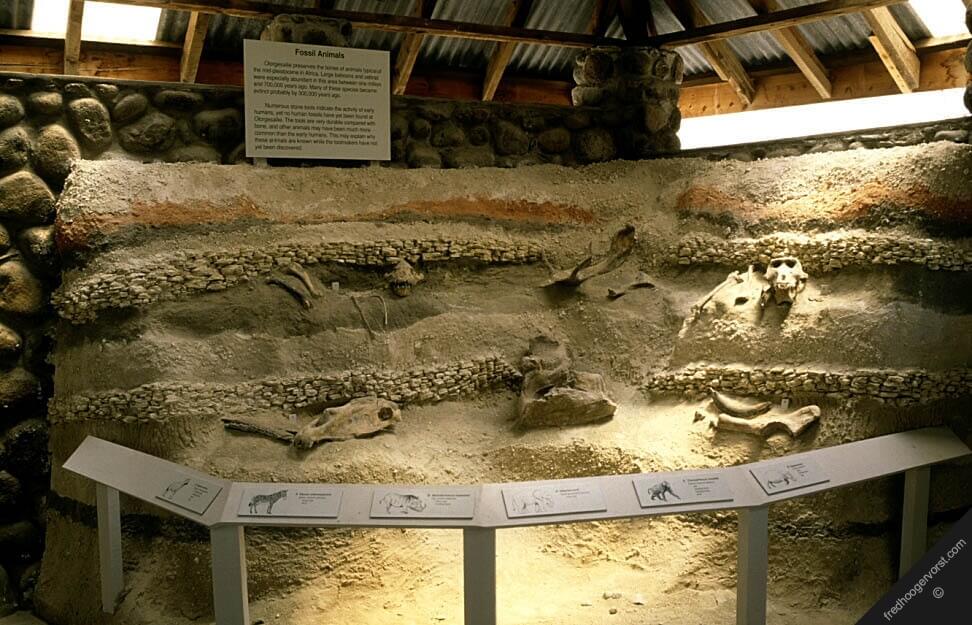
The results come from an archaeological site in Kenya’s Rift Valley. “Over one million years of time” is represented at the site, according to Rick Potts from the Smithsonian Institution, who was involved in the studies.
…
Rather than shaping a block of rock, into a hand axe, humans became interested in the sharp flakes that could be chipped off. These were mounted on spears and used as projectile weapons. Where 98% of the rock previously used by people in the Olorgesailie area had come from within a 5km radius, there were no sources of obsidian nearby.
People were travelling from 25km to 95km across rugged terrain to obtain the material, and “interacting with other groups of early humans over that time period”, according to Dr Potts. This makes the site the earliest known example of such long distance transport, and possibly of trade.
…
Dr Marta Mirazon Lahr from the University of Cambridge said that being able to “securely date” the continuous occupation of the site using argon techniques on volcanic deposits “makes Olorgesailie a key reference site for understanding human evolution in Africa during [this period]”.
Nowadays labels extol the absence of something that never was there in the first place. Such marketing schemes manipulate the buying habits of consumers, and are not exactly honest.
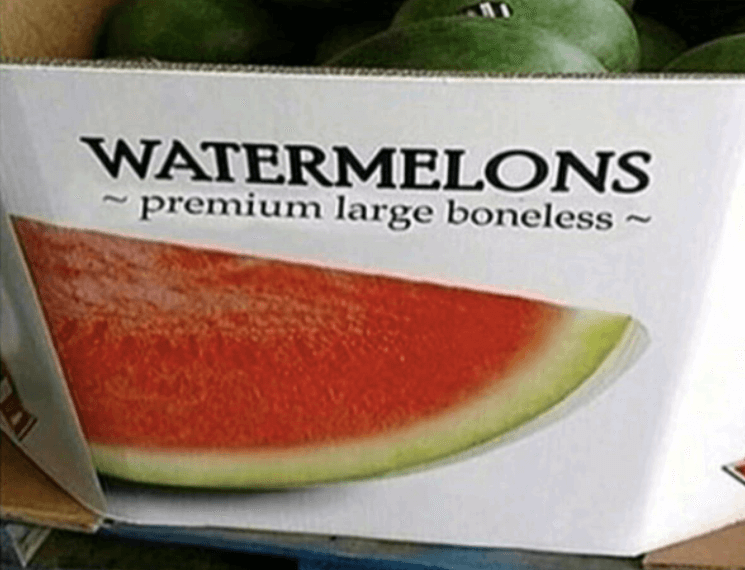
Let’s examine the claim of the boneless watermelon. What loving mother would possibly want to risk her beloved little cherub choking on one of those pesky melon bones? Sure, we’ve never noticed them in the past, but that does not mean they are not there, especially with all of those unlabeled GMO watermelons flooding the market. Shelling out an extra five bucks for the boutique boneless variety at Whole Foods is a no-brainer in more ways than one, especially when considering the horror of Heimliching their child to dislodge a plant skull.
And you have to admit, we have not heard of one single case of someone choking on a watermelon bone since these labels have been in place.
The point is simple. Exclusion labels actively seek to misinform consumers by reinforcing the hypothetical presence of a non-existent threat. The strategy is to imply that the Grim Watermelon Reaper is staring over junior’s shoulder with every bite of that standard run-of-the-mill retail melon. But as everyone knows, there is no watermelon with even the hint of a cursory skeleton, and there probably never will be. I said probably, Monsanto.
With this in mind, is a “Boneless” label on a watermelon being honest? Certainly, the watermelon has no bones, so the statement is factual. But is that what the customer really wants to know? They want to understand the risk of consuming the product relative to other melons.
In reality (where I live) there is no risk of watermelon bones. However, this melon vendor uses the label to create a non-existent dichotomy — boneless (safe) and potentially bony (risk). This strategy works particularly well because the affluent consumer will automatically shun reason and science and run to precaution. See Kahneman’s System I and System II thinking.
Does the ‘Boneless’ sticker convey the much ballyhooed “right to know“ what is in food? If there never are bones in watermelons, then why do we need guidance from a label to confirm that they are not there?
Exclusion food labels imply a risk where none exists. Products containing ingredients from genetically engineered (GMO) plants are chemically indiscernible from conventional or organic ingredients. Second, they are most deceptive when (like bones in a watermelon) they are used to sanctify the magical piety of products that never were genetically engineered in the first place.
Fear-based exclusion marketing is not scientific, and when a company shows that it is willing to rebuff scientific guidance, it is good to take notes. Lots of them. And stock up on Pepto Bismol.
Such is the sad tableau of Chipotle, the eight-dollar tortilla of rice and beans that proudly extolled that they would use no ingredients from genetically engineered organisms in their products. Except for high fructose corn syrup in sodas and other key high-margin products. And cheese. Just about all cheese is manufactured with curdling enzymes made from GE microbes instead of purifying it from calf stomachs. Those soda and cheese are okay because they satisfy a corporate bottom line, and carbonation probably detoxes the risky shit.
The bottom line is that when you shun science and reason, don’t be surprised when your burrito gives you the flaming schmootzies. As Dr. Alison Van Eenennaam says, “There are risks that scare people and risks that kill people.” And there are very real food risks that turn your lower GI into a Roman Candle.
The claim to be “GMO-Free” also satisfies the company’s bottom line by insinuating that the competition’s corn chips and soybean oil (that may be derived from a genetically engineered plant) are somehow substandard and perhaps dangerous when used as directed.
These claims run counter to science, indicating that Chipotle is glad to trade scientific reality for burrito sales. When a company tells you that they reject science in exchange for profits, it isn’t a bad idea to pay close attention.
It is like going to someone’s home for dinner and they proudly exclaim, “We reject soap because we think it is an evil manifestation of the corporate tentacles of Procter and Gamble.”
So gamble we do, and proctologists see the consequences. Food safety is a deeply scientific discipline, and when a food service company rejects science, it’s no surprise when consumer colons ejects violence. A restaurant that touts its rejection of science isn’t a place where I want to eat. That precise scenario played out brilliantly in a wave of abdominal distress, as multiple locations and dozens of patrons were doubled over on the commode of reason, violently expelling the virtues of non-GMO ingredients.
It must have been the soda. Or maybe a bony watermelon.
Kevin Folta is a professor and chair of the Horticultural Sciences Department at the University of Florida. He teaches science communication workshops for scientists and ag professionals, and hosts the weekly podcast Talking Biotech. Follow him on twitter @kevinfolta.
In the past 50 years, three major discoveries have fueled the field of genetic engineering. Together, they’ve revolutionized medicine and agriculture. Individually, they’ve sparked controversy.
Genetic engineering: the first major discovery
It’s the late 1960s. Somewhere between the summer of love and the last moon landing, scientists discovered something extraordinary about bacteria. To defend themselves from viruses, bacteria evolved molecular scissors called “restriction enzymes.”
Restriction enzymes recognize and cut specific patterns of DNA sequences. These patterns are common, but they don’t show up in the bacteria’s own genes. Invading DNA that makes its way into the bacteria gets cut by restriction enzymes and disarmed.
Restriction Enzymes are like molecular scissors that cut specific sequences of DNA. Scientists use restriction enzymes to cut and paste DNA together.
Using restriction enzymes, scientists can cut and paste together DNA from different species. For example, by cutting and pasting the gene for human insulin into bacteria, we can use the bacteria as “biofactories” to produce insulin for diabetic patients.
Genetic engineering: applications in agriculture
Flash forward to the early 1980s. Before the “war on drugs” or the Challenger disaster, scientists discovered something unusual about certain soil bacteria. When these Agrobacteria infect a plant, they cut and paste a small package of DNA into the plant’s genome. The package tells the plant cells to divide and make food for the bacteria.
Scientists can employ Agrobacteria to deliver packages of their own. Using restriction enzymes, they replace some of the Agrobacterium’s own genes with a gene for a useful trait, such as resistance to insects or pathogens. The Agrobacterium then delivers the gene into a crop plant.
Genetic engineering reinvented: the CRISPR revolution
Then, in 2011, the same year OMG and LOL were added to the dictionary, CRISPR entered the scene. The acronym is a mouthful, but what it really means is that bacteria have an immune system that can learn.
Bacteria store a library of leftover DNA from previous invaders in repeating patterns. This legacy DNA produces a molecular message called RNA, which interacts with a specialized protein. This protein, called Cas-9, cuts invading DNA sequences that match the RNA. This system, called CRISPR-Cas9, allows bacteria to “remember” and disarm potential threats.
Scientists can use the cut and paste mechanisms of CRISPR-Cas9 to edit genes in all kinds of organisms very precisely.
The Cas9 enzyme is like a molecular scalpel that’s guided to a very specific DNA sequence by a molecular messenger called RNA. Scientists can use this CRISPR-Cas9 system to make extremely precise edits.
Genetic engineering: prospects and protests
Each of these discoveries — restriction enzymes, agrobacteria and CRISPR — was stumbled upon somewhat by accident. Studying how bacteria defend themselves has helped us defend ourselves from pathogens and diseases, keep food prices low and develop superior products. But before these tools could be put to work, we had to decide how to use them.
When restriction enzymes were first discovered, scientists thought carefully about the ethics of genetic engineering. In 1975, a small contingent of experts, journalists and lay people gathered at the famous Asilomar conference to discuss what to do with this technology. After four days of heated debates, the participants issued a statement recommending cautions and safeguards. This statement informed the official guidelines issued later by the National Institute of Health.
Although insulin-producing bacteria are literally genetically modified organisms, the term “GMO” didn’t widely circulate until two decades after the Asilomar conference. GMO-mania erupted when scientists began inserting foreign genes into plants.
The vigorous resistance to engineered plants in particular is very puzzling. Few people protest using biofactories to produce medicine. Other foods, such as cheese produced via genetic engineering, have also met with little friction. Yet there are whole organizations committed to protesting GMO crops.
People disagree about whether a plant or animal engineered using CRISPR should be considered a GMO. Historically, GMO status has only applied to “transgenic” organisms: those containing a gene that was not inserted by traditional breeding.
CRISPR can be used to cut and paste a whole gene into a plant just like restriction enzymes and Agrobacteria. The resulting transgenic plant would certainly be considered a GMO.
On the other hand, CRISPR can be used to make changes that are so small and subtle it would be impossible to tell whether they occurred naturally. For example, if CRISPR was used to replace a single “A” with a “G,” this change would be indistinguishable from a natural A to G mutation.
Clearly, genetic engineering is a complex issue. There are many ways to do it, and the line between the different methods can be blurry. The potential applications of genetic engineering are even more diverse.
When stakeholders first gathered at Asilomar to discuss genetic engineering, their debates focused on applications and whether the resulting products could be dangerous. Most scientists agree that debates today should also focus on specific applications of genetic engineering, not the process itself.
After all, the process is not new. Bacteria have been genetically engineering themselves and their neighbors for eons. We only caught on a few decades ago.
Jenna Gallegos is a postdoctoral researcher in Jean Peccoud’s lab at Colorado State University. Jenna got her PhD in plant biotechnology at UC Davis where she studied gene expression in plants. Follow her on Twitter @FoodBeerScience.
Angela Records, science advisor to the United States Agency for International Development (USAID), joins Chris Barbey to discuss how the organization uses biotechnology to develop local solutions to crop diseases and other issues impacting food security. USAID is committed to remedies in world food insecurity, with an emphasis on examining current opportunities and meshing new technology and crop biology with the most beneficial impacts on global food security.
[W]e’ve grown accustomed to using the timid term of “bioethics” to debate certain subjects that are, in reality, philosophical and moral meta-norms that govern us all — that is, none other than the singular and irreducible dignity of the human species.
…
We are therefore prohibited from treating human beings as animals or objects…Dignity is simply what distinguishes the human from the inhuman.
…
In France, some intellectuals, politicians or practitioners, doctors or militant jurists, see the periodic revision of the laws on so-called bioethics as an opportunity to advance their eternal demands: legalization of surrogacy, artificial insemination for lesbian or single women, euthanasia, and even certain forms of eugenics. They shamelessly invoke the “fight against infertility,” the battle for “equal rights” and, while they’re at it, the “dignity” of those who, often, are also their clients.
…
[France’s Constitutional Council introduced the] first so-called laws on bioethics, that “the protection of human dignity against all forms of enslavement or degradation is a principle of constitutional status.” This is not, of course, about the small narcissistic and subjective dignity wrongly invoked by procreation militants and traffickers. It is, instead, about the transcendent and objective dignity of human nature that is inalienable, eternal and universal. It does not evolve across time or space, nor change according to the mores and whims of the market. To periodically revise this conception of dignity would amount to killing it with the human ego.
Editor’s note: Anne-Marie Le Pourhiet teaches Constitutional Law at the University of Rennes in France
Scientists continue to make advancements in biotechnology, while private and public entities invest in development of technologies to enhance agriculture and food production. Regulatory obstacles, however, keep most biotechnology advancements from reaching commercialization, resulting in sparse return on investment. That sums up the primary theme in a new report from the Council for Agricultural Science and Technology (CAST).
The report, titled “Regulatory Barriers to the Development of Innovative Agricultural Biotechnology by Small Businesses and Universities,” notes that USDA and private businesses have developed dozens of genetically engineered (GE) crops with benefits including yields, disease resistance, nutritional enhancements, food safety and environmental sustainability. But while many have passed through extensive safety testing, few have reached commercial release or generated returns on investment.
In a scientifically rigorous, risk-based safety assessment, the authors note, the degree of regulatory scrutiny is commensurate with the degree of identified risk posed by the product in question. “In reality, however, our current regulations are not based on product risk, but on spurious, undocumented risks posed by the process of genetic engineering.”
Read full, original post: CAST: Excessive Barriers Stifle Biotech Progress