In the 14 years since it was found in an abandoned mining town in Chile’s Atacama Desert, the bizarre 6-inch skeleton has inspired fervid speculation, including theories of unearthly origins.
…Was this a stillborn baby? A nonhuman primate of some sort? An alien being?
Now, genetic science has given these mummified remains a species (Homo sapiens), a gender (female), an age (she probably died shortly after birth) and as many as 52 genetic clues to her extreme physical abnormalities (her bones appear to have aged at an accelerated pace).
…
The mummified skeleton has been called “Ata,” and, starting roughly four years ago, researchers from Stanford University and UC San Francisco isolated and purified its DNA from marrow inside its tiny, preserved bones. Then they put a new generation of genetic sequencing technology to work.
Some of the genetic mutations they found have not been recorded before — not so surprising in a field in which the function of most genes, and of whole genetic regions, remains a mystery…
The authors of the study, published Thursday in the journal Genome Research, speculated that the nitrate mining that had drawn settlers to the region in which Ata was found may have exposed her pregnant mother to some environmental toxin that contributed to the genetic wreckage.
A bevy of remedies may be needed to ensure American farm productivity keeps growing at the clip it has for more than a half century, according to experts in crop and livestock production and research….
…
All of the panelists argued for a more practical regulatory process, which reviews content of new products, instead of the processes used to breed crops and farm animals.
“Scientists have been screaming for 20 years . . . for regulations to be risk- and product-based rather than determined by the methods used to produce the product” said Alison Van Eenennaam, animal geneticist and biotechnologist at the University of California, Davis. She and Nina Fedoroff, veteran biotechnologist and senior science adviser for OFW Law in Washington, argued for the U.S. to take a product-focused approach as soon as possible and try to lead world food regulation in that direction.
…
“There isn’t a voice trusted as much as the USDA, but they’re not doing a good job” at assuring food consumers about healthful qualities and safety of food products, [Fedoroff] says. Positive and full descriptions could counter misinformed consumer views, for example, about genetically modified food products, and “that anything GM is bad,” she says.
The dairy industry is poised to make foundational leaps in the ability to breed healthier cows when new genomic evaluations for six direct health traits become commonplace. When that occurs, producers will be able to incorporate these new health traits into their breeding programs with official evaluations from the Council on Dairy Cattle Breeding (CDCB). These evaluations will be released starting in April 2018.
With producer and industry input, and based on previous research, the CDCB selected six of the most common and costly health events to develop evaluations. Rate of incidence, expected heritability, associated costs, and on-farm reporting consistency were each considered. The six health events for which CDCB will initially provide genetic and genomic evaluations include:
Hypocalcemia: commonly referred to as milk fever, typically results after calving due to low total blood calcium levels.
Displaced abomasum: enlargement of the abomasum with fluid and/or gas which causes movement to the left or right side of the abdominal cavity, usually requiring veterinary intervention.
Ketosis: build-up of ketone bodies typically occurring due to negative energy balance in early lactation.
Mastitis: infectious disease that causes inflammation of the mammary gland.
Metritis: infection of the endometrium (lining of uterus) after calving.
Retained placenta: retention of fetal membranes more than 24 hours after calving.
The US House of Representatives passed a federal “right-to-try” bill [March 21], leaving many Americans wondering what the move could mean for their health and that of their loved ones.
…
The central question, however, remains: Would a federal right-to-try bill help or hurt some of the country’s most fragile patients?
…
Right-to-try advocates argue that by bypassing FDA permission, patients can save even more time.
The right-to-try bill would be different from the FDA’s current expanded-access policies, as the current policies require patients to apply for access, [said Starlee Coleman, senior policy adviser at the Goldwater Institute a conservative public policy think tank based in Phoenix that supports right-to-try legislation]. “This law eliminates the application requirements to the FDA,” she said.
…
Supporters of right-to-try argue that the legislation is needed because most terminal patients are too sick to be selected to participate in clinical trials and it takes too long for promising treatments to be approved.
[Dr. Steven Joffe, professor in medical ethics and health policy at the University of Pennsylvania’s Perelman School of Medicine] argued that the right-to-try approach to providing access to unapproved drugs early in their development could put patients in harm’s way, as patients receiving the drug are often in very fragile health, doctors often lack the information needed to administer the drugs safely, and little may be known about their risks and benefits, he said.
Editor’s note: The following is a satirical letter written by Reinhard Szibor, professor emeritus of human genetics and forensic medicine at the Otto von Guericke University in Germany. It is written from the perspective of executives at a satirical “Big Ag” US company called “M-corporation” (Monsanto?) to German environmental NGOs and the politicians he believes they have cowed into opposing crop biotechnology on the scientifically false grounds that GMOs are harmful.
Dear Politicians and NGOs opposed to “Green Biotechnology,”
M-corporation belongs to the six largest companies (also called BIG-AG) that control 75% of the global market of agrochemicals and 60% of the seeds market. As managers of M-corporation we would like to express our gratitude for your excellent work and hope for further fruitful co-operation.
During recent years, M-corporation has spent $4.5 million per day for research and development. But money alone does not make innovation. We are very thankful that you are continuously sending well-trained scientists to our country to help strengthen America in general and the dominance of our company in particular.
Thanks to your prohibition politics on gene technology, young scientists do not see any chance to apply their knowledge and expertise in Germany and the EU and emigrate mainly to the US. Just recently, the decision of BASF to close down research and development in Germany led to the relocation of more than 100 excellent scientists from Limburgerhof to Raleigh, North Carolina. This has to be considered as a generous development aid of more than $200 million.
We thank you explicitly for your support and would like to emphasize that further science refugees are welcome!
In addition to development, costs for approval and safety evaluation of new gene technology products play a significant role. Thanks to the German gene technology legislation, our smaller, innovative competitors do not have sufficient financial resources to survive a process that may take 10 to 15 years and costs hundreds of millions of dollars. We urgently ask you to keep up with these standards – otherwise our dominance in the market may fade away.
New challenges are looming on the horizon and we urgently need your support!
The new genome-editing techniques like CRISPR/Cas allow for targeted changes in the DNA code as they may happen randomly in nature. Altering single nucleotides can switch genes on or off and can produce: canola with increased content of omega-3 fatty acids, blight-resistant wheat, drought-resistant corn, and tomatoes and strawberries which regained the original flavor.
A few years ago, BASF scientists developed the “Amflora” potato which made the production of industrial starch (amylopectin) more efficient and more environmentally friendly. It took 14 years to get the product in the market. Today, a good undergraduate student could do this as their thesis work.
This is extremely dangerous for us because young scientists could come up with innovative ideas, found a start-up company and swamp the market with new products. In addition, the editing technology is, in most cases, indistinguishable from natural mutations. On the contrary, the previous mutagenesis methods using radiation and cancerogenic chemicals produce thousands of mutations while editing produces only one. It is questionable if we can get patents on single-base substitutions that may as well occur by a beam of sunlight.
The best way to deal with this unfortunate situation is to prohibit genome editing in general. You successfully explained to the public that one known mutation is much more dangerous than several thousand unknown mutations. This campaign was unique and amazingly effective!
Congratulations! We also appreciate your creation of the term “extreme gene technology” for single base pair exchanges. If you manage to keep citizens scientifically illiterate and especially if you successfully replace science at schools with “the risks of technology” it will be easy to maintain our dominant position. Keep up the good work!
Unfortunately, not only plant breeding and genetic modifications are of concern to us. In India and Bangladesh, about 30% of vegetable supplies are eggplant.
Farmers spray 80 to 120 times per season to keep harvesting losses by the fruit borer under control. It is certainly not in our interest that the Indian company Mahyco developed a Bt eggplant that is resistant to the fruit borer. Our sales volume in pesticides almost collapsed in Bangladesh! Fortunately, Greenpeace, in collaboration with local pesticide producers, has achieved prohibition of Bt eggplant in India.
This clearly shows what we can achieve by concerted action! If we can no longer define which plants are developed and which are not, our profits will break down and you will lose us as your most needed official enemy! We strongly urge you to double your efforts – you can count on our support!
Your measures to expand organic farming by further subsidies is highly appreciated. The European Union (including Germany) is the largest importer of food and seeds worldwide. Yields in organic farming are up to 50% lower than in conventional farming. The more organic farming, the more imports are required. This is certainly of interest for us. In South America, our partners are looking forward to cultivating large areas of tropical rainforest to guarantee the food supplies of Germany!
Last but not least, we have noted with some concern that our corporation may be acquired by a German company. This is not good news since German companies usually have much higher social and ecological standards. This will cost huge amounts of money and significantly reduce our profits. As our reliable partners, we expect that you do whatever is possible to avoid this fusion and follow the mission of our President: “America first”!
We are aware that your campaigns require financial support and we will certainly provide adequate funding by safe channels. We count on your contribution to our mutual interests and we are looking forward to a continuous fruitful collaboration.
Sincerely,
N.N.
Reinhard Szibor, professor emeritus of human genetics and forensic medicine at the Otto von Guericke University in Germany.
Any veteran of a grade school science class learned this: animals (including humans) have an intrinsic ability to instantly react to danger. This “fight or flight” reaction means we are wired to either run away or fight off a threat. Mass shootings, airport bombings and other violent events have people pondering their own ability to survive these adrenaline-filled moments.
Consider the recent mass shooting at Marjory Stoneman Douglas High School in Parkland, Fla. In the aftermath of the tragedy that left 17 people dead, intense scrutiny was aimed at school resource deputy Scot Peterson, who stayed outside the building during the shooting — rather than rush in to intervene. The deputy later resigned, as his inaction drew public scorn and accusations of cowardice. At the height of it, President Trump lashed out at the deputy, promising that in the same situation he would have rushed into the building, even if unarmed.
It is, of course, easy to sit back in the days following one of these horrific events and make such brave proclamations. It is another thing entirely to actually rush into a life-threatening situation. Indeed, “fight or flight” is much more complicated than grade-school biology taught us. And sometimes, this heightened state can go very wrong. A paper by Australian researchers illustrates one example:
Jeremy, a soldier in the 2003 Iraq war, was “constantly on the lookout for ‘trouble’ and…he often found it. He described a number of physical altercations—he had attacked other men on the basis of perceived provocation—that had occurred over the last 12 months.” In fact, all these incidents happened after he left the military. One recent altercation took place in a therapist’s office. But his responses developed as if he were still at war.
Former school resource deputy Scot Peterson. Image credit: Broward County Public Schools.
The researchers, led by University of Sydney psychiatrist Kasia Kozlowska, looked at how people really react in the face of danger, whether real or perceived. To them, “fight or flight” was an outdated term that was more applicable to animals than to humans. Preferring the term “defense cascade,” the team observed from psychiatric patient records that human “defense cascade” models were more complex, “because humans make subjective representations of body states and endow their experiences with meaning, and because humans use their minds to create internally generated representations of threat.”
This does make our responses more complicated, because more recently evolved neuronal networks in the cortex interact with the genes and evolutionarily “older” circuits that all come together to react to extreme emotional states (like fear).
The “fight or flight” reaction also leaves out another type of reaction: collapsed immobility, or freezing. In a previous Genetic Literacy Project report, we reviewed research by Joseph LeDoux, a neuroscientist at New York University who has been studying the freeze reaction. Kozlowska and her team, meanwhile, detailed this reaction, which includes fainting as well as freezing in place, and showed how nerve cells connecting the amygdala (which houses emotional memories), hypothalamus (which coordinates physical responses) and periaqueductal gray matter (which controls pain, fear and anxiety reactions), all work to create this response (for better or worse).
Other scientists have found more genetic and physiological complexity behind “fight or flight” even among non-humans:
Biologists from the Chinese Ministry of Education, University of Shanghai and University of Neuchatel (Switzerland) found in Japanese flounder that the fish had distinct personalities that determine whether they “froze” or “fled,” and that an acute stress created unique metabolic and physiological changes depending on this personality. So, if a “shy” fish was confronted, its metabolic changes resulted in a “freeze” reaction, while a “bold” fish had changes that produce a “fight or flight” reaction.
University of Maastricht researchers found that dopamine, which directs a number of cortical and physical reactions to extreme stress, is often controlled by a number of single nucleotide variations, as well as rearing conditions and personality types. This meant that other personal factors, in addition to the stress itself, all were factors determining how a person reacted to acute, extreme stress.
“Fight or flight” reactions can also be controlled, at least in humans. A group from Massachusetts General Hospital and Beth Israel Deaconess Medical Center found that meditation can trigger genes that regulate energy metabolism, mitochondrial function, insulin secretion, and telomere maintenance, in the opposite direction from “fight or flight,” thus creating a more relaxed state.
Humans (and apparently Japanese flounder) have more complex reactions to acute stress than previously thought, and (for humans) can be trained to handle reactions to these occurrences. But as war veterans and other survivors of attack situations have shown, we can over-react, as well.
Andrew Porterfield is a writer and editor, and has worked with numerous academic institutions, companies and non-profits in the life sciences. BIO. Follow him on Twitter @AMPorterfield.
The trouble had started over a decade ago, when the Hogans noticed something wasn’t right with their son Jack…When they asked him to pick up his toys, he wouldn’t — not because he didn’t want to, it turned out, but because he didn’t have the peripheral vision with which to see them strewn across the floor.
…On Tuesday [March 20], he was to be the first person in the U.S. to receive a gene therapy for a rare inherited disease since the treatment had hit the market.
…
And they’d watched as the price was announced at $850,000 for both eyes — a record price so high that Spark Therapeutics worked out a way for insurers to pay in installments, as if the medication were a fancy car.
…
The treatment, developed after decades of research, is called Luxturna, and it is sometimes referred to as the first “true” gene therapy to be approved by the Food and Drug Administration.
…
Just then, the same surgery was just getting started on another patient in Los Angeles, and the next day it would happen again in Miami. For [ Dr. Jason Comander, Jack’s surgeon at Mass. Eye and EarComander] and the Hogans, there was still the other eye to do next week, and it was still up in the air as to whether the treatment would work at all. (Spark, to help win acceptance of the treatment’s high price, has set up a program to provide some kind of refund in case it doesn’t.)
The bad news for environmentally conscious beer lovers is that hops, a prized floral flavoring of ales, has an oversized water bill. Production of the plants requires 100 billion liters of water a year in the United States alone.
The good news: Scientists in California may have found a way to genetically engineer yeast to produce flavors similar to those in naturally hopped beers.
Describing their work in the journal Nature Communications this week, the scientists report how they conducted blind taste tests of their new brews against a traditional American pale ale and found that people ranked the beer produced with the genetically modified yeast as hoppier.
…
The engineered yeast was designed to replace the dry hopping late in the brewing process that imparts a complex floral bouquet. The team achieved this by taking DNA from mint and basil plants that produce flavorful terpenes similar to those found in hops.
Through trial and error, they produced a number of different strains of brewer’s yeast by inserting plant genes that produce the terpenes into the yeast’s genome. Then they used fermenters to brew tiny 30-milliliter batches of beer, mimicking the process of an industrial brewer.
A semirural Colombian town called Ricaurte, about 150 miles southwest of Bogotá, may be home to the largest recorded genetic cluster of people with mutations linked to fragile X syndrome, according to a new study.
About 1 in every 19 men and 1 in every 46 women in Ricaurte have fragile X syndrome. Men there have 323 times the odds of having the condition compared with the general population, and women 192 times.
The cluster may be the result of a ‘founder effect’ from settlers who established the town in the late 1700s, the researchers say.
“It’s a problem that originated from one of the founders who brought the mutation, and it expanded to other families,” says lead investigator Wilmar Saldarriaga, professor of medical genetics.
…
Because most of the people with fragile X in Ricaurte are native to the town, their mutations may trace back to a common set of ancestors. Ricaurte is thought to have been founded by 11 families, one from Spain and the rest from other parts of Colombia.
…
In the meantime, several Ricaurte residents with a premutation show signs of ovarian insufficiency, including early menopause, or of fragile X-associated tremor/ataxia syndrome, such as tremors.
Studying this population may provide insight into why only some people with the premutation develop these features.
Organic farming, which prohibits the use of synthetic fertilizers, is often touted as the solution to many of agriculture’s environmental impacts.
…
Environmental and agricultural scientists note that organic farms typically have 20% lower yields than conventional farms, requiring more land to produce a given amount of food. This means less land for wildlife habitats or other purposes.
…
Without synthetic fertilizers, farms need to grow additional crops — legumes — to provide nitrogen, and these require extra land. This “shadow land footprint” of organic farming and other agricultural systems that don’t use synthetic fertilizer is equally, if not more, important than the yield gap.
…
Even with the most optimistic scenarios for improving nitrogen fixation and nutrient recycling, farmland would need to dramatically expand to entirely replace synthetic fertilizer. These improvements could provide no more than 90% of the nitrogen currently provided to crops. Assuming a proportionate drop in production, at least 12% more cropland (nearly 500 million acres) would be needed to maintain production.
Additionally, due to organic farming’s yield gap, an additional 25-33% more land would be needed. But to make up for both the yield gap and the shadow footprint, we would need at least an extra Australia-sized amount of land — between 40% and 100% more agricultural land than the amount we use today.
A suspected link between abnormal breast growth in young boys and the use of lavender and tea tree oils has been given new weight, after a study found eight chemicals contained in the oils interfere with hormones.
Gynaecomastia is rare, and there is often no obvious cause. But there have been a number of cases linked to use of these essential oils.
The American study found that key chemicals in the oils boost oestrogen and inhibit testosterone. Not everyone will have the same reaction to an essential oil.
The plant-derived oils are found in a number of products such as soaps, lotions, shampoos and hair-styling products.
…
The new study looked at eight key chemicals from the hundreds that make up the oils. Four of the tested chemicals appear in both oils and the others were in either oil.
They were tested on human cancer cells in the laboratory to measure the changes.
The researchers found all eight demonstrated varying degrees of promoting oestrogen and/or inhibiting testosterone properties.
…
Prof Ieuan Hughes, emeritus professor of paediatrics at the University of Cambridge said the findings “have confirmed why an individual using such oils containing these chemicals may develop breast tissue”.
“The anti-male hormone effects are rather unexpected and it is not possible to comment further without the data.”
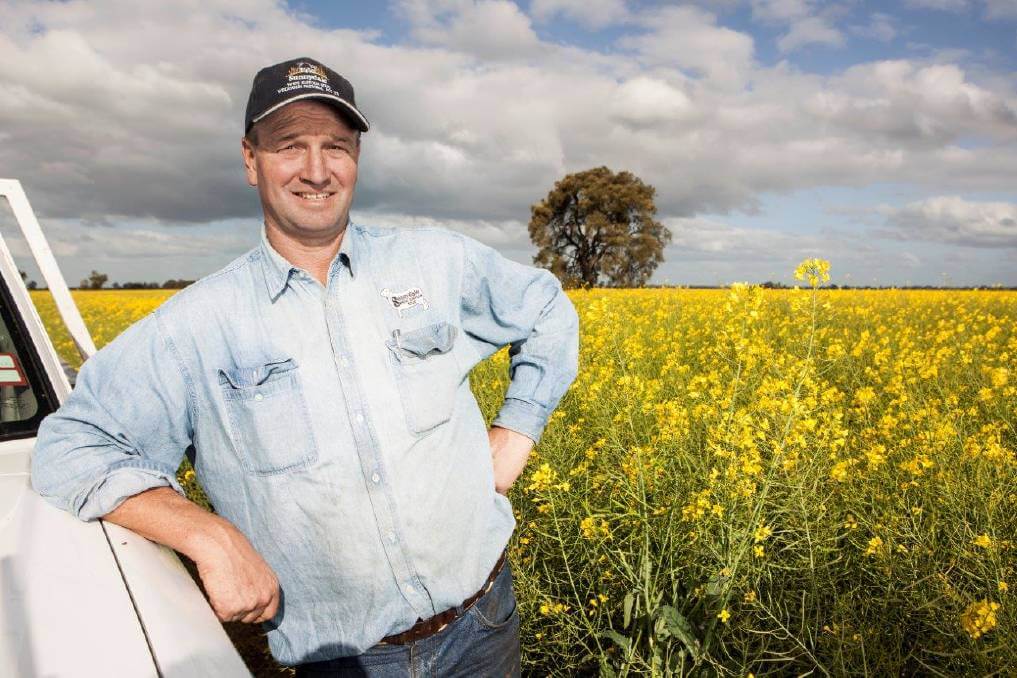
When genetically modified crops were first mooted for Victorian farmers, agronomic advantages were the last thing that received publicity.
Ten years down the track, even leading proponent Andrew Weidemann is surprised at the huge advantages that have been gained in farming profitability and sustainability from the introduction of GM.
…
[W]ith the advent of higher yielding GM canola crops, and increasing awareness and issues around weed resistance, the uptake of GM canola in the past five years has surged in Victoria.
“GM canola gives farmers flexibility and options,” Mr Weidemann said.
“It allows you to manage and control weeds in that crop, but it has a continued (cleaning) effect in crops in future years too.
“That value needs to be taken into account when working out the economics of including a GM canola in your rotation.
“It’s not only what that GM crop earns, but what benefits that inclusion adds to their farming business in subsequent years.”
…
“I hope we use the positive GM canola experience, to allow other new GM crops to come to market, so all farmers have the opportunity to grow them in the next 10 years”.
Read full, original post: Reaping the benefits of weed control in new canola era
The European Union has approved Bayer’s buyout of Monsanto in a massive agriculture business deal, but says they will have to shed over $7.4 billion in firms and other remedies to ensure fair competition in the market.
The $57 billion takeover has been watched by rivals and environmental groups, who are fearful that the number of players in the business of selling seeds and pesticides will shrink further and give one company a suffocating grip on the food chain.
EU Antitrust Commissioner Margrethe Vestager said … that the remedies proposed by Bayer and Monsanto are worth well over 6 billion euros in business and “meet our competition concerns in full.”
Monsanto in September accepted Bayer’s offer, in which it also assumes $9 billion in debt, in a move affecting anything from tomatoes and cucumbers to the use of pesticides across the globe. The United States still needs to give its approval to the merger.
…
Bayer CEO Werner Baumann said that “the European Commission’s approval is a major success and a significant milestone.” He said the companies were still working with U.S. authorities on the deal, which they hope to close in the second quarter of 2018.
Geologists examining fossils in rocks help us to gain purchase on the conundrum of what constitutes life by identifying its remains. For relatively recent fossils – think dinosaurs – the answer is straightforward. Though extinct, their bodies look much like extant organisms: bilaterally symmetrical, bearing notable features such as skeletons, teeth and tails. But life was altogether different before the Cambrian Explosion.
…
What, then, of the remains of first life-forms, those that lived and died on an Earth almost entirely unlike our own, at a time before continents accreted, when sulphurous seas stretched across a young planet?
…
How would one recognise fossils that are 2.5 to 3.9 billion years old?
…
To answer the question with which I opened – what do the remains of life look like? –they look a lot like all sorts of other things. Or, to turn the question on its head, lots of old things look a lot like what we expect old life to look like, whether in its form, complexity or simplicity. If once ‘beauty’ and ‘complexity’ were markers of life, and later geobiologists sought early life in its starkest simplicity, now neither is sufficient. Nothing visibly distinguishes the vital from the non-vital when looking for ancient life. Simply put, the search for ancient life is no longer a search for ancient lifeforms.
Four former commissioners of the Food and Drug Administration are expressing opposition to congressional “right to try” legislation, just as Republican House leaders prepare to bring a bill up for another vote a week after it failed to pass.
The legislation is designed to allow seriously ill patients to bypass the FDA to get access to experimental treatments. The former agency commissioners, in a joint statement provided to The Washington Post, criticize both House and Senate proposals.
“There is no evidence that either bill would meaningfully improve access for patients, but both would remove the FDA from the process and create a dangerous precedent that would erode protections for vulnerable patients,” they say.
…
GOP lawmakers say right-to-try bills…would give desperately ill patients a last chance at survival. Democrats say the measures would skirt FDA rules designed to protect patients without addressing basic obstacles to accessing experimental medications…
Critics also note that the FDA already has an expanded-access program for approving experimental drugs for patients who are not in clinical trials…
The House and Senate bills are designed to give patients access to medications that have undergone only preliminary testing in humans. Patients would have to be ineligible for clinical trials and first try all other available treatments.
From the 1960s through the 1990s, yields of rice and wheat in Asia doubled. Even as the continent’s population increased by 60 percent, grain prices fell, the average Asian consumed nearly a third more calories, and the poverty rate was cut in half.
…
To keep doing that between now and 2050, we’ll need another green revolution. There are two competing visions of how it will happen. One is high-tech, with a heavy emphasis on continuing [Norman] Borlaug’s work of breeding better crops, but with modern genetic techniques.
…
Though there’s no clear evidence that Roundup or Roundup Ready crops are unsafe, proponents of an alternative vision of agriculture see those expensive GM seeds as a costly input to a broken system. Modern agriculture, they say, already relies too heavily on synthetic fertilizers and pesticides.
…
“The choice is clear,” says Hans Herren, another World Food Prize laureate and the director of Biovision, a Swiss nonprofit. “We need a farming system that is much more mindful of the landscape and ecological resources. We need to change the paradigm of the green revolution. Heavy-input agriculture has no future—we need something different.” There are ways to deter pests and increase yields, he thinks that are more suitable for the [small farmers] of this world.
EU lawmakers have urged the European Commission to convince member states to back its proposal to ban neonicotinoids and avoid further delays that will be harmful to bees and the environment.
MEPs from the main groups in the European Parliament co-signed a letter on March 20 to Commission President Jean-Claude Juncker and Health Commissioner Vytenis Andriukaitis.
In their letter, the MEPs urged the Commission to avoid another delay to a planned ban on neonics at the next Standing Committee on Plants, Animals, Food and Feed meeting (SCOPAFF) on 22 March, saying that this would be damaging to bees and the environment.
“Further delay in taking the decision will result in a continuous exposure of bees and other pollinators to toxins that kill them, with severe consequences for food production, particularly honey,” the MEPs warned.
…
The Commission tried to put the ban issue to a vote last December but governments stressed they wanted to see the EFSA report first.
…
On 28 February, the European Food Safety Authority (EFSA) published a report re-confirming that most uses of neonicotinoid pesticides- three neonicotinoids: Bayer’s clothianidin and imidacloprid and Syngenta’s thiamethoxam- represent a risk to wild bees and honeybees.
Are you longing for your brain and all its memories to be preserved for ever? That once fanciful idea seems creepily closer now that a complete pig’s brain has been successfully treated, frozen, rewarmed and found to have its neural connections still intact.
…
A human brain treated this way could never be brought back to life. Yet all its preserved information could potentially be uploaded into an artificial or virtual body indistinguishable from the previously living one – like “uploading a person’s mind” after a long wait. Would this then be “you”?
…
My guess is that “I” would wake up in my new, perfect artificial body and think, “Wow, here I am again”, only to realise that I was a completely inadequate “person” in this new world. Everyone else’s minds would be so far expanded beyond their original brains into other devices, implanted and external, that they would see me as a profoundly backward human or some kind of throwback from a primitive world they could hardly imagine. My friends, family and old connections would be gone. No one would understand me and I would not understand them. This is one more reason why I shall not be signing up for my own brain preservation any time soon.
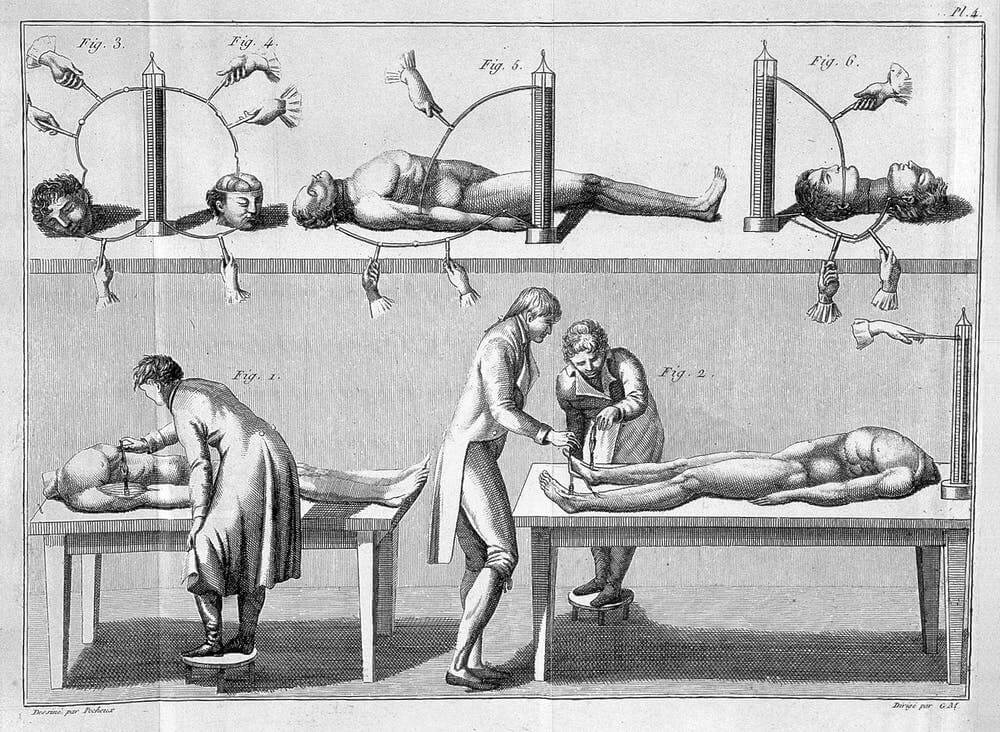
Mary Shelley was 20 when she published “Frankenstein” in 1818. Two hundred years on, the book remains thrilling, challenging and relevant — especially for scientists like me whose research involves tinkering with the stuff of life.
The story of Dr. Victor Frankenstein is familiar: A deranged scientist muddles with corpses and creates a monster. Or, a naive young man makes a mistake and is forced to live with it. Or, a college student dives headfirst into biotechnology without once considering the consequences.
The prose may be a bit dated, but the issues at the heart of “Frankenstein” feel modern. Biotechnology and bioengineering are real things now. Scientists can still be blinded by their passions. And, just as true today as in pre-Victorian Britain, the future is hard to predict.
“Frankenstein” endures because it addresses a perennial fear: What if science goes too far? What happens if we build something we don’t understand and can’t control? Are there certain roads in science or technology that we just shouldn’t go down?
As a doctoral student in synthetic biology, my day job is to try to engineer life. And after rereading “Frankenstein,” I couldn’t shake one thought: If Mary Shelley were writing the book today, Victor would surely be a synthetic biologist.
Building life
Victor Frankenstein, the character who creates the Creature (who, in the book, has no name), was 17 when he left home to study natural science at university. An eloquent professor sparks a passion in him. Victor resolves to take science further than anyone – to “explore unknown powers,” as he puts it. Within three years, Victor begins digging up dead bodies.
Clearly Victor takes his passion — or perhaps obsession — too far. But what Victor did – taking different parts from living things and stitching them together — is not on the face of it that different from the field of research I work in.
Synthetic biology seeks to engineer new biological systems such as biomolecules, metabolic pathways or cells, using either natural or synthetic parts.
My own doctoral research is focused on trying to design new biomolecules that break down chemical weapons. Before starting grad school, I worked for a company that’s turning agricultural plant waste into liquid fuels by stringing together fungal enzymes that naturally degrade wood. Biology is powerful, and much its complexity is only now becoming known.
But talk of “engineering biology” makes a lot people squeamish. The sanctity of life is violated when man tries to play God, they argue. It’s a fool’s errand, or worse. That is one plausible interpretation of “Frankenstein.” Perhaps Shelley meant to show us, over 200 gripping pages, the agony that awaits anyone arrogant enough to tinker with life.
It’s this interpretation of “Frankenstein,” more or less, that has taken root in modern society, especially with regard to biotechnology. Since 1992, genetically modified foods have been derided as “Frankenfoods,” even though the vast majority of scientists regard them as safe and beneficial. Like the hostile townsfolk and farmers who rejected the Creature, many in modern society believe biotechnology is something to run away from.
Running from responsibility
But in the book, it’s Victor who runs.
“Unable to endure the aspect of the being I had created, I rushed out of the room,” says Victor, moments after bringing the Creature to life. The new being, who cannot yet speak, eventually wanders outside only to be driven from society. The Creature spends most of the rest of the book aching for genuine connection – in town squares, farmyards and icy plains. Without exception he is met with violence and scorn. With his innocence shattered, the Creature turns toward revenge.
Technology can turn monstrous, but I read Mary Shelley’s “Frankenstein” not as an injunction against bioengineering as such. Rather, the story reveals what can happen when we – scientists and nonscientists alike – run away from the responsibilities that science and technology demand.
Victor is a deeply flawed scientist. He is solitary, lacks foresight and is blinded by a selfish desire for power. He abandons his work when he realizes it could be dangerous, but at that point it’s already too late. This is alien to the community of synthetic biologists I know, who are vocal about the potential dangers of the technologies they develop and are actively working to ensure their safety.
Jennifer Doudna, a pioneer of CRISPR gene-editing technology, has called for a moratorium on potentially irreversible gene editing in humans. Feng Zhang, another CRISPR co-inventor, likewise has stated that “we need be very careful and proceed with a lot of caution.” Speaking about the dangers of runaway biotechnology at the 2018 World Economic Forum, Zhang stated that “it would be important to engineer containment mechanisms” into any bioengineered cells. These would be akin to a genetic fail-safe should something unexpectedly go wrong.
A modern Victor Frankenstein
If written today, Victor would be stitching together bits of DNA in a sterile lab somewhere. But I like to think his perspective on bioengineering would become modern as well. The synthetic biology community I know practices openness, prudence and self-restraint. Instead of running from responsibility, we try to embrace it – perhaps in part because of cautionary stories like “Frankenstein.”
In an early moment of irony and foreshadowing, Victor invites the reader to wonder “how many things are we upon the brink of becoming acquainted, if cowardice or carelessness did not restrain our inquiries.” He means to be awe-inspiring, but readers familiar with the tale understand his statement to be quite the opposite.
Victor Frankenstein was certainly careless and perhaps a coward, unable to own up to the responsibility of what he was doing. We now know that science is best conducted with humility, forethought and in the light of day.
Ian Haydon is a doctoral student in biochemistry at the University of Washington. Follow him on Twitter @ichaydon.













 Victor Frankenstein was certainly careless and perhaps a coward, unable to own up to the responsibility of what he was doing. We now know that science is best conducted with humility, forethought and in the light of day.