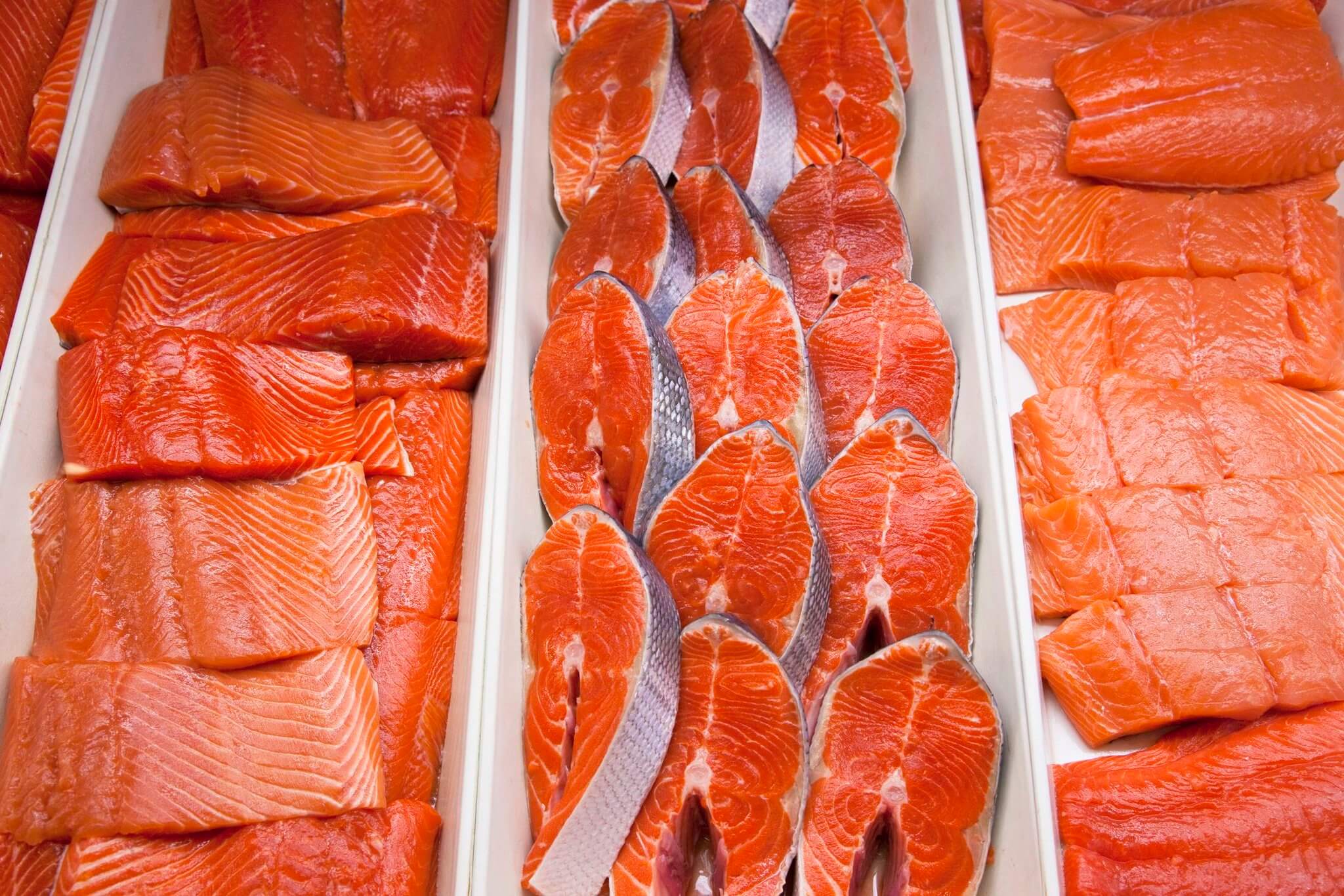
The recent boost in Russian agriculture has made food sales abroad much more profitable for the country than exports of military weapons, according to President Vladimir Putin.
“Today, agriculture exports exceed arms sales by more than a third. $28.8 billion from agricultural sector, $15.6 billion from the defense industry,” Putin told farmers in Krasnodar on [March 12].
He said that Russian exports of agricultural products and foodstuffs had grown 16-fold since 2000. In 2016, Russia became the world leader in wheat exports. Since the early 2000s, the country’s share of the world wheat market has quadrupled, from four to 16 percent.
Russia will soon sell more produce abroad than the country imports.
..
The president said that Russia should be aiming at exports of environmentally friendly and quality products. GMO has been banned in Russia since 2016. Putin previously said he wants to make Russia the world’s largest seller of GMO-free food.
Here’s the most important thing I learned while writing a book on running and mental health: In clinical studies, regular aerobic exercise is as effective as antidepressants in reducing symptoms of mild to moderate depression…Exercise actually causes the same structural changes to the brain as antidepressants—neuroplasticity, or creating new neural pathways, and growth in the hippocampus, a part of the brain that’s generally shrunken in people with depression.
…
Current guidelines by groups such as the American Psychiatric Association and the American College of Physicians don’t count exercise as an initial form of treatment a physician should recommend for a patient with depression. Instead, modern antidepressants and some forms of psychotherapy are the two main first-line treatments prescribed.
…
The U.S. health care system famously incentivizes procedures and pills over a holistic approach…This tendency to prescribe, and specifically to prescribe antidepressants, contributes to the aura of “they might help, and they probably won’t hurt,” despite warranted debate over their effectiveness for depression. A system that encourages such practices is at odds with a prescription of “get outside and move for half an hour most days” for depression.
…
Still, in anecdotes and peer-reviewed surveys, once depressed people try exercise, they rate it the best treatment on the basis of perceived effectiveness to perceived burden (side effects, cost, etc.). Running is definitely the key to managing my depression. I shouldn’t have had to discover that on my own.
Computer vision specialist Blue River Technology has developed a solution for [pesticide risk], using advanced machine learning algorithms to enable robots to make decisions, based on visual data (just as we would do ourselves) about whether or not a plant is a pest, and then deliver an accurate, measured blast of chemical pesticides to tackle the unwanted pests.
…
Farm equipment and services giant John Deere saw the potential of this development and acquired the start-up late last year and added it to the catalog of high tech, data-powered services it already offers its customers.
…
The large-scale mechanization of agriculture means that accurate data is available from the machines which spread seeds and harvest crops. Robots – such as those developed by Google-funded Abundant Robotics which suck ripe fruit from branches with vacuums -naturally record everything they do and every parameter of their operation. This structured machine data meshes well with unstructured data from meteorological or satellite imagery, and when filtered through AI algorithms will provide insights that more accurately predict yields and losses.
Of course, getting on-board with all these possibilities could prove challenging to some farmers who are more accustomed to running their businesses on grain silos than data silos.
One day in 1992, a technology entrepreneur sat down for a meeting with a pair of biologists who were studying the genes of fish. The scientists, Choy Hew and Garth Fletcher, were working on a method of purifying “antifreeze proteins” that would help Atlantic salmon (Salmo salar) survive so-called superchill events in the North Atlantic. Normally these salmon migrate out of the subzero ice-laden seawater of the far North Atlantic to overwinter in less frigid waters.Increasingly, though, such fish were being farmed, penned year-round in offshore cages, in near-Arctic waters to which they were not adapted. Fish farmers were looking for a way to keep the fish alive through the winter, and the antifreeze protein seemed like a possible solution.
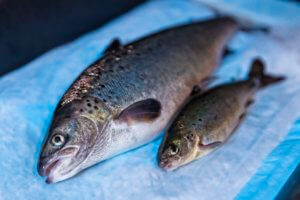
As the meeting drew to a close, Fletcher and Hew showed Elliot Entis, the entrepreneur, a photo of two fish of equal age. One dwarfed the other. “I sat back down,” Entis recalled recently.
…
Those salmon, grown and marketed by a company called AquaBounty Technologies that was founded by Entis, could be coming to U.S. grocery stores next year. And they could offer a way out of the deadly spiral of overfishing that is decimating wild fish stocks.
…
Genetically engineered fish could provide a solution, taking the pressure off wild stocks and reducing the energy and carbon emissions required to feed the world’s seafood appetite. Because AquaBounty’s salmon are sterile and raised in land-based tanks, they can’t breed with wild populations. And because they efficiently convert fish feed into edible protein, they offer a potential low-cost solution for nourishing not only affluent consumers in North America but hungry people in the developing world with little access to meat.
A journal paper claiming to show the success of a homeopathic treatment for cancer has been withdrawn by the publishers following a series of awkward discoveries – including the arrest of its two lead authors.
The paper, published in the journal Evidence-Based Complementary and Alternative Medicine, was retracted in late February after readers voiced concerns and a formal investigation flagged multiple ethical problems.
The subject of the paper was “psorinum therapy” and its use in treating stomach, gall bladder, pancreatic and liver cancers. Psorinum is a peculiar favourite of homeopaths, described as a substance “prepared from the fluid of blisters from scabies infested skin”.
The website Homeopathy Plus…recommends its use in treating a range of skin conditions, along with a few outliers such as ulcers and insomnia – but notably not cancer.
The lead authors of the retracted paper, father and son team Aradeep and Ashim Chatterjee, clearly thought differently. In 2001, the pair set up a trial of cancer patients, administering the scabies-fluid, along with other homeopathic substances, and a complete absence of conventional cancer meds.
…
Attempting to resolve these apparent inconsistencies, Hindawi sought to contact the lead authors. They were told Aradeep Chatterjee had been arrested for practicing medicine without the proper qualifications in June 2017. His father was reported to have also been arrested, two months later.
Scarcely a day goes by without some scary story about glyphosate, the world’s most widely used herbicide.
…
Because of its extensive use, and the possibility of spray being spread by the wind, it is no great surprise that trace residues can be found in the environment. A recent study made headlines when residues were detected in all California wines tested. The appropriate scientific question to ask is whether these residues present any risk.
…
[A] 70 kg person can take in 35 mg glyphosate a day without the chemical causing any problem. In the wines tested, the maximum amount detected was 18 ppb, or 0.018 mg per Liter. This means that to approach the ADI someone would have to consume 35/0.018 or 1944 Liters! Furthermore, the 18 ppb was found in only one sample, all the others had at least 28 times less glyphosate.
…
Even if it were off by a factor of a thousand, which is most unlikely, it would still mean that one could consume 1.9 Liters of that single sample of wine with the 18 ppb residue every day without a worry. And let’s keep in mind that alcohol is a known carcinogen, so it is actually of greater concern than the trace residues of glyphosate in wine.
Ugandan scientists are confident that their latest field trials of genetically modified drought-tolerant and insect-resistant maize are yielding promising results, and say the seeds should be ready for farmers within two years — if the political environment improves.
The ongoing trial of Water Efficient Maize for Africa (WEMA) hybrids at Namulonge, Uganda, show strong protection against both stem borer and fall armyworm pests, according to Dr. Godfrey Asea, director of the National Crops Resources Research Institute there.
…
Farmers across Uganda have battled infestations of fall armyworm in recent years, suffering severe losses as the newly invasive pest proliferates. Maize is a staple crop throughout eastern and southern Africa, and the food security of hundreds of millions of people has been undermined as a result.
…
Ugandan scientists had hoped the scene would be set for new GM varieties of maize and other staple crops to be quickly released to farmers when Parliament passed the long-stalled Biosafety Bill last December. However, after vociferous protests by anti-GMO activists, President Yoweri Museveni sent the bill back to Parliament for yet another reconsideration.
…
[P]olitically influential anti-GMO activists, who are mainly supported by foreign NGOs, remain determined to prevent Uganda’s subsistence farmers from ever being able to access any GM crops.
It is a bit of a stretch, but by no means impossible or even unlikely that a hybrid or a chimera combining a human being and a chimpanzee could be produced in a laboratory. After all, human and chimp (or bonobo) share, by most estimates, roughly 99 percent of their nuclear DNA. Granted this 1 percent difference presumably involves some key alleles, the new gene-editing tool CRISPR offers the prospect (for some, the nightmare) of adding and deleting targeted genes as desired. As a result, it is not unreasonable to foresee the possibility—eventually, perhaps, the likelihood—of producing “humanzees” or “chimphumans.” Such an individual would not be an exact equal-parts-of-each combination, but would be neither human nor chimp: rather, something in between.
…
I propose that generating humanzees or chimphumans would be not only ethical, but profoundly so, even if there were no prospects of enhancing human welfare.
…
[T]he ultimate benefit of teaching human beings their true nature would be worth the sacrifice paid by a few unfortunates. It is also arguable, moreover, that such individuals might not be so unfortunate at all. For every chimphuman or humanzee frustrated by her inability to write a poem or program a computer, there could equally be one delighted by her ability to do so while swinging from a tree branch. And—more important—for any human being currently insistent upon his or her species’ specialness, to the ultimate detriment of literally millions of other individuals of millions of other species, such a development could well be a real mind expander and paradigm buster.
A $1.5 billion settlement was reached in a class-action lawsuit covering tens of thousands of farmers, grain-handling facilities and ethanol plants that sued Swiss agribusiness giant Syngenta over its introduction of a genetically engineered corn seed.
Lawsuits in state and federal courts challenged Syngenta’s decision to introduce its modified Viptera and Duracade corn seed strains to the U.S. market for the 2011 growing season before having approval for import by China in 2014. The plaintiffs said Syngenta’s decision cut off access to the large Chinese corn market and caused price drops for several years.
The settlement, reached [March 12], must be approved by a federal judge in Kansas. It will create a fund to pay claims by farmers and others who contracted to price corn or corn byproducts after Sept. 15, 2013. If approved, money could be distributed to class members in the first half of 2019.
The settlement does not include the exporters Cargill and ADM that are also suing Syngenta.
…
The agribusiness giant contended that corn prices dropped because of market forces, not China’s rejection of Viptera. Most of the farmers suing Syngenta didn’t grow Viptera or Duracade, but China rejected millions of tons of their grain because elevators and shippers mix grain from several suppliers, making it impossible to find corn free of the trait.
Read full, original post: $1.5B settlement in suit over Syngenta modified corn seed
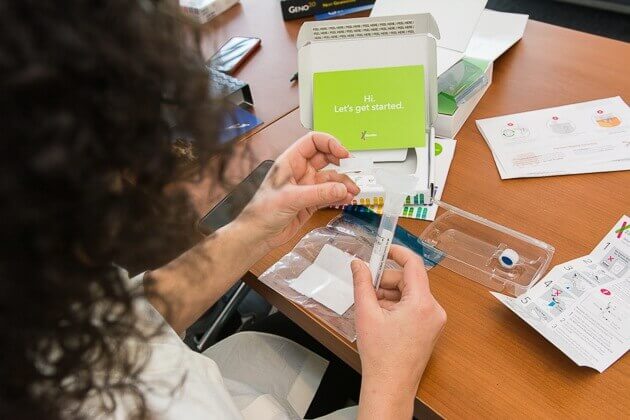
Home genetic tests like AncestryDNA and 23andMe are more popular than ever, with sales topping $99 million in 2017. But having widespread access to personal genetic information—without the knowledge of how to interpret results—can lead to problems.
A new study in Translational Behavioral Medicine is the first to examine the challenges that can arise when people contact healthcare providers about their “raw” DNA interpretation results.
…
A number of experts have since raised concerns about the marketing and clinical validity of DTC testing services, especially given that the US Food and Drug Administration does not regulate third-party genetic interpretation services.
Researchers surveyed 85 genetic counselors; more than half (53 percent) indicated that they had been contacted by patients following their use of third-party raw DNA interpretation services.
Participants reported a number of challenges when dealing with these patients, including their overemphasis on the validity of the DTC testing results and their resistance to the information subsequently provided by the counselors.
Counselors described patients as overconfident in both their existing knowledge and their understandings of what the results meant, which led to challenges when the counselors countered patients’ expectations.
“Our results suggest that misunderstanding of genetic information conveyed on various DTC reports is relatively common and has potentially adverse implications both on the receptivity to the information conveyed by genetic counselors and the emotional responses by patients,” the authors write.
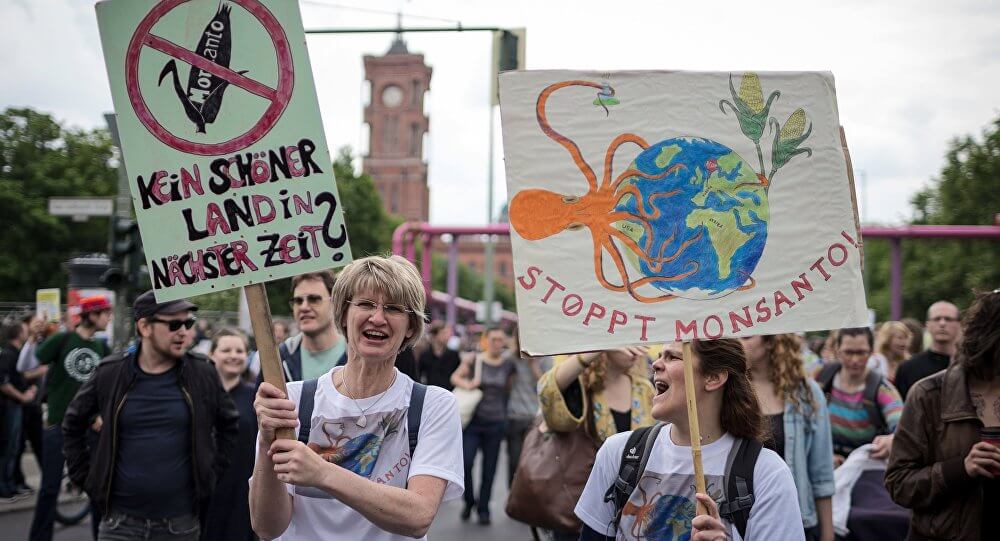
Reviving a challenge to Monsanto’s marketing of food that contains genetically modified organisms, Europe’s highest court ruled [Maarch 14] that an environmental review is a suitable way to address health concerns.
The German nongovernmental organization TestBioTech brought the review demand in May 2015, about a month after regulators at the European Commission authorized Monsanto’s application to market food, ingredients and animal feed containing genetically modified soybeans.
Setting the stage for such authorization, the European Food Safety Authority determined previously that genetically modified soybeans presented no more concerns than non-genetically modified soybeans with respect to potential effects on human and animal health or on the environment.
…
Citing EU law that bars the marketing of food and feed that cause adverse effects on human health, animal health or the environment, the Luxembourg-based court emphasized that the genetically modified “soybeans constituted, when being cultivated, elements modified by human intervention that were in interaction with the natural environment.”
“Accordingly, genetic modifications of those elements of the environment were liable to have consequences for their nutritional value or to represent a risk for food safety and constituted therefore matters within the scope of environmental law within the meaning of Regulation No 1367/2006,” the ruling states.
Biodiversity has always been predominantly microbial and the scarcity of fossils from bacteria, archaea and microbial eukaryotes has prevented a comprehensive dating of the tree of life. Here we show that patterns of lateral gene transfer deduced from the analysis of modern genomes encode a novel and abundant source of information about the temporal coexistence of lineages throughout the history of life. We use new phylogenetic methods to reconstruct the history of thousands of gene families and demonstrate that dates implied by gene transfers are consistent with estimates from relaxed molecular clocks in Bacteria, Archaea and Eukaryotes. An inspection of discrepancies between transfers and clocks and a comparison with mammal fossils show that gene transfer in microbes is potentially as informative for dating the tree of life as the geological record in macroorganisms.
…
[O]ur demonstration that clocks and transfers contain complementary and compatible dating signals casts the phylogenetic discord of LGT in a new light, and suggests that integrative models of genome evolution will be invaluable in fully resolving a dated tree of life.
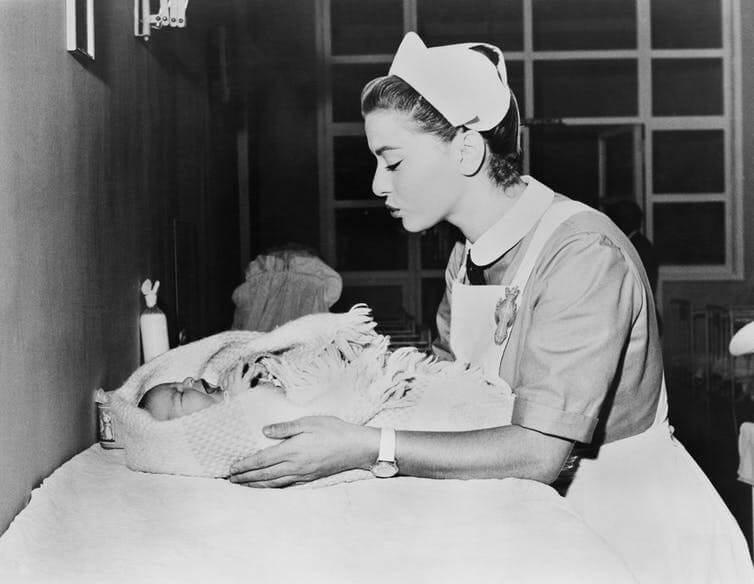
Before the 1980s, clinicians actually performed surgery on newborns without giving them anaesthetics or pain medications. This wasn’t because they thought babies were completely incapable of feeling pain. But they didn’t know how much pain the newborns could experience and feared that the medications may be too dangerous to warrant use.
Luckily we are better informed today. As babies can’t tell us how much pain they are in, scientists have invented several ingenious methods to try and work out what they are feeling. But there’s still a remarkable amount we don’t understand. And our new study, published in Current Biology, shows that we may be underestimating how much pain babies feel when they are under stress.
The reason progress has been relatively slow is that there was for a long time no agreed method for reliably measuring babies’ pain perception. It’s only in the last few decades scientists have made increasing efforts to do this – and the results may be applicable to other people who are unable to communicate too.
For a long time, we had no way of measuring babies’ pain. Everett Collection
The first clues came from animal models in the early 1980s. These showed that the structural and functional connections within the nervous system required to perceive a painful event are present from birth. However, we still do not know whether these connections are sufficiently mature for infants to experience pain in quite the same way as adults.
At the same time, clinical investigators started exploring ways of measuring pain in human infants. Following a painful procedure, such as the heel stick used for blood tests (much like a finger prick used for adult blood tests), infants show several significant responses. These range from physiological (changes in heart rate or breathing) and hormonal (release of the “stress hormone” cortisol) to behavioural (crying or grimacing).
Extensive research in this area suggested that infant pain should be evaluated with a combination of these measures, leading to the development of neonatal clinical pain scoring systems, such as the Premature Infant Pain Profile.
Pain in the brain
Another big advance in the field came from the Fitzgerald lab here at University College London, which moved away from solely using observations of behaviour and physiological responses to measure pain. Instead, it turned to the brain. We know that the perception of pain is generated by the central nervous system, so these researchers aimed to directly measure the activity of neurons (brain cells) that are responsible for the sensation of pain.
To do this, they used non-invasive measures like electromyography (EMG) and electroencephalography (EEG), which measure the electrical activity generated by muscles and brain cells, following a painful event. This method has the advantage of being both objective and quantitative, as it does not depend on observational scoring.
These studies confirmed that infants do process pain in the brain, but that they differ in their experiences with age. First, the lab recorded spinal reflexes – such as the withdrawal reflex, which is intended to protect the body from damaging stimuli – and found that premature infants are more sensitive to sensory stimulation than older infants. They subjected babies to repeated non-painful touches, and found that younger infants moved their limbs following lighter touches than older infants. In fact, the older infants got used to the repeated touches and eventually stopped moving their limbs.
They also found that premature infants responded to both painful and non-painful touch with whole body movements. In older babies (at term age, around 40 weeks) this matured into more a purposeful withdrawal of the stimulated limb, becoming more specific to pain rather than any touch.
An important next step was to record activity in the brain, which is where pain perception occurs. They did this with EEG, which uses electrodes placed on the scalp to track and record brain waves. They found that premature infants exhibited large bursts of brain activity which, as with early reflexes, are not specific to pain (a simple tap could produce a similar effect as a heel prick). Towards normal term age (a few weeks prior), infants were more likely to show a clear pain-specific brainwavesimilar to that seen in adults.
However, while this was a direct read out of what was happening in the nervous system after a painful event, you shouldn’t assume it was a direct reflection of what the baby was feeling. This is because the feeling of pain requires an emotional component as well as a sensory part, and although we can measure the sensory aspect, we can not measure or make assumptions about the emotional processing in a newborn.
Stress and pain
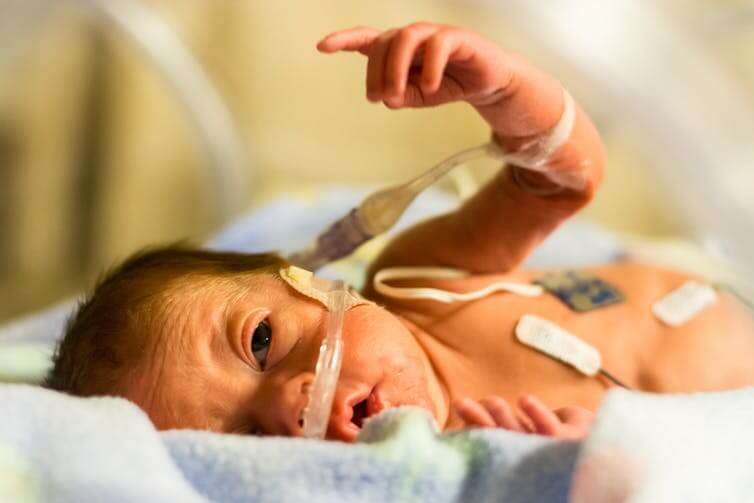
Premature baby in intensive care. Maesse Photography/shutterstock
In our latest research, my colleagues and I at the Fitzgerald lab focused on stress and pain. Many infants experience physiological stress as a result of necessary clinical procedures. For example, hospitalised babies often require several painful procedures a day as part of their care, and those who do not will likely experience events such as being weighed or loud noises (alarms) as stressful.
For the first time, we measured both pain and stress at the same time as a single, clinically required blood test. In 56 hospitalised newborns, the pain-related brain activity and behavioural response was measured following the blood test, while the babies’ background level of stress was measured using the concentration of a stress hormone (cortisol) in the saliva and heart rate patterns.
The results show that for babies who are not stressed, a painful procedure will often result in a coordinated increase in brain activity and behaviour, in the form of facial expressions. Babies who are more stressed have an even larger response in the brain following a painful procedure, but, importantly, this is no longer matched by changes in behaviour. In other words, a stressed baby may have strong pain-related activity in their brain, but you could not tell that from simply observing their behaviour.
Since increased levels of stress can increase the amount of pain-related brain activity, it is clear that we should monitor and control the stress levels of hospitalised babies. Stressed babies may not seem to respond to pain although their brain is still processing it. The phenomenon has been seen in premature babies who sometimes “tune out” and become unresponsive when they are overwhelmed. But that doesn’t mean they are not experiencing something. Importantly, this means that doctors and nurses may underestimate their pain.
Given its huge importance, it may seem surprising that we know so little about what newborns actually feel. Thankfully, research is unravelling the mystery with impressive speed.
Laura Jones is a research associate in Neuro, Physiology and Pharmacology at University College London. She has a particular interest in the factors that can impact upon either the acute pain response or long term changes in their pain perception.
National Geographic strives to deepen our understanding of the world and our role in it. It’s difficult to understand 21st-century America without exploring the issue of race. It’s the elephant in the room, permeating every aspect of our culture, neighborhoods, schools, businesses, politics, sports, arts, and relationships.
While science tells us that there is no such thing as race, society uses racial distinctions to divide us. Throughout history, groups of people have classified those who were different from them as the “other.” On the eve of the 50th anniversary of the assassination of civil rights leader Rev. Martin Luther King, Jr., we decided to look deeply into these issues with a distinct National Geographic lens. Our stories reflect a view that is global, scientific, and cultural.
“It hurts to share the appalling stories from the magazine’s past,” she writes. “But it’s important to examine our own history before reporting on others.”
…
Science defines you by your DNA. Society defines you by the color of your skin. Using #IDefineMe, we want people to share their stories with us. We hope to spark a global conversation about how race defines, separates, and unites us.
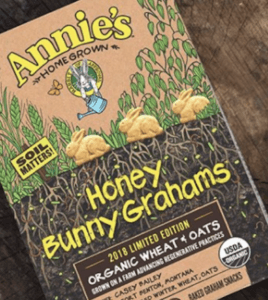
“Regenerative agriculture” is a bit of a mouthful compared to “organic,” but there’s a good reason why consumers should familiarize themselves with the term: It will start appearing on food labels as a way for brands to demonstrate they work with farmers dedicated to healthy soil.
On [March 6], Annie’s Homegrown, Inc., known for its white cheddar macaroni and cheese, announced it has partnered with Montana farmers who use regenerative agricultural practices. The farmers grow crops — including wheat, peas and oats — that are later developed into limited-edition noodles and graham cracker snacks for Annie’s.
On [March 7], DanoneWave, a multinational food company that includes brands like Oikos and Dannon, also announced its commitment to exploring regenerative agriculture and soil health within the next year and a half. Dannon, Annie’s and Ben and Jerry’s are working together to create a verification system for food grown using regenerative agriculture, Farm Forum reported [on March 7]. If they succeed, products would likely display a seal like the “USDA Organic” one.
…
Regenerative agriculture picks up where the now-mainstream organic movement left off, [Jonathan Lundgren, director of Ecdysis Foundation] noted. “Organic agriculture can be manipulated,” he said, explaining that farmers can stop using pesticides to comply with the National Organic Board’s standards, but the farmers might continue destroying the soil health on their farms.
A one-time gene mutation in a West African human millennia ago gave them immunity to malaria and doomed some of their descendants to sickle cell anaemia, according to new research.
Today, about 300,000 children are born with sickle cell anaemia every year, with that number expected to rise to 400,000 in the next 30 years. The majority of these cases occur in Nigeria, the Democratic Republic of Congo, and India, and many of these babies are likely to die from the disease in which their red blood cells break apart, leaving their bodies starved of oxygen. It is caused by two copies of a gene mutation in their DNA. One copy is harmless; two copies can be deadly. Millions of people worldwide, frequently those with African heritage, are carriers of this mutant gene, but there are large gaps in our knowledge of the disease and its characteristic mutations.
…
The new research shows the disease began with a single genetic mutation in a child born about 260 generations ago. Human DNA contains two copies of this gene, and when only one copy contains the mutation, carriers are better able to fend off malaria, something which was vital for survival on the African continent.
…
The new research, published in scientific journal Cell, has found that this disease began with a single ancestor who developed the mutation to fend off malaria.
When GlaxoSmithKline, long a global leader in the effort to pioneer gene replacement therapies, announced it would halt its drug development program for rare diseases, I understood that the decision made practical sense for the company. But as the mother of a child with a rare disease — one for which GSK was developing a highly effective treatment — I was devastated. My daughter, Cal, was diagnosed with metachromatic leukodystrophy (MLD) at age 2.
…
Experts in the field called the results from GSK’s clinical trials of gene therapy for MLD “stunning.” Children who should have been unable to talk or walk, who needed feeding tubes and hospice care, were instead attending school and riding bicycles and living remarkably normal lives.
…
[CEO Emma] Walmsley wants the company to focus on “real winners” — medicines that generate substantial returns. She’s correct in her assessment that GSK would have had trouble making money on gene therapy for MLD.
…
I wish that Walmsley had the chance to meet children with MLD whose lives were saved and forever changed by the gene therapy her company developed. Had that happened, I suspect she would have felt differently about research she did not believe was a “winner.” She would have realized that GSK had something that was far better: a miracle.
Geneticist and the former vice-chancellor of Delhi University, Deepak Pental … and his team have developed the transgenic mustard hybrid, DMH-11, which was recommended for mass cultivation by the regulator, but environment minister Harsh Vardhan has sought a review of that decision.
***
[T]here is huge disappointment that the country is not benefiting from our work. But the work has been published, the stocks have been developed. Any time, any government feels like utilising it, the material will be there.
What other aspects of mustard has engaged your research attention?
Genetic modification (GM) is best for making mustard hybrids of any two parents. More recently, we have turned to disease resistance. We have developed Indian germplasm lines with white rust resistance. The gene came from East European mustards. That will surely go to farmers’ fields because it is non-GM. A lot of work is happening on stem rot, a major problem. Alternaria blight affects mustard in hilly areas and cooler climates, so it is not grown as extensively in those regions. We may need GM technologies to tackle these.
…
Is it possible for western industrial-scale scientific agriculture to be gentle on nature?
What is required is precision agriculture. Israel, Germany and the US practise it. It is not organic. Only 1% of the arable land is under organic crops. It is not sustainable. Agricultural research has saved humankind from distress and famines. It is high time science and technology people spoke up for precision agriculture. Why don’t we practise low-till agriculture? In Punjab, Haryana and Uttar Pradesh, rather than burning, we should put crop residue back into the soil, which will improve organic matter. That is technology. The solutions will not come from idealistic thinking.
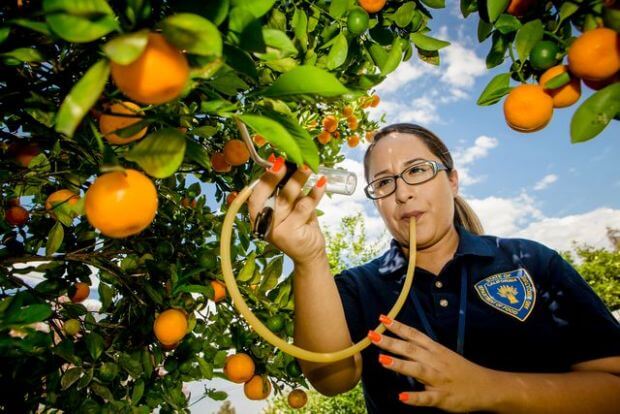
The judge’s decision is so scary because he just indefinitely suspended important work by state officials to curtail invasive species, including the Asian citrus psyllid.
…
California’s Department of Food and Agriculture was trying to stop the Asian citrus psyllid from destroying the state’s citrus trees by spraying pesticide that kill it. However, a number of environmental activist groups sued the state, complaining that the authority to spray the pesticide was improper. The California judge agreed with the decision, shutting down the spraying because the CDFA had not followed all the regulatory requirements, particularly preparing “environmental impact” reports.
…
“The pesticides used are common, have tolerances set that protect people and animals, and are only used in cases of extreme pest danger,” [said Elizabeth E Grafton-Cardwell, Ph.D., Director of Lindcove REC & Research Entomologist University of California Riverside.] “They are not applied to flowering plants and so bees are protected. In most programs, treatments are applied on a voluntary basis and homeowners can individually opt out. The consequence of this ruling is diseases like [citrus greening] will spread much faster. We currently have no cure for [citrus greening], it kills citrus trees and it will devastate not only commercial citrus but residential citrus.”