The lobbying effort to get the FDA out of the way of biotech animals is under way.
…
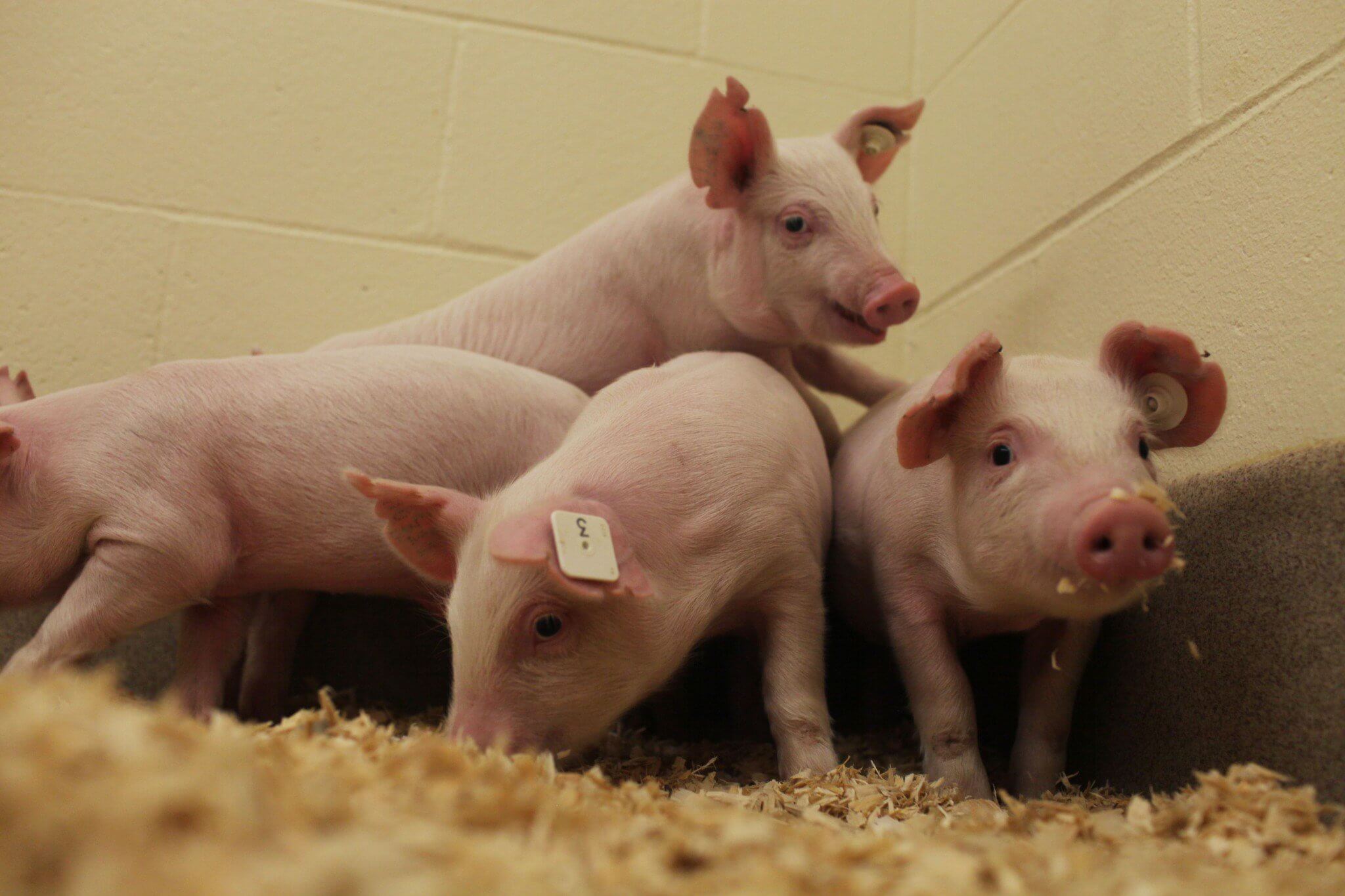
[Recombinetics] is using gene editing, a new kind of precise molecular scissors, to create farm animals with useful properties. Gene editing, unlike its controversial cousin, transgenic modification, tweaks an organism’s DNA but doesn’t introduce any from other species.
Recombinetics and its partners have already used gene editing to make black-and-white Holstein dairy cattle with no horns and male pigs that never reach sexual maturity, avoiding the “boar taint” that can make pork chops unpleasant.
The problem is that right now, the US Food and Drug Administration says it regulates such edits to animals’ DNA as if they were drugs and will demand substantial safety tests. Recombinetics says that makes no sense; hornless cattle made with gene editing, it argues, are identical to what you could get by crossbreeding dairy cows with naturally hornless cattle.
Now MIT Technology Review has learned that industry officials are trying to get the administration of President Donald Trump to solve their problem at a stroke by shifting responsibility for the animals from the FDA to the US Department of Agriculture. That agency has already decided that gene-edited plants (unlike transgenic ones) can be planted and sold in an unregulated fashion.
…
Whatever the U.S. decides to do with biotech animals will have global repercussions.
Usually it takes weeks for scientists to sequence an entire genome. But [neurologist Jennifer] Friedman and her colleagues at Rady [Children’s Hospital] have sped up the process to less than a week, making it much faster to identify what’s wrong with critically ill babies so they can get the treatment they need to recover.
Genetic diseases are the leading cause of death for infants in North America, affecting an estimated 4 percent of newborns. So while the work at Rady is still in the research stage, costing the hospital about $6,000 per baby, the hope is that it could lead to a standard medical test with the potential to save thousands of lives.
…
First they insert snippets of DNA into small glass slides, which are scanned with a laser in a sequencing machine. The machine reads the DNA letters so that the genetic code can be reassembled and analyzed on a computer. Then lab workers use a data-crunching computer chip and a combination of different software tools to spot genetic mutations and identify the cause of illness.
So far, researchers at Rady have used their rapid technique to sequence the genomes of 340 children, most of them newborns and infants.
The negative rhetoric surrounding GMOs, big ag and non-organic food production is due for a reckoning. At some point, many will have to wake up to the reality that their beliefs on food are less rational than they are ideological. And that, in some cases, these beliefs are slowing food production worldwide.
…
“The average consumer may believe that organic is better, but that same person wants his or her tomatoes to last on the counter for an entire week,” said Juan Sabater, a tomato farmer in California. “Yeah, we give our fruits a chlorine bath before they hit the market. Otherwise they won’t look fresh the next day.”
This same farmer tosses into the trash about one third of his harvest because those tomatoes don’t meet the aesthetic demands of the same consumer who has no problem deriding him for using the synthetic pesticides or bleach solutions that make a shelf-life possible.
…
“People think that just because something is organic, it’s better,” said Sabater. “I know of some very toxic organic pesticides. Ones that are very poisonous.”
For at least 2.6 million years, humans and our ancestors have been making stone tools by chipping off flakes of material to produce sharp edges. We think of stone tools as very rudimentary technology, but producing a usable tool without wasting a lot of stone takes skill and knowledge. That’s why archaeologists tend to use the complexity of stone tools as a way to measure the cognitive skills of early humans and the complexity of their cultures and social interactions.
…
[A] team led by anthropologist Željko Režek of the Max Planck Institute for Evolutionary Anthropology decided to study whether the length of the sharp, working edge of stone flakes changed over time relative to the size of the flakes. A longer, sharp edge is more efficient and takes more control and skill to create.
…
Režek and his colleagues measured the edges of more than 19,000 stone flakes from 81 groups of artifacts from sites in Africa, southwest Asia, and Western Europe.
…
The ability to adapt technique to context is actually pretty sophisticated, and that may be what’s behind the increase in variation among flake edges over time. Looking broadly at all these sites, it appears that human culture got better at producing sharp stone flakes over time, even as hominins apparently learned to vary the results as needed.
Bayer’s on [March 13] secured conditional approval from China’s commerce ministry for its planned acquisition of the world No. 1 seed company Monsanto, chalking up a victory in the onerous struggle to win over watchdogs across the globe.
The ministry also ordered the German drug and crop chemicals maker to spin off some businesses globally, including vegetable seeds, corn, soybean, cotton, and herbicide, according to a statement posted on the ministry’s website.
…
Bayer was in the frame to win conditional antitrust approval from the European Union for the $62.5 billion deal.
Bayer said at the time that the U.S. review was not as far advanced as EU’s, but it was confident it would make progress there over the next few weeks.
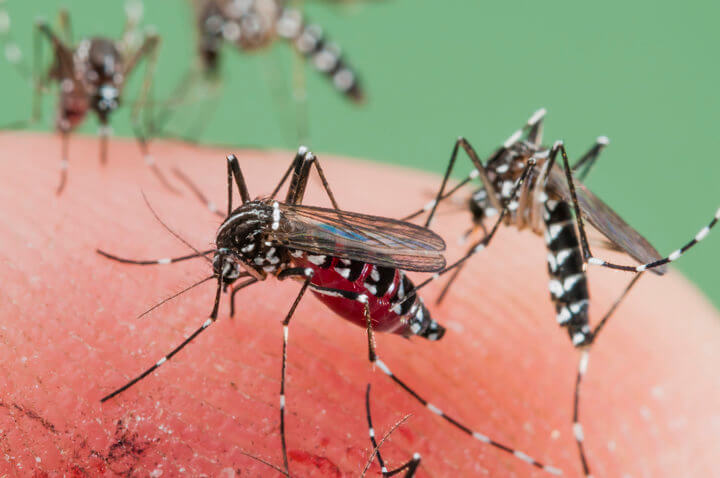
Swatting at mosquitoes is a great start, but if we really want to cut down on the hundreds of millions of malaria cases they cause every year, we’re going to need some more effective weapons. Now, researchers from Johns Hopkins have used the CRISPR/Cas9 gene editing tool to engineer mosquitoes that are highly resistant to the malaria parasite, by deleting one specific gene.
…
The new study, conducted by researchers at Johns Hopkins Bloomberg School of Public Health, targeted a gene called FREP1. This gene encodes for a specific immune protein that, for reasons not fully understood, helps the malaria parasite survive in the mosquito’s gut. By snipping out FREP1 using the genetic scissors of CRISPR/Cas9, the team was able to reduce the likelihood of the malaria parasite surviving long enough to mature to the stage where it can harm humans.
…
The genetic edit wasn’t perfectly neat though…If the modified mozzies were released into the wild in this state, natural selection could wipe them out before they got the job done.
Once those kinks are ironed out, the genetically-modified mosquitoes could be released into the wild to spread their malaria resistance through the natural population. The researchers think that this could be a viable strategy, since the gene edits they’ve performed don’t impact the insects’ ability to survive and breed.
As a plant geneticist in Europe, I must carefully pick my way through some of the most onerous constraints to scientific and technological developments ever devised by politicians and policymakers.
However, I’m now encouraged by what could be a landmark opinion for the European Court of Justice that could pave the way for new techniques in crop biotechnology to be used with more freedom. Let me explain.
The European Union has the world’s most restrictive and cumbersome regulations on genetically modified (GM) crops. As a result, only two GM crops have ever been licensed for cultivation in Europe, and one of those, the Amflora potato, was subsequently withdrawn because the company that produced and marketed it, BASF, like many others, decided to walk away from crop biotech in Europe.
So, a single variety of insect-resistant maize, MON810, is the only GM crop available to European farmers, and even MON810 is not available everywhere because some Member States impose their own national bans. And this is despite millions of tonnes of GM soybean and maize grown elsewhere in the world being imported into Europe every year, mainly for animal feed.
Europe’s regulations on GM crops were drawn up in the 1990s and early 2000s, culminating in directive GM Food and Feed Regulation (EC) No. 1829/2003. This directive was adopted in 2004, and brought the regulation of GM crop use in Europe under the control of the European Commission.
GM crops can be cultivated or used for food or feed in Europe only with the Commission’s permission, after a detailed and lengthy assessment of health and environmental safety data; and food derived from GM crops must be clearly labelled.
Biotechnologists would like to prevent the formation of acrylamide, a probable carcinogen, which is created at temperatures above 120 °C in foods made from cereals, potatoes, coffee and other familiar crops, notably during baking, roasting and frying
Quite right, you might think.
But approval is extremely hard to obtain, even if the scientific case is compelling. The main reason is that each case comes before a working group with representatives from all 28 Member States, and delegates to this group are notorious for ignoring scientific evidence and voting politically.
As a result, biotech companies have abandoned efforts to develop new GM crop varieties for cultivation in Europe. Instead, they have focused on obtaining permission for GM crops grown elsewhere to be imported into Europe for food and feed.
Directive 1829/2003 defines a genetically modified organism (GMO) as an organism in which the genetic material has been altered in a way that does not occur naturally. This is an extremely broad definition, and it caused problems right from the start.
For example, crop varieties carrying gene mutations induced by radiation or chemical treatment, which had been around since the 1950s, are clearly GMOs as defined in the directive and had to be exempted from the regulations; this was called the “mutagenesis exemption”.
These problems have multiplied over the past decade with the emergence of a raft of techniques that have been given the umbrella term of genome (or gene) editing. These techniques also result in gene mutations, but whereas chemical and radiation treatment cause thousands of random mutations, genome editing causes mutations only in specific targeted genes.
In its most common usage, genome editing produces a “knockout” mutation, effectively making a gene dysfunctional. A technique may involve the use of specially-designed, short DNA molecules (oligonucleotides), or enzymes that can be targeted to make nicks in specific DNA sequences; for instance, you may see references to zinc-finger nucleases (ZFN), meganucleases, transcription activator-like effector nucleases (TALENs) or the CRISPR-Cas9 system.
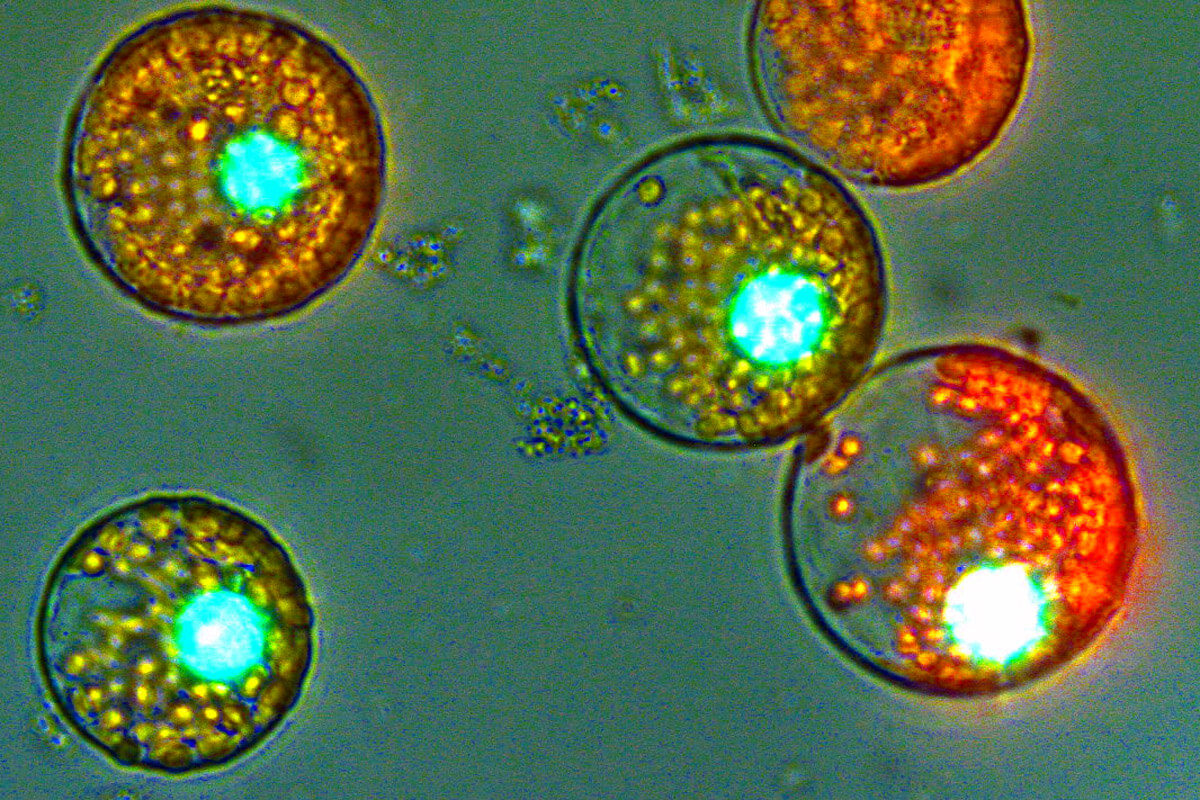
Using CRISPR-Cas9, green fluorescent proteins show genetic transformation in the nuclei of wheat cells (magnified 260 times), in a test to control the asparagine gene that is linked to acrylamide formation (Source: Sarah Raffan/Rothamsted Research)
Some of the techniques may involve a GM step but, once the mutation has been made, the GM transgene can be eliminated while the mutation that it has brought about is retained. In any case, new developments are allowing the GM step to be by-passed.
So, from a scientific point of view, the result of genome editing is a mutant, not a GM plant. Furthermore, if crop varieties carrying thousands of random mutations introduced by chemical or radiation treatment are exempt from Europe’s GM regulations, then varieties carrying precise, single mutations introduced by genome editing should also be exempt.
This seems simple enough, but the European Commission has been prevaricating over the matter for years. As a result, the Commission has deterred investment and stymied the application of these technologies for crop improvement in Europe, when they ought to be encouraging the use of all available technologies to safeguard food security, ensure food safety and make European agriculture more sustainable.
Europe risks missing out on a second crop biotechnology revolution.
In contrast, the US Department of Agriculture has already stated that it will not regulate a mushroom that has been genome edited with the CRISPR-Cas9 to make it less prone to bruising, the first case of a genome edited food crop to come before it (albeit a fungus, not a plant).
Argentina and Canada have also developed policies for genome editing, essentially saying that new crop varieties will be assessed on a case-by-case basis rather than under blanket regulations. If there is no new combination of genetic material and no transgenes are present, they note, a genome-edited variety will be considered as non-GM. A similar position has been adopted by Sweden, an EU Member State, pre-empting any European Commission decision.
Earlier this month, an Advocate General of the European Court of Justice, Michal Bobek, issued an opinion on the matter (Opinion Case C-528/16), which ECJ judges are now considering. This opinion is very welcome for raising the profile of this important issue and for coming down on the side of rationality, it seems.
The proceedings were brought jointly by Confédération Paysanne, a French agricultural union, and others. The plaintiffs sought an annulment of the exemption from GM regulations for organisms obtained by mutagenesis.
The Advocate General reasserted that organisms obtained by mutagenesis are genetically modified organisms within the meaning of directive 1829/2003. However, he went on to state that the “mutagenesis exemption” applied to all organisms obtained by any technique of mutagenesis, on the condition that they do not involve the use of recombinant nucleic acid molecules.
In fact, all organisms naturally contain recombinant DNA because DNA recombines during processes such as reproduction; in this instance, we take it that the Advocate General is referring to organisms containing DNA introduced by genetic modification, which does not apply to genome-edited plants.
This opinion could prompt a green light for crop scientists and plant breeders to start using genome editing for crop improvements in Europe. It is an extremely important assessment, and a rare bit of good news for Europe’s plant biotechnologists.
Nigel Halford is a professor and research leader at Rothamsted Research, the UK’s largest and oldest crop and agricultural research center. He has worked with GM plants for nearly 30 years and is the author of more than 140 scientific papers. Follow him on Twitter @Halford1Nigel.
This article was originally published at Rothamsted Research as “Edits, mutations and GM” and has been republished here with permission.
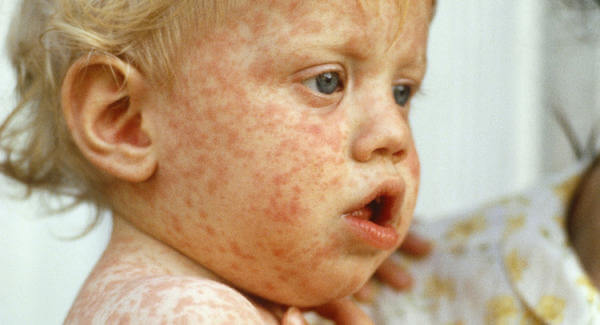
The 2017-2018 flu season is being called the worst since 2009 by the Centers for Disease Control and Prevention, and it may yet outstrip the earlier epidemic. Cases of the flu have accounted for close to 8 percent of all patient visits to a doctor in recent weeks. Perhaps more alarming, the hospitalization rate for these diagnosed patients is the highest since the CDC started recording this data. This year’s dominant strain of H3N2 has been particularly devastating to children, with 84 pediatric deaths to date and roughly 4,000 total deaths per week. The CDC now recommends every child 6 months of age or older get vaccinated.
Although this year’s vaccine provides only an estimated thirty percent protection, one could argue that this makes it all the more important to have widespread coverage. And, yet, a major factor contributing to the present epidemic is low vaccination rates due to misinformation about the risks. In the twenty years since publication of Andrew Wakefield’s fraudulent paper alleging a link between the measles, mumps and rubella (MMR) vaccine and autism, unfounded fears about vaccines have led to reduced immunization rates in certain populations, which are believed to have caused two measles outbreaks: in 2014 among the Amish and in 2014-2015 among visitors to Disneyland. The last few years have also witnessed an increase in preventable infectious diseases among children in France, Italy, and other European countries. While nationally MMR vaccination rates in the US have been consistently around 91 percent, in certain regions of the country they have declined sharply. In the case of seasonal flu, despite the thousands of flu deaths each year, vaccination rates in this country have never exceeded 44 percent among adults and 59 percent among children.
We are conditioned to think in terms of our individual welfare and that of those close to us. But public health requires a different, and often counter-intuitive, kind of thinking – one that focuses on populations. This latter view takes into account the aggregate effects of individual actions, as well as the reciprocal interactions between individuals and the population as a whole. The fewer individuals are immunized against a virus for which there is a vaccine, the more people there will be in our midst from whom to catch it. Conversely, the greater the number of people who get vaccinated, the greater the impact on the health and well-being of countless people in our midst whose names we do not know. This dynamic between individuals and the population forces us to confront the tension that exists in any society (and especially American society) between individual liberties and the collective good. When are we justified curtailing individual liberties in order to keep a population of individuals healthy?
Nowhere is this tension more evident than in the case of vaccinations, for, to be effective, they depend not just on one or two individuals making decisions on their own behalf and that of their loved ones, but on unknown others making their own decisions as well. Before we could have known how severe this season would be, in mid-November 2017, Essentia Health, which employs 14,000 workers in 15 hospitals and 75 clinics in Minnesota, Wisconsin, North Dakota, and Idaho, fired 69 of them for failing to meet a November 20th deadline either to be vaccinated for the flu or file paperwork exempting themselves. The CDC reported that last year’s vaccine rate among health care workers nationwide was 78.6 percent.
Despite sharp criticisms of the firings issued by unions and nursing associations across the country, Essentia did not bargain. As a result of the strict enforcement of its deadline, the company succeeded in getting 99.5 percent of its employees to comply with its vaccination policy, up from 82 percent the year before when Essentia went to a “mandatory” program.
Some of the most vigorous condemnations of Essentia’s arguably draconian policy invoked individual liberties, regarded by many to be the birthright of any American. As Alexis de Tocqueville said of this nation in the early nineteenth century, we are first and foremost “choosers” and “pursuers”; an American who “asks of freedom of anything other than itself is born to be a slave.”
Which is worse: slavery (even in de Tocqueville’s limited sense) or a deadly epidemic? In the field of public health, we tend to assume that if there is a conflict, freedom from sickness is the good to be valued over all other goods, but should we be so sure?
The question of immunization highlights the reciprocal interplay between the individual and society, that is, the inescapable degree to which a population’s resistance to a deadly disease (for which there is an effective vaccination) depends on not just what my neighbors, but also strangers, decide to do. This is the phenomenon of “herd immunity,” whereby a contagious disease ceases to spread within a population only if a high enough proportion of individuals become immune to the disease, usually through vaccination. So a crucial question arises in the context of a spreading disease: what are the consequences of free choice? And what is the most effective way for a populous herd to hear the key information regarding vaccination, its risks, and its benefits?
One proposal put forward recently by Richard Thaler and Cass Sunstein to address the tension between individual liberty and the common good goes by the name of “libertarian paternalism”: a strong nudge in the direction of proactive measures but stopping short of any compulsion backed by severe penalties. Such an approach would have earned Essentia 82 percent compliance, but not this year’s 99.5 percent. By Thaler and Sunstein’s reasoning, the goal of herd immunity is to be balanced against the good of non-compulsion. Will such a balance, however, be adequate to protect the public’s health? Answering as an honest broker requires raising some difficult empirical questions: How fatal or devastating is the disease in question? How effective is the vaccine for it? How realistic is a vaccination policy that relies on mandated compliance? And, finally, have good faith efforts been made to educate the public? At some point in the analysis it becomes clear that, although herd immunity is the ultimate goal, in order to get there, public health policy vis-à-visimmunization must also be heard and understood.
There are critical unknowns, as is usually the case in the field of medical ethics. A “nudge” of the sort Thaler and Sunstein advocate might work for a particular flu season, but may be an inadequate response to the most virulent seasons in combination with a recalcitrant public. Ultimately, we will have to determine if Essentia’s approach, which is geared to healthcare workers, is also an effective model for encouraging hearing — or inducing deafness — in the general public. What seems clear is that one way or another we, as a society, will have to come to terms with our connectedness to one another in a way that protects our health, and, at the same time, preserves our character.
Andrew Flescher is a professor of Family, Population, and Preventive Medicine and a professor of English at Stony Brook University and the author of “The Organ Shortage Crisis in America.”
Like many biologists, [Emma] Hammarlund wondered why it took so long for complex animals to emerge — and why, when they finally did, it happened so suddenly. One of the leading theories about this hotly debated question holds that a skyrocketing rise in atmospheric oxygen around that time triggered what’s known as the Cambrian explosion.
…
[Stem cells] reside in more oxygen-rich niches, such as the retina and the skin. Cancers have stem cells, too, which help drive a tumor’s formation and growth, and those cells are resilient in the face of oxygen. Påhlman and Hammarlund figured that if they could determine how our bodies and malignancies preserve those stem cells despite the oxygen, they might be able to explain how early animals solved their own oxygen problems millions of years ago.
So they focused on a family of proteins called hypoxia-inducible factors (HIFs), chief among them the protein HIF-2α. Its activity is heavily implicated in cancers of the kidneys.
…
[T]he link between HIF-2α and tumor formation is rooted in the protein’s evolutionary role in maintaining the states of stem cells. “Maybe cancer is the price vertebrates, which develop cancer more often than invertebrates, pay for the ability to live well in an oxic environment,” Hammarlund said.
…
Clinical trials are currently testing whether inhibiting HIF-2α might be effective in treating certain cancers.
University of Maryland researchers have pulled together forty years of data to quantify the effects of Bt field corn, a highly marketed and successful genetically engineered technology, in a novel and large-scale collaborative study. Other studies have demonstrated the benefits of Bt corn or cotton adoption on pest management for pests like the European corn borer or cotton bollworm in corn or cotton itself, but this is the first study to look at the effects on other offsite crops in North America. By tracking European corn borer populations, this study shows significant decreases in adult moth activity, recommended spraying regimens, and overall crop damage in vegetable crops such as sweet corn, peppers, and green beans. These benefits have never before been documented and showcase Bt crops as a powerful tool to reduce pest populations regionally thereby benefitting other crops in the agricultural landscape.
Bt corn was first introduced and adopted in the United States in 1996 and is a genetically engineered crop (or GE) that makes up over 80% of our current corn plantings. In this study, Dr. Galen Dively, Professor Emeritus and Integrated Pest Management Consultant in the Department of Entomology, and Dr. Dilip Venugopal, UMD Research Associate, use data from 1976 – 2016 to look at trends twenty years before and twenty years after adoption of Bt corn. “Safety of Bt corn has been tested extensively and proven, but this study is about effectiveness of Bt corn as a pest management strategy, and particularly benefits for offsite crops or different crops in different areas than the Bt field corn itself,” explains Venugopal.
“This is the first paper published showing offsite benefits to other host plants for a pest like the corn borer, which is a significant pest for many other crops like green beans and peppers,” says Dively. “We are seeing really more than 90 percent suppression of the European corn borer population in our area for these crops, which is incredible.”
…
“This study ultimately shows the importance of evaluating GE crops beyond the field that is being planted. These products and the new advances coming down the pipeline have the potential to suppress major pest populations just like Bt corn has. This is just the beginning, and we need to be quantifying these effects. I am excited by these results and encouraged for future work,” [said Dively.]
[UMD news release here]
[Jennifer Thomson from South Africa’s University of Cape Town] has been a strong advocate of promoting modern biotechnology in Africa for its potential in helping the continent overcome hunger and poverty. The first woman to head a department in the Science Faculty at the University of Cape Town, she has written a number of peer-reviewed papers and authored books about genetically modified (GM) crops. Jennifer is also a well-known speaker about GM crops and has addressed the World Economic Forum in Davos twice and the United Nations as guest of then Secretary General Kofi Annan. Her three books, Genes for Africa, Seeds for the Future, and Food for Africa are bestsellers and written with the layperson in mind.
…
What is your vision for Africa’s agricultural productivity?
Thomson: The use of every modern tool that can improve both productivity and nutrient value. If that involves genetically modified crops, indigenous knowledge, artificial intelligence, better use of grey water – no matter – go for what works best. But make sure that technology serves the people, not the other way round.
The fragile X syndrome is the most common form of intellectual impairment in men, affecting 1 out of 3,600 boys. Now, scientists at the Whitehead Institute used the CRISPR/Cas 9 gene editing method to restore activity to the fragile X syndrome gene in affected neurons. Their work, performed on human brain cells in a dish, paves the way for trying the technique on the brain, with the hope that it may treat a host of genetic conditions.
…
The team produced the first evidence that removing methylation, which are molecular tags that keep a mutant gene shut off, can reactivate the gene and restore the fragile X syndrome neurons.
…
The researchers hypothesized that methylation can blanket the nucleotide repeats and shut down the gene’s expression. To test this, postdoctoral researchers Shawn Liu and Hao Wu from [researcher Rudolf] Jaenisch’s lab developed a CRISPR/Cas9-based technique which can add or delete methylation tags from a specific stretch of the DNA. Removing the tags proved to renew the FMR1 gene expression, turning it back into a normal gene.
…
Jaenisch’s team was able to reverse the abnormal electrical activity associated with the fragile X syndrome. Neurons rescued by this procedure were grafted into the brains of mice, with the FMR1 gene remaining active for at least three months. This promises that correcting methylation can lead to a sustained remedy for the disease.
[R]esearchers demonstrated how a gene editing technique, known as Crispr-Cas9, could be used to edit living human cells, raising the possibility that a person’s DNA could be altered much as text is changed by a word-processor. Now, two biotech companies say they plan to start testing the technology in humans as early as this year.
Crispr Therapeutics has already applied for permission from European regulators to test its most advanced product, code-named CTX001, in patients suffering from beta-thalassaemia, an inherited blood disease where the body does not produce enough healthy red blood cells.
…
Editas Medicine, Crispr’s US-based rival, says it plans to apply for permission from the FDA in the middle of the year so it can test one of its one of its own Crispr gene-editing products in patients with a rare form of congenital blindness that causes severe vision loss at birth. If the FDA agrees, it should be able to commence trials within 30 days of the application
…
The field is in its infancy and progress in any new area of science is never smooth. If gene editing lives up to its promise, it could one day save or dramatically change the lives of tens of millions of patients with hitherto untreatable diseases.
The number of monarch butterflies that overwintered in forests in Mexico fell for a second straight year, experts say.
Monday’s count of 6.12 acres of winter habitat is down from the 7.19 acres last winter.
Monarch populations are measured by the number of acres of trees occupied by clustering butterflies that spend the winter in Mexico.
“The decrease is attributed to the presence of two tropical storms and three hurricanes that hit the Atlantic coasts in mid-September 2017 when migration begins,” said Jorge Rickards, head of the World Wildlife Fund in Mexico. “This impacted the number of Monarchs that arrived in Mexico.”
Unusually warm temperatures in the U.S. Midwest and Northeast also caused a late migration and resulted in low occupancy areas in Mexico, Rickards said.
…
In addition to bad weather, illegal logging and habitat destruction are the main threats to the butterflies, according to Rickards. “But how many monarch butterflies arrive to hibernate to the mountains of Mexico depend on how many can survive during their migration route in the United States, Canada and Mexico,” he said.
Increased use of herbicides in the U.S. have hurt the prevalence of milkweed, which monarch caterpillars feed on, risking their survival, the Associated Press said.
In recent years, US society has seen a sea change in the perception of transgender people, with celebrities such as Caitlyn Jenner and Laverne Cox becoming the recognizable faces of a marginalized population…
Yet a biological understanding of the contrast between the natal sex and the gender identity of transgender people remains elusive. In recent years, techniques such as functional magnetic resonance imaging (fMRI) have begun to yield clues to possible biological underpinnings of the condition known as gender dysphoria.
…
One prominent hypothesis on the basis of gender dysphoria is that sexual differentiation of the genitals occurs separately from sexual differentiation of the brain in utero, making it possible that the body can veer in one direction and the mind in another.
…
Other studies have pinpointed characteristics of the transgender brain that fall in between what is typical for either sex—results that proponents of the developmental mismatch hypothesis generally see as support for their idea.
…
For now, as is the case for many aspects of human experience, the neural mechanisms underlying gender remain largely mysterious. While researchers have documented some differences between cis- and transgender people’s brains, a definitive neural signature of gender has yet to be found—and perhaps it never will be.
A former Deputy Agric Minister has urged scientists to simplify the issue of Genetically Modified Organism (GMO) technology for ordinary members of the public to properly understand.
Ahmed Alhassan Yakubu said this is the only way to get Ghanaians to embrace the GMO technology which he describes as a good one, and avoid the negative perception that it is bad for the country.
“The scientific community must wake up to that call of simplifying science for the consumption of ordinary people who do not necessarily have a scientific background,” he said.
…
“I agree that the demand for science to be simplified for everyday understanding is a legitimate demand, particularly that people in society are now more conscious about what product they consume and, therefore, they will always be ready to ask questions,” Alhassan said.
He insisted that GMOs are nothing harmful and would play a major role in helping transform Ghana’s agricultural sector.
Chairman of Alliance for Science Ghana John Awuku Dziwornu who also participated in the panel discussion said farmers in the country including himself are eagerly awaiting the commercialisation of GMOs to help resolve the challenges they face in their work.
Durum wheat is the tenth most important food crop in the world.
…
Yet yields have reached a plateau in recent years. As the world’s population grows, the production of durum wheat will need to increase. And as the climate changes, durum wheat will need to become more resilient. That’s a tall order for a crop with limited genetic variability.
A project initiated in 2014 seeks to re-establish the genetic variability of durum wheat by introducing beneficial traits obtained from wheat’s wild cousins. Crop wild relatives (CWR) are known as a valuable source of genetic variability that can provide a wide range of beneficial genes possessing different traits of agronomic importance. The durum wheat pre-breeding project is one of numerous activities in the 10-year Crop Wild Relatives project, which is supported by the Government of Norway.
…
Ian and Julie King, Director and Research Director of the Nottingham/BBSRC Wheat Research Centre at The University of Nottingham in the United Kingdom, are leading a team that is successfully transferring genetic variation from wild relatives into bread wheat. The experience they have gained in their bread wheat project made them ideally suited to lead the durum wheat pre-breeding project. The team has now embarked on a project to develop durum varieties with enhanced genetic variability and adaptability to a wide range of stresses.
A lost Viking settlement known as “Hóp,” which has been mentioned in sagas passed down over hundreds of years, is said to have supported wild grapes, abundant salmon and inhabitants who made canoes out of animal hides. Now, a prominent archaeologist says the settlement likely resides in northeastern New Brunswick.
…
Based on the research, “I am placing Hóp in the Miramichi-Chaleur bay area,” Birgitta Wallace, a senior archaeologist emerita with Parks Canada who has done extensive research on the Vikings in North America, told Live Science. Hóp, she said, may not be the name of just one settlement, but rather an area where the Vikings may have created multiple short-term settlements whose precise locations varied from year to year.
…
Wallace found that northeastern New Brunswick is the only place that meets all the criteria in the sagas for Hóp: It contains wild grapes and salmon, barrier sandbars and a native population that used animal-hide canoes. “New Brunswick is the northern limit of grapes, which are not native either to Prince Edward Island or Nova Scotia,” said Wallace, noting that grapes were not found in Maine, either.
…
While Wallace can narrow down the location of Hóp, finding the actual site(s) will be difficult and perhaps impossible, Wallace said.
In November 2017, the U.S. House of Representatives Committee on Science, Space and Technology sent the UN’s International Agency for Research on Cancer (IARC) a letter raising questions about scientific bias, secrecy and corruption at the agency.
…
[I]t’s not just IARC’s overall approach that raises questions. As investigative journalists David Zaruk and Kate Kelland discovered, serious allegations have also been raised regarding the integrity of IARC’s review process.
These include troubling evidence that IARC deleted or manipulated data – and covered up major conflicts of interest by agency panel members who were employed by environmental activists and mass tort plaintiff attorneys who are targeting the very chemicals the panelists were reviewing and judging.
IARC’s latest quarry is glyphosate, the world’s most widely used herbicide. The principal ingredient in the weed killer RoundUp, glyphosate is vital in modern agriculture, especially no-till farming.
The European Food Safety Authority, European Chemicals Agency, German Institute for Risk Assessment, US Environmental Protection Agency and other experts all found that glyphosate is safe and non-carcinogenic. So did the 25-year, multi-agency US Agricultural Health Study (AHS), which analyzed data on more than 89,000 farmers, commercial applicators, other glyphosate users and spouses.
…
This is not science. It is corruption, distortion, and fraud supported by our tax dollars and used to get important chemicals off the market.
Editor’s note: Paul Driessen is a senior policy advisor with the Committee For A Constructive Tomorrow and Center for the Defense of Free Enterprise