Opponents to the GMO issue generally believe there is something sinister about how science “dangerously manipulates organisms” for use in agriculture … They adamantly claim that GMOs are a cause of concern for the environment as well, despite overwhelming scientific research that shows otherwise. While it may be true that some concern, such as herbicide resistance in weeds and the involvement of multinationals, are not without risks, they are not specific to GMOs alone.
…
[T]alking about the dangers … is appealing because if it were true that genetically modified organisms were a threat to human life it, might explain a plethora of unresolved issues, like claims that genetically modified organisms are responsible for mysterious and even assumed illnesses, or a culprit that negatively affects the environment. Liken it to any good conspiracy theory; it seems to explain the things we do not understand. Believing untrue claims about GMOs fits well into the fears of the misinformed; things we do not fully understand we seldom trust, and therefore do not support.
Dr. Sheri Jacobson is an accredited psychotherapist who says catastrophizing is what is known in psychology as a “cognitive distortion” — an habitual and unconscious way of thinking that something is not realistic and based instead on misperception. In the case of believing genetically modified organisms are the blight of scientific research, thinking it becomes a case of negative exaggeration, an antithesis, the refusal to believe what can scientifically be endorsed is a falsehood.
You aren’t what you eat, exactly. But over many generations, what we eat does shape our evolutionary path. “Diet,” says anthropologist John Hawks, of the University of Wisconsin-Madison, “has been a fundamental story throughout our evolutionary history. Over the last million years there have been changes in human anatomy, teeth and the skull, that we think are probably related to changes in diet.”
…
Ancient DNA shows how recent this adult lactose tolerance is, in evolutionary terms. Twenty-thousand years ago, it was non-existent. Today, about one-third of all adults have tolerance.
That lightning-fast evolutionary change suggests that direct milk consumption must have provided a serious survival advantage over peoples who had to ferment dairy into yogurt or cheese.
…
These days, it isn’t uncommon to find an entire grocery store aisle devoted to gluten-free cookies, bread and crackers. Yet trouble digesting gluten—the main protein found in wheat—is another relatively recent snag in human evolution. Humans didn’t start storing and eating grains regularly until around 20,000 years ago…
Since wheat and rye became a staple of human diets, however, we’ve have had a relatively high frequency of celiac disease. “You look at this and say how did it happen?” asks Hawks. “That’s something that natural selection shouldn’t have done.”
…
Yet despite the obvious drawbacks of celiac disease, ongoing evolution doesn’t seem to be making it less frequent. The genetic variants behind celiac disease seem to be just as common now as they’ve been since humans began eating wheat.
Nanotech, artificial intelligence, wearables and biological engineering are among the new high tech ways to knock you up, stop your biological clock from ticking, diagnose and manage fertility, and ensure genetic-defect-free babies.
Fertility treatments have been in the news lately more than ever. Senator Tammy Duckworth will soon be the first sitting US Senator to give birth, and has been candid about her multiple rounds of IVF and fertility struggles. Emma Wren Gibson, was frozen as an embryo in 1992 and born in 2017, more than 25 years later. Endless speculation about high-profile celebrity gestational carrier pregnancies sells millions of magazines.
It’s astonishing when you consider that in the 1960s, it was illegal in Connecticut to use any technology that hindered contraception. At the same time, Federal laws also made it illegal to distribute information about contraception. Doctors in the US were effectively prohibited from educating women about their reproductive health. Even explaining how a menstrual cycle worked could put a physician in jail, because women could use that knowledge to refrain from intercourse around the time of ovulation, preventing contraception. It wasn’t until 1972 that the Pill became available to all women, regardless of marital status.
Now, just 50 years later, quantum leaps in technology provide more options than ever. Some of the technologies listed here are well beyond the cutting edge of fertility medicine and research.
Nanotechnology helps sperm swim: Male fertility issues contribute to about half of all cases of infertility. One major cause is low sperm motility, or the sperm’s inability to swim to the egg. Nano-tech motors can slip over a sperm’s tail to propel it next to an egg.
Artificial intelligence and big data: Celmatix uses “big data” and predictive analytics, data points per treatment for more than 200,000 individual treatment cycles, to help physicians recommend the best course of treatment based on what’s worked for patients with similar demographics. A new AI start-up, Life Whisperer, uses artificial intelligence to predict which embryos will create a viable pregnancy, instead of relying on scientist’s subjective judgment.
Three-person embryos: The goal of so-called three-person IVF is to create embryos that have nuclear DNA from a woman (with defective mitochondria) and her partner and healthy mitochondrial DNA from an egg donor. Three-person embryos also have been created in an attempt to reverse the biological clock of older women. A controversial start-up company called Darwin Life is now offering to “rejuvenate” eggs from women by performing spindle nuclear transfer, a procedure that is illegal in the US.
Uterus and penis transplants: In a landmark birth for the United States, a woman born without a uterus recently gave birth to a baby (eight others have been born in Sweden.) In the US the first penile transplant was reported in 2016 in Boston. An international penile transplant recipient has even demonstrated apparent reproductive function. There is a severe shortage of donor organs, therefore, scientists are interested in growing a patient’s own organs. Urethro-genital tract organs, such as the urinary bladder, urethra, and vagina have previously been grown from a patient’s own cells and transplanted successfully.
CRISPR genetic engineered human embryos: Scientists have used CRISPR/Cas9 genetic engineering to prove they could fix a genetic mutation in human embryos that causes the heart muscle to thicken — a condition known as hypertrophic cardiomyopathy, the leading cause of sudden death in young athletes. Other human CRISPR projects are slated to begin clinical trials this year, for example, targeting sickle cell anemia and beta thalassemia.
Growing eggs and sperm: Israeli and UK researchers have created human sperm and egg precursor cells in the lab, starting from a person’s skin cells. This technique could help women who do not ovulate or men who cannot produce sperm naturally, and therefore cannot respond to IVF treatments, and provides hope to millions of LGBTQ couples waiting to create two-mother or two-father embryos.
At-home semen analysis with a smart-phone: The semen analysis is the cornerstone for the diagnosis of male infertility. In one of the first examples of its kind, a sophisticated external micro-fluidics hardware ad-on has been paired with a smart-phone application for diagnostic semen analysis. Many fertility-related smart-phone applications have been making clinical claims, but without having transparent, peer-reviewed results backing them so it’s nice to see that this team provided a rigorously validated study to back their claims.
Vaginal incubation of human embryos to reduce IVF costs: FDA approved vaginal incubators promise to cut the costs of IVF, and allow some patients to skirt around faith-based prohibitions to traditional IVF.
Fertility “wearbables” pinpoint ovulation: Worn through the night, the Ava bracelet looks at nine physiological parameters, and millions of data points, before alerting you via smartphone that it’s the optimal time to conceive. Yono users can fall asleep with a silicon-encased earbud in and don’t need to worry about waking up at the optimum time every day and taking their basal body temperature before moving around to predict ovulation.
Share the cost of an IVF cycle like you share an Uber ride: Glow First is a non-profit that allows app users to pool money for fertility treatments. Users chip in $50 per month for up to 10 months while they’re trying to get pregnant, along with everyone else who’s participating. At the end of that period, those who end up needing fertility treatments are eligible for a portion of the pool.
Carol Lynn Curchoe is a reproductive biologist at the San Diego Fertility Center specializing in molecular and cellular biology and biotechnology. She has a Ph.D. in physiology of reproduction from the University of Connecticut, and writes often about clean energy, genetics and health issues. Follow her on Twitter at @32ATPs.
Here are three startling facts about the planet Earth:
It currently hosts seven and a half billion people.
Its carrying capacity is estimated between eight and ten billion people.
It is expected to host 9.7 billion people in 33 years.
The human population is growing at a rate that is testing the production capacity of the arable land that makes up just 10.6 percent of the planet. That means agricultural practices need to become exponentially more efficient so that every hectare of available land is producing more.
And farmers need to achieve this incredible capacity improvement at a time when climate change is disrupting weather patterns and ecosystems. Unpredictable storms, extreme temperatures, droughts and floods of unprecedented intensity and duration: the crops we plant need to be able to weather them all.
The challenge is daunting, but an unlikely coalition is coming together to ensure that the world is fed by resilient and sustainable food supply chains. Environmentalists, farmers, and big ag companies all see the dangerous limitations of the agricultural practices of past decades, in which the indiscriminate application of chemicals allowed for greater short-term yields and profits at the expense of soil and water health. Tired of chemical runoff, crop losses, and degrading topsoil, farmers are joining environmentalists in looking for solutions beyond chemical fertilizers. And big ag is working with them to leverage technologies that produce better yields without depleting the land so year-to-year production can be relied upon over the long term, even as climates change.
As we transcend the age of chemical agriculture and enter the age of data-driven, precision agriculture, these traditional foes are finding common ground on how to better care for, well, the ground.
Consider theSoil Health Partnership, a farmer-led initiative of the National Corn Growers Association that is supported by big ag players like Monsanto and General Mills as well as environmental groups like The Nature Conservancy and the Environmental Defense Fund. The mission of the partnership is to provide hard data on the innovative management practices farmers are using to improve soil health and create mutual economic and environmental benefits.
Given the inflexible limits on arable land, it makes perfect sense that soil health would be a top priority for farmers, corporations, and environmentalists alike. A report from The Nature Conservancy estimates that “soil managed for agricultural purposes in the U.S. has degraded, losing as much as 60 percent of its original organic carbon content” due to common practices such as monocropping, tillage, plowing and disking. For years it has been possible to overlook the impacts of these practices thanks to ever-increasing reliance on chemical fertilizers. But after releasing hundreds of millions of metric tons of greenhouse gases, losing billions of pounds of nutrients in the soil, and eroding nearly a billion metric tons of soil (to say nothing of the algal blooms and compromised water tables caused by nitrogen and phosphate runoff), the writing’s on the wall: The short-term economic advantages of today’s soil management practices are disappearing as fast as the topsoil itself.
Fortunately, new technology and economic incentives are aligning to make no- or low-till farming, use of cover crops, and other soil-conservation practices not only the right thing to do for the environment, but the most profitable way for farmers to produce consistently improving yields. According to The Nature Conservancy’s report, a move toward sustainable soil health practices on US corn acres alone has the potential to generate billions of annual savings for growers.
Source: The Nature Conservancy
These economic savings for growers go hand in hand with remarkable environmental benefits:
● Mitigating 25 million metric tons of greenhouse gas emissions
● Reducing 344 million pounds of nutrient loss to the environment
● Eliminating 116 million metric tons of soil erosion
● Creating 3.6 million acre-feet of available water capacity in cropland soils
At the high end, The Nature Conservancy estimates that these societal and environmental savings can be valued at nearly $50 billion annually. Paying down so large a debt to future generations, all while providing more robust profits to growers and building strong food supply chains, would be a major victory for environmentalists.
Blue River’s precision fertilizer and herbicide application technology
In view of the potential profits and long-term sustainability made possible by these soil-management practices, big ag companies are smart to pivot from chemical assets to a new suite of technologies that will help growers care for the soil. Advances in genetic engineering, for example, have allowed seed companies to produce corn and soy that express a natural pesticide, keeping millions of metric tons of chemical pesticides off of fields and out of the water system. Major equipment companies like John Deere are focusing on precision agriculture, harnessing the power of big data and remote sensing to create variable rate application technology that reduces harmful runoff and improves yield by automatically adjusting the amount of fertilizer applied based on the needs of precise subunits of a given field. Cutting-edge technologies like robotics and artificial intelligence even have a role to play: companies like Blue River are looking to take precision application of fertilizer and herbicide to a plant-by-plant level, cutting out 90 percent of the chemicals used today. All of these technologies work in harmony with the soil-management practices promoted by The Nature Conservancy and the Soil Health Partnership; indeed, they have the potential to make caring for the soil much more profitable and sustainable.
As with any new alliance, tensions remain among growers, big ag corporations and environmentalists. In order to make progress, this uneasy coalition will need to find ways to compromise and work together. Environmentalists need to weigh their uneasiness with GMOs against the potential to prevent huge amounts of greenhouse gases from release. Big ag needs to fully pivot away from chemical-dependent agriculture, putting serious resources into developing the technologies that will help farmers improve yields sustainably. Farmers need to rethink and be willing to change decades-old practices in order to ensure the long-term health of the land.
But the fact that economic and social incentives are aligning to promote soil health is a good sign that this alliance of growers, corporations, and environmentalists has the ability to work together. If these powerful groups can unify around issues of soil health, the work won’t stop there. The agriculture industry needs to have policies in place for engineering crops that are future-proof in the face of extreme weather changes, for promoting the wiser use of water in an era of depleting aquifers, for producing the most food possible on each hectare without disrupting its ecosystem. There will be new crop diseases to cure, new pests to neutralize, new strains on the global food supply chain to overcome. If this alliance can reach consensus on solutions that are both profitable and sustainable, they will usher in a new era of agriculture to care for a hotter, more crowded planet.
Brad Fabbri is chief science officer at TechAccel, a venture and technology development organization focused on agriculture and animal health. He has a PhD in biochemistry and molecular biology from the University of California-Davis. He was a science fellow and technology prospecting lead at Monsanto for nine years. Follow him on Twitter @BJFabbri
In 2017, Health Canada received a submission to allow the sale of a variety of rice, called Provitamin A Biofortified Rice Event GR2E (Golden Rice). This genetically modified rice variety has higher levels of provitamin A and is intended to be sold in countries where diets are typically low in vitamin A. GR2E rice will be grown commercially in major rice-producing regions, primarily in Asia. The International Rice Research Institute (IRRI) has indicated that this product is not intended to be sold in Canada at this time.
In order to determine whether this rice variety could be sold in Canada as food, the scientists at Health Canada conducted a scientific assessment that ensured that GR2E rice is safe for consumption, that the increased provitamin A levels posed no risk to Canadian consumers, and that it still had all its nutritional value. Our scientists also needed to assess how GR2E was developed and whether it can be toxic or cause allergic reactions. The ability of the GR2E rice in helping vitamin A deficiency in affected populations was not evaluated.
Scientists with expertise in molecular biology, microbiology, toxicology, chemistry and nutrition conducted a thorough analysis of the data and the protocols provided by the applicant to ensure the validity of the results.
Following this assessment, it was determined that the changes made in this rice variety did not pose a greater risk to human health than rice varieties currently available on the Canadian market. In addition, Health Canada also concluded that GR2E would have no impact on allergies, and that there were no differences in the nutritional value of GR2E compared to other traditional rice varieties available for consumption except for increased levels of provitamin A.
Health Canada’s assessment of GR2E was conducted according to the Guidelines for Safety Assessment of Novel Foods. The approach taken by Health Canada in the safety assessment of GM foods is based upon scientific principles developed through expert international consultation over the last 20 years with agencies such as the World Health Organization (WHO), the Food and Agriculture Organization of the United Nations (FAO), and the Organization for Economic Co-operation and Development (OECD). The approach taken by Canada is currently applied by regulatory agencies around the world in countries such as the European Union, Australia/New Zealand, Japan, and the United States.
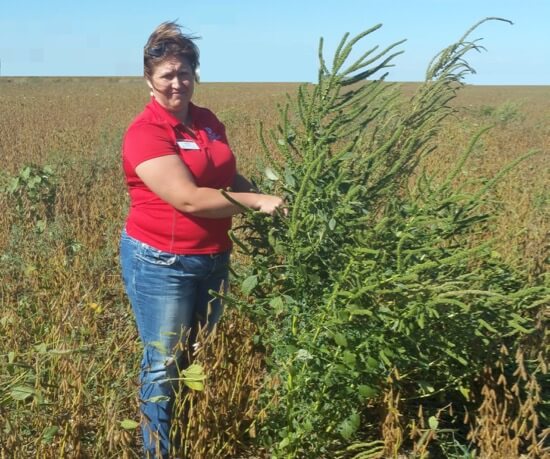
Kansas State University researchers have discovered how weeds develop resistance to the popular herbicide glyphosate, a finding that could have broad future implications in agriculture and many other industries.
“What we found that was new was how these weeds have evolved resistance to glyphosate in such a short time. If you look at the evolution of glyphosate resistance in Palmer amaranth, based on our research, it appears to have occurred very rapidly,” [said Mithila Jugulam, a K-State weed scientist and co-author of the PNAS article].
…
Glyphosate – the key ingredient in the popular Roundup brand – is the herbicide that is widely used for controlling many weeds. But Jugulam notes that glyphosate resistance is becoming more prevalent in many states.
…
[Bikram Gill, director of Kansas State University’s Wheat Genetics Resource Center] said the indications are that once a weed has acquired eccDNA, the resistance may evolve as quickly as in one generation.
…
The research team notes that farmers should incorporate best management strategies – such as rotating herbicides and crops – to reduce weed pressure: “This may allow evolving resistance to dissipate as we know that these eccDNAs and ring chromosomes are unstable and can be lost in the absence of herbicide selection pressure,” Jugulam said.
“Glyphosate has a lot of good characteristics as an herbicide molecule,” she added. “The recommendations that K-State and many others are promoting is ‘do not abuse glyphosate.’ Use the recommended integrated weed management strategies so that we do not lose the option of using glyphosate for the sustainability of our agriculture.”
Read full, original post: KANSAS STATE UNIVERSITY RESEARCHERS MAKE BREAKTHROUGH TOWARD UNDERSTANDING GLYPHOSATE RESISTANCE
UCLA scientists have developed a new method that utilizes microscopic splinter-like structures called “nanospears” for the targeted delivery of biomolecules such as genes straight to patient cells. These magnetically guided nanostructures could enable gene therapies that are safer, faster and more cost-effective.
The research was published in the journal ACS Nano by senior author Paul Weiss, UC Presidential Chair and distinguished professor of chemistry and biochemistry, materials science and engineering, and member of the Eli and Edythe Broad Center of Regenerative Medicine and Stem Cell Research at UCLA.
…
Current gene therapy approaches rely on modified viruses, external electrical fields or harsh chemicals to penetrate cell membranes and deliver genes straight to patient cells. Each of these methods has its own shortcomings; they can be costly, inefficient or cause undesirable stress and toxicity to cells.
To overcome these barriers, Weiss and Dr. Steven Jonas, a clinical fellow in the UCLA Broad Stem Cell Research Center Training Program, led a research team that designed nanospears composed of silicon, nickel and gold. These nanospears are biodegradable, can be mass-produced inexpensively and efficiently, and, because of their infinitesimal size — their tips are about 5,000 times smaller than the diameter of a strand of human hair — they can deliver genetic information with minimal impact on cell viability and metabolism.
Equinox jumped at the chance to offer Halo Neuroscience’s brain-zapping, supposedly performance-enhancing headsets as part of its advanced personal training program at 22 of its fitness clubs around the U.S., beginning this month [March].
Halo’s headsets employ a technology called transcranial direct current stimulation, or tDCS. The idea is to apply a mild electrical current to the brain, resulting, in this case, in improvements in an athlete’s physical prowess.
…
A review of research on tDCS and exercise performance from last year, for example, looked at 12 studies on endurance and found that only eight had positive results. Among the studies that monitored people while they were actually exercising, those results were even lower.
…
Halo disputed that there is a lack of evidence supporting their technology. “There has been over 15 years of peer-reviewed and published research in the field of tDCS,” Mastalir said. “The results have been proven, and thousands of athletes, musicians, surgeons, and the military are using Halo Sport to improve their performance.”
…
The idea that you could zap your brain into better playing on the court is powerful, especially since the technology is backed by real science, albeit science that is still very much in progress. For an elite athlete, any edge, even if it’s one generated by a placebo effect, is valuable.
Bayer AG’s plan to win antitrust approval for its takeover of Monsanto Co. hasn’t satisfied U.S. officials who are worried the merger could hurt competition, according to two people familiar with the matter.
The Justice Department’s antitrust division doesn’t think Bayer’s proposal to sell businesses goes far enough, said the people. The government wants the German chemicals company to divest more assets to resolve its concerns, said one of the people, who asked not to be named because the investigation is confidential.
Negotiations between the two sides are continuing and a final decision by the government is probably months away, the person said. Talks have been constructive as Bayer has taken steps to address the government’s concerns, the person added.
…
Bayer’s $66 billion takeover of St. Louis-based Monsanto is part of a wave of consolidation that has swept seed and crop-chemical firms. The companies are seeking approval from U.S. and European officials after two previous deals – the combination of Dow Chemical Co. and DuPont Co. and China National Chemical Corp.’s takeover of Syngenta AG – won antitrust clearance.
Have you ever found yourself standing in the supermarket, wondering how to justify forking out $6 per kilo for those organic carrots, when the non-organic variety cost just $2 per kilo?
…
For those buying organic produce for health reasons, one of the major considerations is whether organic fruit and vegetables are more nutritious than conventionally farmed produce.
It’s difficult to get a clear answer on this. That’s because the nutritional quality of our fresh food varies widely, regardless of whether it’s organic or not.
“You literally can’t pick two apples off the same tree and get exactly the same nutritional profile,” said Dr Liza Oates, who teaches Food as Medicine at RMIT.
…
A review in 2014 found that organic fruit had higher levels of antioxidants than conventionally farmed fruit. But not everyone agrees on the what the results show.
“There’s a lot of natural variation in the nutrition of the food we buy,” said Dr Tim Crowe, a nutrition scientist at Bond University. “Variation from the climate, the soil it’s grown in, and how it’s processed.”
Dr Crowe said next to no research has found that organic food is more nutritious.
…
Dr Crowe’s assessment is that the [Environmental Working Group’s] dirty dozen list is “irrelevant, given the levels of pesticides detected on them are below those of any health concern”.
Scientists have been given a green light from members of the public to press ahead with developing gene editing therapies for life-threatening conditions. People are also broadly in favour of using the powerful technology to stamp out inherited diseases, according to the results of a Royal Society survey.
…
“People have told us that they are cautiously optimistic about the potential of the new methods for research and applications, but they are understandably concerned about the risks, and the ethical and social implications.” [said professor Robin Lovell-Badge]
…
“Working out what we as a society find ethically acceptable requires open and inclusive debate involving many voices – and any decisions as to their use should not be left to scientists and clinicians alone, but involve all sectors of society.”
Of the survey participants, 83% believed using gene editing to conquer incurable devastating disorders such as muscular dystrophy would be positive for society.
Almost the same proportion, 82%, had no qualms about the technology being brought to bear on conditions such as leukaemia for which other treatments are already available. Nearly three quarters (73%) were happy for gene editing to be used to treat arthritis and other non-life threatening conditions.
A total of 69% drew the line at cosmetic gene alterations affecting appearance, while 60% felt the same about editing higher intelligence or other abilities such as athletic prowess into people’s DNA.
Those who survive [a heart attack] are often left with permanent heart failure – a group which includes approximately 450,000 people in the UK. Within the five years following an attack, 50% of them will no longer be alive. “Eventually their hearts become so weak that they can’t sustain sufficient blood flow and they just stop altogether,” says Sanjay Sinha, a cardiologist at Addenbrooke’s Hospital, Cambridge.
But even within the next five years, regenerative medicine may provide a radical new alternative: growing live, beating ‘heart patches’.
…
These tiny, beating pieces of heart muscle, each less than 2.5 sq centimetres (0.5 square inches) in area and half a centimetre thick, are made in small dishes in the lab. Grown over the course of a month, the patches are made by taking blood cells and reprogramming them into a particular form of stem cell which can be converted into any cell in the human body – in this case heart muscle cells, blood vessel cells, and the epicardium, the membrane around the heart which gives it its shape. These clusters of heart cells are then grown in a special scaffold which organises and aligns them into a formation resembling real heart tissue.
…
Sinha is currently preparing to trial the patches, first in mice and then pigs. If all goes to plan, in five years he may be ready to conduct a first human trial.
While the majority of traditional row crop acres are genetically engineered (GE), there are not many specialty crops that incorporate the breeding technology. However, there are a few and there are other GE specialty crops waiting in the wings that would bring important benefits to growers.
…
As the Florida citrus industry enters its second decade fighting the plague of greening, GMO technology could be getting closer to providing breakthroughs in fighting the disease. Jude Grosser, a Professor of plant cell genetics at the UF/IFAS Citrus Research and Education Center, has a breeding program dedicated to finding a citrus tree tolerant or resistant to greening.
…
[Manjul Dutt, a UF/IFAS Horticultural Scientist] has developed a transgenic Carrizo rootstock expressing early flowering genes (18-month-old seedlings flower and set fruit). They are testing grafting hybrids from the breeding program on the rootstock to see if it is possible to speed up the breeding process.
[T]he hurdle of consumer perception must be dealt with before bringing the technology forward to benefit the public and the environment. Hutton says it is difficult to say if growers would be willing to adopt the technology with strong the anti-GMO perception that persists today.
Read full, original post: GMO Solutions Waiting in the Wings for Specialty Agriculture
The observation that the human brain churns out new neurons throughout life is one of the biggest neuroscience discoveries of the past 20 years. The idea has captured immense popular and scientific interest—not least, because of hopes the brain’s regenerative capacity might be harnessed to boost cognition or to treat injury or disease.
…
But new findings in humans, reported online in Nature on Wednesday [March 7], pump the brakes on this idea. In a direct challenge to earlier studies, the authors report adults produce no new cells in the hippocampus, a key hub for processing memories.
…
[Neuroscientist Arturo] Alvarez-Buylla’s team examined 59 human brain samples ranging in age from fetal stages up to 77 years, obtained either postmortem or during brain surgery.
…
They found clear evidence of new neurons forming in prenatal and neonatal samples, but this fell off sharply within the first year of life. By ages seven and 13, only a few isolated young neurons appeared. In adult samples the researchers found no new neurons.
…
[O]thers argue it is too early to change course based on the new results. Jonas Frisén, senior author of the 2013 study, stands by his original findings. “Since it is a rare phenomenon they are looking for, they may just not have looked carefully enough,” he says.
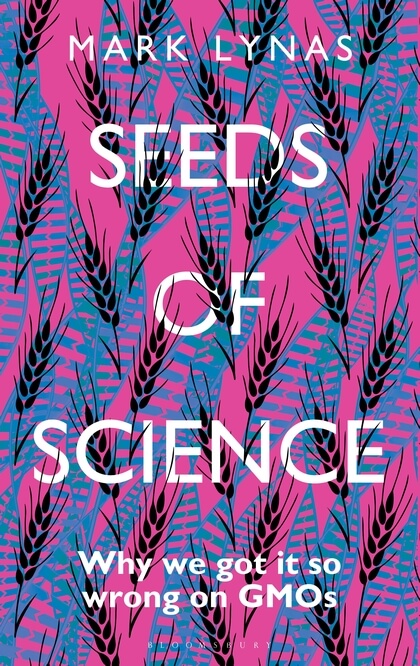
Environmental campaigner [and journalist] Mark Lynas is set to release a new book next month which details his enlightening journey working behind the scenes with other ideologically driven activists – breaking the law and driving the grass roots campaign against farm biotechnology.
It shows how he reached a metaphysical crossroads after “discovering science” which prompted his change of mind on GMs, in order to maintain credibility as an evidence-based thought-leader and climate change author.
“As the economist J. M. Keynes is supposed to have said: ‘When the facts change, I change my mind. What do you do sir?’,” he wrote in the new book.
…
His book, ‘Seeds of Science: How we got it wrong on GMOs’ adds to a growing list of publications including ‘Six Degrees: Our future on a hotter planet’ which won the 2008 Royal Society Science books prize.
In his new literary work, Mr Lynas talks about one of the strangest experiences he encountered during his time as an anti-GM campaigner, which started in the mid-1990’s, where a small and secret group planned what would have been “our most daring action of all, had it come off as intended”.
…
“We had decided to steal science’s first cloned farm animal, the world-famous Dolly the sheep.”
A gene editing technology called CRISPR/Cas9 repaired 20 to 40 percent of stem and progenitor cells obtained from sickle cell disease patients, scientists report, suggesting such an approach might offer a way of treating this disease.
Sickle cell anemia is the most severe type of sickle cell disease, which is a group of inherited conditions that affect hemoglobin, the molecule in red blood cells that transports oxygen throughout the body. A single mutation in the gene that helps to make hemoglobin alters red blood cells to a sickle, crescent shape. These cells die prematurely, leading to anemia, and may also get stuck in small blood vessels, blocking blood flow.
…
Researchers injected these altered cells into the bone marrow of mice with defective immune systems and determined how many retained the edit after 19 weeks. “The rate of repair remained stable, which is great,” [said Gang Bao, PhD, a member of the research team and a bioengineer at Rice.]
…
Regarding their clinical significance and whether repairing as much as 40 percent of the cells is enough to cure the disease, Bao noted that more work is needed. “We’d like to say, ‘Yes,’” he said, “but we don’t really know yet. That’s something we hope to learn from an eventual clinical trial.”
A lawsuit claiming Monsanto Co.’s popular weed killer Roundup causes cancer was dealt a blow by a judge’s conclusions that the opinions of the experts testifying against it are “shaky,” a potentially devastating development for the case getting to trial.
U.S. District Judge Vince Chhabria is the first judge to weigh in on the toxicity of the world’s most popular herbicide, the subject of a heated debate among scientists and regulators worldwide for more than 30 years. Any key witnesses who are cut from the lineup may profoundly shape the outcome of more than 300 lawsuits collected before the judge — all the cases in federal courts that seek to hold Monsanto liable for its failure to warn about the risks of using Roundup
The San Francisco judge heard from about a dozen witnesses including toxicologists, statisticians and an oncologist. But he took an especially keen interest in a couple of epidemiologists who study how humans contract disease.
“I do have a difficult time understanding how an epidemiologist in the face of all the evidence that we saw and heard last week” can conclude that glyphosate “is in fact causing” non-Hodgkin lymphoma in human beings, he said [March 14]. “The evidence that glyphosate is currently causing NHL in human beings” at current exposure levels is “pretty sparse,” he said.
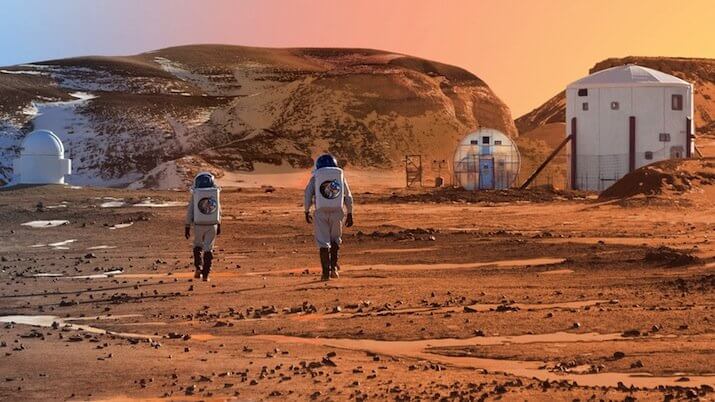
When futurist entrepreneur Elon Musk discusses his vision for Mars colonization, he speaks about delivering 80,000 settlers initially, and eventually millions to the Red Planet. That’s very different from most other well-publicized Mars colonization advocacy groups, like those of the Mars Society, or Mars One, whose plans are for transporting much smaller populations to the Martian surface with the idea that this will eventually stimulate a gradual increase in colonists from Earth.
Whether any of these plans come to fruition is somewhat doubtful—Mars One has been criticized as being nothing more than a reality TV show. But its overall strategy of sending just a few pioneers sounds somewhat feasible at least compared to Musk’s given the hardware and fuel requirements of sending anything (or anyone) across interplanetary space.
Sending a handful of people certainly could serve as a proof of concept analogous to America’s Spanish and Portuguese outposts in the early 1500’s, or the English and Dutch settlements in the early 1600’s. In these instances the populations measured in the dozens and would not have amounted to a lasting European presence had they not been followed by thousands of new settlers over the next few decades. But, given our more advanced technology, our level of medicine, the idea that humans could have equipment that will utilize the Martian environment to produce food, air, and other consumables, and the certainty that settlers will not be at war with the Martian equivalent of the Aztecs or Incas—couldn’t a Martian settlement survive long term with just a low number of colonists?
The answer is no—not if the goal is a permanent human presence. Not if the goal is to provide our species with some kind of extinction insurance against planetary disaster on Earth, such as a mega-volcanic eruption, nuclear war, or some other existential threat. Mars setters can use technology to get air and food from the Mars environment, but early European explorers in the New World had access to one natural resource that mid-21st century Mars colonists will not be able to manufacture: a human gene pool.
If we really want Martian colonies, we can’t send just a few Adams and Eves. We can’t set-up a Martian Jamestown of 100 people. Long-term survival will depend on the genetic diversity of a large gene pool, and this means the Elon Musk plan of sending thousands might be the only colonization plan that could work.
Population genetics applied to Mars
A gene pool is exactly what it sounds like. It’s a collection of all the genes of a population, meaning all of the alleles—different forms of genes that children inherit from their parents. A well established principle in population genetics states that a population’s ability to survive over the long term, depends on its adaptability, which depends in the diversity of genes and alleles in the gene pool. Among humans that interbreed on Earth, there is tremendous diversity, but if we pluck out just a small sample of that population and place it on Mars, the genetic diversity of a population descending from those people will be extremely low. It’s called the founder effect, it’s thought to be the reason for the emergence of certain genetic diseases, such as Tay-Sachs and Gaucher disease in Ashkenazi Jews and Ellis–van Creveld syndrome in Amish people, and is one of the main sub-types of a genetic sampling error, called genetic drift, that acts as a force of evolution.
The only way to have no genetic drift is to have a population that’s infinitely large, but large size and high diversity can be enough to work against founder effects and another type of genetic drift called bottlenecking (instead of a small group relocating, the bulk of a population is eliminated, leading a small group).
In human history, there have been many founder and bottleneck events. They have helped to shape evolution of the gene pool of different groups of humans, but they’ve also wiped out populations.
How to keep gene pools healthy
Along with a large starting population with genetic diversity, another phenomenon from population genetics that would be beneficial to a Martian population is gene flow. This is kind of the opposite of genetic drift; it means adding new diversity to the gene pool, which in this case means new immigrants from Earth. This sounds intuitive, and certainly either in the Musk scenario, or in a more modest Mars colony plan, new settlers would be arriving generation after generation. But we’d want to avoid starting off with a low population and reproducing with that even for the first couple of generation. Most people today know that it’s bad to reproduce with one’s cousin.
Castaways from Gilligan’s Island.
To take a more extreme example, imagine a scenario like the 1970’s TV comedy, Gilligan’s Island; seven people are marooned on an island. If they never get rescued, suppose two characters—Ginger and the professor, Gilligan and Maryanne—get together and have children. After a couple of generations, everyone will be homozygous for multiple genes (have two copies of the same allele) as opposed to heterozygous (two different copies). That might lead to a surprisingly high number of redheads (if Ginger’s red hair was natural). But when it comes to recessive (need two copies of disease causing allele) diseases, decreasing the level heterozygosity in a population is also a very serious thing. With a small enough population in just a few generations, diseases would appear that were never even known before, and in studies using non-human animals with short generation times, it’s been demonstrated that low rates of heterozygosity correspond to robustness of the population as a whole. This totally dovetails with the idea that small population size and low genetic diversity put populations at risk.
Quantifying genetic needs for off-world colonies
While all of this may sound speculative, it’s not. It’s based on hard genetics that have been quantified, not specifically for Mars colonization, but for the scenario of humans settling across interstellar space. Portland State University anthropologist Cameron Smith has calculated that for the gene pool of human colony on a planet of another star to be healthy enough to enable long-term survival, a minimum of 10,000 colonists, preferably 40,000, will be needed.
To be sure, Smith’s interstellar scenario doesn’t match perfectly with a Mars colonization setting, in which continuing waves of settlement from Earth can be the norm. Still, the settlement cannot be dragged out too much. From the beginning, the gene pool will have to be large and diverse enough to make the first settlements worthwhile. Otherwise, the settlers will either be returning to Earth and it will be a false start, or the early generations will be on shaky genetic ground and will need to be replenished with new immigrants from Earth anyway. So, along with breathable air, food, our culture, ambition, and technology, human genes will be among the most valued commodity of early Martians.
David Warmflash is an astrobiologist, physician and science writer. BIO. Follow him on Twitter @CosmicEvolution.
Many Americans have concerns about pesticide residues on food – particularly for fruits and vegetables. In contrast with that oft-communicated perception, the safety of our food supply is well documented. One reason for this disconnect is that there are activist groups (non-governmental organizations) that consistently promote the idea that consumers should buy organic versions of certain crops in order to avoid pesticides.
A 2016 study documented how that sort of message induces some lower income Americans to simply avoid fruits and vegetables all together. The truth is that our food supply is extremely safe because farmers are careful to use pesticides in ways that don’t lead to residue problems at the consumer level and because of rigorous regulation followed by farmers over the last several decades.
The common perception of organic as a safer option in this regard is also at odds with reality. The United States Department of Agriculture (USDA), which oversees organic certification, clearly states on its National Organic Program website: “Our regulations do not address food safety or nutrition.” Organic farmers can and do use pesticides from an approved list, but that list is not based on safety criteria. Organic growers are limited to natural chemicals and to a limited list of synthetic materials. As with any crop protection material, the EPA has the responsibility to evaluate and regulate their safe use. That oversight is why consumers can confidently enjoy both conventional and organic foods.
In this post I will describe the testing, regulatory and training systems that are in place in the US to protect consumers from risks associated with pesticide residues. I will also describe the intense monitoring system that demonstrates year-after-year that this system is working.
All farmers face challenges from a variety of pests and although they use a number of methods to manage those threats, pesticides are a critical part of that “toolbox.” The broad category “pesticide” includes certain chemicals that occur in nature as well as various synthetic chemicals. There are also pesticide products based on living biological agents. The responsibility for pesticide regulation is with the Environmental Protection Agency or EPA. It determines how pesticides can be used safely, based on their particular intrinsic properties, and by restrictions on how and when they can be used.
EPA risk assessments
Before any new pesticide product can be sold in the United States, an extensive list of toxicological tests must be performed and reported to the EPA. The company that makes or which will sell the product is responsible for the cost of this testing, but most of the work is performed in contract labs that are closely audited by EPA. The tests evaluate many facets of potential toxicity for human and environmental health, both in terms of short-term effects (acute toxicity via consumption, by skin exposure, by inhalation exposure…) and long-term effects on development, organ health, reproduction, and potential carcinogenicity. In addition, a great deal of data has to be generated to show what happens to the chemical over time on the food, and in the environment in terms of its persistence, movement, and breakdown into innocuous ingredients.
It costs on the order of $286 million and can take more than 10 years to generate all of this required data. EPA then uses these data to conduct an extensive “risk assessment.” Based on that assessment, EPA develops “label requirements” specifying how, on which plants, when, and how much of the pesticide can be used. These risk assessments cover issues of worker safety, environmental impact and also what sort of residues might be left by the time the crop is harvested, and any potential risk to human health.
Pesticide tolerances (or MRLs)
Delicious apples ready for harvest in western Washington this summer.
With regard to pesticide residues at harvest, EPA designs the label requirements to make sure that any residues still present when the food gets to the consumer are below what is called a “tolerance.” (Outside the US this is called an MRL or maximum residue limit). The tolerance is set to insure that there is a substantial margin of safety (typically 100-fold) between the allowed residue and any level to establish reasonable certainty of no harm to humans. EPA then sets limits on how much of the pesticide can be applied and how close to when the crop is going to be harvested so that the tolerance is unlikely to be exceeded when farmers use the product.
These tolerances are very conservative limits and represent such small amounts that they can be difficult to envision. For instance, a tolerance might be five (5) parts per million. That can be visualized as to two drops of water in a five (5) gallon carboy. Some tolerances are set as low as one part per billion (e.g. one drop in 528 carboys). In summary, tolerances are extremely small levels of pesticide residue, set as a conservative standard for human safety, and customized to the specific properties of each chemical.
Training
In order to be allowed to apply pesticides, farmers have to be trained and certified about how to comply with the chemical-specific label requirements. They have to maintain that training through on-going classes.
Is the system working?
Every year, as part of a USDA effort called the Pesticide Data Program (PDP), thousands of food samples are randomly gathered from normal food channels and consumer markets. The samples are taken to labs where each sample is screened for the presence of hundreds of different chemical residues. The data that the USDA generates is transparently published both in raw and summarized form. Year after year, what the data show is that the system is working! The vast majority of samples have either no detectable residues or residues that are below the assigned tolerances – mostly far below.
The fact that a small residue can be detected does not mean it is of concern. Modern analytical chemists have the ability to detect chemicals at very low levels. The reason that the numbers below tolerance are still published is not that they are of concern, but rather as transparent documentation that these products should be of little concern to consumers and regulators. Several governmental agencies evaluate this information each year and confirm that consumers can confidently enjoy their food supply without concern about pesticide residues.
The FDA also has a residue testing program from which it concludes, “Results in these reports continue to demonstrate that levels of pesticide residues in the U.S. food supply are well below established safety standards.” California does its own residue testing and concludes, “California tests show low or no pesticide levels in many fruits and vegetables.” Similar residue testing is conducted in Canada and the EU with equally encouraging results. With this overwhelming body of evidence, how can the fear of residues persist?
What about the EWG “Dirty Dozen List?”
Unfortunately, each year there is an organization called the Environmental Working Group (EWG) that takes the USDA PDP data and grossly misuses it to create a “Dirty Dozen List.” Instead of looking at how detections relate to carefully developed tolerances, EWG essentially treats all detections as significant – an approach that has been completely rejected by independent experts in the field of toxicology. EWG then recommends that certain crops be sought out as organic. Similarly misguided recommendations to purchase organic are published in Consumer Reports. This makes no sense, since organic is not a safety certification. In fact, organic crops often have the same sort of low-level, detectable residues of pesticides as conventional (example data from the US and Canada). This point is conveniently ignored by these organizations.
In conclusion, we have a system in the US that both enables farmers to control pests and which protects consumers so that they can enjoy healthy foods without worrying about pesticide residues.
Steve Savage is an agricultural scientist and consultant whose previous employers include Colorado State University and DuPont. Follow him on his blog, Applied Mythology, or Twitter @grapedoc.






 Consider the