Genetic Literacy Project’s Top 6 Stories for the Week – Jan. 8, 2018

GLP Top Jan


  1. Should it matter if the public is wary of gene editing and human enhancement?Grant Jacobs

  2. Global glyphosate herbicide ban would cause substantial damage to economy and environment, study shows

  3. Even if you don’t believe in God, religion may shape your subconscious thinkingJamin Halberstadt, Brittany Cardwell  

  4. Are seed patent protections abused by Monsanto and other agro-corporations?Andrew Porterfield

  5. Male pregnancy may be closer than you thinkDavid Warmflash

  6. Banning glyphosate: France may replace well-tested herbicide with pelargonic and other more toxic ‘natural’ chemicalsJosh Bloom

To stay up to date on all the news in human and agricultural genetics, subscribe to our daily and weekly email newsletters, and follow us on Facebook and Twitter.

Geneticist Wayne Parrott: Non-GMO label promotes food safety misconceptions

no non gmo

Marketers have learned to never underestimate the power of claiming superiority due to the absence of something.  Nowhere is this trend more evident today than in the popularity of ‘-free’ labels, which have skyrocketed in the food industry.  Food singled out by its lack of given ingredients (artificial dyes, transfats, gluten, high fructose corn syrup, added sugars, preservatives, etc) are eagerly snatched up by consumers.  Most do so out of a conviction that these are healthier products.  A small number of these consumers even like to feel smug about it.  We’ve all met someone like that at one time or another.

Perhaps the most popular ‘-free’ label today is the GMO-free or non-GMO label. However, are GMO-free products truly superior, or are they marketing ploys …?

  • What makes a GMO product different? GMO refers to a process, not a product. GMO is not an ingredient.
  • But, is it safe? Yes, they are as safe as non-GMO foods. Although there is no reason to single-out GMO foods for extra regulation, the precautionary nature of the regulatory system ensures they get extensive testing, while conventional food gets almost none.
  • Is there an upside? Yes, there are several. GMO crops have been particularly efficient at increasing sustainability and decreasing the agriculture’s footprint on the environment.

Read full, original post: Beware of bejeweled watches (and GMO labels)

Could we fight HIV with new Car-T therapy?

red ribbon

The same kind of DNA tinkering that produced the first FDA-approved gene therapy for cancer has shown hints of suppressing and even eradicating HIV infection in lab animals, scientists have reported. Although the study was small—it tested the genetically engineered “CAR” cells on only two monkeys as well as on cells growing in lab dishes—it suggests that after 30 years of fruitless efforts to come up with an AIDS vaccine there might be a wholly new way to get the immune system to fight HIV infection.

To create T cells able to fight HIV, scientists genetically engineered not T cells themselves but stem cells that produce both T cells and other blood cells. The genetic engineering gave the “hematopoietic stem cells” and all of their descendants an HIV-specific CAR: one part of the CAR (called CD4) hunts down and binds the AIDS-causing virus, while an additional surface molecule (called C46) interferes with HIV’s ability to enter a T cell.

The engineered T cells not only destroyed HIV-infected cells in both lab dishes and macaques—they also persisted for more than two years. That suggests that they can “provide long-lasting HIV-killing,” said immunologist Scott Kitchen of the David Geffen School of Medicine at UCLA, who led the study published in PLOS Pathogens.

Read full, original post: Genetically Modified T Cells Might Help Fight HIV

Ancient infant DNA shows Native Americans split from their Asian ancestors 25,000 years ago

ea e ac d e d bdd b f mound builders history timeline

DNA from an infant who died in Alaska some 11,500 years ago is giving scientists the best look yet at the genetics of the ancestors of today’s native peoples of the Americas.

Decoding the infant’s complete set of DNA let researchers estimate the timing of key events in the ancestral history of today’s Native Americans and indigenous peoples of Canada and Central and South America.

Experts said that while the new work doesn’t radically change the outlines of what scientists have thought, it provides more detail and better evidence than what was available before.

The infant girl was buried about 50 miles southeast of Fairbanks, and her remains are the earliest known in the far north of North America, said anthropologist Ben Potter of the University of Alaska Fairbanks.

By comparing the genetic details of the infant to those of genomes from other populations, the researchers were able to estimate the times of key events in the ancestral story of today’s indigenous Americans. For example, they calculated that the ancestors completed their split from Asians by about 25,000 years ago.

Ancestors of the Alaskan girl split away from this group about 20,000 years ago. So her DNA allows a direct glimpse of the ancient population that led to today’s native peoples, said Jennifer Raff of the University of Kansas, who didn’t participate in the study

Read full, original post: Ancient DNA gives glimpse of ancestors of Native Americans

Ugandan anti-GMO activists applaud President Museveni’s rebuke of bill authorizing GMOs

yoweri museveni

Civil society activists have backed President Museveni for rejecting to assent to the Biosafety Bill 2017, saying the move saved the country’s indigenous species and the environment.

The activists from Environment and Food Sovereignty, a consortium of environmentalists and food rights activists, argued that the Biosafety Bill in its current form sought to abolish the local plants, animals and birds that have supported the population for ages.

“We appreciate the President (Museveni)’s attitude of rejecting the Bill so that it can be improved because if it had become law, all the indigenous species would disappear. Having genetically modified organisms (GMOs) will not promote our food sovereignty,” Mr Frank Muramuzi, the executive director of the National Association of Professional Environmentalists (NAPE), said.

Addressing the media hardly a fortnight after President Museveni rejected the proposed law on genetic engineering, the activists also accused the scientists of making false claims that GMOs are climate change resistant whereas not.

Read full, original post: CSOs back Museveni for rejecting Bio-safety Bill

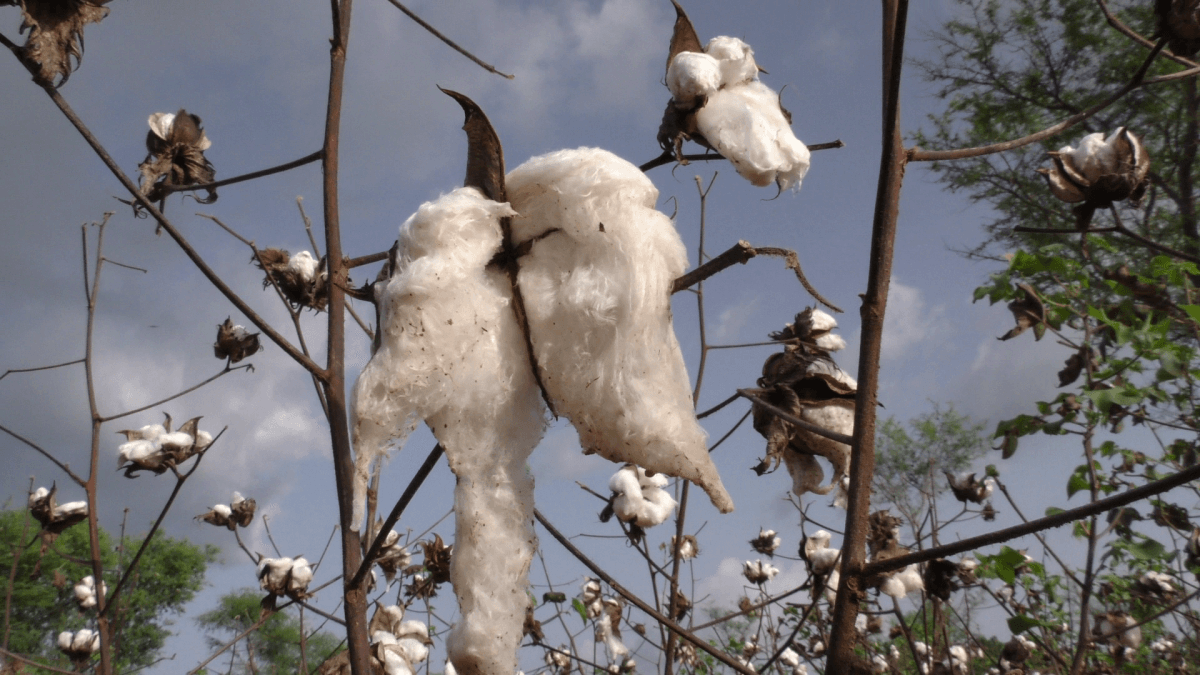
How African nations expect to learn from Burkina Faso’s GMO Bt cotton breeding problems

cotton

Stakeholders in the agricultural biotechnology sector are offering assurances that the problems that prompted Burkina Faso to temporarily halt cultivation of genetically engineered cotton won’t be repeated with GMO crops in other African countries.

The GMO cultivar (Bt cotton) introduced in Burkina Faso in 2008 had been engineered with genes from Bacillus thuringiensis, a soil bacteria, to give it an inherent ability to resist attacks by bollworms — pests that have the potential to destroy up to 90 percent of yield on cotton farms.

The Bt cotton cultivar — introduced by agricultural firm Monsanto — succeeded in controlling pests on Burkina Faso cotton farms, reducing the use of pesticides by up to 70 percent. But challenges associated with the marketability of the shorter fiber length of the cultivar caused authorities in that country to pause planting of the variety in 2015.

Jonathan Jenkinson, Asia Africa Breeding Lead at Monsanto, attributed the problem to the lack of an ongoing Burikina-based breeding program to improve upon the cultivar, which allowed undesired traits like short fiber length to re-emerge.

“What happened is that Burkina had a biotech crop approved,” Jenkinson explained. “They did not have an ongoing breeding program to improve the variety. So what was happening was, the [bollworm resistance] trait was there and it was providing all the necessary benefits, but the varieties that were being released were not new and improved ones every year.” He is convinced the problem would not have emerged if there was a continuous program in Burkina Faso to improve upon the Bt cotton during each of the eight years it was grown in that country.

A number of African countries, including Malawi and Nigeria, are currently undertaking confined field trials of Bt cotton as part of the regulatory process that leads to commercialization.

Read full, original post: Burkina Faso’s GMO cotton mistakes won’t be repeated in Africa, stakeholders say

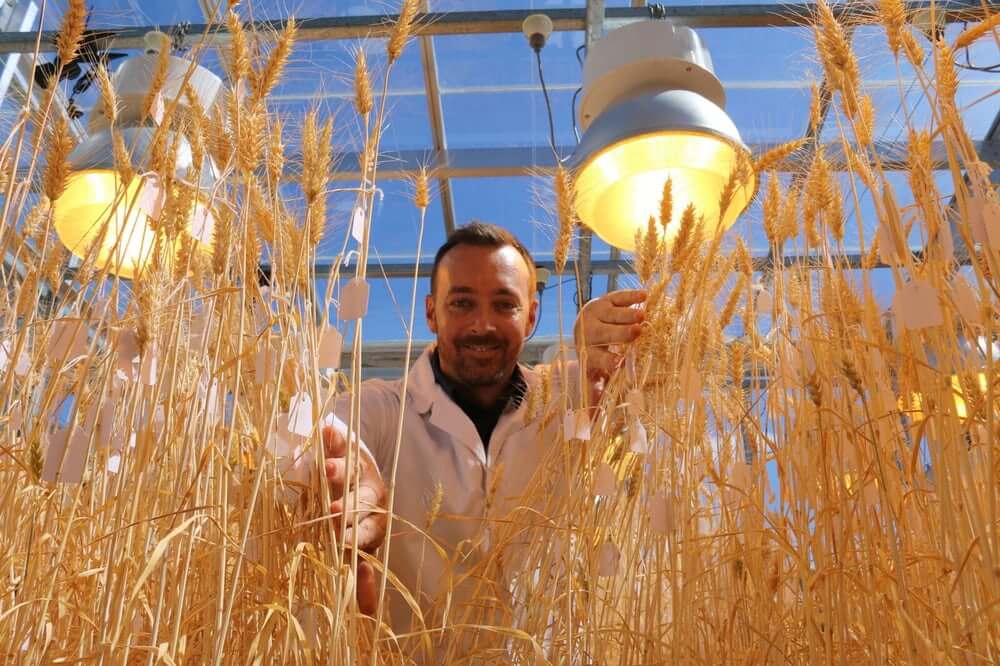
Speed breeding: Researchers show wheat, canola and other key crops can be bred 6 generations per year

speed breeding wheat

Pioneering new technology is set to accelerate the global quest for crop improvement in a development which echoes the Green Revolution of the post war period.

The speed-breeding platform developed by teams at the John Innes Centre, University of Queensland and University of Sydney, uses a glasshouse or an artificial environment with enhanced lighting to create intense day-long regimes to speed up the search for better performing crops.

Using the technique, the team has achieved wheat generation from seed to seed in just 8 weeks. These results appear in Nature Plants.

This means that it is now possible to grow as many as 6 generations of wheat every year – a threefold increase on the shuttle-breeding techniques currently used by breeders and researchers.

Dr Brande Wulff of the John Innes Centre, Norwich, a lead author on the paper, explains why speed is of the essence:

“Globally, we face a huge challenge in breeding higher yielding and more resilient crops. Being able to cycle through more generations in less time, will allow us to more rapidly create and test genetic combinations and find the best combinations for different environments.”

The international team also prove that the speed breeding technique can be used for a range of important crops. They have achieved up to 6 generations per year for bread wheat, durum wheat, barley, pea, and chickpea; and four generations for canola (a form of rapeseed). This is a significant increase compared with widely used commercial breeding techniques.

Read full, original post: Speed Breeding Technique Sows Seeds of New Green Revolution

Nature and nurture: Environment and genes contribute equally to risk of depression

depressed teen

For the first time, researchers have found that the environment you’re raised in is as important as your genes in determining risk for major depression.

In a large retrospective study, researchers looked at depression diagnoses among more than 2.2 million people in Sweden and their parents and found that genetic factors and household environment contributed equally to odds that the illness would be “transmitted” from parents to offspring.

The results – based on comparing adopted and biological offspring from both intact and broken families – contradict many previous findings from twin studies that suggested genetic predisposition plays the larger role in the inheritance of depression, the authors write in JAMA Psychiatry.

Using data collected from January 1960 through December 2016, Kendler and his colleagues analyzed newly available Swedish primary care registries, combined with hospital and psychiatric outpatient records to trace treated major depressive disorder in parents and offspring. They examined five types of families with various combinations of biological or adoptive offspring, intact households, and those with an absent father, a stepfather or both.

The new data indicating that genes are not destiny have a range of implications for research, treatment and child-rearing, experts said.

“This study provides strong evidence to support public policy for covering mental health treatment that includes a combination of drugs and therapy,” [said psychiatry professor Robert Klitzman]

Read full, original post: Nature and nurture contribute equally to depression risk

Saudi Arabia requires premarital genetic screening. How is it working out?

marriage leave saudi arabia

In Saudi Arabia, if you’re planning to tie the knot, there’s a step you must go through that doesn’t happen anywhere else: You have to get a test for genetic disease. Hereditary blood diseases like sickle cell and beta thalassemia are prevalent in this part of the world, where marriage between cousins is common. A new awareness campaign around genetic disorders aims to reduce the spread of these illnesses.

Saudi Arabia made premarital screening and genetic risk assessment mandatory over a decade ago, hoping that if a couple found out they were at high risk of passing on a hereditary disease to their offspring, they would reevaluate their match. Thousands of couples have called off marriages after finding they were “genetically incompatible.” But just knowing their test results, it turns out, has not been enough. Many couples at risk of passing on genetic diseases go ahead and get married, with the expectation that they will have children.

In Saudi Arabia, efforts to push forward into a genetically optimized future have at times clashed with local customs. The successes and challenges of these campaigns in Iceland and Saudi Arabia could provide a future roadmap for the U.S. and other nations, where one day genetic testing could put an end to genetic disease—at least among people who can afford a test.

Read full, original post: Why Saudi Arabia Is Pushing Premarital Genetic Screening

GM Arctic Apple promises to ‘dramatically reduce’ consumer food waste

arctic apple product bag e

I’m an apple loyalist—I pack one as an after-lunch snack nearly every day of the week. So I jumped at the chance to sample this [Arctic Golden apple, the first genetically modified apple available to consumers], at an event hosted by the environmental technology think tank the Breakthrough Institute in San Francisco. The apple was crisp and mildly sweet, and pretty much tasted to me like any normal Golden Delicious apple. But there was one difference: When I let a slice sit on my plate for half an hour, it never turned brown.

[A]ccording to the Breakthrough Institute: “By eliminating superficial bruising and browning, the Arctic Apple holds the potential to dramatically reduce consumer food waste once it enters the market.” … Around the world, almost half of all fruits and vegetables are wasted every year, according to the Food and Agriculture Organization, and that includes a startling 3.7 trillion apples.

[T]he Arctic apples are one of the first genetically modified foods created to please consumers, rather than farmers. …  Many shoppers will probably buy the Arctic apple without any idea that it’s genetically modified. Dana Perls, senior food and technology campaigner for Friends of the Earth, … argues that the effects of eating gene-silenced fruit have not been investigated thoroughly enough. “The Food and Drug Administration and the USDA are not prepared and have not caught up with current genetic engineering technology,” she says.

On March 20, 2015 the FDA concluded that the “apples are not materially different in safety, nutrition, composition, or other relevant characteristics from food and feed from apples currently on the market.”

Read full, original post: Shhhh. The “Gene Silenced” Apple Is Coming.

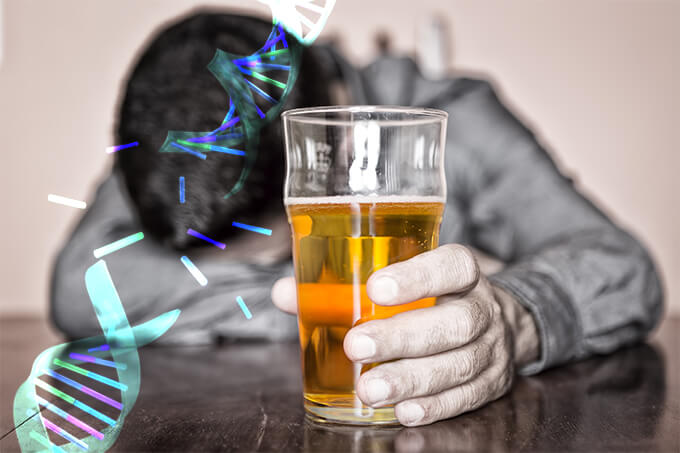
How drinking alcohol ‘snaps’ DNA, raising your cancer risk

drinking large

Drinking alcohol raises the risk of cancer by damaging DNA, scientists have discovered for the first time, leading health experts to call for people to cut down on their consumption.

Now a new study by the Medical Research Council Laboratory of Molecular Biology at Cambridge University, has found that when the body processes alcohol it produces a chemical called acetaldehyde which is harmful to DNA. The damage happens in blood stem cells, which create the red and white blood cells that carry oxygen through the body and help fight infections. The researchers found that acetaldehyde snaps the DNA of stem cells, permanently altering the genetic code and triggering cancer.

Alcohol is linked to seven types of cancer: liver, breast, bowel, upper throat, mouth, oesophagal and larynx. To find out how alcohol damages the body, scientists gave diluted alcohol to mice then sequenced their DNA and analysed their chromosomes. They discovered that drinking causes genetic breaks which rearrange chromosomes, and alter the DNA blueprint which keeps the body healthy. Professor Ketan Patel, lead author of the study and said: “Some cancers develop due to DNA damage in stem cells.

The study also found that some people carry genetic mutations in two genes – aldh2 and Fancd2 – which make them even more susceptible to the effects of alcohol, making drinking far more dangerous.

Read full, original post: Drinking alcohol raises risk of cancer by snapping DNA, scientists find

Balancing cancer detection and finding false positives: Enhancing tumor imaging technology provides guidance

ACB FA C AFED C ECAFC

Many forms of cancer go undetected until a later stage, making them hard to treat and putting patients at greater risk of death. On the flip side, many existing tests provide too many false positives that lead to risky surgeries.

Physicians must therefore strike a careful balance that enables both early and accurate detection to enable longer lifespans for cancer patients. One solution—a clear image of a tumor and its features—is not yet available to doctors, but scientists are working diligently to develop the technology to produce a readable, inexpensive “snapshot.”

[A] group of engineers and doctors at Washington University in St. Louis launched efforts to determine if an imaging-based technique could provide a more detailed view of [breast] cancer and enable women to make an informed decision for treatment options at the onset. This process combines an ultrasound with an additional optical imaging component—diffused near-infrared light. Preliminary findings in a pilot study suggest that, after just a couple of weeks, the technique can show how a patient’s breast tumor is responding to a particular chemotherapy regimen.

Researchers and doctors are studying and striving to deliver non-invasive imaging technologies to enable women to make much more informed decisions about surgery and have a better quality of life. If we can provide a better look, a better image, it might just make for a better future.

Read full, original post: A New Way to “See” Cancer

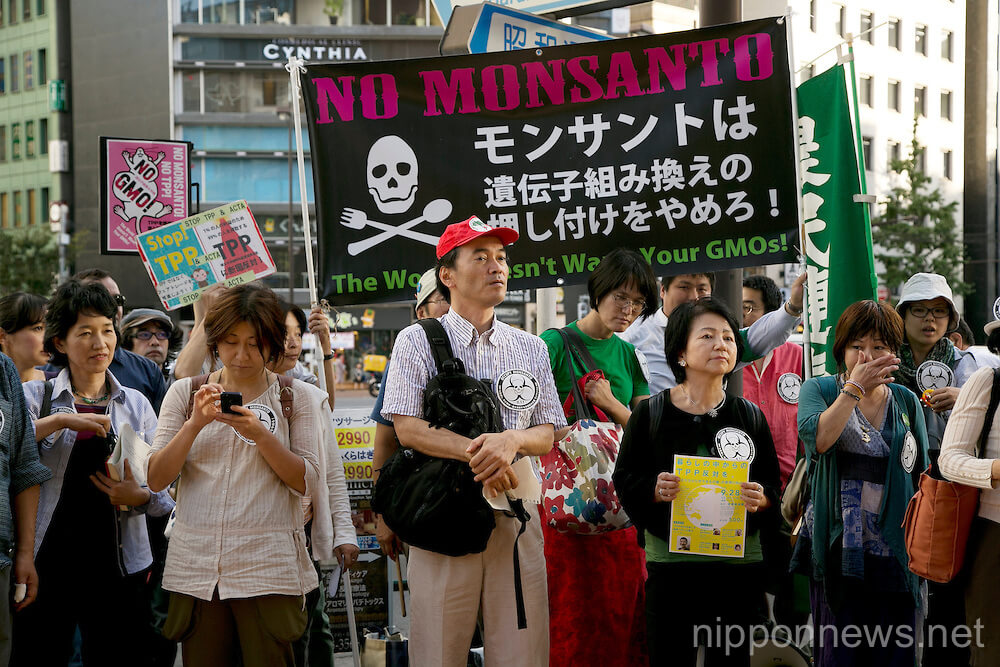
As Japan moves to embrace Trans Pacific Partnership trade agreement, even without the US, GMO issues loom for consumers

no monsanto protest

Consumer groups and farmers in Japan fear the repercussions of the Trans-Pacific Partnership trade agreement (TPP), which is quickly moving forward on the heels of Prime Minister Shinzo Abe’s conference of the other ten nations (including Australia, Canada, Malaysia, New Zealand, Singapore, and Vietnam) now involved in talks.

The story of GMOs in Japan is one that has been largely advanced through citizens and consumer campaigns. Topping the list of groups working on the issue is the Citizens Union of Japan or (CUJ), which has been actively advocating for GMO labeling since the early 1990s, after the Japanese government approved the domestic sale of imported GM soybeans, corn, and other grains.

Along with the CUJ, the Non-GMO campaign has the goal of a GMO-free Japan and like the CUJ opposes Japan’s move to advance the TPP.

Japan scrapped its 1952 Seed Law, which was the legal foundation for Japan’s agricultural experiment stations, in advance of TPP negotiations….

The TPP does not restrict the trade of GMOs and establishes that countries are not required to modify or adopt laws, regulations, or policies to control products of biotechnology.

If the TPP fails to move forward and the other agreements proceed, Japan will lose the opportunity to build strong rules and norms in the region that reflect the values that Tokyo considers important. Consumer groups and farmers opposing the deal are facing an uphill battle.

Read full, original post: TPP Sows Fear in Japan’s Agriculture Industry

Are seed patent protections abused by Monsanto and other agro-corporations?

seeds

For 85 years, the same patent protection that covers all other inventions, from new processes to new machines, has applied to seeds, plants and other agricultural products. It’s been the beating heart of innovation, recognized around the globe. However, anti-GMO activists now steadfastly insist that genetic engineering is using patent protection to stifle innovation and diversity.

Activists claim that patents prevent farmers who use legally protected seeds from being able to keep these seeds from their harvest to be used in subsequent years—which is true. Philosopher and anti-GMO activist Vandana Shiva blames patents for strangling biodiversity.

Corporate-led industrial monocultures are destroying biodiversity, and we are losing access to the food systems that have sustained us throughout time. When we consider the number of patents involved in these initiatives, it becomes all too clear that the only beneficiaries of these supposedly ‘people-led’ ventures are large companies operating for profit — not for people.

Do they have a case?

What have patents wrought?

Patents, or at least some sort of protection from copying somebody else’s invention, go back to at least the Middle Ages. In the United States just after the Revolutionary War, intellectual property protection was written into the new constitution, and almost as soon as the ink had dried on that document, the 1790 Patent Act was passed. The law defined a U.S. patent as “any useful art, manufacture, engine, machine, or device, or any improvement thereon not before known or used.” It granted the applicant the “sole and exclusive right and liberty of making, constructing, using and vending to others to be used” of his invention.

Initially, patent protections were not adopted by agriculture, except in the use of new farming tools. The idea of patenting seeds was not even considered. Until the very early 20th century, farmers did not purchase seeds; there was almost nobody to purchase them from!

Typically, a farmer kept seeds from previous harvests and reused them, or shared seeds with neighbors. They did get some government help, too. As farmers moved west to settle the new United States, the Patent Office and later, the Department of Agriculture, distributed seeds to farmers for free. Between 1890 and 1897, some 10 million packages of seeds were given out. While this practice helped create more predictable production, it did not foster innovation.

Growers of asexually reproducing plants (such as apples, pears or roses) had unique problems. They too, could keep and graft successful fruits onto a new generation of trees, but this process could take years to determine which grafts were the best. In addition, it was a simple thing for somebody to take a new type of fruit and graft it onto a host of trees with no recognition of (or payment to) the original breeder. Nursery owners, then, pressed for passage of what eventually became the first patenting of plants, the 1930 Plant Patent Act.
seeds 1 3 18 2

Harvest of innovation

The Plant Patent Act of 1930 helped usher American agriculture into the scientific age. Gregor Mendel’s paper on genetics had been rediscovered in 1900, but growers and breeders had not yet adopted these ideas to plants. That situation began to change, as protection of inventions allowed innovators to earn enough in royalties, fees and licenses to support seed research and development. Previously, this research was carried out only at land-grant universities, state experimental stations and other government agencies.

This law established patent rights for developers of new varieties of many asexually propagated plants, for example apple trees and rose bushes that are propagated by cutting pieces of the stem rather than by germinating seeds. Tuber-propagated plants, such as potatoes, were exempt from patent coverage because the part of the plant used for asexual propagation was also the part used as food. Similar laws were passed in Europe in subsequent years.

Patent laws were expanded with the 1970 Plant Variety Protection Act to include sexually reproducing plants (most notably, their seeds). This act is a voluntary program that has provided patent-like rights to breeders, developers and owners of plant varieties. The amended act also added protection to potatoes and other tuber crops. The primary purpose of the PVPA is to ensure that developers of varieties would benefit and be able to recover research cost. Without it, the only protection available to breeders was the biological protection of inbreds used for hybrid seed production; hence, the act was passed to encourage the development of new non-hybrid varieties.

Patents today

Without protection of intellectual property, such innovations, in conventional farming as well as in genetic engineering, would be far less likely, due to the ability of copiers to simply take somebody else’s work as their own after the inventor spent years and often millions of dollars in development costs.

Patents on plants are still not as plentiful as patents on other inventions. According to a Department of Agriculture report, more than 18,000 plant patents were granted to inventors between 1990 and 2014. Of those, 6,658 were filed by U.S. corporations, 7,468 were filed by foreign corporations, 1,955 by U.S. individuals, and 1,892 by foreign individuals. In 2014 a total of 1,072 plant patents were granted, compared to 326,000 patent grants in total.
seeds 1 3 18 3For a patent to hold, the innovation must be novel, non-obvious, and usable. Once the US Patent Office has approved a patent application, it holds for between 17 and 20 years, although extensions can be made for further innovations on an original invention. Ironically, one of the most common targets of intellectual property anti-GMO critics, Monsanto’s Roundup-Ready seeds and plants, just lost its patent protection. The University of Arkansas in 2015 released a public version of what was once Roundup Ready soybean seeds, available without fees and for saving and replanting in multiple harvests.

Saving versus spending turned sideways

Patents do prevent farmers from saving and reusing patented seeds, particularly highly productive GMO and non-GMO hybrids, some of which are used by organic farmers. But how many farmers actually save seeds? Or want to save seeds but are denied the opportunity because of the patent laws?

The anti-GMO lobby uses this argument against Monsanto and other patent-holders, claiming that companies and the patents they hold prevent farmers from reusing seeds from their harvests, forcing them into an indentured servitude of sorts wherein they are forced to buy new seeds every year. This meme is also common in the developing world; in India for example, Vandana Shiva and other GM critics contend that the country is awash in suicides because farmers are bullied into buying patented seeds and then cannot afford to repurchase them, prompting a rash of suicides. Shiva is wrong; the evidence confirms that the number of suicides in India has held steady for decades, dating to well before patented and GMO seeds were used in any great numbers.

In the developing world, it turns out that most farmers don’t save seeds, and prefer to purchase new ones each year. Why? Because the hybrids that created a uniform, vigorous crop don’t reproduce as consistently as saved seeds. Subsequent harvests from saved seeds do not show the same successful results as the original hybrids. The genes for desired traits often get reshuffled in hybrid progeny, as seen in this video:

To maintain high productivity, farmers willingly pay the extra cost to use new hybrid seeds each year. If at some point the cost of buying patented seeds exceed the return, farmers would simply stop buying. Bu with technology driving regular improvements in seed quality, this simply will not happen.

These facts put patent infringement lawsuits into a different perspective. Anti-GMO activists cite cases like Bowman vs Monsanto to illustrate what they believe is the harassment of innocent farmers who would have preferred to save seeds for subsequent harvests, and/or were the innocent victims of the wind or the odd grain silo. But the case actually illustrates the opposite of what activist claim. In 2013, the Supreme Court ruled unanimously that farmers could not use Monsanto’s patented genetically altered soybeans to create new seeds without paying the company a fee. SCOTUS ruled that Bowman had in effect stolen Monsanto’s intellectual property and then lied about it.

Andrew Porterfield is a writer and editor, and has worked with numerous academic institutions, companies and non-profits in the life sciences. BIO. Follow him on Twitter @AMPorterfield.



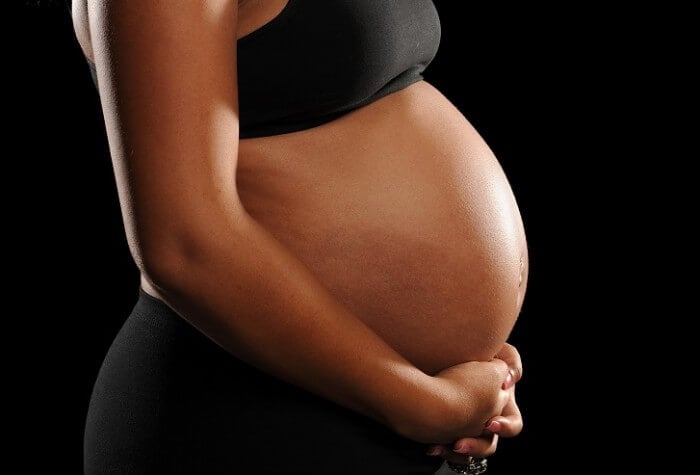
Male pregnancy may be closer than you think

pregnant woman x

If you could have one science fiction idea come to fruition in the next five to 10 years, would male pregnancy be on the list? The 1994 film Junior starring Arnold Schwartezenegger certainly imagined the possibility. It might not be as appealing as warp drive, long-duration suspended animation, or uploading a human mind into an immortal android body, but based on current trends male pregnancy is likely to happen far sooner than any of those. So get ready; the terms “mother” and “father” may take on new usage in the years to come.

How can a man give birth?

In Junior, Schwartznegger’s character is a scientist who made himself the subject of a medical experiment aimed at achieving pregnancy by way of hormone therapy. Since as a man he lacked a uterus, an embryo was implanted onto the wall of the peritoneal cavity, the area inside the abdomen that contains internal organs. Because of the hormone therapy, the embryo developed the way an embryo would in any unintentional extrauterine (outside the uterus) pregnancy in a female. Whenever that happens in a woman, the pregnancy must be terminated, because it is extremely dangerous. In the film, it was intentional and therefore allowed to continue until the fetus was delivered surgically. But it was dangerous nevertheless, and would be dangerous in real life were anyone to implant an embryo into a man or women’s peritoneal cavity.

220px-Juniorposter

In real-life, however, that’s not exactly how it could be done. Instead, the man would be given a uterus of his own. Or her own, since the first uterine transplants to enable “male” pregnancy will most likely be performed on transgender people. Currently, gender-change therapy (culminating in gender reassignment surgery) can provide a man with a body that looks and feels female, with lactating breasts, even a “neoclitorus” reconstructed from penile tissue and enabling orgasm.

Transgender women cannot yet have babies, but transplanting a functional womb is not impossible, explained Karine Chung M.D., who directs fertility preservation program at the Keck School of Medicine at the University of Southern California. “It’s doable, it just hasn’t been done…My guess is five, 10 years away, maybe sooner.”

Baby steps

The logical progression before one transplants a uterus into a man, or a former man, is to transplant one into a woman. That step has been achieved at the Cleveland Clinic in women who were infertile — either because they were born without a uterus, or because their uteri had been resected, due to disease or malformation. In such cases, the transplant is challenging, because on top of the surgery any organ transplant requires medical therapy to prevent a patient’s immune system from rejecting the organ.

Even so, unlike with a male patient, a female patient has the needed blood supply for a uterus present. A female recipient who had her natural uterus resected still has the uterine artery and veins that can be connected to the donated organ to give it a blood supply. Often even a female born without a uterus has these needed vessels, plus there are other anatomic factors. The uterus needs to be supported with pelvic ligaments, plus attachments to the vagina that are not present in transgender women. For all of these reasons, a naturally-born female is a more biologically compatible recipient for a donated womb than someone who was born male, even if no-longer male externally. Logically, therefore, uterine transplantation should be performed first on women and that’s exactlywhere medical science is right now.

That said, there’s no technological or medical reason why a man could not receive a donated uterus. While there are no uterine vessels or pelvic ligaments to connect, such structures could be created. Vessels taken from elsewhere within a man could be utilized to form connections with the internal iliac artery and vein to give the organ a blood supply. Various connective tissue structures can be utilized to create the pelvic ligaments that support the uterus in women.

Who would want the procedure?

As for who will be the first candidates after the infertile women who already are benefiting from this experimental procedure, we could imagine a man opting to do it in the name of science, similar to Schwartezenegger’s character. On the other hand, it seems logical that transgender women will constitute a bigger market.

“I’d bet just about every transgender person who is female will want to do it, if it were covered by insurance,” said Christine McGinn M.D., a plastic surgeon on New Hope, Pennsylvania who is consulting on a film about the early days of sex reassignment surgery. “Human drive to be a mother for a woman is a very serious thing,” she said. “Transgender women are no different.”

Competition from ectogenesis?

Whether insurance companies will actually pay is a big IF, however. Plus, on the horizon is another sci-fi sounding development that also can become technologically feasible: the artificial womb. Known as ectogenesis, the idea is to let an embryo develop in a machine, totally outside the body, all the way to term. Physically, at least, plenty of people, potential mothers and fathers alike may find it more comfortable and may prefer it. Ectogenesis may not provide the experience of carrying the fetus within you, but for early technology adopters, at least, the artificial womb may give womb transplantation a run for the money.

David Warmflash is an astrobiologist, physician and science writer. BIO. Follow him on Twitter @CosmicEvolution.

Scientist raised next to sugarcane farm where controlled burning rampant explains ecological benefits of GMO sugar beets

sugar cane burn flickr gavin fordham

In the early 90s, I lived in Barquisimeto, Venezuela, known for music, art, and its green Valle del Turbio. This valley carried the name of the Rio Turbio that runs through it. … From our home, the beautiful vista looked idyllic, until the sugarcane was harvested.

To harvest the sugarcane, which occurred more than once a year, the farms practiced controlled burning. …

If you have never seen a controlled burn, it’s exactly as you would imagine: the smoke is visible from miles away and the ash rains down from the sky. For those of us living closest to the farm, our homes would be hit by ash that was inches long.

[D]emand for sugar derived from sugar cane is on the rise due to customer rejection of sugar derived from sugar beets, which are often genetically engineered.

GMO sugar beets in the US are tolerant to the herbicide glyphosate. This technology greatly improved the farming of this crop. …

Given the choice of living next to a sugarcane farm again or a sugar beet farm, I’ll gladly pick the latter.

Egypt develops high-yield arid-resistant GMO wheat but activist opposition blocks biotechnology advances

x

Researchers at Egypt’s National Research Center (NRC), affiliated with the Ministry of Higher Education and Scientific Research, obtained a patent for a new [genetically engineered] compound, which includes microorganisms that increases wheat yields in arid and semi-arid regions by as much as 68 percent.

“The new compound would contribute to increasing wheat productivity by making it possible to plant wheat in completely arid lands,” said Wafaa Haggag, head of the Center’s Agricultural Research and Biology Division.

The compound will increase production by reducing stresses on wheat as it grows and increasing the concentration of raw protein and carbohydrates in wheat grains. It will also help to inhibit bacteria and viruses in the soil that attack wheat and increase plant resistance to disease.

Egypt is one of the countries most at risk for desertification due to its climate and geography. Eighty-six percent of Egyptian land is classified as very arid and the other 14 percent is classified as arid. Only four percent of land is suitable for agriculture….

Although their new compound won a patent, NRC researchers are not yet able to produce it because it is currently illegal to manufacture genetically modified products in Egypt.

“To date, there is no legislative law that organizes and regulates the production, circulation and use of genetically modified organisms or the control of genetic engineering research,” said Rasha Ali, a researcher at the Department of Biochemistry for Plant Protection at the National Center for Research. “This keeps all the research in this field in drawers,” she added.

A law was drafted and proposed in 2016, but it has yet to be debated by parliament.

“Egypt’s needs to apply agricultural genetic engineering is of utmost necessity in light of the continuous increase in population, decline in green areas and climate change,” said [Ahmed Murad, a professor and former president of the Agricultural Research Center’s Institute of Food Technology.]

Read full, original post: In Egypt, Genetic Crop Modification Is On Hold

Typing directly from your brain, and other neuroscience technologies to watch in 2018

jbareham v

Here are three fast-moving areas of neuroscience we’ll be watching in 2018:

[S]cientists at Brown University are developing salt-grain-sized “neurograins” containing an electrode to detect neural firing as well as to zap neurons to fire, all via a radio frequency antenna.

Such “stimdust” would be “the smallest [nerve] stimulator ever built,” [researcher Michel] Maharbiz said. Eventually, scientists hope, they’ll know the neural code for, say, walking, letting them transmit the precise code needed to let a paralyzed patient walk.

FA image a
Researchers claim they have developed the world’s first portable brain monitoring system that works as well as laboratory equipment. The feat was achieved by researchers at the University of California San Diego who created a 64-channel wearable brain monitor.


Facebook is moving full steam ahead on its “silent speech” program, said neuroscientist Mark Chevillet, who leads the project. Few people use voice assistants at work: “People don’t like to do it [speak aloud what they want to post] in front of other people,” Chevillet told a conference at the MIT Media Lab. But “what if you could type directly from your brain?” Early testing “tells us this is not science fiction,” he said. “There is signal in there [the brain] that you can harness.”

The three-dimensional [mini-brain] organoids scientists are creating from human stem cells grow functional neurons, distinct layers of cortex, and other architecture that mimics the full-sized version. The technology for making brain organoids is advancing so quickly — just this month, researchers managed to jump-start the process and create brain organoids in a few weeks, rather than months — we can expect 2018 to bring ever-more-realistic versions.


Read full, original post: 3 Brain Technologies to Watch in 2018

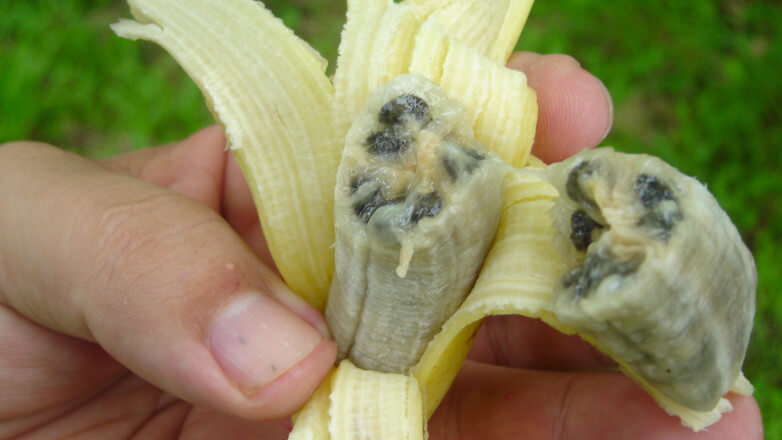
Popular Cavendish banana heading towards extinction, with GMO and gene edited varieties only viable saviors

da a f ee c ba

We are in the age of the Cavendish, a banana cultivar that accounts for 99 percent of imports to the Western world. But the Cavendish is in trouble. …

At the heart of the conflict is the sturdy little fungus Fusarium oxysporum f. sp. cubense; it infects and kills banana plants and, since the banana industry relies so heavily on one species, it is spreading steadily across banana-rich Southeast Asia and into Australia and the Middle East.

It hasn’t helped that plantation owners in Asia often don’t use responsible planting techniques that could slow down or perhaps stop the disease’s spread. That includes quarantining affected areas and carefully cleaning farm equipment that could transmit the disease elsewhere.

To cope, researchers have for years been attempting to create genetically modified versions of the Cavendish that are immune to TR4. There has been some success with breeding somoclones, a type of genetic variation caused by tissue culture cultivation

The prospect of creating a transgenic banana, one with beneficial genes from another species, or one that’s been modified with a technique like CRISPR is even more tantalizing. Just [last] year, James Dale at the Queensland University of Technology in Australia reported he’d created strains of TR4-resistant Cavendish using genes borrowed from other species. Two separate varieties, one with genes from a banana resistant to TR-4, and another with genes from a nematode, remained disease-free after three years.

If planting transgenic banana proves to be economical, and consumers can stomach the extra genes, the Cavendish may well remain king in Western supermarkets for the foreseeable future.

Read full, original post: The Banana As We Know It Is Dying…Again