CAR-T cell therapy and the promise of immune cells engineered to fight cancer

SOG
The National Cancer Institute estimates that more than 1.7 million people will be diagnosed with cancer this year. To cope with this number, researchers have made many advances over the past decade to improve treatment options. Through small- and large-scale clinical trials,  treatments are being tailored towards specific types of cancer. While chemotherapy and radiation remain prevalent options, new opportunities are proving to be successful. One of these is CAR-T cell therapy.

CAR-T cell therapy is a treatment that uses existing immune cells from the patient’s body to destroy cancer cells. The patient’s T cells are taken from their blood and given a gene for a special receptor that targets and attaches to cancerous cells. This special receptor is known as a Chimeric Antigen Receptor (CAR). These new cells are geared specifically to attack the patient’s specific type of cancer. This means that CAR-T cells that are created for a patient with leukemia are not going to work for a patient who has adenocarcinoma. The new immune cells are grown in abundance for several weeks at a lab to later be infused into the patient’s body.

Once the cells have been reintroduced into the body, the patient must be closely monitored because of the potential for serious side-effects. Nausea, headaches and rash are all typical symptoms of cytokines being introduced. As the CAR-T cells begin to multiply, or if too many of these cells are reintroduced, extremely high fevers and low blood pressure may occur. This is known as Cytokine Release Syndrome (CRS). In a worst case scenario, it could cause potentially fatal brain swelling (cerebral edema).

Success of CAR-T cell therapy

Despite harsh potential side-effects, CAR-T cell therapy has shown promising results. In a recent clinical trial, young adults and children with acute lymphoblastic leukemia (ALL) were treated with a CAR-T cell therapy known as tisagenlecleucel or Kymriah. Cancer.net reports that of the 63 patients in this clinical trial, 52 went into remission. Of those 52, 75 percent have been in remission for more than six months. As of August 2017, tisagenlecleucel has been approved by the FDA to treat patients who suffer from acute lymphoblastic leukemia.

CAR-T cell therapy also has been used to treat large B-cell lymphoma. The therapy used in this clinical trial is known as axicabtagene ciloleucel or Yescarta. 82 percent of patients receiving this therapy had a positive response, with 54 percent showing no sign of cancer after treatment, according to Dana-Farber Cancer Institute. The institute also reported that 40 percent of patients remain in remission a year later.

Perhaps the most successful data thus far from CAR-T cell therapy has been its ability to effectively treat multiple myeloma, a form of blood cancer affecting the plasma cells in bone marrow. A recent small-scale clinical trial treated patients with refractory myeloma, a recurring strain of the cancer. Of the 35 patients treated with T-Cell therapy that targets the B-Cell maturation antigen (BCMA), 33 of these patients went into remission within two months of receiving treatment, according to Cancer.net.

Accessibility factor

While patients treated with CAR-T cell therapy have seen success, the price tags that come with these treatments are substantial.  According to The National Institute for Health and Care Excellence (NICE), located in the UK, the manufacturer of Kymriah, Novartis, has offered the therapy at a discounted price of £282,000 ($372,000) per adult patient. With this astronomical price tag, adults suffering from blood cancer almost certainly can not afford this treatment without the help of insurance.

With the prognosis of blood cancer being so bleak, patients may have only a few months to figure out which route of treatment they will pursue. For this price to decrease, more research must be conducted to develop similar alternative therapies. The more access there is to variations of CAR-T cell therapy, the more competition there will be, which will lower the price of treatment from manufacturers such as Novaratis.

Follow the latest news and policy debates on sustainable agriculture, biomedicine, and other ‘disruptive’ innovations. Subscribe to our newsletter.

Global perspective

While CAR-T cell therapy was developed in the US, the therapy is recognized worldwide, and many other countries are beginning to develop their own forms of the treatment. According to Forbes, China currently has 116 T-cell trials, which is more than the US currently offers. China is producing these therapies at a rapid pace and is looking to be a world leader in emerging cancer treatment technologies by 2025. Also, there is more leniency in China, which allows more people to enter clinical trials. Americans have flown to China to receive this treatment when they fear being denied in the US because of strict trial guidelines or insurance policy issues.

China has put an emphasis on STEM research and is encouraging more students to pursue degrees in this field of study. Unless something changes, it appears likely that China will emerge as a dominant force when it comes to STEM research, as the amount of students who are involved in this field in the US is only a fraction of the number of students in China working towards science and engineering degrees.

What does this mean for the future?

It is exciting to see this type of immunotherapy making a positive impact on the success of patients. It’s also promising that this therapy is having success in treating rare, often aggressive forms of cancer. Hopefully patients and doctors will begin to see CAR-T cell therapy used for a multitude of cancers, especially ones with a poor prognosis, such as mesothelioma. As of now, the costs of CAR-T cell therapy are very high, so access to these treatments are limited. However, as this treatment shows more success, costs can potentially decrease and more patients suffering from cancer will have access to a therapy that is revolutionizing cancer treatment.

David Haas is the community outreach coordinator for the Mesothelioma Cancer Alliance. He is a health advocate whose goal is to educate others about asbestos-related diseases, including mesothelioma. The organization can be found at www.mesothelioma.com or on Twitter at @CancerAlliance.

Viewpoint: Link between bee death and glyphosate still a ‘far-fetched’ story

monsanto gly eu x

Glyphosate is a herbicide, in other words, it is toxic to plants. Its target enzyme is not found in insects or other animals, so it is generally not very harmful to them – and as confirmed by a recent study, even direct sprays are not lethal to bees.

This is what I said about bees in my series 17 Questions about Glyphosate. I thought that glyphosate having anything to do with bee welfare would be such a far-fetched idea that I needn’t dedicate more time to that. But, time and again, when discussing glyphosate – usually in some completely different context – someone will pop up and go “it should be banned because it harms bees!” So let’s talk about that in more detail.

2018 September UPDATE: New study out about bee gut microbiome, observations of its findings included in the end of the piece.
bee health viola

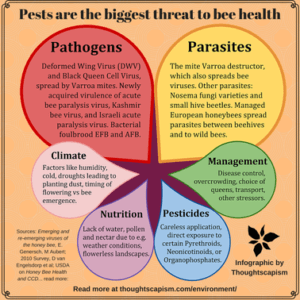
I often try politely to inform the person that what they are probably thinking of are insecticides, particularly such groups of chemicals as pyrethroids or neonicotinoids, several of which can, if sprayed directly on the bees, prove lethal to them. Much research has also been conducted on sub-lethal levels of neonicotinoids on bee health, and although much of the time the effects in the field are small or non-existent (like in the whole of Australia, where CCD or higher bee losses have not been observed), in some cases small adverse effects are found. There are many larger concerns – like mites and disease – when it comes to pollinators, however. I wrote about this topic more in If You Care About Bees, Look Past Neonicotionoids, and about a recent large study here: New Study Finds Neonicotinoids May Have Harmful, Beneficial, or No Effects on Bees.

While many insecticides can indeed harm a variety of insects (though bees are not their intended target), the big difference, as I said earlier, is that glyphosate is not an insecticide, but a herbicide. (Both insecticides and herbicides, among many other -cides, by the way, fall under the umbrella of pesticides). Glyphosate’s particular target enzyme does not exist in animals, which means that it does not interfere with our amino acid synthesis, and has generally very low toxicity outside of plants (or some bacteria).

Not toxic to bees, either

Lets look at the published research on toxicity regarding bees by searching Pubmed for ‘glyphosate’ and ‘bees’. A large 2014 study sprayed bees’ forage with glyphosate in series a glasshouse experiments, and also fed glyphosate-laced sucrose to their brood…

…at dose rates that reflect worst-case exposure scenarios. There were no significant effects from glyphosate observed in brood survival, development, and mean pupal weight. Additionally, there were no biologically significant levels of adult mortality observed in any glyphosate treatment group.

2015 study, on the other hand, subjected bees to direct sprays of 42 insecticides, and one herbicide: glyphosate, in common usage concentrations. Their results not only confirm that being caught in a glyphosate spray demonstrated no acute toxicity from glyphosate within two weeks, but it also illustrates the point that demonising one class of pesticides is misleading at best. Entomology Today:

Using a modified spray tower to simulate field spray conditions, the researchers found that 26 pesticides, including many (but not all) neonicotinoids, organophosphates, and pyrethroids killed nearly all of the bees that came into contact with the test pesticide sprays. However, seven pesticides, including glyphosate and one neonicotinoid (acetamiprid), killed practically no bees in the tests.

So, bees happily went on with their business after glyphosate spray. A 2017 study likewise found that:

Our data demonstrated that residue levels of seven pesticide [including glyphosate] in pollens/hive may not adversely affect honey bees

Well, that seems rather straightforward. Glyphosate shouldn’t really be a problem for bees, there is no suggested mechanism of harm in bees, and… it does not show ill effects in bees.

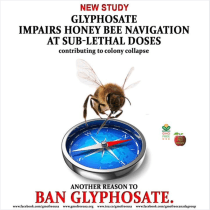
But wait – groups like GMO-free USA actively peddle the idea that glyphosate would be ‘contributing to colony collapse disorder’ (see meme below). How, then?

What about bee behaviour?

This particular work on bee behaviour comes from one lab in Buenos Aires headed by Dr Walter Farina, where they have published three papers that claim glyphosate impairs bee learning in some ways. The study of bee cognition is certainly a fascinating area. The group’s 2015 paper on bee navigation found that bees fed with a sucrose solution with 10 mg/l of glyphosate took longer time to fly home. Let’s take a look at their experiment.
screen shot at

They trained bees to come collect sucrose solution at a feeder. They then captured them at the hive, tagged them and glued a radar transponder on them, fed them sucrose with or without glyphosate, released them at a new location, and recorded their flight back to the hive (or feeder). They then tried to catch the same bees again at the feeder after that, to drop them again at the same release location and see if they had learned something about finding their way home.

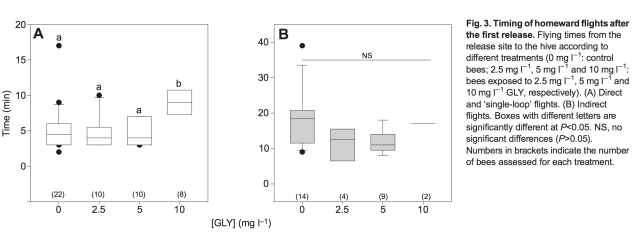
They had the bees divided into four treatment groups, and had between 8 and 22 bees in each group the first time around. During their first release, they found that the high treatment group (8 bees strong) took on average about 9 minutes to fly back (see figure A), while all the other 42 bees of the other 3 groups (control, 2.5, and 5 mg/l treatment) flew home on average in about 4-5 minutes (one outlier in the control and largest group, with 22 bees, took the longest, 17 minutes, but they also had the fastest home-run, about 2 minutes).

There was no significant difference in flight times for those that flew to the feeder first (in grey, figure B) instead – if anything, the control group was slowest this time. This below, then, is their one core finding:
screen shot at

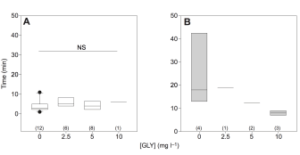
After this they tried to re-capture the bees, but only managed to get hold of four bees in the high treatment group. All four re-released groups flew back home at very similar times, between 3-11 minutes, which by the way is a range where the first high treatment flight-time falls in too (see A in the next figure below – why they have the scale so zoomed out this time, so that comparison to the first figure A is not as clear, I don’t know). The range was similar between releases, with no clear learning effect for any group. The flight times to the feeder were similar too, apart from the high treatment group, which was actually faster. Of course, at this point each flight-group studied had between 1-4 or 1-12 bees (…), and so nothing was statistically significant.
screen shot at

Let that sink in. Yes, the paper claims to analyze ‘long-term consequences’ for bee learning – based on two flights, and with experiment ‘groups’ that are 1 bee strong.

To actually say anything meaningful about bee behavior, it’s not very radical to ask that we’d want to see clear differences in said behavior of actual groups of bees, and in several repeat experiments. I am not alone in my thinking, either. I talked about this paper with an entomologist who does science outreach over at the blog The Mad Virologist, and he had this to say:

With that type of experiment, you really need large numbers of insects and many replicate flight experiments. With only two replicate experiments, this would be a hard sell in an entomology journal, especially given the low numbers used in each experiment.

He went on to contrast this study with examples of robust studies instead: like one on bee foraging with three replicates of RFID-tagged bees – in each colony, they included 400 bees per treatment condition (vs the 10-20 in Farina’s); or an earlier study of bee flight of more than two thousand bees all in all, and with four replicate experiments.

What about confounding factors?

When you study something this subtle, with bees flying this way or that at 15 minute intervals, the situation is chock full of surprising and unaccounted variables – weather conditions? Other animals? Variations in the manual handling of the bees? What about parasites and disease? The nosema fungus, for instance, is specifically known to cause learning deficits in honeybees, and the Deformed Wing Virus has deleterious effects on foraging. The Mad Virologist has touched before on the shortcomings of bee-studies that make the mistake of not accounting for the variable of bee diseases.

To say anything about the real world, of course, this kind of research should preferably be presented with a connection to the overall well being of the hives, following the pattern of actual glyphosate residues in the bees’ environment. Otherwise all this is very hypothetical.

Consider that GMO-free USA claim once more: ‘glyphosate impairs bee navigation and contributes to colony collapse disorder’. Wait, what? Eight bees were a few minutes tardier once – though their high-treatment buddies who flew straight to the feeder instead were not tardy. The second time around (the ‘learning effects’) they all flew back home just as fast, and to the feeder even faster than the other(s).

But wait – the study also lost a fourth of their bees

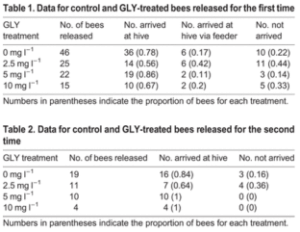
The paper also lists number of bees that did not return to the hive, period. In total 26% of the bees never arrived back at the hive. That seems a rather alarming percentage. If at any one random time when four bees set out from a hive, only three return, it sounds like an untenable situation in the long run. Nowhere in their paper could I find discussion about what might have caused the large rate of non-arrivals.
screen shot at

The largest numbers of non-returning bees both times were found in the lowest treatment group, but the control group was no means well off, with 22 % and 16 % losses. In the second release, (the very small) intermediate and high treatment groups actually had zero losses. Should we draw the conclusion that high dose glyphosate has a protective effect then, guaranteeing that bees return to the hive?

No. Just no. But the opposite claim, which Farina’s paper makes,

exposure to levels of GLY commonly found in agricultural settings impairs the cognitive capacities needed to retrieve and integrate spatial information for a successful return to the hive, […] with potential long-term negative consequences for colony foraging success

What this analysis hopefully shows, is that the more subtle the thing we are studying is, the more care we should take before drawing conclusions about its implications one way or another. With such tiny groups of bees and no other lab independently supporting these results, to think that this highly variable data shows anything with real-world meaning is incredibly far-fetched.

No real world connections

The group’s earlier piece claims that glyphosate-dosed bees show decreased sucrose-responsiveness, that is, they are not as drawn to higher levels of sucrose (presumably applicable to choosing sweeter nectar in the field). So far the only connected paper I’ve found from another group found instead that bees showed a preference for sucrose with glyphosate residue as opposed to sucrose with other pesticide traces. The group Farina are alone to report their suggested subtle cognitive effects – and even their own paper states that effects outside of their limited experimental settings are lacking:

However, no effect on foraging-related behaviour was found.

What about the realism of the dosing of the bees by Farina’s group? Several studies report that glyphosate residues in the soil quite quickly decrease to micro and nanogram levels (vs the milligram level dosages in Farina’s studies), and a very rapid breakdown is seen in pollen and nectar. The maximum residue limit in the US on most flowering crops, is also very low, often from a few milligrams to micrograms per kg – and these are the maximum limits, with 99.8 % of all produce tested below, and 80% tested 20 or even more times below – more about the residue data here by Steve Savage.

champ de colza cocc te dor bourgogne avril

The dosing of bees is made unlikelier again by the fact that glyphosate is commonly applied on weeds as they emerge, to eliminate them long before they can use up resources, flower, and go to seed. Later as the crop grows its shadowing effect will take care of most other weeds. It seems unrealistic that bees would commonly be exposed to concentrations of 10 mg/l in their feed. If that happened at some point, and we would take Farina’s groups’ suggestions at a face value, what might we expect? That the bees would fly home a few minutes later that time? This is very little to go on.

In fact, in the 2014 toxicity study from England which looked at twenty hives with more than 10,000 bees each, they directly sprayed the bees’ forage and fed the brood with more than hundred-fold exposure to glyphosate (high treatments being 150 and 300 mg/l), and reported no ill effects on development. Exposure to an order of magnitude higher doses of glyphosate than in Farina’s experiment had no effect on bee health or survival.

I have not even seen correlations suggesting a connection between glyphosate use and pollinator health, either temporally or geographically. This seems like a crucial link to present before we start talking about glyphosate actually having anything to do with bees.

UPDATE: New study out on bees and the microbiome

There’s a new study out on glyphosate’s effect on bee gut bacteria. Considering the study’s findings, the headlines in the media have been cringe-worthy. No, the study did not show that glyphosate is killing bees. It used only small numbers of bees, only a fraction of which were retained for analysis of results, and it did not study field conditions. Let me run you through a couple of points on the study and its findings:

  • Glyphosate concentrations used in the study, 5mg/l and 10mg/l, are quite high. Finding bees regularly exposed to these levels in the field is questionable. As I wrote earlier, glyphosate residues in pollen and nectar undergo very rapid breakdown, presence is at an order of magnitude smaller (ug/kg rather than mg/kg).
  • The bees were fed a sucrose solution, which takes the normally available amino acids away from their diet. With no available aromatic amino acids, high enough glyphosate levels could indeed temporarily inhibit groups of bacteria. It doesn’t really relate to field conditions, however. As I’ve written before on the topic of glyphosate and gut bacteria:
[at the dose 25 mg/kg] during a two-week exposure study on rats, glyphosate and its formulations ‘had very limited effects’ on the gut bacteria. Why? Because the gut is a formidable cornucopia of freely floating amino acids!

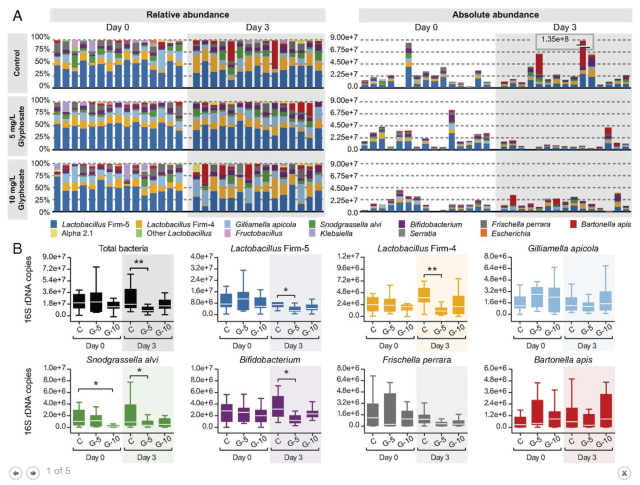
  • Range of bacterial communities exhibited on Day 0 of the study shows great differences between the groups already. This may just reflect the fact that there is a very large natural variation in gut microbiomes in general – evident from many studies on many different species previously. This also could explain why the data, post-treatment, is noisy and inconsistent:
  • The study strangely finds changes in bacterial levels at the lower concentration of glyphosate only, and not the higher. This invites question about whether these findings are robust, or a result of noisy data.
screen shot at

  • What makes things further suspect, is that to explain away the lack of effect at 10 mg/l, they say it could be because those bees got lost on the way home… and to support this point, they uncritically refer to the very studies I’ve laid out in this piece earlier, which carry very little weight due to the tragicomic-level weakness of their methods.

The study states: “glyphosate may affect bacterial symbionts of animals living near agricultural sites.” They correctly use the word ‘may’, as the evidence they present is certainly not enough to confirm such an effect. If there truly was such an effect from glyphosate that made bees more susceptible to illness, we should be able to confirm this in mortality/growth rates in large field studies. Again: the evidence so far, even of glyphosate levels ten times as high, does not demonstrate such an effect.

Additionally Bayer, in their statement notes an interesting thing:

this research team did not discuss these new findings in light of their previous work, according to which antibiotics that beekeepers use in their hives are the cause of altered gut microbe communities in honey bees.

To conclude, while different avenues of research are certainly important and interesting, we need to wait for robust evidence to accumulate before jumping to conclusions. For pollinator problems, the weight of the evidence clearly shows us that:

If you care about bees, look elsewhere

We do know that habitat loss, disease, invasive species, climate, and many other factors have detrimental effects on not only bees, but most wild animals, whereas glyphosate is an important method in the toolkit to counteract many environmentally harmful effects of farming. As weed ecology professor Andrew Kniss writes, if farmers would be forced to forgo glyphosate, on top of consequences like increased soil erosion and fuel use, we could well see a return to less diverse rotations:

If we truly want to encourage crop diversity, then glyphosate use can be a powerful tool in allowing those diverse crop rotations while still managing weeds.

Frankly, glyphosate wasn’t brought into the public discussion because of a sincere concern for bees (although many who end up repeating the claims may do this without realizing the dishonesty). Anti-GMO groups are campaigning against glyphosate because they will grasp any straws to use as arguments against genetically engineered crops. They don’t wait for solid support before making claims, either, because it is enough for them to be loud enough and sow doubt in the public perception (an example of the kind of striking anti-glyphosate bias among the French media here, or in French, here). This is an ideological and an emotional type of resistance, where evidence means little, unless it can be used to bolster one’s pre-existing passionate dislike of the idea of biotech crops and pesticides to begin with.
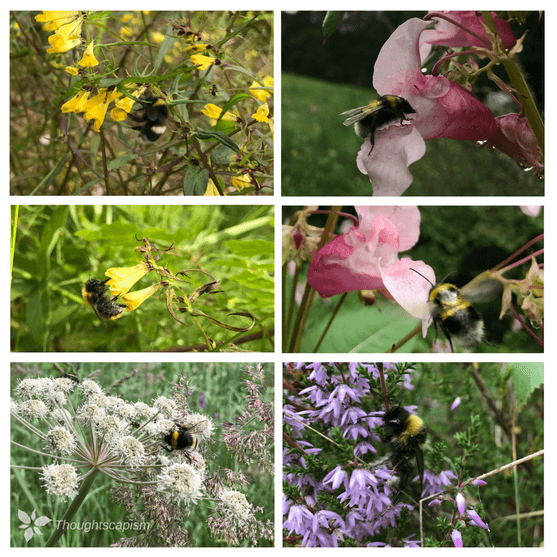
bumble bees finland logo

If we care about bees, however, let’s remember the underlining principles about weighing scientific evidence – that we should rely on several converging lines of solid evidence to make sure we are not fooling ourselves – and try to focus on the big picture.

Iida Ruishalme is a writer and a science communicator who holds a M.Sc. in Biology from Sweden. Follow her on twitter @Thoughtscapism or on the Thoughtscapism Facebook page.

This article was originally published at Thoughtscapism as “No, Glyphosate Is Not a Threat to Bees” and has been updated by the author to respond to the recent academic study about glyphosate’s potential impact on bee gut microbiome, and is republished here with permission.

Using your body’s internal clock to offset those bad eating habits

file f qpf
Timing our meals can fend off diseases caused by bad genes or bad diet. Everything in our body is programmed to run on a 24-hour or circadian time table that repeats every day. Nearly a dozen different genes work together to produce this 24-hour circadian cycle. These clocks are present in all of our organs, tissues and even in every cell. These internal clocks tell us when to sleep, eat, be physically active and fight diseases. As long as this internal timing system work well and we obey them, we stay healthy.

But what happens when our clocks are broken or begin to malfunction?

Mice that lack critical clock genes are clueless about when to do their daily tasks; they eat randomly during day and night and succumb to obesity, metabolic disease, chronic inflammation and many more diseases.

Even in humans, genetic studies point to several gene mutations that compromise our circadian clocks and make us prone to an array of diseases from obesity to cancer. When these faulty clock genes are combined with an unhealthy diet, the risks and severity of these diseases skyrocket.

My lab studies how circadian clocks work and how they readjust when we fly from one time zone to another or when we switch between day and night shift. We knew that the first meal of the day synchronizes our circadian clock to our daily routine. So, we wanted to learn more about timing of meals and the implications for health.

9-9-2018 file-20180829-195298-13f9qpf
Eating within an eight- to 12-hour window could diminish the impact of a bad diet and a broken body clock. Image credit: amornchaijj/Shutterstock.com

Time-restricted eating

A few years ago we made a surprising discovery that when mice are allowed to eat within a consistent eight- to 12-hour period without reducing their daily caloric intake, they remain healthy and do not succumb to diseases even when they are fed unhealthy food rich in sugar or fat.

The benefit surpasses any modern medicine. Such an eating pattern – popularly called time restricted eating – also helps overweight and obese humans reduce body weight and lower their risk for many chronic diseases.

Decades of research had taught us what and how much we eat matters. But the new discovery about when we eat matters raised many questions.

How does simply restricting your eating times alter so many elements of personal health? The timing of eating is like an external time cue that signals the internal circadian clock to keep a balance between nourishment and repair. During the eating period, metabolism was geared toward nourishment. The gut and liver better absorbed nutrients from food, and used some for fueling the body while storing the rest.

During the fasting period, metabolism switched to rejuvenation. Unwanted chemicals were broken down, stored fat was burned and damaged cells were repaired. The next day, after the first bite, the switch flipped from rejuvenation to nourishment. This rhythm continued every day. We thought that timing of eating and fasting was giving cues to the internal clockand the clock was flipping the switch between nourishment and rejuvenation every day. However, it was not clear if a normal circadian clock was necessary to mediate the benefits of time restricted eating or whether just restricted eating times alone could flip the daily switch.

9-9-2018 file-20180829-195304-pdiwzn
Eating late at night can disrupt circadian rhythms and raise the risk of chronic diseases including obesity. Image credit: Ulza/Shutterstock.com

What if you have a broken internal clock?

In a new study, we took genetically engineered animals that lacked a functioning circadian clock either in the liver or in every cell of the body.

These mice, with faulty clocks don’t know when to eat and when to stay away from food. So, they eat randomly and develop multiple diseases. The disease severity increases if they are fed an unhealthy diet.

To test if time restricted eating works with a damaged or dysfunctional clock, we simply divided these mutant mice into two different groups – one group got to eat whenever they wanted and the other group was only given access to food during restricted times. Both groups ate the identical number of calories, but the restricted eaters finished their daily ration within nine to 10 hours.

We thought that even though these mice had restricted eating times, having the bad clock gene would doom them to obesity and many metabolic diseases. But to our utter surprise the restricted eating times trumped the bad effects of faulty clock genes. The mice without a functioning clock that were destined to be morbidly sick, were as healthy as normal mice when they consumed food during a certain period.

The results have many implications for human health.

Follow the latest news and policy debates on sustainable agriculture, biomedicine, and other ‘disruptive’ innovations. Subscribe to our newsletter.

The good news

First of all, it raises a big question: What is the connection between our genetically encoded circadian clock timing system and external time of eating? Do these two different timing systems work together like co-pilots in a plane, so that even if one is incapacitated, the other one can still fly the plane?

For human health the message is simple, as I say in my new book “The Circadian Code.” Even if we have faulty circadian genes as in many congenital diseases, such as Prader-Willi syndrome or Smith-Magenis syndrome, or carry a malfunctioning copy of nearly a dozen different clock genes, as long as we have some discipline and restrict eating times, we can still fend off the bad effects of bad genes.Deep analyses of mice in our experiment revealed that time restricted eating triggers many internal programs that improve our body’s resilience – enabling us to fight off any unhealthy consequences of bad nutrition or any other stress. This boost in internal resilience may be the key to these surprising health benefits.

Similarly, other researchers have shown as we get older our circadian clock system weakens. The genes don’t function correctly so our sleep-wake cycles are disrupted – just as if we had a faulty clock. So, lifestyle becomes more important for older people who are at higher risk for many chronic diseases such as diabetes, heart disease, high cholesterol, fatty liver disease and cancer.

As a potential translation to human health, we have created a website where anyone from anywhere in the world can sign up for an academic study and download a free app called MyCircadianClock and start self-monitoring the timing of eating and sleeping.Screen Shot at PM

The app provides tips and guidance on how to adopt a time restricted eating lifestyle to improve health and prevent or manage chronic diseases. By collecting data from people with varying risk for disease, we can explore how eating times can help to increase our healthy lifespan.

We understand everyone’s lifestyle around home, work and other responsibilities is unique and one size may not fit all. So, we hope people can use the app and some tips to build their personalized circadian routine. By selecting their own time window of eight to 12 hours for eating that best fits their lifestyle, they may reap many health benefits.

Satchin Panda, a professor in the Regulatory Biology Laboratory, is interested in understanding the molecular mechanism of the biological clock in a mouse model system. Follow him on Twitter @SatchinPanda

A version of this article was originally published on the Conversation’s website asTime-restricted eating can overcome the bad effects of faulty genes and unhealthy dietand has been republished here with permission.

Buyer beware: ‘Organic,’ ‘cage-free’ and other food labels aren’t always what they seem

Misleading food labels

Certain terms, such as “organic” and “gluten-free,” are strictly regulated by [federal] agencies …. Others are voluntary seal and certification programs. Still others are manufacturer-driven marketing strategies. When you learn what product seals, certifications and claims mean, and who governs the wording, you’re better equipped to make purchasing decisions. Here are …. common terms that trip people up in the grocery store:

Organic: “Organic” refers to how a product is grown. Products that sport the USDA “organic” certification have to be produced without fertilizers, fungicides and pesticides …. The nutrient composition of organic and non-organic foods is similar. So things like organic cookies have the same nutrient composition as non-organic cookies ….

Editor’s note: Organic farming utilizes fertilizers, fungicides and pesticides, including some synthetic chemicals.

Non-GMO: Because of a law passed in 2016, food manufacturers will soon need to disclose genetically modified ingredients in their products. In the meantime, consumers who are concerned about GMOs can purchase products that contain a non-GMO Project stamp. But beware: The stamp is often found on foods that never could contain GMOs because to date, only 10 foods have been approved for genetic modification.

Cage-free: The hens laying cage-free eggs live in an open barn with bedding material, perches and nest boxes to lay their eggs. They may still be in close quarters with other hens, they’re just not in cages.

Read full, original article: Organic? All-natural? Cage-free? What 7 food labels actually mean

Asians finally have drugs ‘perfectly tailored’ to their genetics

chinese family

For decades, much of the pipeline of medical innovation has flowed from West to East. Now a string of companies are attempting to upend that trend with new drugs and products tailored to Asian bodies and lifestyles.

There’s the Singapore-based drugmaker tackling an obscure cancer that’s rare in the West but common in Asia, where it’s been linked to a popular fish dish. Med-tech startups are preparing to sell tests to detect tumors more accurately in Asian women with denser breast tissue, including one wearable device that slips into a bra. Even Big Pharma firms like AstraZeneca Plc and Roche Holding AG now have drugs targeting a lung cancer-causing mutation most often found in women from East Asia.

Diseases and their cures can sometimes work differently in different populations, and a one-size-fits-all regimen tailored to the West isn’t sufficient. The approach is cropping up most often in cancer care in Asia, home to tumors that are rare in the West.

“The patients are here, the tumor samples are here, and also the basic know-how,” said Brigette Ma, a professor at the Chinese University of Hong Kong who specializes in new drug development. “By acknowledging diversity, not just in cultural and economic needs — by acknowledging diversity in terms of cancer care — we are getting the drugs to where they are needed.”

Read full, original post: Asian Patients (Finally) Have Medicines Designed for Them

Beet production drops, plant diseases threaten comeback following EU’s neonicotinoid ban, farmers say

Root Crop Agricultural Sugar Beet Bite

Two weeks after Acor started the new beet reception campaign at the milling plant in Olmedo (Valladolid), field inspections continue to confirm the “delay” of the crop in a “complicated” year. Miguel Ángel Catalán, director of the cooperative’s agronomic service …. emphasized that plant disease and excessive heat in September are to blame.

The challenge at this moment, he says, is “to keep the plant in good health,” which is especially difficult this season because fungal attacks are more virulent. Humidity and mild temperatures are causing a higher incidence of leaf diseases, especially cercospora, which is not easy to control.

Farmers continue to worry about the impact of Europe’s prohibition on neonicotinoid pesticides, used to treat the beet seed …. Affected communities and industry “are mobilized” to achieve a moratorium that allows continued use of the seed treatments, at least for the the next “two or three growing seasons.”

The sector insists that currently “there are no alternatives,” pointing out that prohibiting neonicotinoids would pose a serious threat to crops. Therefore, they trust that “common sense will prevail.”

Editor’s note: This article was originally published in Spanish. This summary was prepared with Google Translate and edited for clarity.

Read full, original article: A beet campaign with less production than a year ago

Chipotle on defensive in suit claiming it falsely advertised its food is non-GMO

chipotle GMO

The fast-casual restaurant chain [Chipotle] that promises “food with integrity” was just informed its marketing campaign is without integrity. U.S. District Judge Haywood Gilliam Jr., ruled that Chipotle Mexican Grill’s non-GMO claims are misleading, opening the door for customers in Maryland, California and New York to proceed to trial in a class action lawsuit.

The lawsuit, filed in 2016, alleges that Chipotle’s “only non-GMO ingredients” claims on signs in its restaurants were “false, misleading, and deceptive.” That’s because the meat and dairy products sold by Chipotle almost assuredly came from animals given at least some GMO feed.

Chipotle argued that a strict interpretation of “non-GMO” extending back to animal feed was not shared by “reasonable” consumers or federal regulators, and that its website clearly noted “the meat and dairy served at Chipotle are likely to come from animals given at least some GMO feed.”

However, Judge Gilliam, in calling the claims to be misleading, specifically noted that plaintiffs supported their allegations with “definitions used by the Non-GMO Project,” which states that products containing milk and meat from animals fed genetically engineered feed do not qualify for its Non-GMO project verified seal.

Regarding Chipotle’s website disclaimer, Judge Gilliam said, “It would not be reasonable to expect a consumer to search for disclaimers on a website to clarify a purported misrepresentation on in-store signage.”

Read full, original article: Chipotle’s Non-GMO Campaign In Tatters

Increase in autism linked to rising maternal obesity and diabetes

obese pregnant

More and more children around the world are being born to obese mothers than ever before. In the United States, 23.4 percent of women are obese before they become pregnant—a number that represents a growing phenomenon.

The increasingly common condition has been associated with children being born obese as well as showing a greater risk of developing heart disease, diabetes, cognitive and behavioral difficulties, and other neurodevelopmental disorders. Incidentally, a growing numbers of children are being diagnosed with mental disorders, with up to one in five children in the US experiencing conditions that challenge their mental health in any single year.

This summer alone, multiple studies have found that different facets of moms’ metabolic health and weight are linked with a greater risk for children being diagnosed with autism, attention deficit hyperactivity disorder (ADHD), and mild neurodevelopmental problems.

In June, Thomas Buchanan of the University of Southern Carolina and his colleagues reported how expectant mothers’ diabetes—experienced by one in 16 pregnant women in the US—is tied to a baby’s chances developing autism. The researchers found a clear divide: Mothers with a diabetes diagnosis by their 26th week of pregnancy gave birth to children with a higher likelihood of being on the autism spectrum compared to mothers with no diabetes or who received a diagnosis after their 26th week.

Read full, original post: Maternal Obesity and Diabetes Linked to Autism in Children

Why organic apple farmers spray their trees with insecticides 32 times on average during each growing season

px Discovery apples

A lot of people buy organic foods because they believe organic means free from chemicals and pesticides. But the truth is much different! There are 5,500 different chemical substances and pesticides for use in organic farming.

Why, might you ask? Pests don’t discriminate. There are some things farmers and growers can do to mitigate pest pressure, but at the end of the day, there are 30,000 species of weeds and 10,000 species of insects that they have to compete with. Bugs don’t just fly into a field and say, “Woah, guys, this field is organic! We can’t go in here!” They’ll do whatever they please to invade your flavorful honeycrisp apple. We think they’re delicious, and those little critters think so, too!

Do we want to eliminate or reduce pest pressure and chemical use in orchards? Of course we do! And the growers do especially. Every time they spray, it’s money out of their pocket. It is exposure, it is stress. But currently, the pest pressure makes it to where the average organic apple orchard must spray their fields 32 times in a growing season, according to the experts …. Thirty-two! This is primarily due to the fact that organic pesticides are naturally derived, so they’re often not as effective.

Read full, original article: What are you really getting from organic apples?

‘Bravery cells’: Courage, risky behavior, stress linked to hippocampus

brain crop

According to new research, your reaction may have less to do with logically analyzing the situation and more to do with how so-called “bravery cells” in your brain light up in response to [threats]. Our brains have been primed from the early stages of evolution to respond to risk in order to keep us safe, but not all risky scenarios are as severe as a hungry wolf in the woods—and sometimes our minds flood us with apprehension when there is no risk at all.

Scientists from Uppsala University in Sweden and Federal University of Rio Grande do Norte in Brazil have pinpointed one thread of the cognitive web that controls anxiety: oriens lacunosum-moleculare interneurons, or OLM cells. These brain cells activate to let us know we are safe in risky situations, and they might provide a new method to counter the debilitating effects of anxiety disorders.

In the ever-chugging cognitive engine of the brain, well-oiled OLM cells are able to determine when it’s safe to trudge through the dangerous and the unfamiliar. But even if our brains follow the same basic blueprints, every brain behaves a bit differently. When OLM cells misfire, our brains can panic, even when the perceived threat is completely surmountable. By identifying the role of each cellular cog in the machine, scientists might be able to address these glitches and help our brains run a little smoother.

Read full, original post: The Brain’s “Bravery Cells” Encourage Risky Behavior

Viewpoint: Political ‘horse-trading’ at U.N. threatens sensible GMO, gene editing crop regulation

ga flat
[T]he U.N.’s agencies, programs, commissions and international agreements have a dismal record of accomplishment, especially while acting as the world’s regulator-wannabe for all manner of products, processes and activities.

The U.N. regularly panders to activists and, not coincidentally, adopts policies that expand its own scope and responsibilities. Science and free market principles routinely get short shrift. U.N. programs and projects inevitably become an exercise in politics, spin and international horse-trading.

Many parts of the U.N., including the Environment Program, World Health Organization and Food and Agriculture Organization, have been particularly incompetent at regulating the newest techniques of genetic engineering (AKA “genetic modification”) applied to agriculture.

The U.N.’s involvement in the excessive, unscientific regulation of genetic engineering has slowed agricultural research and development, promoted environmental damage, and prolonged famine and water shortages for millions in less-developed countries.

Morally, this is no different from permitting the construction of an unsafe dam or knowingly administering a contaminated vaccine. Countless people have suffered and died needlessly as a result of the arbitrary, unscientific restrictions that prevent research in wealthier countries from helping the poor to help themselves.

Read full, original article: OPINION: THE UN CELEBRATES 15 YEARS OF SCREWING UP BIOTECH REGULATION

Erectile dysfunction? If you carry this gene, you have a 26% increased risk

erectile dysfunction genetics feature

A group of scientists believe they’ve uncovered at least some of the genetic risk factors that can contribute to a common health concern among men: erectile dysfunction.

In the current study, researchers in the U.S. looked at the genes of nearly 37,000 men who were members of Kaiser Permanente, America’s biggest managed care organization, and who had volunteered their medical information and records. In these men, they identified a spot along the sixth chromosome that was associated with an added risk of erectile dysfunction. This location—known as a locus—was found near the SIM1 gene.

Having certain variations of this locus, the researchers found, was associated with a 26 percent increased risk of erectile dysfunction.

The gene SIM1 is known to encode proteins that help regulate body weight as well as erections in men. And the researchers think that something in the locus—namely other genes—influences how the SIM1 gene is expressed, either turning it off and on or enhancing its activity. In people genetically vulnerable to erectile dysfunction, this chain of command might not be working as intended.

[T]he approach of using large patient genetic databases will help discover new targets for drugs that can help both men and women.

Read full, original post: Scientists May Have Found a Genetic Risk Factor for Erectile Dysfunction

Treating genetic disorders before birth? CRISPR cures mouse disease in the womb

bbcac ba cb aba be

Nearly 40 years after surgeons first operated on fetuses to cure devastating abnormalities, researchers have taken the first step toward curing genetic disease before birth via genome editing: scientists reported on [September 8] that they used the genome editing technique CRISPR to alter the DNA of laboratory mice in the womb, eliminating an often-fatal liver disease before the animals had even been born.

[W]hile CRISPRing human fetuses is years away, at best, the success in mice bolsters what Dr. William Peranteau, who co-led the study, calls his dream of curing genetic diseases before birth.

The success in mouse fetuses raises the possibility that, even before traditional gene therapy is ready to treat inherited disorders in utero, genome editing might emerge as a safer, more effective approach. In traditional gene therapy, an entire healthy gene is ferried, typically by a virus, into cells containing a disease-causing gene. With CRISPR, only the mutated bit of a defective gene is changed. It’s the difference between retyping a whole 5,000 word document and using Word’s “find and replace” to correct a typo.

“We think this represents a safer and more precise way to make changes in the genome,” said Dr. Kiran Musunuru of Penn and a co-leader of the study. “It’s is the better way forward if you want to take CRISPR into the clinic.”

Read full, original post: CRISPR cures inherited disorder in mice, paving way for genetic therapy before birth

Ex-Reuters reporter Carey Gillam: Anti-Monsanto crusader or obsessed anti-GMO activist?

gillam
[Carey Gillam] the longtime reporter, who now works for a consumer advocacy group, is pegged by her detractors as an activist at war against pesticides and genetically modified organisms, or GMOs. She’s spent years raising concerns about the weedkiller glyphosate in particular.

She has continued to write about the pesticide and Monsanto Co., the company that invented it, as research director for U.S. Right to Know and in “Whitewash: The Story of a Weed Killer, Cancer and the Corruption of Science” …. The book has won acclaim among environmentalists and consumer health advocates, as well as attention from investors and legislative officials in the United States and Europe ….

Critics, however, question her transparency and accuse her of blurring the lines between journalism and advocacy. She published her book while she was on the payroll of U.S. Right to Know, a group that’s critical of glyphosate and advocates for organic foods, and downplayed that fact while overlooking some of the problems with research tying glyphosate to cancer.

Genomics scientist Mary Mangan raised a series of questions about “Whitewash” earlier this year in a blog post for the nonprofit Biology Fortified Inc. Gillam’s book, Mangan said, “sets up a cartoonishly false dichotomy between heroes and villains” and “systematically omits industry funding and affiliations of her own organization.”

Read full, original article: Meet the crusading reporter brawling with Big Ag

Why Ugandan banana breeders say it’s critical to add genetic engineering to their toolbox

bananas
Ugandan researchers have been successful at developing robust hybrid bananas through conventional breeding techniques. Yet they see a strong need to adopt GM varieties of the fruit that is so critical to the nation.

They argue that using conventional breeding to develop hybrid cooking bananas is a tedious affair, taking more than half a dozen years to get them ready for market. And while the conventional hybrids offer the promise of high yields, they lack the critical pest and disease resistance offered by GM bananas.

According to statistical information published in ResearchGate a social networking site for scientists, bananas and plantains are an important world food security crop for the livelihood of millions of smallholder farmers in tropical countries. The crops are grown in more than 120 countries with an annual world production of around 104 million tons.

East Africa is the largest producing and consuming region of bananas in Africa, with Uganda being the world’s second leading producer behind India. It is estimated that 75 percent of Ugandan farming households grow this crop on about 1.5 million hectares.

Despite the crop’s importance as food security, its productivity has been declining over time, particularly in central Uganda where crops have been ravaged by pests and diseases.

A nationwide rural appraisal conducted by Uganda’s scientists engaged in banana breeding in June 1991 revealed that the leading factors responsible for the decline in productivity of the East African highland cooking bananas include pests such as banana weevil and nematodes, diseases such as black Sigatoka, banana bacterial wilt, decline in soil fertility and low genetic diversity.

In order to reverse this trend Uganda’s scientists at the National Agricultural Research Laboratories jointly with colleagues from International Institute of Tropical Agriculture (IITA) initiated a breeding program in 1994 using a participatory plant breeding approach. The program has developed several new hybrid varieties.

They have focused on increasing the yield of crop by doubling the size of the bunch to help solve the challenge of food security. 

Hybrid banana farm
Hybrid banana farm. Image credit: Lominda Afedraru

Breeding

Dr. Brigitte Uwimana, a banana breeder with IITA, explains that scientists obtained a wild variety called Calcutta containing two copies of each chromosome which was improved to obtain a tetraploid which has four copies of each chromosome. This is done to obtain more seed which can be used effectively in the breeding process.

Development of the popular M9 hybrid required the team to employ a time-consuming series of crosses. At each step, the produced seeds were cracked in a tissue culture lab to allow their embryos to be extracted and cultured. After field evaluation, the strongest performers were crossed again. The final product, released by NARO as M9, was dubbed “Kiwangaazi” for its taste and stronger yields.

The same procedure has been used for a range of hybrid varieties, though the process has been tedious, Uwimana said.

Mature hybrid banana
Image credit: Lominda Afedraru

The other concern is that the taste of the hybrids vary from the traditional crops. This factor can discourage farmers from adopting the new seeds.

Pros and cons 

Dr. Jerome Kubiriba, head of banana breeding at NaRL argues that both convention and GM breeding techniques should be pursued, to help researchers develop a range of varieties to offer farmers:

The current advantage of conventional breeding is that there is no law binding release of these banana varieties and this has enabled us to reach out to farmers who are already growing them.  But there is a huge challenge in application of conventional breeding because things are done randomly and as a scientist you end up developing a product with characteristics which are not required.

Genetic engineering offers the opportunity to build in resistance to a particular disease, while leaving other characteristics of the plant intact. In the case of the cooking banana, for example, the taste would not be altered. But that ability to introduce disease or pest resistance offers a major advantage over conventionally bred crops. That why the hybrid bananas, while offering a improved yields, remain susceptible to banana bacterial wilt.

Yet there are more significant challenges facing genetically engineered crops, because of an uncertain legal and regulatory environment, he said. His team has been working on bananas resistant to bacterial wilt, black sigatoka, nematodes and weevils. Those varieties have been tested and are essentially ready to be commercialized.

Follow the latest news and policy debates on sustainable agriculture, biomedicine, and other ‘disruptive’ innovations. Subscribe to our newsletter.

“But we cannot release the varieties to farmers because it requires clearance by law,” he said. “It is better to carry out random breeding using conventional means because we are at liberty to give out evaluated varieties to farmers.”

Currently Kubiriba’s team is testing about 100 hybrid varieties in farm trials in different banana growing regions in the country, with hopes of releasing them within three years.

The statistics indicates that the yield rate for traditional cooking banana varieties is 25 tons per hectare but this has been doubled to 50 tons hectare with hybrid varieties.

And while advances have sped up the conventional breeding process – from 20 years to seven years – he said scientists need both conventional and genetic modification to develop products that will satisfy the needs of various farmers.

Lominda Afedraru is a freelance science journalist in Uganda who specializes in agriculture, health, environment, climate change and marine science. Follow her on the Daily Monitor web site www.monitor.co.ug, Facebook or Twitter @lominda25

Environmental groups ‘hijack’ bee death narrative to push political agenda, citrus farmer says

someneonicot

As we enter the fall months, it is safe to say the 2017-18 California citrus crop year was a success. All varieties of fresh citrus achieved positive net revenues for growers, and some would say this past season was better than the previous season by a significant margin. But you’re only as good as that last pool statement, and dark clouds are on the horizon.

The cost of farming has increased slightly, if we’re talking inputs. If we’re talking government or customer-imposed costs, the increase is massive …. This misguided, costly, and wasteful food safety effort carries over into the perception of farming …. For the citrus grower, the hijacking of issues by environmental activists regarding bees, crop protection tools, and colony collapse disorder is an effort based upon emotion and perception.

Bee deaths are not climbing. Colonies are at numbers today equal to or greater than they were a decade ago, and crop protection tools are not the issue. Furthermore, labels are very clear as to what material can be used at what time to better protect bees. But activists carefully ignore that the Varroa mite runs rampant because colony inspections were allowed to lapse. They conveniently ignore the role of a virus that decimates populations. They conveniently ignore that two-thirds of our food production does not require pollination.

Read full, original article: Even in Good Years, California Citrus Growing Isn’t Without Challenges

Could propensity for drug addiction be linked to an ancient virus in some people’s genes?

maxresdefault

Drug addicts are more likely to carry an ancient virus which could affect the production of dopamine than the rest of the population, a study has found.

Scientists studied a type of ancient retrovirus called HERV-K HML-2 (HK2). A retrovirus is a form of bug which transcribes its RNA into the DNA of a host cell to multiply. Retroviruses can either spread exogenously between individuals, like HIV, or endogenously from parents to offspring, but they were not previously believed to be harmful in humans.

[T]his type of HK2 can manipulate neighboring genes, including one which plays a role in how dopamine is released in the brain. Dopamine is a neurotransmitter connected to rewarding experiences, and is therefore implicated in addiction.

“We show the strongest evidence provided to date that an endogenous retrovirus is linked to harmful effects in humans, by showing a link between an integrated retrovirus and addictive behavior,” [says researcher Aris Katzourakis.]

To conduct their study, the researchers in Greece recruited 202 HIV positive participants, and found RASGRF2 was 2.5 times more common in patients who were infected via intravenous drugs than those who were infected by other means. And in a separate part of the study conducted in the U.K., 184 hepatitis C patients were 3.6 times more likely to have RASGRF2 in their genes if they had suffered chronic drug abuse.

Read full, original post: Drug addicts more likely to have ancient virus in their genome

Controversy emerges over proposed bill blocking local preemption of federal pesticide regulations

db a ef ae c bb c f df

In the past three years, Irvine went from treating its parks …. with more than …. 60 gallons of synthetic weed and pest killers annually, all the way down to zero.

The city now uses organic products …. it’s one of more than 150 U.S. cities and counties that have created “organic-first” policies and in some cases banned the use of specific chemicals ….

But a provision tucked into the 2018 federal farm bill could block local governments from making their own rules about pesticides, effectively neutering local control over [pesticide use].

In most states, local authorities can’t restrict pesticide use on private property, and many existing local policies – including Irvine’s – still allow synthetics on public land if organic products don’t work.

Rep. Rodney Davis, R-Illinois, who added local preemption to the House bill, said in a statement that local rules have “created a burdensome patchwork of regulations …. Our language …. [clarifies] that [regulation] should occur solely between state lead agencies and the federal government.”

But the Environmental Working Group’s [legislative director Colin] O’Neil said the change would create uncertainty for city officials, who might fear being sued for violating federal law. [Irvine Councilwoman Christina Shea]  had another worry: “If this goes into place, we could kind of see it snowball into a lot of other local control issues.”

Read full, original article: Irvine quit using synthetic pesticides in 2016, now a farm bill could block such local restrictions

Family DNA disease connection: How my breast cancer diagnosis saved my father from pancreatic cancer

pamela munster bcra mn e c b fbc df f b b cb ee fit w

In April 2012, as I prepared to undergo a double mastectomy, it was [my grandma] Gertrud’s face that flashed before me. I’d just endured weeks of worry, testing and decisions following an unlikely breast cancer diagnosis at the age of 48.

By the following summer, I was back in control—past the diagnosis and multiple surgeries. In November 2012, we had discovered that I carried the BRCA2 gene.

Life had barely returned to normal when, during one of our weekly calls, my father mentioned that he was having a bit of stomach trouble. Healthy all his life and with no reason to worry about what seemed to be indigestion, he did not think much of it.

But I did not think of ulcers or constipation. My mind went directly to pancreatic cancer.

For someone with a BRCA2 mutation, the risk for pancreatic cancer is up to 10 times higher than for those without the mutation.

Knowing that Papa was a BRCA2 carrier drastically raised my concern that this could be pancreatic cancer, but in 2013, at the time of his diagnosis, there were no recommendations to regularly screen someone with a BRCA2 mutation for pancreatic cancer. My own circumstances and my knowledge of the mutation were undoubtedly part of what saved him.

[This essay is adapted from Dr Pamela Munster’s new book, “Twisting Fate: My Journey with BRCA—From Breast Cancer Doctor to Patient, and Back,” published by The Experiment. She is a professor of medicine at the University of California, San Francisco.]

Editor’s note: Full article is behind paywall

Read full, original post: My Father’s Fight Against the Breast-Cancer Gene