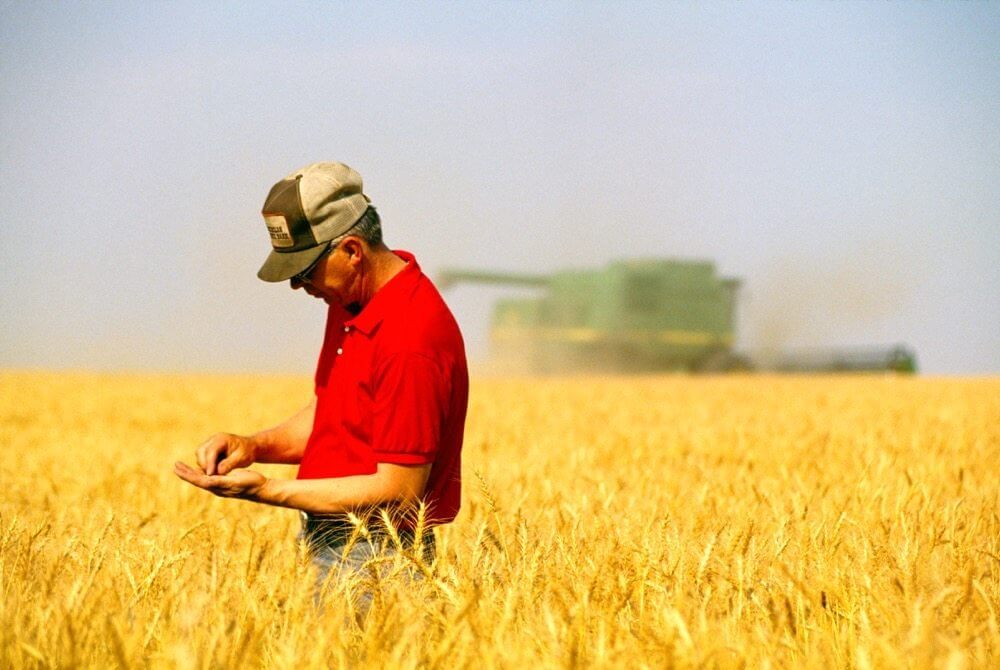
South Korea has joined Japan in suspending trade in Canadian wheat following the discovery of a small number of genetically modified plants in southern Alberta.
It’s standard protocol in both countries to temporarily close markets in such cases, Global Affairs spokesman Jesse Wilson said Monday.
“The Government of Canada is working with foreign trading partners to ensure they have all the necessary information to make informed decisions and limit market disruption,” he said in an emailed statement.
Japan suspended imports of Canadian wheat on Friday after the Canadian Food Inspection Agency announced the discovery. South Korea followed suit on Monday.
…
Genetically modified wheat is not allowed to be grown commercially anywhere.
Tests have concluded the wheat did not make its way into the food supply and was isolated to a few plants in the ditch where they were found. Health Canada said there are no safety risks.
Most of us have heard of the gene edited non-browning mushroom that passed through USDA review without the regulatory hurdles faced by transgenic (GMO) crops. And you might have heard of the many different gene edited crops in the pipeline or some of the nimble start ups working in this new breeding space. You might not be aware of just how much the new technology of gene editing is about to revolutionize the improvement of crops over just the next few years.
It seems like a good time for an overview of the companies outside of the Big Four (Big Three? Big Two? Have I missed another merger?) that are working in this space and what they are working on.
Calyxt
Minnesota-based Calyxt has a dizzyingly ambitious pipeline of products, with a nearly equal split of consumer and agronomic traits. The core of the portfolio is high oleic acid soybeans, high fiber wheat, reduced gluten wheat, and lower saturated fat canola. Those are likely to be commercialized over the next two years or so. In earlier stages of development are improved protein content soybeans, cold storable potatoes, reduced browning potatoes, late blight resistant potato, drought tolerant soybeans, improved yield soybeans, powdery mildew resistant what, herbicide tolerant wheat, canola, alfalfa, and finally improved quality alfalfa.
Yield 10 Bioscience
Yield 10 Biosciencefocuses very tightly on its “Smart Carbon Grid for Crops” with the goal of eliminating “bottlenecks in plant carbon metabolism by harnessing microbial diversity”. The goal is to improve carbon conversion efficiency in crops to increase agricultural yield. They have a smaller portfolio of products than the other companies, but their breeding goals are more ambitious, as they are working to vastly increase the metabolic efficiency of C3 plants (canola, soybean, rice, wheat and potato) in converting atmospheric carbon dioxide into plant biomass to match the efficiency of C4 plants (corn, sugar cane).
The company is currently working on camelina and canola. Camelina is an oilseed that’s been studied as an alternative crop in Eastern Oregon and elsewhere in the arid West, since it’s capable of surviving with minimal irrigation.
However, the crop isn’t widely cultivated because it’s currently not profitable enough for growers, said Snell. “You need to get the yield up to make it viable.”
Yield 10 Bioscience is examining the possibility of “stacking” the trait associated with increased oil content with other genes that improve yield, potentially making camelina more economically attractive, she said.
Yield 10’s higher oil content camelina has been cleared by the USDA for commercialization. If the market price of camelina was viable, it could compete as a biofuel competitor to kerosene-based jet fuel.
Pairwise Plants
Pairwise Plants is a newer company that just received major investment by Monsanto. Pairwise will work exclusively with Monsanto in corn, soybeans, wheat, cotton and canola crops. Under the companies’ collaboration and licensing agreement, Monsanto will contribute $100 million to access and develop Pairwise IP in row crop applications, including an option to commercialize products resulting from the research collaboration.
Kiersten Stead of Monsanto Growth Ventures told AgFunderNews that Pairwise will have the capability to bring gene-editing to crops beyond the row crops that most gene-editing research has focused on to date. “Pairwise will also be working on a variety of specialty crops through collaborations and directly via in-house precision breeding programs,” said Stead.
Gene editing is far less developed in specialty crops than in row crops like corn and soy. Stead said that crops outside the broad-acre category, like tree fruit crops and quinoa, are “underbred,” and therefore not as efficient as they could be. “They have not had the benefit of the major ag companies putting hundreds of millions of dollars into modern breeding technologies optimizing these crops to help them produce the most calories and nutrition for the least amount of inputs,” she explained.
Caribou
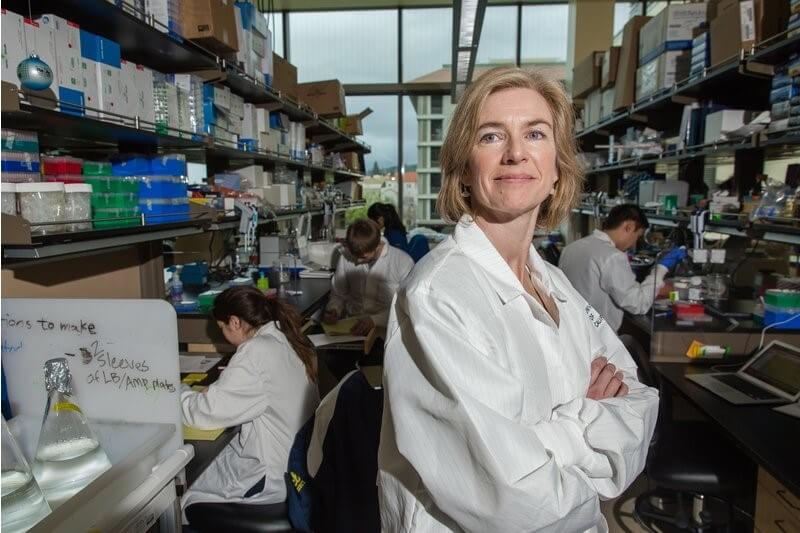
Caribou is a company founded by Jennifer Doudna and Emmanuelle Charpentier, the duo of scientists who adapted CRISPr-CAS9 as a gene editing tool, to put that tool to commercial use. They will be working in the ag/seed trait sector, but have not made any projects public and declined comment for this story.
Cibus
Cibus is small company with about 120 employees based in San Diego but with offices in Minneapolis, Winnipeg and Kapelle, Netherlands. Cibus currently has their SU Canola on the market, a canola paired withDraft, a sulfonylurea herbicide produced by the Canadian company Rotam. They have a partnership with Cargill to connect canola farmers to the non-GMO premium.
Cibus is also developing a glyphosate tolerant crop. It is expected to be launched in the United States in 2019 and in Canada a year later. They are shooting for two herbicide tolerant products for rice. Finally, they are developing a potato that is resistant to Phytophthora, the disease responsible for the Great Famine in Ireland)
I spoke with Cibus president and CEO Peter Beetham by phone. Here are the highlights of our interview:
GLP: Are you in the business of producing seeds? Are you producing SU Canola, or are you licensing the trait to seed companies and breeders?
Beetham:We developed the SU trait ourselves and we’ve developed over a number of years a program where we’ve developed elite hybrids that we are selling into both the US and Canada. Primarily, we are a trait development company and this is our first commercial foray as a combined seed and trait company.
GLP: What are the components of your Rapid Trait Development System (RTDS™)?
Beetham:It’s system that uses a whole series of tools. We use everything in our toolkit, that includes our core technologies gene repair oligonucleotides, that is, being able to use oligonucleotides to target direct to mutagenesis. So fundamentally the outcomes of RTDS™ are to direct to mutagenesis. We use cell culture. We use molecular biology tools to find mutations. We are also using
Cibus CEO Peter Beetham
more recent tools like nucleases, the equivalent of TALENs and CRISPRs. So, we use a combination of technologies to get to the end product. The key thing is not all gene editing is the same. When people think of gene editing they may think of CRISPRs or TALENs or zinc fingers, but the key in our deployment is that it’s a non-transgenic manner. We don’t use any steps that would constitute a GMO.
GLP: So, is RTDS™ a set of proprietary tools? Or is it the way you systematize and routinize the use of the your preferred tools?
Beetham:We’ve got a number of proprietary tools in our toolbox, but we also have some trade secrets in how we combine them.
GLP: Let’s talk about industry partnerships. I’ve read that you have partnerships with Cargill and Bunge to connect the canola with the non-GMO sector. Or are you just enabling farmers to enter into those programs that Cargill and Bunge have simply by providing first rate non-GMO seed?
Beetham:We co-market with those guys, particularly Cargill. In North America. We have an agreement with them. When we sell SU Canola seed to a farmer, Cargill calls that farmer to say, we’d like to offer you a premium per hundredweight at the end of the season if you bring that grain to to our crushing facility. We co-market with them, but the contract is between Cargill and the farmer. But the farmer can sell into the commodity market or the premium non-GE market.
GLP: I know Cargill is partnered with the Non-GMO Project. Where have they weighed in on gene-editing?
Beetham:I think the important thing is that gene-editing is not one thing. But for the Non-GMO Project, their thing has been testing, for transgenics and that’s what Cargill contracts with them to do.
GLP: The Non-GMO Project is pretty political organization. They are generally pretty anti-modern agriculture. I think they are eventually going to be pressured into taking a position on gene editing. We’ll see how that goes, but I expect they will go one way rather than the other.
Beetham:My thinking on this is that consumers are going to demand more understanding and transparency in their products. I think the USDA is reacting to that with their new Bio-engineering labels. And they will be one among many. I like to think that companies like us and Calyx will work with groups to provide information about what benefits our products provide and the processes into the marketplace.
GLP: I think the Non-GMO Project is going to throw you guys under the bus at one point … You don’t need to comment on that. Moving on. When do you expect to get the glyphosate tolerant flax to market?
Beetham:We’ll be doing some more field testing this year and the next. Most likely 2021, it could be as early as 2020, but in that time frame. 2020 would only be a very small launch with a main launch in 2021.
GLP: How big is that market in North America? How many acres looks like success for you?
Beetham:I always think about it like this, every flax grower grows canola, though not every canola grower grows flax. It’s couple million acres.
GLP: Is the distribution of SU Canola still confined to North Dakota and Montana? Did I see that there was an expansion into Canada?
Beetham:We did a small launch into Canada this year. It took a few years to get into Canada with a new weed control system, so that’s been very exciting to us as a company. So we were able to register some hybrids in Canada and we set up the Canadian team. Mainly selling in Manitoba right now. But we are looking to expand that more broadly into Saskatchewan and Alberta. But at the moment we are focused on Manitoba and a small area around Saskatoon.
Mis- and disinformation are distorting science and public policy. Subscribe to our Daily and Weekly Digests for incisive coverage of ‘disruptive’ innovations in AI, agricultural biotechnology, food, chemicals, nuclear energy, vaccines, and other disruptive innovations.
GLP: If I understand correctly, the regulatory process in Canada – they regulate on risk rather than method, so was there greater regulatory scrutiny in terms of that seed/herbicide combined weed control system?
Beetham:In Canada, the Canadian Food Inspection Agency (CFIA) has a thing called Plants with Novel Traits (PNT). So anything that has a new characteristic, and they feel like there is a novelty determination it goes through that process. It doesn’t matter what method you use to get there, it goes through that process. That’s around a two year process. We’ve been through that process with our SU Canola and one of our partners took a canola with our technology through that as well.
GLP: Is BASF producing an SU Canola or was that a different product?
Beetham:No, we did some work with them for their Clearfield brand on tolerance of a different herbicide.
GLP: What herbicide are you looking to pair with rice?
Beetham:That’s not public information, but we are looking at two different modes of action. The way we see the world is that farmers expect weed control packages on a lot of their seed. That’s the case for all the major crops. And that allows them to reduce herbicide use. So we see it as an operating system. When you buy a computer, you expect that it comes with an iOS or Windows.
GLP: Is the plan to stack those herbicide tolerance traits?
Beetham:In certain markets we might stack those traits. In others, that might not make sense. We’re agnostic when it comes to chemistry. We’re not a chemical company. What we’d like to offer farmers is the best solution for their managing of the their weeds.
GLP: What the timeline look like for commercializing the rice and the potato?
Beetham:It’s in the 2020 – 21 time frame. The potato is a little longer. We’re still developing that, so it’s going to be a few years beyond that. The potato seed industry has a longer pipeline. We might be selling, but consumers might not see that for a few more years. That has to do with the virus resistance and seeing that the seeds are certified – and we’ll sell to seed producers before that.
GLP: What’s the regulatory environment for gene editing look like in the big rice producing countries? Is it still up in the air?
Beetham:It’s very optimistic. What’s interesting is that there is a huge appetite for the new characteristics and benefits that this new suite of technologies can bring to the marketplace. I think there is a really strong understanding that these products are indistinguishable from what could occur in nature. What could occur in a breeding program that could take a century or decades, could instead take single digit years. There’s a strong appetite for that. There’s an education … it’s important for the industry to communicate that there are new tools that we can use that are very precise and accurate. When we are talking to potential customers, but also consumers, that really resonates with them.
Marc Brazeau is the GLP’s senior contributing writer focusing on agricultural biotechnology. He also is the editor of Food and Farm Discussion Lab. Follow him on Twitter @eatcookwrite
Mexico is the center of origin for maize, and there is a substantial interest in protecting the genetic integrity of this limited resource. At the same time Mexico’s population is growing, and farmers potentially find utility in growing genetically-engineered corn, as resistance to insects and lower pesticide use are attractive traits. There is an intricate balance between feeding a population and ensuring farmer profit versus preservation of a genetic resource. In this week’s podcast Dr. Paul Vincelli (@pvincell) interviews Dr. Sol Ortiz Garcia, the Commission on Biosafety of Genetically Engineered Organisms. How much GE maize is cultivated in Mexico? Is it a threat? Is there evidence of transgene flow from imported feed? These are important questions, as the topic of genetic integrity of natural populations is a frequent area of discussion and debate.
STAT’s story about CRISPR-edited cells often lacking a functional gene known to prevent cancer caused a bit of a stir…
Cut to the chase: Is this the death knell for CRISPR? No. Not even close.
So why are we here? Because two studies in Nature Medicine, from two different teams of scientists studying two different uses of CRISPR in two kinds of human cells reached the same conclusion…
That might matter why? Because cells lacking a functional p53 have a greater chance of uncontrolled proliferation, a.k.a. cancer. Full stop, no debate.
…
So now what do we do? Study skeptics just dismiss the possibility that CRISPR’d cells might have cancer-causing properties. Nothing to see here; just move along! Or so some readers seemed to think.
The authors of the two papers had a different suggestion…In other words, anyone who is developing CRISPR therapies should keep an eye out for this. It would also be a good idea to study it further to see how prevalent a problem it might be.
…
That makes it sound as if the risk of a patient actually developing cancer from CRISPR’d cells is really low. How big a cancer risk might CRISPR’d cells pose? No one has any idea, which is exactly the point of investigating further.
The basic unit of life is the cell; tiny, fatty, self-replicating bubbles that have adapted to fill almost every environment on earth. Yet, breakthroughs in Synthetic Biology are now allowing us to break biology out of its cell and into a new era of biomanufacture; engineering cellular biochemistry in a test tube.
Cell free systems, such as the one Dr. Quentin Dudley has set up at Earlham Institute, open up exciting new possibilities for collaboration across disciplines. We spoke to Quentin and Dr. Susan Duncan about their OpenPlant collaboration to see if they can reduce the costs associated with wheat research, and how cell free synthesis can help to unravel the mysteries of the plant circadian clock.
…
“I think cell-free systems are particularly powerful in terms of getting the best of two worlds: you can leverage the complexity of natural biology while being able to interact and control the system easier than inside a cell,” says Quentin.
…
“I think plant biology could really benefit from using cell-free tools to accelerate experimental work flows and I am excited to be part of efforts to tackle the challenge of developing plant-like cell free systems.”
There’s been a legal battle going on to determine which of the scientists whose research led to CRISPR’s discovery gets to own it (and collect money from licensing it).
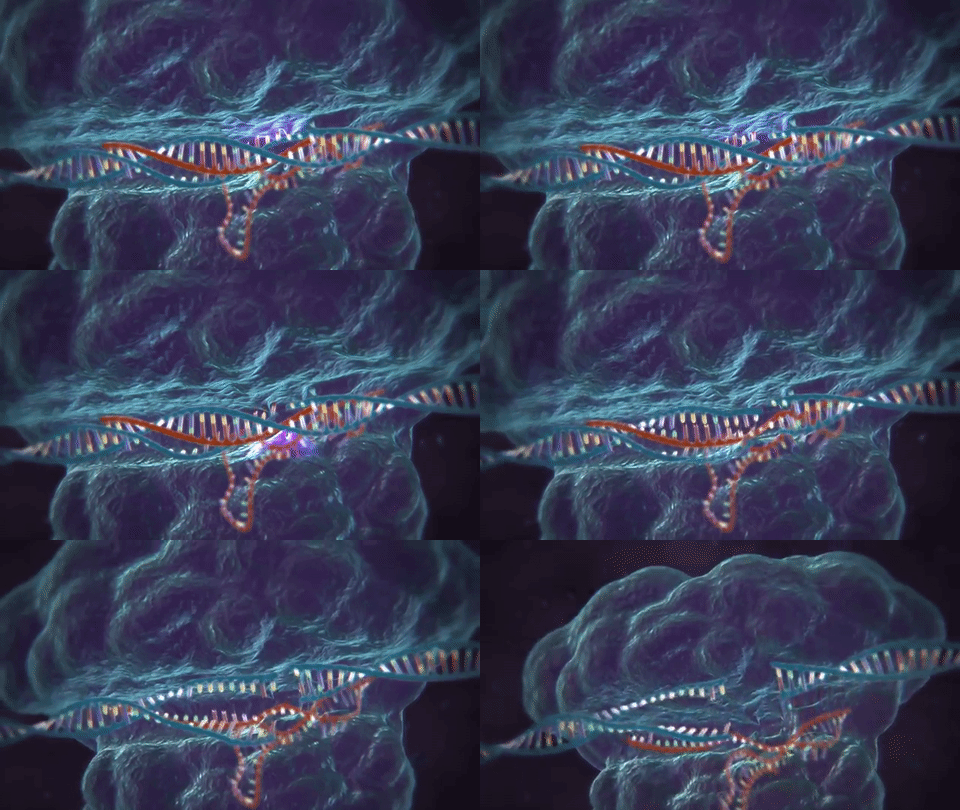
The U.S. Patent and Trademark Office (USPTO) just decided to grant not one, but two new CRISPR patents to UC Berkeley, home of biochemist Jennifer Doudna.
…
On [June 12], the office granted UC Berkeley its first CRISPR-related patent, which the university applied for in 2014. This one focuses on using CRISPR-Cas9 to edit single-stranded RNA (and not DNA).
The USPTO will reportedly grant UC Berkeley the other patent, which the university applied for in 2015, next week, according to a STAT News report. That patent centers on using the standard CRISPR-Cas9 system to edit regions specifically 10 to 15 base pairs long. UC Berkley sees a number of potential applications in research, diagnostics, and industry for their new CRISPR patent.
But the rest of the scientific community sees it differently. A spokesman for the Broad told STAT the issued patent’s claims “are extremely narrow and would have little or no effect on the CRISPR field.”
…
No matter how important these specific patents are, the sheer number of granted patents is a testament to the amount of research dedicated to CRISPR. With each new discovery, we get one step closer to that imagined future free of disease.
This fact sheet describes the contents of an organic industry confidential public relations plan to spread fake science in its promotion. In December of 2013, Washington State University issued a press release claiming nutritional benefits in organic milk. The research was part of an organic industry funded program at the university called Measure to Manage.
The organic industry plan includes dozens of front groups, academics, and journalists that could be counted on to “help assure that the release and outreach effort is broad and on‐message.” Media personalities are listed as people who “might be willing to actively participate in ongoing social media efforts”.
This fact sheet provides a sense of the depth and breadth of the corporate attack on science in defense of what the organic industry calls a “gateway drug” for new mothers.
To read the full article and see the list, click here: The organic industry relies on these partners to spread fake science
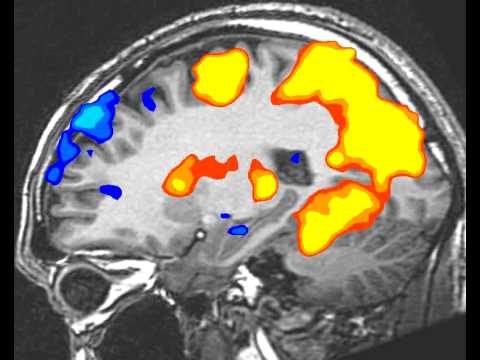
For the first time, new research from the University of Missouri provides evidence that there may be a correlation between cerebro-cerebellar functional connectivity and the balance of excitation-to-inhibition neurotransmitters in the cerebellum of individuals with autism spectrum disorder (ASD). The MU researchers speculate that clinical implementation of two tests used for this study — resting state functional magnetic resonance imaging (fMRI) and proton magnetic resonance spectroscopy (1 H-MRS) — could eventually lead to more precise and individualized medical treatments for patients with ASD.
…
I spoke with David Beversdorf (link is external), who was the senior author of this paper and is a professor of psychological sciences [and] neurology.
…
[T]he primary regions of interest for the researchers were the right posterolateral cerebellar hemisphere (R Cereb Hemi) and the left dorsolateral prefrontal cortex (L DLPFC). The interplay between these contralateral brain regions is believed to play a central role in social communication and language processing. Notably, study participants with low functional connectivity between these brain regions also displayed a lower ability to infer meaning from verbal information.
…
[T]his research is significant because it is the first time neuroscientists have identified a possible link between cerebro-cerebellar functional connectivity, neurotransmitter imbalance in the cerebellum, and the potential use of fMRI and 1 H-MRS tests to identify specific biomarkers for ASD.
A new green revolution is in the making. Farmers in India are now using social media to promote and advocate for the use of genetically modified (GM) seeds. The anti-GM lobbyists are shocked by this unexpected demand among farmers, and this is just the beginning.
…
The messages elaborated the benefits of GM seeds and urged people to support the advocacy for the legalization of GM seeds in India.
…
The Indian government’s attempt to legalize the use of GM mustards hit a roadblock in 2016 after opposition by radical environmentalists, and the crop is yet to be commercialized.
…
The government of India’s favourable position towards GM mustards and GM brinjal comes after it received approval from robust scientific tests conducted by qualified scientists and by the environment ministry’s Genetic Engineering Appraisal Committee.
[A] new body of research [is] arguing that if not for our hominin ancestors’ hard-earned ability to produce complex tools, language as we know it might not have evolved at all. The research is occurring at the cutting-edge intersections of evolutionary biology, experimental archaeology, neuroscience, and linguistics, but much of it is driven by a very old question: Where did language come from?
…
In a recent paper in the journal Philosophical Transactions of the Royal Society B, [biologist Oren] Kolodny argues that early humans—while teaching their kin how to make complex tools—hijacked the capacity for language from themselves.
…
[Anthropologist Dietrich] Stout found that his students’ white matter—or the neural connectivity in their brains—increased as they gained competence in flintknapping. His research suggests that producing complex tools spurred an increase in brain size and other aspects of hominin evolution, including—perhaps—the emergence of language.
…
Rudimentary language, which evolved in the context of toolmaking and teaching, was ultimately able to break away from its immediate contexts—this is the hijacking part—eventually employing those original cognitive pathways for its own unique purposes. The result, as Monty Python viewers have appreciated for decades, was our modern, turbo-driven faculty for language.
Researchers at MIT have created a psychopath. They call him Norman. He’s a computer.
Actually, that’s not really right. Though the team calls Norman a psychopath (and the chilling lead graphic on their homepage certainly backs that up), what they’ve really created is a monster.
Norman has just one task, and that’s looking at pictures and telling us what he thinks about them. For their case study, the researchers use Rorschach inkblots, and Norman has some pretty gruesome interpretations for the amorphous blobs. “Pregnant woman falls at construction story” reads one whimsical translation of shape and color; “man killed by speeding driver” goes another.
…
An untrained AI is perhaps the closest thing we’ll get to a true tabula rasa and it’s the training, not the algorithm that matters most when it comes to how AI see the world. In this case, the researchers trained Norman to interpret images by exposing him solely to image captions from a subreddit dedicated to mutilation and carnage. The only thing Norman sees when he’s confronted with pictures of anything is death.
In humans, Rorschach inkblots might help to ferret out a killer by coaxing out hints of anger or sadism — emotions that might motivate someone to commit heinous acts. But Norman has no urge to kill, no deadly psychological flaw. He just can’t see anything else when he looks at the world.
I attended a presentation given by Vandana Shiva, a well-known anti-GMO activist, at the University of Wisconsin-Oshkosh. It was definitely an eye-opener to understanding why people are so disconnected with American agriculture.
Shiva, like American farmers, is passionate about the environment, but the way she portrayed the image of farmers and GMOs to the public was concerning. Her opinion is that the world is being treated as a machine and that the Earth’s freedoms are being pressured by the population she refers to as “industrial ag.” Well, behind her label of “industrial ag” are real people and families that raise food for 100 percent of the population, while, in the U.S., they make up less than 2 percent.
In the U.S., 97 percent of farms are family owned, so why wouldn’t they want to protect the environment? Farming is a way of life, that for many, has been passed down from generation to generation. Yes, farmers want to make a living off the land, but they also realize that in order to be successful and profitable, they must care for the resources on which they depend.
…
Shiva also believes that “industrial ag” provides 30 percent of food to the market and uses 70 percent of the resources. Do you believe this? According to the USDA the proportion of the land base that agriculture uses has declined from 63 percent in 1949 to 51 percent in 2007, a direct result of urban sprawl. With the number of acres available to grow and raise food products declining, farmers have implemented technology and conservation practices to help sustain resources such as land and water.
…
While I am disappointed that UW-Oshkosh spent thousands of dollars on an event that spread misinformation and fear, my eyes were opened to the importance of farmers and agriculturists being present, engaged and willing to stand up for American agriculture.
[On June 9th], the Argentinian government approved the first transgenic alfalfa for the country with resistance to the glyphosate herbicide and with a lower lignin content. Before June 9th, there was transgenic alfalfa that was introduced without commercial authorization.
The request was made by Indear, linked to the Bioceres group. Through Bioceres, Indear made an agreement with Forage Genetics International, owned by the United States cooperative Land O’Lakes. In Argentina, the firm operates for its products with the WL brand.
…
“It is the first legal transgenic alfalfa in the country, and the launch will be in 2019, but this spring we will have the first import of merchandise,” Federico Trucco, CEO of Bioceres , told LA NACION. Trucco stressed that alfalfa is tolerant to glyphosate for the control of weeds and reducing the lignin content. “At the same kilos of biomosa, you can have more kilos of meat or milk, and you can delay the cut,” he explained.
[T]here’s more to plate tectonics than earthquakes and eruptions. A wave of new research is increasingly hinting that Earth’s external motions may be vital to its other defining feature: life. That Earth has a moving, morphing outer crust may be the main reason why Earth is so vibrant, and why no other planet can match its abundance.
…
In the past few years, geologists and astrobiologists have increasingly tied plate tectonics to everything else that makes Earth unique. They have shown that Earth’s atmosphere owes its longevity, its components, and its incredibly stable Goldilocks-like temperature — not too hot, but not too cold — to the recycling of its crust. Earth’s oceans might not exist if water were not periodically subsumed by the planet’s mantle and then released. Without plate tectonics driving the creation of coastlines and the motion of the tides, the oceans might be barren.
…
[P]late tectonics might be necessary for the evolution of advanced species. [geologist Robert Stern] reasons that dry land on continents is necessary for species to evolve the limbs and hands that allow them to grasp and manipulate objects, and that a planet with oceans, continents and plate tectonics maximizes opportunities for speciation and natural selection.
“I think you can get life without plate tectonics. I think we did. I don’t think you can get us without plate tectonics,” he said.
Earlier this month, I saw an interesting juxtaposition of newly-published papers making headlines. One was about predicting breast cancer recurrence and the effect on chemo choice, the other on predicting premature birth within two months of the due date.
Apples and oranges, perhaps, but both indications use the same technology: gene expression profiling (measuring messenger RNAs, aka transcripts, which guide synthesis of specific proteins). But the studies are at opposite ends of the research trajectory, with the breast cancer paper representing thousands of patients who’ve taken a test that’s been on the market for years, and the prematurity paper a pilot study of only a few dozen women.
Some media reports accurately conveyed the differing magnitudes of the two reports. But with health news competing for coverage against the constant backdrop of politics, and often based on press releases proclaiming ‘breakthroughs” and deeming biotechnologies that have been around for decades “cutting edge,” I worry that some people might think that the prematurity-predictor can help pregnant women now or in the near future. It can’t.
A tale of two studies
The report on June 3 in the New England Journal of Medicine from J. A. Sparano, MD, of Montefiore Medical Center and colleagues, focused on 6,711 women with a specific type of breast cancer who received an intermediate score on a test of gene expression commonly used to guide the choice of whether or not to have chemo. If cancer recurrence risk is low, the risk of chemo side effects may be personally unacceptable.
OncotypeDX, done on cancer cells, provides a score of 1-100 derived from the expression patterns of 21 genes that affect risk of cancer recurrence. A score of 26 or higher indicates a recurrence risk enough for chemo to be of benefit and a score below 10, low enough to skip chemo. The results from the new study, called TAILORx for Trial Assigning Individualized Options for Treatment, are important for women with a score of 11-25.
I know from my online breast cancer support group that being in that gray zone is a source of great confusion and angst.
In TAILORx, half of the gray-area women had chemo, half didn’t, and they fared about the same in terms of cancer recurrence. This understandably upset many women who’d suffered the side effects of chemo and now wondered whether it was necessary. But the study was convincing — numbers that large are hard to dismiss, and they take years to accrue.
In contrast, the recent report in Science, from Stephen Quake, PhD, an investigator at the March of Dimes Prematurity Research Center at Stanford University and colleagues, tracked snippets of fetal RNA in blood samples from, across three analyses, 69 pregnant women. The findings, if validated, could lead to a single blood test during pregnancy that could identify gestational age (the number of weeks since conception) as well as elevated risk of premature birth.
Knowing gestational age is important to determine the due date for women who have not had prenatal care and/or don’t know when they conceived. Ultrasound scans are less effective in estimating gestational age as pregnancy continues, and isn’t available to all women.
Prematurity is the leading cause of newborn death in the US, affecting nearly one in 10 births. Worldwide each year, 15 million babies are born too soon.
A novel application of detecting cell-free nucleic acids
In breast cancer, the telltale RNA profiles that represent oncogenes and tumor suppressor genes are obtained from tumor cells, collected from biopsies, lumpectomies or mastectomies. The approach has been around awhile. I first wrote about these tests in 2003 and the first products — Oncotype DX and MammaPrint— came on the market a year or so later.
Image source: Versys Clinics
The preterm birth application isn’t invasive like the breast cancer test, instead sampling small RNAs from a pregnant women’s blood plasma — the RNAs aren’t inside cells, hence the name “cell-free” or cfRNA. This differs from the prenatal tests on cell-free fetal DNA to detect extra chromosomes that’s been offered to many women since 2014, developed by Dr. Quake’s group and another research group and reported in 2008. It’s called noninvasive prenatal testing (NIPT).
Searching for nucleic acid clues in maternal blood plasma actually goes back fairly far. Fetal RNA was first found in 2000 and cell-free DNA years before that. A report on a five-fold elevation of cell-free fetal DNA in the circulations of pregnant women with pre-eclampsia was published in 1893!
Zeroing in on the telling transcripts
The work described in the Science paper on the preemie predictor requires validation in a much larger, more diverse group, as the researchers point out. The experiments were done in stages.
First, the researchers analyzed blood samples taken weekly from 31 pregnant women from Denmark. They analyzed the blood for specific RNAs from the placenta, the immune system, or the fetal liver — a rounding-up-the-usual-suspects strategy that might have missed some relevant gene transcripts.
A set of nine RNAs, all made in the placenta, emerged as the most meaningful in predicting gestational age in 21 of the women, and the researchers validated this in the other 10 participants. But because the women had all given birth on time, it wasn’t clear whether the nine RNAs could predict preterm birth too. (Tracking the RNAs each week also fleshed out details of fetal growth and development.)
So a second experiment sampled blood once during the second or third trimester for 38 women from the U.S. at risk for giving birth prematurely based on previous pregnancies: 15 (from the University of Pennsylvania) who’d had premature contractions and 23 (from the University of Alabama) who’d had a premature baby.
But the nine transcripts from the first part of the study only predicted time to delivery for the 23 women from this new group who delivered at term, and not for 13 of the 15 women who delivered early. (The results are confusing because 15 women were from Alabama and 23 from Pennsylvania, and also 15 delivered preterm and 23 at term. I’m assuming these aren’t the same groups, but this is one more reason to greatly expand the sample.)
So it was back to choosing RNAs.
A third part of the investigation then looked at RNAs from seven women who’d given birth at term and eight who’d had preemies, from the Pennsylvania group. That approach found an initial 38 genes whose expression differed significantly between term and preterm, narrowed down to seven that were the most informative in predicting which women would give birth up to two months ahead of schedule.
Hype
If I’m reading the paper correctly, findings in just 15 women inspired the news reported by Time Health (“There May Soon Be a Blood Test for Predicting Premature Births”), the New York Times, CNN and all the others. Yikes!
Even the disclaimers are, well, not enough.
I’m not questioning that this study should have been published — the findings are valuable and exciting — but the news release from the March of Dimes is alarming in what it omits.
The first sentence: “New research funded by March of Dimes has found biomarkers in maternal blood that accurately identified pregnant women who would go on to deliver babies up to two months prematurely.” The news release offers lovely quotes from researchers — “eavesdropping on a conversation between the mother, the fetus, and the placenta” and a “transcriptomic clock of pregnancy” – but no statistics! No context.
In contrast, the news release from Stanford is complete and clear, and offers it’s own fabulous quote, from team member and Stanford graduate student Mira Moufarrej. “It’s mostly maternal genes. We think it’s mom sending a signal that she’s ready to pull the ripcord.” Having pulled that ripcord three times, once a bit early and popping out 4-pound 2-ounce daughter #1, I was happy to see a description on the whole-woman level.
The profiled genes make sense
Once expression patterns link a suite of genes to a physiological function or malfunction, the fun part of hypothesizing how the encoded proteins intervene begins. The 7 genes whose expression is being fashioned into a predictive test for preterm labor make sense. Some (RGS18, MAP3K7CL, and MOB1B) control the rate of cell division. PPBP encodes a growth factor with many functions, and DAPP1 is implicated in inflammation and innate immunity.
More specific to pregnancy are CLCN3, which encodes a chloride channel that takes part in inducing labor, and RAB27B, which controls the movement of tiny sacs (vesicles) within and between cells and guides development of the placenta. Perhaps investigating how the genes disrupt prenatal development, and nailing down when they do so, might lead to interventions to dampen premature contractions.
The great promise of the technique is a single blood sample that reveals the nine transcripts tracking with gestational age, the seven transcripts that predict preterm labor, and others yet to be discovered that might reflect fetal health. Such a transcriptional analysis could provide more helpful information than ultrasound peeks, yet not the TMI of a full fetal genome sequence, already possible.
Stay tuned. Whether a cell-free fetal RNA test to prevent premature birth is one day offered through a prenatal care provider, or joins at-home pregnancy tests and ovulation predictors on pharmacy shelves, it may help to save the lives of the littlest.
Ricki Lewis is the GLP’s senior contributing writer focusing on gene therapy and gene editing. She has a PhD in genetics and is a genetic counselor, science writer and author of The Forever Fix: Gene Therapy and the Boy Who Saved It, the only popular book about gene therapy. BIO. Follow her at her website or Twitter @rickilewis.
Wily weeds can develop resistance to herbicides, allowing them to compete with genetically modified crops designed to tolerate weed-killing chemicals. Now, a team is proposing another approach to genetically engineering crops to outwit weeds: cotton that feeds on an alternative fertilizer, one that weeds can’t use (read study here). The scientists haven’t yet tested the crops in actual fields, but they say if proven effective, their tactic may suppress weeds and prevent environmental pollution caused by overuse of the traditional fertilizer phosphate.
“This work is exactly the sort of genetic engineering that I would like to see more of, traits that expand the realm of what farmers can do while protecting the environment,” says Anastasia Bodnar, a plant geneticist who was not involved with the work and is the policy director for Biology Fortified, a nonprofit organization that fosters discussion around biotechnology and agriculture.
Regular plants need phosphate to grow, but the new cotton can survive on phosphite instead, because the crop is engineered to contain a bacterial gene that confers the ability to convert phosphite to phosphate, explains Luis Herrera-Estrella, who co-led the work.
Genetically modified wheat, which is not authorized for commercial production in Canada, was discovered growing on an Alberta farm last year, officials revealed [last] week.
None of the wheat from the “isolated patch” made its way into the commercial system, officials said Thursday [June 14th] – nor does the discovery pose a risk to food safety. Still, they acknowledged that they don’t know when the plants began growing, or why.
“We cannot speculate on how it arrived,” said David Bailey of the Canadian Food Inspection Agency. “What we can say with confidence is it has not left that location.”
Nonetheless, Japanese officials Friday [June 15th] suspended the sale of Canadian wheat for now.
“We are suspending the tender and sale of Canadian wheat until we confirm that the Canadian wheat that Japan buys contains no GMO,” a Japanese farm ministry official told Reuters.
Officials found the plants off an access road – and not the main growing area – of a farm in southern Alberta in summer of last year. They noticed them because they survived a spraying treatment for weeds. Testing confirmed that the plants contained a genetically modified trait developed by Monsanto.
The field of developmental biology is dedicated to one of the fundamental wonders of the universe: How do complex biological structures — brains, arms, people — emerge from a single fertilized egg?
It’s a puzzler, all right. But new research out of the University of California, San Francisco suggests that we may have just cracked the first part of the complex code that informs embryonic development.
Using a kind of genetically modified “boss” cell, the UCSF team was able to get other groups of individual cells to self-organize into multi-layered structures.
…
The key to the new technique, according to researchers, is a customizable synthetic signaling molecule called synNotch, short for synthetic Notch receptor. The synNotch cell acts as a kind of middle manager molecule and allows researchers (senior management) to program nearby organic cells (salaried workers) with specific sets of instructions.
…
One of the potential applications of the technology is a very big deal. In fact, it’s a kind of Holy Grail for developmental biology: The ability to grow entire replacement organs or limbs for wound repair or transplant.
…
If biologists can figure a way to program increasingly complex structures, then natural cellular development would handle all the heavy lifting. Scientists would be, in effect, simply supplying the blueprints.
Contrary to alarmist headlines, the DIYbio movement is an unlikely biosecurity threat. The ‘do-it-yourself’ biology (DIYbio) community has had its share of sensationalist headlines exaggerating potential concerns and dangers associated with its work. The latest example came in a New York Times piece (“As D.I.Y. gene editing gains popularity, ‘someone is going to get hurt’,” May 18, 2018) that conflated work to construct a horsepox virus from synthetic DNA fragments (PLoS ONE 13, e0188453, 2018) with “sounding the alarm about genetic tinkering carried out in garages and living rooms.”
…
DIY bioterror also seems a long shot. If a rogue biohacker were to seek to create a pathogen from scratch using mail-order DNA fragments, for example, they would likely face a long, uphill struggle. Unlike David Evans’ group at the University of Alberta who made the synthetic horsepox, a DIYbio hobbyist is unlikely to convince DNA synthesis companies like GeneArt to ship DNA flagged with “homology to a known pathogen” to their home address.
…
A final aspect that seems to have escaped The New York Times journalists is the strong ethical, open, and transparent culture of DIYbio groups (e.g., see https://diybio.org/codes/) and their proactive attitude to addressing biosafety and biosecurity concerns.
…
[I]t is disappointing that The New York Times sought to overhype [DIYbio’s] risks rather than explore the movement’s potential for low-resource innovation, public engagement, and education.