Video: Can blight-resistant GMO trees save the American Chestnut?

Screen Shot at PM

The American Chestnut tree used to be a staple in American forests until it essentially became extinct due to blight. Researchers and geneticists at SUNY ESF have found a way to resurrect the American Chestnut through genetic engineering. They are now working on getting the new blight-resistant trees approved by government agencies so they can begin distributing the trees back into the forests.

Read full, original post: Saving The American Chestnut

DNA spit test for prostate cancer risk?

spit test

A new DNA “spit test” for prostate cancer can identify men who have an increased risk of developing the disease.

The research published [June 11] in Nature Genetics, funded by an international team including the world’s two biggest cancer research agencies, the National Cancer Institute (NCI) and Cancer Research UK, studied the DNA of 140,000 men to look for genetic variants that predicted for the development of the disease.

…

The study found 1-in-100 men were almost 6 times more likely than the general population to develop prostate cancer, giving them a 50% chance of developing the disease. One-in-ten men had a 25% chance of developing the disease.

“We have shown that information from more than 150 genetic variants can now be combined to provide a readout of a man’s inherited risk of prostate cancer,” said Rosalind Eeles, Professor of Oncogenetics at the Institute of Cancer Research in London.

…

Eeles explains that they now plan to start a study with primary care physicians in the UK to see whether their genetic test, using only a saliva sample, can predict which men can benefit from interventions to diagnose the disease earlier, or even reduce the risk of the disease occurring.

Read full, original post: New $100 Genetic Test Identifies Men Who Have Vastly Increased Chance Of Developing Prostate Cancer

California agency rejects Prop 65, sets aside ruling requiring that coffee carry a cancer warning

Deadly coffee concept TiSanti Getty Images large

On [June 15th], the Office of Environmental Health Hazard Assessment (OEHHA) proposed a regulation that would exempt coffee from requiring a carcinogen warning under Proposition 65 despite its acrylamide content, the AP reports. The proposed regulation comes in the wake of a new review of more than 1,000 studies, published by the World Health Organization (WHO), that found inadequate evidence that coffee causes cancer, as reported by the AP.

“The proposed regulation would state that drinking coffee does not pose a significant cancer risk, despite the presence of chemicals created during the roasting and brewing process that are listed under Proposition 65 as known carcinogens,” the agency said in a statement obtained by the AP. “The proposed regulation is based on extensive scientific evidence that drinking coffee has not been shown to increase the risk of cancer and may reduce the risk of some types of cancer.”

If this regulation is approved (the timeline is unclear at this stage), coffee companies involved in the ongoing court case Council for Education and Research on Toxics (CERT) v. Starbucks Corp. et al. could avoid having to post Prop 65 warnings as well as possible financial penalties.

Read full, original article: How Worried Do You Need to Be About Those Cancer Warnings for Your Coffee?

If DNA can predict facial construction, how can we ever have genetic privacy?

dna

Everywhere we go we leave behind bits of DNA.

We can already use this DNA to predict some traits, such as eye, skin and hair colour. Soon it may be possible to accurately reconstruct your whole face from these traces.

This is the world of “DNA phenotyping” – reconstructing physical features from genetic data. Research studies and companies like 23andMe sometimes share genetic data that has been “anonymised” by removing names. But can we ensure its privacy if we can predict the face of its owner?

Here’s where the science is now, and where it could go in the future.

Predicting hair, eye and skin colour

DNA phenotyping has been an active area of research by academics for several years now. Forensic biology researchers Manfred Kayser and Susan Walsh, among others, have pioneered several DNA phenotyping methods for forensics.

In 2010, they developed the IrisPlex system, which uses six DNA markers to determine whether someone has blue or brown eyes. In 2012, additional markers were included to predict hair colour. Last year the group added skin colour. These tests have been made available via a website and anyone who has access to their genetic data can try it out.

Trait predictions are being used to address a number of questions. Recently, for example, they were used to suggest that the “Cheddar Man”(the UK’s oldest complete human skeleton) may have had dark or dark to black skin and blue/green eyes. The predictive models are mostly built on modern European populations, so caution may be required when applying the tests to other (especially ancient) populations.

dna 5 15 18 1
Twins can show us how much of our face is in our DNA. Image credit: Clard/Pixabay

The full picture

Research on DNA phenotyping has advanced rapidly in the last year with the application of machine learning approaches, but the extent of our current capabilities is still hotly debated.

Last year, researchers from American geneticist Craig Venter’s company Human Longevity, made detailed measurements of the physical attributes of around 1,000 people. Whole genomes (our complete genetic code) were sequenced and the data combined to make models that predict 3D facial structure, voice, biological age, height, weight, body mass index, eye colour and skin colour.

The study received strong backlash from a number of prominent scientists, including Yaniv Erlich, aka the “genome hacker”. The study seemed to predict average faces based on sex and ancestry, rather than specific faces of individuals. The method of judging the predictions on small ethnically mixed cohorts was also criticised.

Even with accurate facial predictions, Erlich noted that for this approach to identify someone in the real world:

an adversary … would have to create [a] population scale database that includes height, face morphology, digital voice signatures and demographic data of every person they want to identify.

Because without a detailed biometric database you can’t get from the physical predictions to a name.

A database to match?

It turns out that the Australian government is in the process of building such a database. “The Capability” is a proposed biometric and facial recognition system that will match CCTV footage to information from passports and driving licences. Initially billed as a counter-terrorism measure, there are already reports the service may be provided for a fee to corporations.

At the same time, the Australian Tax Office has just initiated a voice recognition service. It’s easy to imagine how this kind of system could be integrated with “The Capability”.

The Australian Government is building a facial recognition system called The Capability that will match CCTV footage to information from passports and driving licences. Queensland Government

And it’s not only Australia establishing the capability to become a biometric, face-recognising surveillance state. India is deploying the Aadhar system, and China leads the world in facial recognition.

DNA mugshots

At present, most forensic DNA profiling techniques rely on “anonymous” markers that match identity to a database, but reveal little else about a suspect. With advances in genomic technology, forensic genetics is moving toward tests that can tell us much more about someone.

There are a number of companies that offer DNA phenotyping services for a fee. One company, Parabon NanoLabs, claims to be able to accurately predict the physical appearance of an unknown person from DNA. Police forces already use their services, including the Queensland police in a recent case of a serial rapist on the Gold Coast.

The Parabon system is also based on a predictive model. This was developed by applying machine learning tools to their genetic/trait reference database. The company predicts skin colour, eye colour, hair colour, freckles, ancestry, and face shape from a DNA sample. These predictions, the confidence around them, and a reconstruction made by a forensic artist are used to make a “Snapshot” profile.

There is scepticism about the capabilities of Parabon. It is difficult to assess Parabon’s system because the computer code is not open, and the methodology has not been published with peer-review scrutiny.

As with any type of DNA evidence, there is a risk of miscarriages of justice, especially if the evidence is used in isolation. The utility of DNA phenotyping at this point may be more in its exclusionary power than its predictive power. Parabon does state that Snapshot predictions are intended to be used in conjunction with other investigative information to narrow the list of possible suspects.

Mis- and disinformation are distorting science and public policy. Subscribe to our Daily and Weekly Digests for incisive coverage of ‘disruptive’ innovations in AI, agricultural biotechnology, food, chemicals, nuclear energy, vaccines, and other disruptive innovations.

Where will this all end up?

We only need to look at identical twins to see how much of our face is in our DNA. The question is how many of the connections between DNA and our physical features will we be able to unlock in the future, and how long will it take us to get there?

Some features are relatively easy to predict. For instance, eye colour can be inferred from relatively few genetic variants. Other traits will be more complicated because they are “polygenic”, meaning that many gene variants work together to produce the feature.

A recent study of hair colour genetics, for example, examined 300,000 people with European ancestry. They found 110 new genetic markers linked to hair colour, but the prediction of some colours (black or red) is more reliable than others (blonde and brown).

The way that DNA codes our physical features might be different in people from different ancestral groups. Currently, our ability to predict modern Europeans will be better than other groups – because our genetic databases are dominated by subjects with European ancestry.

As we employ increasingly sophisticated machine learning approaches on bigger (and more ethnically representative) databases, our ability to predict appearance from DNA is likely to improve dramatically.

Parabon’s services come with a disclaimer that the reconstructions should not be used with facial recognition systems. The integration of these technologies is not impossible in the future, however, and raises questions about scope creep.

What does this mean for genetic privacy?

Despite the controversy around what we can do now, the science of DNA phenotyping is only going to get better.

What the rapidly developing field of DNA phenotyping shows us is how much personal information is in our genetic data. If you can reconstruct a mugshot from genetic data, then removing the owner’s name won’t prevent re-identification.

Protecting the privacy of our genetic data in the future may mean that we have to come up with innovative ways of masking it – for example genome cloaking, genome spiking, or encryption and blockchain-based platforms.

The more we understand about our genetic code the more difficult it will become to protect the privacy of our genetic data.

Dr. Caitlin Curtis is a research fellow at The University of Queensland. She has broad expertise in genetics including conservation genetics, ancient DNA, DNA forensics, and vector genomics. Follow her on Twitter @DrCaitlinCurtis  

James Hereward works in the general area of food security by using population genetics to understand the evolution of agricultural pests. Follow him on Twitter @HerewardJames  

A version of this article was originally published on the Conversation’s website as “DNA facial prediction could make protecting your privacy more difficult” and has been republished here with permission.

Viewpoint: EU’s neonicotinoid ban is a ‘scientific fraud’ and won’t protect bees

bee

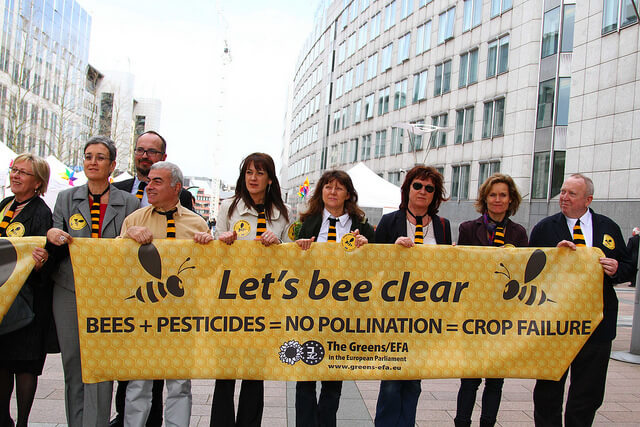
Five years after the European Union imposed a temporary ban on neonicotinoid pesticides, an “experts committee” of the member states has now finally voted to make the ban permanent. This was hardly a surprise. The vote followed shortly after the European Food Safety Authority (EFSA) published their advisory opinion that neonics “represent a risk to wild bees and honeybees,” a finding that got banner headlines across Europe and the U.S.

Any reporter who actually read the report, however, would have discovered that EFSA found nothing of the sort. What they actually found was that it’s very difficult in the real world of science to prove a negative, which is why the most repeated phrase on the inside pages was that a “low risk could not be confirmed.”

The distance between saying something “represents a risk” and the peculiar assertion that a “low risk could not be confirmed” is quite wide, of course. In criminal law, it’s the difference between how we do things in democracies, where the government is required to prove your guilt, and Soviet-style justice where you have to prove your innocence.

d z
Image credit: greensefa/Flickr

And like Soviet prosecutors intent on railroading a troublesome dissident, nothing was going to stop the EU regulators’ single-minded prosecution of a ban. Not a mere semantic distinction like this. Not the mass of scientific evidence that has convinced regulators in the U.S., Canada and Australia that bees can forage safely on neonic treated crops. Not the fact that the original “bee-pocalypse” crisis — the reason neonics were banned in the first place — turned out to be complete fiction. (Indeed, honeybee populations are rising in Europe and every other habitable continent in the world, and have been since neonics came on the market in the mid-1990s – facts that are  easily discoverable with a Google search on the FAO’s website: http://www.fao.org/faostat/en/#data/QA). Not the fact that the Commission’s own report identified the Varroa mite and the numerous diseases it vectors into the hive as the primary cause of bee health problems. Not the fact that the same report found only three of 100 beekeepers and only one of the bee laboratories surveyed pointed to pesticides as a major issue.

EFSA’s evidence-be-damned approach was most apparent, however, in their insistence on issuing regulatory “guidance” that ensured they would never be able to “confirm” a low risk to bees, even though the great weight of scientific evidence demonstrates just that.

Usually, when people cheat, they try to hide it. As I’ve discussed in previous columns, however, EFSA’s “cheat sheet” – the document that lays out just how they rigged the process — is available for all to see on the EU’s website, here. Known as the Bee Guidance Document, or BGD for short, it created the regulatory framework that EFSA used to make its assessments. Investigative reporter David Zaruk has detailed how the working group that wrote the BGD was hijacked by anti-pesticide activists in 2011, and that once the document was accepted by EFSA, “the precautionary conclusion was baked into the process.”

Even EU member countries actively militating for a ban haven’t been able to bring themselves to vote for it. As they all know, if BGD criteria were applied to other risk assessments, no insecticide currently used in Europe – including organic pesticides such as Neem oil — could ever be approved.  (Organic farmers use numerous pesticides that the Xerces Society considers “Highly Toxic” to bees, including pyrethrins, rotenone, sabadilla, spinosad, copper sulfate, as well as what is called “insecticidal soap” and “horticultural oil.”) To this day, as a matter of law, the BGD remains unapproved, not that that seems to have mattered to the regulators.

The primary difficulty for EFSA was that it needed some sort of scientific rationale to ban neonics, and the best scientific evidence we have, which comes from large-scale field studies, overwhelmingly demonstrates that neonics have no adverse effects on hive health. Known as the “gold standard” of bee research, these field studies are difficult and expensive to conduct, but they are also the only valid measure of how bees are affected by neonics in the real world.

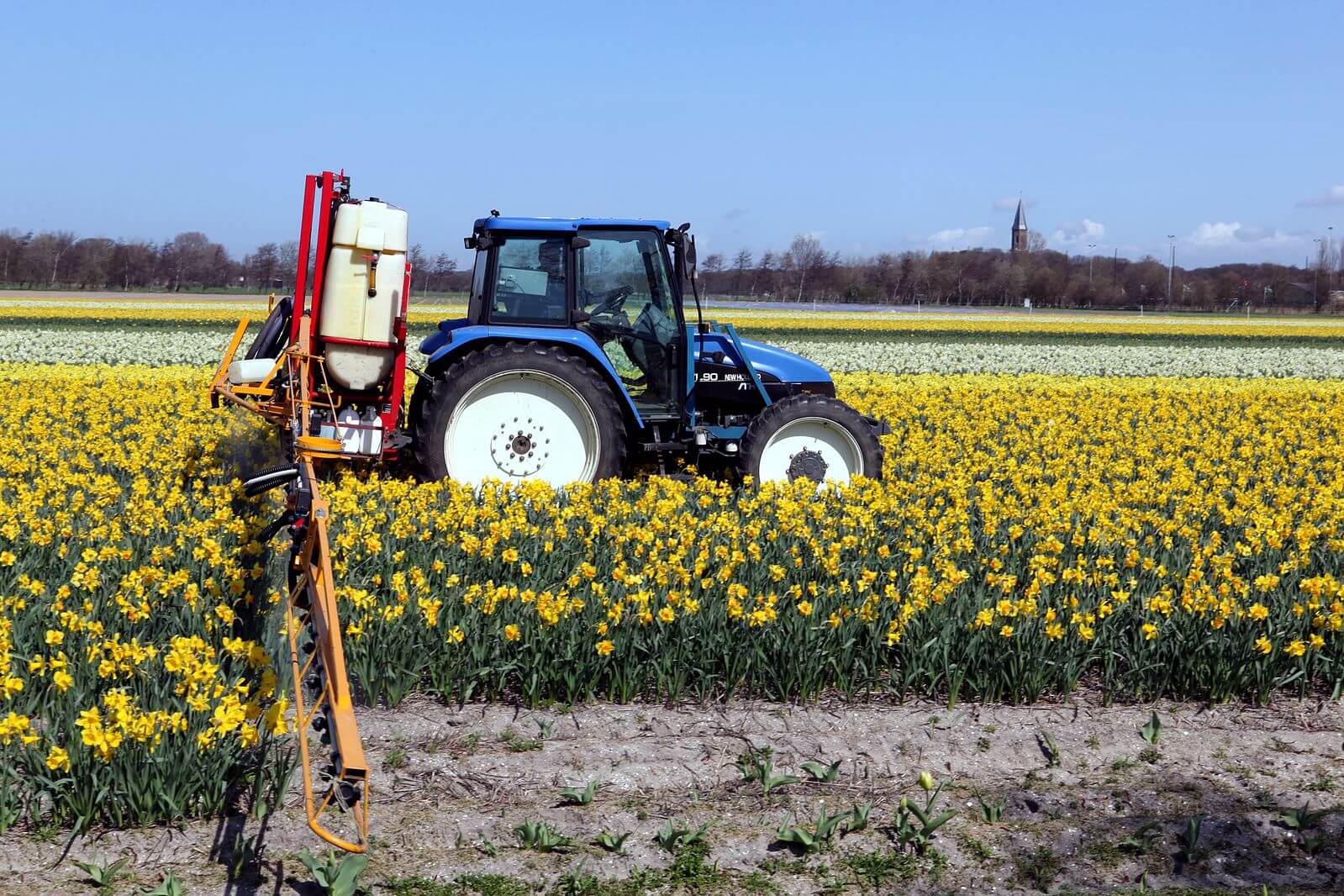
New_Holland_field_sprayer-pesticieds-neonics-farmers-bees
Image source: Wikimedia

Environmental activists and most academic scientists, on the other hand, much prefer laboratory and “semi-field” studies in which individual bees are force fed large quantities of neonics and, not surprisingly, become confused or suffer some other adverse effect. Such studies are almost guaranteed headlines, of course, and they’re relatively cheap to produce, which is why activist scientists have been churning them out on a virtual assembly-line over the last several years (for example, here and here).

EFSA needed to provide the veneer of a scientific rationale for the ban – i.e. to find some excuse to ignore the field studies and base their finding on inapposite lab experiments instead. That veneer is just what the BGD provides. How? Simply by creating requirements for field studies that are literally impossible to meet, allowing EFSA to dismiss or heavily discount the results of every single field study ever conducted.

To give just two examples. . .  The BGD requires that field studies demonstrate that the mortality rate of test bees in neonic treated fields is no larger than seven percent. Given that bee populations within any given hive normally fluctuate as much as 21 percent, it is statistically nearly impossible to demonstrate such a small variation.

Equally impossible is the BGD’s requirement for the size of field studies. To meet all of the BGD’s criteria, a single study would need a test area of 448 square kilometers (173 square miles). That’s more than seven times the size of Manhattan Island, which is just under 23 square miles, and over four times the size of Paris. Given that the test and control fields would need to be far removed from any other bee-attractive crops, flower, hedgerow or flowering tree, such a study could probably not be done in the European landscape.

In the end, this was the central reason why EFSA’s studies didn’t really conclude that neonics pose a risk to bees, as they said in their press release. If science reporters had actually bothered to read the report, which clearly almost none did, they would have found that EFSA’s scientists said over and over that a “low risk” to bees “could not be confirmed.” Of course a “low risk” couldn’t be confirmed – all the field studies that demonstrated there was actually zero risk were arbitrarily discounted or disqualified by the BGD.

Don’t expect to hear much about any of this in the mainstream press. Even reporters for major journals seem not to bother to read the scientific papers they are reporting on; they rely heavily on the press releases and regurgitate their ideological conclusions. Not one of them pointed out how odd it was that the EU leaked its plans to expand the neonic ban to all crops a full year before EFSA delivered its assessment on whether any ban was scientifically justified, or the scientific anomaly of banning neonics on crops such as sugar beets that don’t flower or produce pollen, which means bees will never come in contact with them.

As I and others have reported, however, the Bee Guidance Document is only one of the many frauds on the road to this unnecessary and destructive ban.

Neonicotinoid insecticides bees 3427In addition to the fictional “bee-pocalypse,” which the EC endlessly promoted at the time, and the Commission’s own report from 2010 demonstrating that neonics were of almost no concern to either beekeepers or bee scientists, the Commission and EFSA have a consistent record of bias and manipulation on this issue. Some of the most egregious include:

  • The false and inflammatory press release on EFSA’s review of neonics that the agency’s French Director General, Catherine Geslain-Lanéelle, issued at the time of the ban, after which she was almost immediately rewarded with a plum job in the French government.
  • The “Bee-Gate” scandal, in which the EU-subsidized International Union for the Conservation of Nature (IUCN) was revealed to be conspiring to fabricate studies that would support its “campaign” to have neonics banned.
  • The European Commission’s attempt to suppress a report by their own Joint Research Center, which demonstrated that the ban had been a failure and was actually bad for bees.

This scientific and regulatory policy chicanery in the EU will have a wide ripple effect. It will fuel the activists in the environmental community in Europe and indeed around the world, who now clearly feel on the ascendant, convincing them what they always suspected: that the scientific assessments that go into government regulation are easily manipulated by whoever has the most political muscle.

The worst aspect of this abandonment of principle for political expediency, however, is that it undermines the legitimacy of the scientific enterprise itself, at least as its practiced in modern Europe. This goes for the broader scientific community, as well as regulatory scientists at EFSA specifically implicated in this process. The neonic issue has been played out in public for a full five years. The facts are available to any scientist, editor or reporter at a scientific journal, or any policy maker who cares to be informed. Yet almost all have gone along with the charade.

We know from the European Commission’s own study, noted above, that bees are one of the major victims of this ban. They will survive, to be sure. It is the EU’s policymaking process that is ailing, and the integrity of Europe’s regulatory scientists that is in danger of collapse or extinction.

Henry I. Miller, a physician and molecular biologist, is the Robert Wesson Fellow in Scientific Philosophy and Public Policy at Stanford University’s Hoover Institution and a former trustee of the American Council on Science and Health. He was the founding director of the Office of Biotechnology at the FDA. Follow him on Twitter @henryimiller 

This article was originally published at Science 2.0 as “The Neonic Ban: A Scientific Fraud Becomes Enshrined In EU Regulatory Law” and has been republished here with permission. 

Viewpoint: Regulatory hurdles, anti-GMO activists stymie adoption of sustainable crop biotechnology innovations in developing world

rice i

Ever-more powerful genetic technologies, such as genome-editing endonucleases and marker-assisted breeding, continue to facilitate the development of genetically modified (GM) crops engineered with complex traits, such as, nutritional quality, climatic resilience and stacked disease-tolerance mechanisms. But in many developing countries, the uptake of these GM products is being jeopardized by the sluggish pace and inadequacy of regulatory oversight. This is a serious concern because developing countries stand to benefit most from the adoption of new varieties of staple GM crops, such as vitamin-enhanced rice and bananas or disease-resistant maize and cassava. Despite the availability of the formal risk analysis framework—which provides all the critical components of risk assessment, risk management and risk communication important for structured regulatory decision making on such products—we believe that policymakers do not always understand the underlying factors behind a risk analysis well enough to facilitate implementation of robust and realistic biosafety practices.

…

In many parts of the world, the perceived risks of GM organisms (GMOs), however slight and poorly quantified, have tended to have a greater impact on framing the structure of their regulatory systems than the overwhelming evidence of these products’ substantial benefits. This situation has been exacerbated by public advocacy groups promoting often unbalanced or uncorroborated stories to stigmatize the use of GMOs in agriculture. As a result, the regulatory governance of GMOs continues to be a major hurdle to their development and acceptance, especially in developing countries.

…

We assert that improved cropbreeding methods are needed to feed the growing world population and to address many of the socioeconomic, environmental and other challenges facing developing countries. In light of recorded benefits of GM crops, and the exciting prospects for recently emerging technologies, it is clear that they could play major roles in advancing some of the UN’s key sustainable development goals, especially goals 2 (end hunger, achieve food security, improve nutrition and promote sustainable agriculture) and 13 (take urgent action to combat climate change and its impact by the year 2030).

Read full, original article: Rationalizing governance of genetically modified products in developing countries

First plaintiff, nearing death, goes to court in case claiming Monsanto’s herbicide Roundup causes cancer

sprayingcrops

On bad days, Dewayne Johnson is too crippled to speak. Lesions often cover as much as 80% of his body.

Doctors have said they didn’t expect him to live to see this day. But [June 18th] marked a milestone: Johnson, 46, is the first of hundreds of cancer patients to see his case against agrochemical giant Monsanto go to trial.
CNN reported last year that more than 800 patients were suing Monsanto, claiming its popular weed killer, Roundup, gave them cancer. … Johnson’s attorney, Timothy Litzenburg, said … he now represents “more than 2,000 non-Hodgkin’s lymphoma sufferers who used Roundup extensively.”
…
In March 2015, the World Health Organization’s International Agency for Research on Cancer (IARC) said the key ingredient in Roundup, glyphosate, is “probably carcinogenic to humans.”
…
But Monsanto long has maintained that Roundup does not cause cancer, and that the IARC report is greatly outnumbered by studies saying glyphosate is safe.
“More than 800 scientific studies, the U.S. EPA (Environmental Protection Agency), the National Institutes of Health and regulators around the world have concluded that glyphosate is safe for use and does not cause cancer,” Scott Partridge, Monsanto’s vice president of strategy, said in a statement.

We’ve been dealing with bubonic plague for 4,000 years, DNA analysis of ancient skeletons shows

bubonic plague

Recently, the examination of two 3,800-year old skeletons revealed the presence of a Yersinia pestis strain, famously the bacterium that causes plague. This strain is now the oldest of its kind sequenced to date, and suggests that the devastation that is the bubonic plague has a Bronze Age origin. The discovery, published [June 8] in Nature Communications, pushes back the proposed age of the bubonic plague by 1,000 years.

…

“Contrary to previous studies suggesting that Y. pestis was unable to cause disease during that time, we provide evidence that bubonic plague has been affecting humans for at least the last 4,000 years,” study co-author Maria Spyrou [says].

…

Y. pestis diverged from a mild bacterium called Yersinia pseudotuberculosis which lives predominantly in the soil, then later acquired the ability to transmit through fleas of the gain of certain genes (like one that colonizes the flea’s gut) and the loss of others (like another gene that makes the bacterium toxic to fleas). It still exists today because of this ability to jump from creature to creature.

…

That it infects humans, Spyrou elaborates, is an unlucky situation mostly fueled by chance. Now it’s obvious that humans have been unlucky in this matter for longer than ever realized.

Read full, original post: Russian Skeletons Show the Bubonic Plague Has Killed People for 4,000 Years

Viewpoint: New director of International Agency for Research on Cancer, under fire for promoting cancer fears, likely to maintain status quo

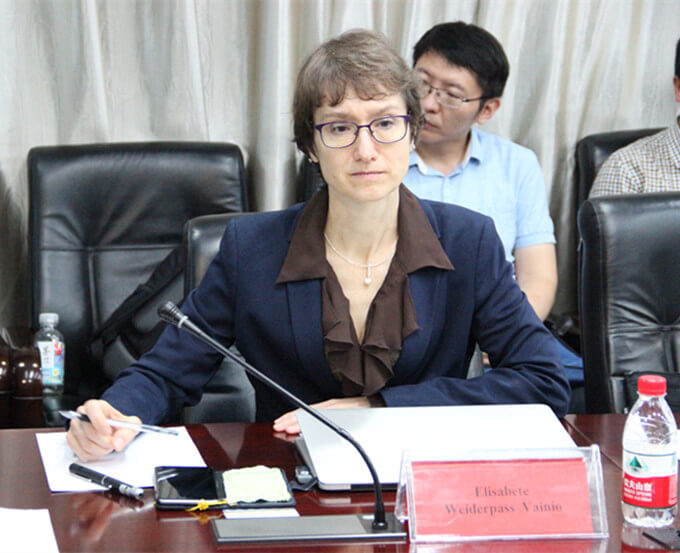
The International Agency for Research on Cancer (IARC), a World Health Organization subsidiary mired in controversy, picked Dr. Elisabete Weiderpass as its new director on May 17th. Critics hoped IARC would mend unscientific practices used under former director Chris Wild by filling the vacancy with an outsider, but Weiderpass will likely champion its status quo.

Scientists scrutinize IARC research for frenetic labeling of consumer products like coffee, baby powder, and glyphosate (found in Roundup weedkiller) as possible carcinogens. These findings have been contradicted or questioned by esteemed health organizations, including the National Cancer Institute, Environmental Protection Agency (EPA), and European regulators.

IARC research gets pilloried partly because it evaluates whether products are possible carcinogens at any exposure level, not whether humans are put at risk by consuming them at real-world doses. Some of their human research involves data reported from patient memory, which is notoriously inaccurate.

But that’s the toned down version of the IARC’s shortcomings. In reality, IARC is a shell-company for left-wing environmentalists, greedy trial lawyers, and boilerplate pseudoscientists. The organization has bashed heads with the U.S. House Committee on Science, Space, and Technology over the past two years due to its deliberate omission of science that disputes its boneheaded claims.

Read full, original article: IARC Picks Another Anti-Science Zealot as Director

Fighting disease, not making money, focus of new Gates Foundation biotech institute

gates

There’s a new biotech in town. And it doesn’t care about making money.

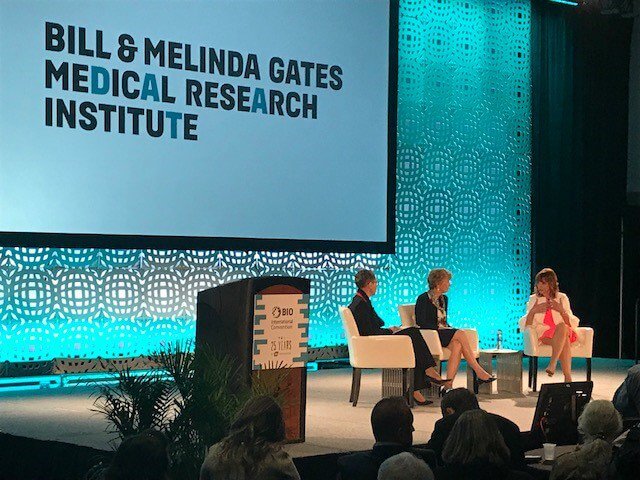
The Bill and Melinda Gates Foundation has spun out a nonprofit biotech offspring, the Bill and Melinda Gates Medical Research Institute. With funding of $273 million for its first four years, the organization is in an enviable position.

“We don’t have to worry about revenue, return on investment. Our bottom line is lives saved. So it’s a pretty exciting place to be,” [said] Dr. Penny Heaton, the institute’s CEO.

…

“Our mission is to develop products that will enable the end of diarrheal disease deaths, eradication of malaria … and to accelerate the end of the TB epidemic,” Heaton said.

While the institute will have some laboratory space, its staff — which Heaton expects to stretch to about 120 people within three years — won’t be focused on discovery. Instead the plan is to find ideas developed by academic labs or held in the portfolios of other biotech firms and essentially serve as a midwife, seeing projects through the treacherous middle stage of development.

…

Freed from the need to generate profits, the institute isn’t interested in owning intellectual property. But any products it passes on to commercial partners will come with strings attached — commitments that the products will be made available at affordable prices, in the needed volume, and within a specified time frame.

Read full, original post: The Gates Foundation rolls out details of its new biotech, one without a profit motive

Why don’t men have longer, healthier lives? Blame it on the Y chromosome

y chromosome

New evidence indicates that the Y chromosome participates in an array of essential, general-interest tasks in men, like stanching cancerous growth, keeping arteries clear and blocking the buildup of amyloid plaque in the brain.

As a sizable percentage of men age, their blood and other body cells begin to spontaneously jettison copies of the Y chromosome, sometimes quickly, sometimes slowly. That unfortunate act of chromosomal decluttering appears to put the men at a heightened risk of Alzheimer’s disease, leukemia and other disorders.

“I’m quite certain,” said Lars Forsberg, an associate professor of medical genetics at Uppsala University in Sweden, “that the loss of the Y chromosome with age explains a very large proportion of the increased mortality in men, compared to women.”

…

Men with a high percentage of Y-free cells — 10 percent or more — are at a heightened risk of dying in the near future, compared with similarly aged men whose cells have hung onto their Y’s.

And men with Alzheimer’s disease are more likely to be L.O.Y. men than are their non-demented cohorts.

The researchers propose that a weakening of the immune system may explain the many perils of L.O.Y. When white blood cells that serve as immune sentries lose their Y chromosome, [researcher Jan] Dumanski said, their surveillance skills falter. They fail to clean up messes on arterial walls or to spot cancer cells in need of destruction.

Read full, original post: Secrets of the Y Chromosome

Viewpoint: FDA schedules public meeting to address regulatory issues surrounding emerging alt-meat industry

Impossible Burger Vegan

So-called cellular agriculture raises numerous questions about whether the regulations enacted to ensure food safety for conventional animal foods are adequate when applied to alt-meat products.

(Spoiler alert: They’re not).

Because of that uncertainty — as well in response to industry and public pressure — the Food and Drug Administration is planning a public meeting on July 12 to “gather comments and research on foods produced using animal cell culture technology,” according to an agency news release.

That is appropriate, because this is new technology with minimal data on potential food-safety threats.

And by “new,” I mean “complex.”

…

How about starting with nomenclature? There is currently a controversy over what to call these alt-meat products. The entrepreneurs branding and positioning their creations want to identify them as “beef” or “chicken,” even though they’re not derived from conventional animal agriculture. To avoid problems down the road, if and when such products become price-competitive and thus more widely available, unique names ought to be required so that there is a clear line between meat from livestock and alt-meat from a factory.

…

Safety considerations? You bet these are important, and that’s why FDA should cede oversight authority to USDA, which has the inspectors, the HACCP structure and the statutory muscle to properly regulate products whose potential food-safety threats are as yet unknown.

Without question, the animal agriculture industry needs to be the most forceful and credible voice at FDA’s meeting next month and interested parties can attend in person or via webcast.

Read full, original post: Dan Murphy: FDA (Finally) Slots Alt-Meat Summit

Rethinking the search for alien life: Let’s look for their space junk

space junk

SETI enthusiasts have devised all sorts of complicated ways for us to find signs of alien life, but a new paper suggests we may be overthinking it. Instead of looking for megastructures and spaceships, we should consider something a bit more obvious: alien satellites and space junk in orbit around distant exoplanets.

Sufficiently dense fleets of satellites in geosynchronous orbit around exoplanets should be detectable from Earth using current technologies, according to new research published in The Astrophysical Journal. Hector Socas-Navarro, an astronomer at the Instituto de Astrofísica de Canarias and the sole author of the new study, says we could do it using the transit method of detection, which is the same technique used to sniff out exoplanets. He argues that a ring of satellites and accumulating space junk should produce a characteristic light curve signature when an exoplanet passes in front of its host star from our perspective on Earth. Intriguingly, he says this strategy could help us find alien civilizations at a similar level of technological development to our own.

…

Interestingly, and perhaps disturbingly, this means our civilization will eventually be detectable whether we like it or not. With each satellite we add to GTO, we are getting closer to being discovered by an ETI. That may or may not be a good thing, and it’s something we should probably think about.

Read full, original post: We Should Search for Aliens by Looking for Their Space Junk

Here’s why so many of us are spooked by artificial intelligence?

Why get certified in Artificial Intelligence
[N]ot everyone is ready to welcome AI with open arms. In recent years, as computer scientists have pushed the boundaries of what AI can accomplish, leading figures in technology and science have warned about the looming dangers that artificial intelligence may pose to humanity, even suggesting that AI capabilities could doom the human race.

But why are people so unnerved by the idea of AI?

…

Negative feelings about AI can generally be divided into two categories: the idea that AI will become conscious and seek to destroy us, and the notion that immoral people will use AI for evil purposes.

…

However, fears that AI will develop awareness and overthrow humanity are grounded in misconceptions of what AI is, [Kilian] Weinberger noted. AI operates under very specific limitations defined by the algorithms that dictate its behavior.

…

The other worrisome idea — that an unscrupulous human would harness AI for harmful reasons — is, unfortunately, far more likely, Weinberger added.

…

Perhaps, if people could put aside their fears of hostile AI, they would be more open to recognizing its benefits, Weinberger suggested. Enhanced image-recognition algorithms, for example, could help dermatologists identify moles that are potentially cancerous, while self-driving cars could one day reduce the number of deaths from auto accidents, many of which are caused by human error.

Read full, original post: Why Does Artificial Intelligence Scare Us So Much?

Viewpoint: Why a federal judge blocked mandatory California Prop 65 health warning labels on the herbicide glyphosate

Screen Shot at AM

Recently, a federal judge sitting in the Eastern District of California (Sacramento), for the first time, refused to require a manufacturer to place a Prop 65 warning on its product based on a finding that the requirement would violate the company’s First Amendment rights. We have been following this developing issue for some time. (See prior posts here, here, and here.)

On June 11, 2018, Judge Walter Shubb held a hearing to consider California Attorney General Xavier Bacerra’s motion to alter or amend the court’s February 2017 order. A motion for reconsideration may be granted if the court: (1) is presented with newly discovered evidence; (2) committed clear error or the initial decision was manifestly unjust; or (3) if there is an intervening change in controlling law.

The Attorney General (AG) claimed that the reconsideration of the order was warranted in light of new evidence and because the court erred in the first instance in determining that a Prop 65 warning was not proper regarding the pesticide chemical Glyphosate. The court rejected the argument that the only new evidence that could not have been presented to the court in February 2017 was the CA State Appellate Court decision that adopted a safe harbor level for Glyphosate and additional information posted on the CA Office of Environmental Health Hazard Assessment (OEHHA) website. Judge Shubb’s June 12th order reasoned that the “new” evidence did not change the court’s conclusion that the original Prop 65 warning for Glyphosate is not purely factual and uncontroversial. Neither the safe harbor level for Glyphosate, information on the OEHHA website regarding the debate as to Glyphosate’s toxic effects, nor the Appellate decision, which did not address the impact of the First Amendment, were relevant to the question of whether the warnings required by Prop 65 and corresponding regulations override Monsanto’s First Amendment rights.

Read full, original article: First Amendment Still Trumps Prop 65

Can CRISPR save the banana and revolutionize coffee? Tropic Biosciences believes so.

bananacoffee cc wide f e fcb e cdc e d dd d s c

In a lab at a U.K. research park, researchers from a startup called Tropic Biosciences are using CRISPR to create a better banana. The startup, which is also using gene editing to improve coffee, believes that technology could help save the fruit. [On June 13th], the company announced that it raised $10 million to commercialize its varieties of both coffee and bananas.

…

Bananas are at risk from disease. The Cavendish banana, the variety now common in grocery stores after a fungus decimated a tastier variety, is now at risk from a new strain of the fungus that can quickly spread and kill plants.

…

The team is also working on editing bananas to help the very perishable fruit survive longer as it’s delivered to consumers.

…

For coffee, the startup has already successfully genetically edited a variety of bean that is naturally decaffeinated. Right now, producers typically remove caffeine through a process that involves soaking beans and steaming them.

…

At some point, it’s possible that companies that genetically engineer food might develop entirely new products–perhaps even a caffeinated banana, for example–but Tropic Biosciences plans to focus on “developing traits that really make sense to people, traits we can communicate easily,” [Gilad Gershon, CEO of Tropic Biosciences].

Genetically engineered monkeys? China is using them for autism research

image
[MIT genetics researcher Guoping] Feng now travels to China several times a year, because there, he can pursue research he has not yet been able to carry out in the United States.

…

In search of a more humanlike model for his autism research, Feng set finding Chinese collaborators to create [autism gene] Shank3 knockout monkeys. The goal was not to make a monkey with autism, per se, but one with enough symptoms to elucidate the brain structures that cause them and test drugs that could alleviate them.

…

American scientists worry that the United States is falling behind China on primate research. “I have two big concerns,” says Michael Platt, a brain scientist at the University of Pennsylvania who studies primates. “The United States is not investing heavily in these [primate] models. Therefore we won’t have the access that scientists have in China.” The second, he says, is that “we might lose the talent base and expertise for actually doing primate neuroscience.”

…

Primates should only be used if other models do not work, says Feng, and only if a clear path forward is identified. The first step in his work, he says, is to use the Shank3 monkeys to identify the changes the mutations cause in the brain. Then, researchers might use that information to find targets for drugs, which could be tested in the same monkeys.

Read full, original post: China Is Genetically Engineering Monkeys With Brain Disorders

Viewpoint: Questioning Nature’s publication of anti-glyphosate letter

glyphosate

On March 21, 2018, Nature published a letter by French journalists Stéphane Foucart and Stéphane Horel, “Risks associated with glyphosate weedkiller resurface”. It came shortly after the inaugural session of the European Parliament’s Special Committee on the Union’s authorisation procedure for pesticides. Coincidence or planned coincidence?

The authors are well known for their activist reporting in le Monde against, in particular, GMOs and pesticides; they acquired some fame for a series of papers on the “Monsanto Papers” – in short, the importation into France and the European Union of the US Right to Know “investigative reporting.” They were in fact quite successful insofar as the European Parliament decided, largely on the basis of their writings, to set up a Special Committee on the Union’s authorization procedure for pesticides (still ongoing); and the debate on glyphosate is heavily polluted by what amounts to fake news.

They also earned two prizes, the Grand Prix Varenne in December 2017 and the European Press Prize in the investigative reporting category in March 2018. There is a sad irony in this. Both are fond of lines of argument best illustrated by Stéphane Horel – a former contributor to the Corporate Europe Observatory – on her Twitter account: “lobbywatcher for Le Monde, conflict of interests hunter…” Both prize juries (7 and 5 members, respectively) included a member of the Le Monde staff. Foucart and Horel gratefully accepted the prizes… Nobody is perfect…

Our letter not accepted

Nature isn’t perfect either. The relevance of the Foucart-Horel letter in Nature is at best questionable. Marcel Kuntz and I have therefore proposed another letter to the journal:

The Foucart-Horel letter does not adduce any evidence of risks.

In the latest round of evaluations, the following found glyphosate to be unlikely to pose any risk for health at human-relevant doses: the FAO/WHO Joint Meeting on Pesticide Residues (presentation); in the European Union, EFSA and EChA (which considers hazard); and various institutions in Australia, Canada, France, Germany, Japan, New Zealand, Republic of Korea, Switzerland, United States of America.

On 9 May 2018, the Swiss Federal Council endorsed a report from the Federal Office for Food Security and Veterinary Affairs (OSAV) and concluded that ‘no action is required in terms of health,’ noting that ‘those residues would be dangerous for health if one were to consume for instance 72 kg of pasta, 655 kg of bread, 10 kg of chickpeas or 1600 liters of wine per person per day.’

The decision of the International Agency for Research on Cancer (IARC) to classify glyphosate as a ‘probable carcinogen’, like acrylamide found in many foods, red meat or very hot beverages, is an outlier. Whilst it may hold true, in principle, as a hazard (to be distinguished from risk) warning, there is now proof beyond a reasonable doubt that it is riddled with conflicts of interest and misconduct.

Ironically, that proof stems from the documents that Foucart and Horel have selectively read and used. Ironically as well, the judge dealing with the lawsuits has opined that the expert testimony against Roundup (glyphosate), particularly that relying on IARC’s determination, is ‘shaky’ and that ‘the evidence that glyphosate is currently causing non-Hodgkin’s lymphoma in human beings at the levels of exposure they are currently experiencing is pretty sparse.’

Science says glyphosate is safe, if used according to instructions. Challenging this requires more than shaky theories: (new) facts.

Nature-Journal-Logo-2Our proposed letter was met with a polite refusal :

[…] The competition for our limited space is severe, so we are able to publish only a very few of the many submissions we receive.

Letters selected for publication depend on a wide range of subjective editorial factors. These include: likely interest to an informal multidisciplinary readership; timeliness; the variety of fields recently represented in our columns; whether we have covered similar aspects of a particular topic before; the novelty of the viewpoint expressed; overlap with other submissions; and length of the submission […]

What does it mean?

Fair enough…

But this standard reply raises a serious issue about the “subjective editorial factors.” Would it be that there was a “likely interest” in a piece of disinformation (debunked below) and that there would be none or little in a rebuttal? Would it be that a prestigious scientific journal actively contributes to the anti-glyphosate hysteria in Europe and the guerilla against the European regulatory system?

Innuendo and an irrelevant reference

Foucart and Horel wrote after a reference to the “Monsanto Papers”with a link to the USRTK website:

[…] We feel that our and others’ findings (N. Ghisi et al. Chemosphere 145, 42–54; 2016) justify concern over the expertise used by the regulatory agencies to evaluate the safety of glyphosate.

This is innuendo. Preposterous innuendo: the Ghisi reference, “Does exposure to glyphosate lead to an increase in the micronuclei frequency? A systematic and meta-analytic review,” does not support the claim. In addition, it reviews research, overwhelmingly from the gray literature, which has used glyphosate doses as high as 19,800 mg/L or mg/kg on mammals, non mammals and even plants. The lowest dose on mammals (6 + 6 Swiss mice) was 30 mg/kg, i.e., 60 times the revised European admissible daily intake (ADI).

Mis- and disinformation are distorting science and public policy. Subscribe to our Daily and Weekly Digests for incisive coverage of ‘disruptive’ innovations in AI, agricultural biotechnology, food, chemicals, nuclear energy, vaccines, and other disruptive innovations.

Contingency planning is an admission of fault and guilt

Foucart and Horel further wrote:

From these documents, we formed the impression that Monsanto’s in-house toxicologists were concerned about the upcoming evaluation of their flagship product by the International Agency for Research on Cancer, and that they had anticipated the result before the agency classified the product as ‘probably carcinogenic to humans’ in March 2015. In 1999, the company had commissioned a confidential external expert review of the evidence, which suggested that glyphosate was mutagenic.

Monsanto had indeed “anticipated the result”… with a contingency communications plan as any responsible business would do, particularly in the context of hostility towards itself and its products. But in the activists’ view this is proof of admission of fault and guilt. Readers are even led to believe that Monsanto anticipated the IARC fiasco 16 years in advance (in essence that it always knew that there were health concerns).

This crooked suggestion is of course not new. But it is odd to find it in a scientific journal.

In addition, there is no such thing as a “confidential external expert review…” An experienced and impartial reviewer might have noticed that the statement comes with no reference. Fact is, James M. Parry, a professor at the University of Swansea (Wales), was requested to evaluate a package of studies provided by Monsanto. His two papers were confused and poor.

They certainly did not “suggest[…] that glyphosate was mutagenic”. The “best” chery-pick would be: “On the basis of the study of Lioi et al (1998a, 1998b) I conclude that glyphosate is a potential clastogenic in vitro.” But Parry’s “Key Questions” of his second write-up start with: “Is glyphosate an in vitro clastogen? Can the positive studies of Lioi et al (1998a, 1998b) be reproduced?”

glyph 6 19 18

Trying to discredit the AHS (Andreotti et al.) study

Who has added the references in the final paragraph?

“In 2016, the European Food Safety Authority declared the evidence on glyphosate’s carcinogenicity for humans to be “very limited” (see go.nature.com/2tjuq1i), partly on the basis of a large prospective study, the Agricultural Health Study (AHS; see also G. Andreotti et al. J. Natl Cancer Inst. http://dx.doi.org/10.1093/jnci/djx233; 2017). Yet Monsanto’s chief epidemiologist wrote in an internal report in 1997 that the AHS protocol rendered estimates of exposure to pesticides inaccurate, potentially masking associations between exposure and disease.”

The first link leads to a letter dated January 13, 2016, by EFSA’s Executive Director Bernhard Url; this is the reply to the ludicrous letter of November 27, 2015, by which Christopher Portier and over 90 other signatories – including, incidentally, IARC Director Elect Elisabete Weiderpass – urged European Commissioner Vytenis Andriukaitis to ditch EFSAs evaluation of glyphosate. It is rather surprising for a high-level scientific journal to accept a secondary reference in lieu of a link to the primary document.

In addition, the full relevant quote is as follows:

In contrast to the IARC evaluation of the epidemiological studies as being of limited evidence, the EU experts have concluded that the human evidence is very limited and, therefore, insufficient for classification under the CLP criteria. There is a minority view (one EU Member State) […]

Foucart and Horel did not cherry-pick “insufficient for classification under the CLP criteria”, or for that matter stronger language from the EFSA assessment report such as “glyphosate is unlikely to pose a carcinogenic hazard to humans and the evidence does not support classification with regard to its carcinogenic potential according to Regulation (EC) No 1272/2008.”

What is a reader unfamiliar with the issue to take from their text? That the Andreotti et al., 2017, paper provides “very limited” evidence, in other words that it is useless. This is plainly suggested by the last sentence.

Again Monsanto would have damned the Andreotti paper a full 20 years in advance!

Note also that the Andreotti paper is posterior to the EFSA assessment, and that the previous results from the AHS study (De Roos et al., 2005) were just one element out of dozens, if not hundreds, used by EFSA. And also by IARC… Therefore, if the EFSA assessment were to be held invalid because of a 1997 Monsanto pronouncement, so should the IARC classification!

And, of course, there is again no reference. What is dubbed here “an internal report” is an attachment to an internal E-mail, providing some “preliminary thoughts” to a Communications Subcommittee:

At your last meeting, I was asked to provide some background thoughts on Epidemiology and the Agricultural Health Study (AHS) that you could use to build positive messages. Please find some preliminary thoughts attached.

In addition it is conspicuously marked as a “draft”. Sheer intellectual honesty would require recognition that such a document provides no evidence beyond that of its mere existence.

This draft was produced at a time when the health research agencies were still enrolling participants in the AHS. Simply put, it is presumptuous to assert that John Acquavella would have made damning pronouncements on a then largely unknown protocol when exposing the limitations of the AHS “by comparison with the hypothetical ideal study.”

And, rather than flagging the risk of “potentially masking associations between exposure and disease,” he was, obviously, concerned by the possible false positives:

Inaccurate exposure classification […] can also create spurious exposure disease associations. In a study of this size, there will be some, perhaps many, spurious exposure-disease findings due to exposure misclassification.

We are taken for a ride

With its publication of the Foucart-Horel letter, Nature has exposed the amount of disinformation and the level of distortion of facts that may go into three paragraphs of activist writing. Its non-acceptance of our letter, in turn, has allowed a debunking beyond the six paragraphs we proposed to the journal.

The verdict is scathing, particularly for the European Parliament which has acted and is still acting largely on the basis of such fake news, although they had been debunked previously.

Will it understand that it has been taken for a ride?

André Heitz is an agronomist by training and former United Nations system civil servant (International Union for the Protection of New Varieties of Plants – UPOV – and World Intellectual Property Organization – WIPO). He blogs in French.

Using CRISPR to block production of HIV in infected cells

hiv

Contracting HIV is no longer the death sentence that it was in the 1980s and early 90s. The first cases of AIDS in the United States were reported in 1981, and since then the antiretroviral drugs used to treat HIV have come a long way in both safety and efficacy. HIV-positive individuals who take antiretroviral medications are estimated to have a life expectancy close to the national average, provided they take the medications as prescribed. Without adequate treatment, however, an individual with HIV can be expected to survive an average of about 10 years.

Recent medical advances, however, may lead to major changes in the way HIV is treated. Among them is the recent work by a research team from the Kobe University Graduate School of Health Sciences and the Kobe University Graduate School of Medicine. The team used CRISPR gene editing to block production of HIV in infected cells.

Over 35 million people worldwide are infected with HIV, of which 1.1 million are in the United States. HIV is short for human immunodeficiency virus — a virus that can lead to AIDS if left untreated. AIDS, or acquired immunodeficiency syndrome, is a condition marked by the gradual failure of the immune system which allows for infections and cancers to develop and overwhelm the body’s defenses.

AIDS patients frequently die from pneumonia, tuberculosis, cancers caused by viruses, and other conditions that are normally kept in check by a healthy immune system. HIV can be transmitted sexually or through the sharing of needles and syringes. Less commonly, it can also be passed from mother to baby during pregnancy and childbirth.

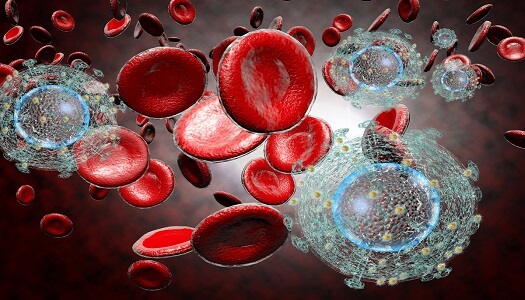
Aids HIV Virus 6 18 2Though HIV antiretroviral drugs are responsible for the much-improved prognoses, only 30% of HIV patients in the U.S. have achieved viral suppression. Since viral suppression indicates that the HIV infection is under control and helps combat the transmission of HIV, this low percentage is worrisome to experts, and is well below UNAIDS’s target of 90% viral suppression.

And antiretroviral drugs are not a cure by any means. They require lifelong adherence or else the patient could risk their particular strain of HIV becoming drug resistant. “As HIV multiplies in the body, the virus sometimes mutates (changes form) and produces variations of itself,” according to the U.S. Department of Health & Human Services. These variations can lead to treatment failure and a dire prognosis for the individual.

HIV antiretroviral medications can cause side effects, such as nausea and vomiting, diarrhea, insomnia, chronic headache and dizziness, fatigue, and so on. These side effects tend to be mild to moderate and often resolve when the patient is prescribed a different antiretroviral drug.

Timothy M. Lankford, 41, of Houston, Texas has been living with HIV since January 2014. “I haven’t really noticed any side effects from taking Complera,” he told the Genetic Literacy Project regarding his daily antiretroviral tablet. “However, when I first started treatment I was prescribed Atripla, and I’m convinced it made my depression worse, which is a known side effect. I was on it for about a year when I asked to change medications.”

Those living with treated HIV also tend to suffer from various age-related complaints much earlier than those who do not have HIV. “I do feel like certain aches and pains I’m experiencing — which have come on rather suddenly over the last year — are related to my diagnosis,” Lankford said.

“There are several ways in which living and aging with HIV are different compared to aging while HIV-negative,” states an article by The Well Project, a non-profit organization focused on supporting women and girls affected by HIV/AIDS. Several health problems associated with the geriatric population appear to happen earlier and faster in people living with HIV, the organization says. This is sometimes referred to as accelerated aging.

Mis- and disinformation are distorting science and public policy. Subscribe to our Daily and Weekly Digests for incisive coverage of ‘disruptive’ innovations in AI, agricultural biotechnology, food, chemicals, nuclear energy, vaccines, and other disruptive innovations.

These age-related health challenges and signs of premature aging include liver disease, heart disease, type 2 diabetes, certain cancers, and bone disease (such as osteoporosis), among others. And recent research published in the AIDS journal concluded, “With an increasing geriatric condition burden, quality-of-life scores were 2.2 times poorer, healthcare use five times greater, and mortality risk scores four times higher in the HIV-infected group compared with matched [non-HIV] controls.”

HIV infection is marked by low levels of CD4+ T cells, also known as CD4 cells, T-helper cells, or T4 cells. Their role is to send messages to other immune cells that will destroy infectious particles. When CD4+ T cells are depleted below a critical level, cell-mediated immunity is lost and the body is left open to opportunistic infections.

The major obstacle to achieving HIV eradication, the Kobe University researchers said, is that a small portion of CD4+ cells harbor latent HIV even when suppressed by antiretroviral treatment. Their study “demonstrated that the lentiviral delivery of CRISPR/Cas9 successfully reached the isolated proviral genome, cleaved regulatory genes, and significantly inhibited viral replication.” In other words, CRISPR/Cas9 interrupted the key mechanisms that make it possible for an individual to stay infected with HIV.

The researchers did this by targeting tat and rev, two genes responsible for the coding of regulatory proteins that play a crucial role in HIV proliferation. Using CRISPR/Cas9, the team introduced a lentiviral vector into cultured cells and succeeded in significantly lowering the expression and function of Tat and Rev (the protein products of tat and rev).

Best of all, no off-target mutations were found, and the cultured cells’ survival rate was not affected.

Masanori Kameoka, one of the study’s authors, said, “These results show that the CRISPR/Cas9 system, by targeting the regulatory genes of HIV-1, tat and rev, is a promising method for treating HIV infection. […] We hope this research will provide us with useful information in developing a treatment method that can completely cure the HIV-1 infection.”

Kristen Hovet is a journalist and writer who specializes in psychology, health, science and the intersection of sociology and culture. Follow her on her website,  Facebook or Twitter @kristenhovet.