Viewpoint: We’re letting bureaucracy get in the way of diagnostic innovation

1-21-2019 food safety shutdown ver
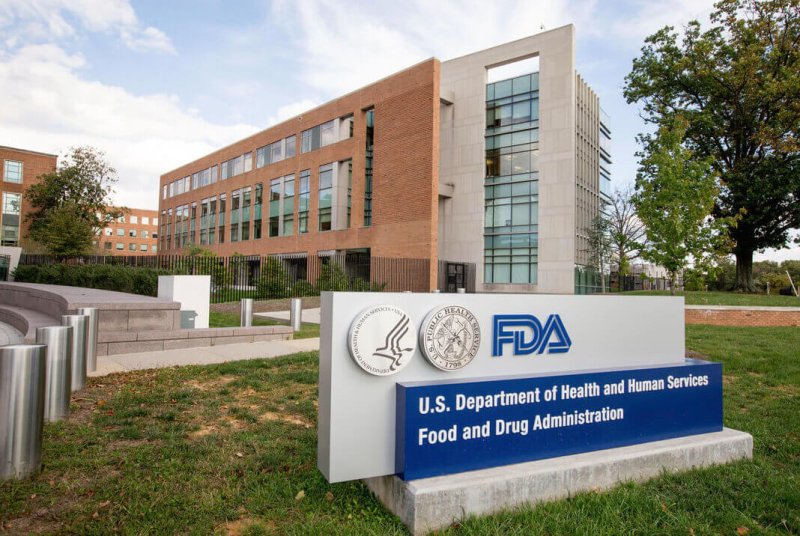
Image credit: AP Photo/Andrew Harnik

Should we be making it easier for companies to bring new tests to market, rather than having a process that is so complicated and expensive that they give up? Have we set up a system so complex that we’re inadvertently stifling diagnostic innovations and possibly endangering the health of our nation?

Roadblock 1: FDA clearance and payer coverage

[Developers] of diagnostic innovations must demonstrate to both the Centers for Medicare and Medicaid Services and commercial payers, which independently make coverage decisions, that the test or technology meets validity and utility requirements.

Roadblock 2: clinical adoption and value

[CMS] and most payers require at least two clinical validation studies, which test whether the diagnostic tool matches its intent, and two clinical utility studies, which measure whether the diagnostic supports clinical decision-making and improves outcomes.

Roadblock 3: international barriers

The U.S. isn’t the only source of clinical innovation. Diagnostic tests and technologies are being developed around the world. Bringing them to market in the U.S. requires overcoming additional obstacles.

I worry that the U.S. has set up a system for clearing new diagnostic tools that is so complex that we’re potentially missing out on innovative new approaches, thus preventing the possibility of giving patients the timely, necessary treatments they need.

Read full, original post: Diagnostic innovations are slowed by bureaucratic roadblocks

{{ reviewsTotal }}{{ options.labels.singularReviewCountLabel }}
{{ reviewsTotal }}{{ options.labels.pluralReviewCountLabel }}
{{ options.labels.newReviewButton }}
{{ userData.canReview.message }}

Related Articles

Infographic: Global regulatory and health research agencies on whether glyphosate causes cancer

Infographic: Global regulatory and health research agencies on whether glyphosate causes cancer

Does glyphosate—the world's most heavily-used herbicide—pose serious harm to humans? Is it carcinogenic? Those issues are of both legal and ...

Most Popular

ChatGPT-Image-Jun-17-2026-10_52_43-AM
Anguished parents, doctors in tears: Utah’s long measles outbreak takes a toll
Screenshot-2026-06-15-at-1.55.27-PM
America's trust in Trump-Kennedy's CDC health recommendations is plunging
ChatGPT-Image-Jun-23-2026-03_12_23-PM
Is cellular reprogramming junk science? Nearly 20 patients are getting eye injections in the first FDA-cleared cellular trial
ChatGPT-Image-Jun-24-2026-11_36_47-AM
Why the human genome is less a script than a puzzle
Screenshot 2026-06-25 at 10.55
Leading OB-GYN group challenges RFK, Jr. gutting of maternal vaccine schedule
ChatGPT-Image-Mar-10-2026-01_39_01-PM
Viewpoint—“Miracle molecule” debunked: Why acemannan supplements don’t work
Screenshot-2026-06-22-at-9.04.46-PM
Kennedy's nutrition prescription for medical schools: Real problem, bad cure
ChatGPT-Image-Jun-25-2026-12_23_17-PM
No, Bill Gates did not secretly engineer ticks to promote veganism
Screenshot-2026-06-25-at-1.48.40-PM
Glyphosate affirmed as safe: Supreme Court rejects lawsuit claiming Roundup herbicide causes cancer, upholding EPA determination
Screenshot-2026-06-24-at-2.57.41-PM
Viewpoint: Trump’s Reflecting Pool algae fiasco points to a bigger culprit: Climate change
Screenshot-2026-06-24-at-2.40.46-PM
Hegseth reversal: As Air Force flu outbreak continues to surge, military reinstitutes mandatory vaccines for recruits
ChatGPT-Image-Jun-22-2026-01_30_11-PM
Facts & Fallacies podcast: Psychedelics for PTSD? Examining RFK, Jr's claims about ibogaine
glp menu logo outlined

Get news on human & agricultural genetics and biotechnology delivered to your inbox.