Science and religion: Why ‘needless hostility’ could be hampering scientific discovery

2-5-2019 fulllength scirelig header x
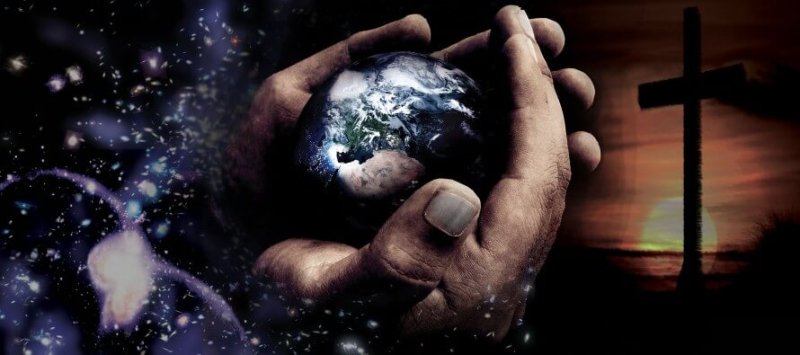
Image credit: Yale Scientific Magazine

I am no apologist for religion. As a psychologist, I believe that the scientific method provides the best tools with which to unlock the secrets of human nature. But after decades spent trying to understand how our minds work, I’ve begun to worry that the divide between religious and scientific communities might not only be stoking needless hostility; it might also be slowing the process of scientific discovery itself.

Religious traditions offer a rich store of ideas about what human beings are like and how they can satisfy their deepest moral and social needs. For thousands of years, people have turned to spiritual leaders and religious communities for guidance about how to conduct themselves, how to coexist with other people, how to live meaningful and fulfilled lives — and how to accomplish this in the face of the many obstacles to doing so.

The biologist Richard Dawkins, a vocal critic of religion, has said that in listening to and debating theologians, he has “never heard them say anything of the smallest use.” Yet it is hubristic to assume that religious thinkers who have grappled for centuries with the workings of the human mind have never discovered anything of interest to scientists studying human behavior.

Science and religion do not need each other to function, but that doesn’t imply that they can’t benefit from each other.

Read full, original post: What Science Can Learn From Religion

{{ reviewsTotal }}{{ options.labels.singularReviewCountLabel }}
{{ reviewsTotal }}{{ options.labels.pluralReviewCountLabel }}
{{ options.labels.newReviewButton }}
{{ userData.canReview.message }}

Related Articles

Infographic: Global regulatory and health research agencies on whether glyphosate causes cancer

Infographic: Global regulatory and health research agencies on whether glyphosate causes cancer

Does glyphosate—the world's most heavily-used herbicide—pose serious harm to humans? Is it carcinogenic? Those issues are of both legal and ...

Most Popular

Screenshot-2026-04-13-at-3.54.04-PM
AI disinformation stress test: Challenges and response strategies
ChatGPT-Image-Feb-16-2026-01_04_32-PM
Raw milk myth wake-up call
ChatGPT-Image-Apr-23-2026-09_20_20-PM
Kennedy’s CDC blocks publication of study that shows vaccines reduce hospitalizations by 50%, then misrepresents why
ChatGPT-Image-Apr-20-2026-11_17_18-AM-2
10,000 scientists gone: Trump’s cuts create an unprecedented brain drain
Screenshot-2026-04-21-at-12.05.38-PM
MAHA’s special protein-focused formula for skin care: Beef tallow and salmon sperm. How could they be wrong?
Screenshot-2026-04-12-135256
Bixonimania: The fake disease scam that AI swallowed whole
Screenshot-2026-04-22-at-1.14.34-PM
Latest fevered, right-wing conspiracy: Fox, New York Post, and kooky GOP legislators push ‘Dead Scientists’ scare
images
The never-ending GMO debate: Pros and cons

Sorry. No data so far.

glp menu logo outlined

Get news on human & agricultural genetics and biotechnology delivered to your inbox.